If you’re visiting Kyoto and craving a taste of something truly authentic, this gentle tea ceremony at Oboro offers a peaceful slice of traditional Japan. Unlike rushed touristy experiences, this 50-minute session focuses on mindfulness, sensory awareness, and genuine connection. It’s designed for those who want to step away from the busy streets, slow down, and savor a moment of tranquility and cultural depth.
Two things we especially love about this experience are its authentic setting—a charming, century-old teahouse—and the relaxed, welcoming atmosphere that encourages questions and personal reflection. The only potential downside is that, at around $45, it’s a modest investment for a brief but meaningful experience.
This makes it ideal for travelers who value quality over quantity and are interested in the quieter, more contemplative side of Japanese culture. Perfect for curious first-timers and seasoned tea enthusiasts alike.
Key Points

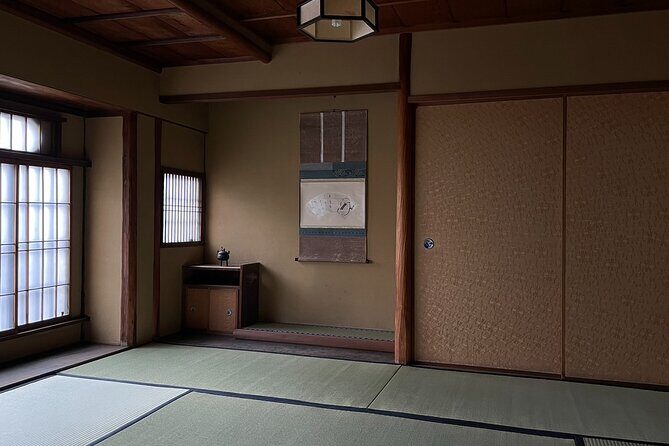
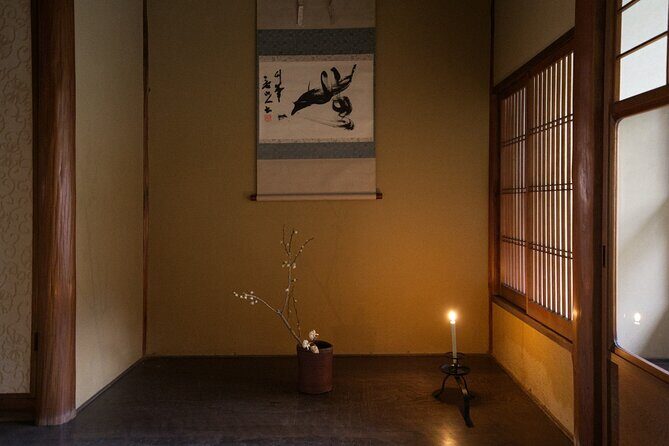

- Authentic setting in a 100-year-old Kyoto teahouse offers genuine culture.
- Sensory-focused experience minimizes distractions to enhance mindfulness.
- Flexible etiquette welcomes both newcomers and seasoned tea lovers.
- Skilled guides help deepen understanding of the traditions and techniques.
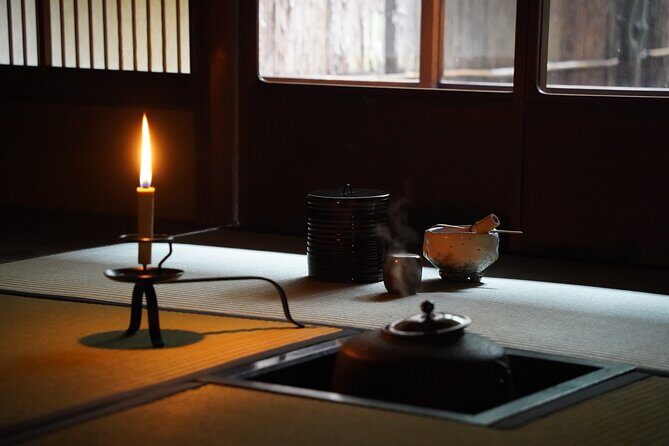
- Intimate environment illuminated by handmade candles fosters reflection and calm.
- Cost-effective at about $45, providing a meaningful cultural encounter.
What Makes Oboro’s Tea Ceremony Unique
This experience isn’t just about drinking tea; it’s about experiencing a tradition that’s over a thousand years old, refined and shared in a space that feels both historic and welcoming. The setting—a preserved Kyoto teahouse—immediately transports visitors back in time. The low lighting, handmade candles, and minimal decor create a calming environment that invites you to slow down and focus on each small detail.
The core of this tea ceremony is its emphasis on mindfulness and sensory engagement. Instead of flashy displays or strict formalities, the ceremony encourages guests to notice the sound of hot water being poured, the aroma of freshly whisked organic tea, or the warmth of the tea bowl in your hands. This approach appeals to travelers who want more than just a photo opportunity—they seek a moment of genuine quiet and reflection.
The host, Taku, and staff are praised for their knowledgeable, polite, and friendly demeanor. They guide guests through the process with patience, explaining each step and encouraging questions. Several reviews highlight how attentive and authentic the guides are, making the experience accessible even if you’re new to tea ceremonies.
You can also read our reviews of more tours and experiences in Kyoto.



The Itinerary: Step-by-Step Experience
Arrival and Welcome: Upon entering the teahouse, guests are greeted with a warm cup of tea and a small sweet. This simple gesture helps transition from the bustle outside to the calm interior. The space is softly illuminated, mostly by handmade candles, setting a peaceful mood.
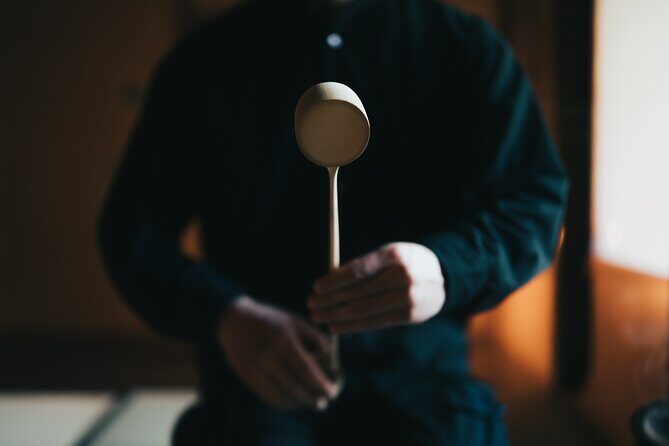
Transition into the Ceremony: Guests are led into the main tearoom, where the host carefully cleans and prepares the utensils. This act of cleaning is part of the ritual—symbolizing respect for the tools and the moment.
Tea Preparation and Tasting: The highlight is the whisking of a rare, organic green tea. You’ll observe the host’s precise movements, which are almost meditative. The tea is served one bowl at a time, allowing each guest to savor the flavors and textures. The ceremony emphasizes enjoyment over perfection, making it accessible for all.
Sensory Reflection: Throughout, guests are encouraged to notice subtle flavors, the calm flickering of candles, and the gentle sounds in the background. This reinforces the idea of slowing down and appreciating the present moment.
The Sum Up and Token: The experience ends with a small, handmade candle as a keepsake, serving as a reminder to carry the mindfulness into everyday life.
Summer Variations: In warmer months, the ceremony adapts with chilled water and ice, offering a refreshing take and showing the flexibility and attentiveness to seasonal customs.
The Value of the Experience
At $45.65 per person, this is a remarkably good value for what you get. It’s not just about the tea, but about learning a cultural ritual, refining your sensory awareness, and enjoying a peaceful retreat from the busy streets of Kyoto. Guests repeatedly praise the knowledgeable guides, authentic setting, and the calming atmosphere.
The small group size (up to 8 travelers) ensures intimacy and personalized attention. Many reviews mention how the staff are polite, patient, and eager to share their knowledge, making the experience feel genuine and welcoming.
Considering the length—about 50 minutes—it fits well into a busy sightseeing day, offering a peaceful pause without taking up too much time or money.
Who Will Appreciate This Experience?
This tea ceremony is perfect for first-time visitors wanting a genuine cultural activity or seasoned Japan enthusiasts seeking a contemplative break. It appeals most to those interested in mindfulness, traditional arts, and authentic hospitality. It’s equally suitable for solo travelers, couples, or small groups.
Travelers who appreciate quiet moments of reflection and detailed, authentic cultural experiences will find this a memorable highlight. It’s also a wonderful way to learn about Japanese customs beyond the typical tourist spots, with guided insights that deepen your appreciation.
Final Thoughts
This mindful tea ceremony at Oboro offers a short but meaningful glimpse into Kyoto’s rich cultural fabric. It’s more than just drinking tea; it’s about respecting tradition, slowing down, and appreciating the small things—a rare gift in today’s fast-paced world.
Whether you’re looking for a peaceful refuge in the city or an educational, authentic introduction to Japanese tea culture, this experience fits the bill. The setting, guides, and focus on sensory awareness combine to create a memorable, calming moment that stays with you long after leaving the teahouse.
If you value authenticity, mindfulness, and personalized attention, this tour is a solid choice. It’s a quiet, reflective counterpoint to Kyoto’s more bustling attractions, and well worth the modest investment.

Oboro | Mindful Tea Ceremony in a 100-Year-Old Kyoto Teahouse
FAQ
Is this experience suitable for beginners?
Absolutely. The ceremony’s flexible etiquette and welcoming guides make it accessible for anyone, regardless of prior knowledge or experience.
How long does the tour last?
It lasts approximately 50 minutes, providing a compact yet immersive cultural experience.
What is included in the price?
Your fee covers the tea ceremony, organic green tea, a small sweet, and the guidance of an English-speaking host.
Can I join if I am not familiar with Japanese customs?
Yes. The guides are friendly and knowledgeable, and they explain each step clearly, making it easy for newcomers to follow along.
Is the experience weather-dependent?
It generally takes place indoors, so weather isn’t a concern unless rain or poor weather affects accessibility. If canceled due to weather, a different date or full refund will be offered.
What are the group size and booking details?
Small groups of up to 8 travelers ensure intimacy and personalized attention. The experience is bookable online with mobile tickets.
Is tipping expected?
Tipping is not included in the fee and is at your discretion, but reviews indicate the guides are very attentive and deserving of appreciation.
Where is the meeting point?
The tour begins at 237 Nakaogawach, Kamigyo Ward, Kyoto. It’s near public transportation, making it easy to access.
To sum it up, this mindful tea ceremony at Oboro combines authenticity, tranquility, and a touch of tradition, making it a worthwhile addition to your Kyoto itinerary. It’s especially suited for travelers who desire a peaceful, insightful experience that offers both cultural depth and a moment of personal reflection. The small group size, skillful guides, and captivating setting turn a simple act—drinking tea—into an opportunity for genuine mindfulness and cultural connection.