Kyoto’s beauty isn’t just in its ancient temples and scenic streets—it’s also woven into its crafts. The Sekka Cotton Furoshiki Class at the Kyoto Shibori Museum offers a hands-on opportunity to learn one of Japan’s beautiful textile arts: shibori, a traditional resist dyeing technique.
This class promises an intimate, authentic experience perfect for travelers eager to go beyond sightseeing and connect with Kyoto’s artistic soul.
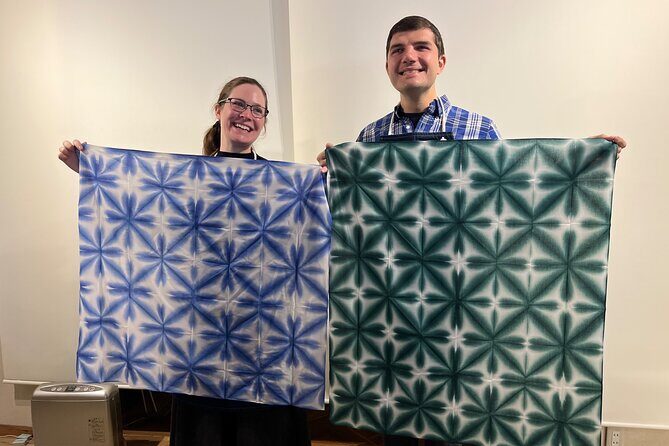
What makes this experience stand out? First, the private lesson ensures you get personalized attention, and you’ll leave with a beautiful, handcrafted cotton furoshiki—a cloth that’s both practical and a lovely keepsake. Second, the opportunity to learn sekka shibori, a specific and visually stunning technique, adds a layer of cultural depth many travelers seek.
A potential consideration is the relatively short duration—about an hour—meaning it’s more of an introduction than an in-depth masterclass. It’s well-suited for those who want a meaningful craft experience without a large time commitment, especially if you’re interested in textiles, Japanese traditions, or unique souvenirs.
This tour is best suited for curious travelers who appreciate craftsmanship, want a memorable hands-on activity, and enjoy discovering local arts in a quiet, engaging environment. It’s family-friendly, accessible, and provides a unique way to connect with Kyoto’s artistic history.
Key Points
 1 / 4
1 / 4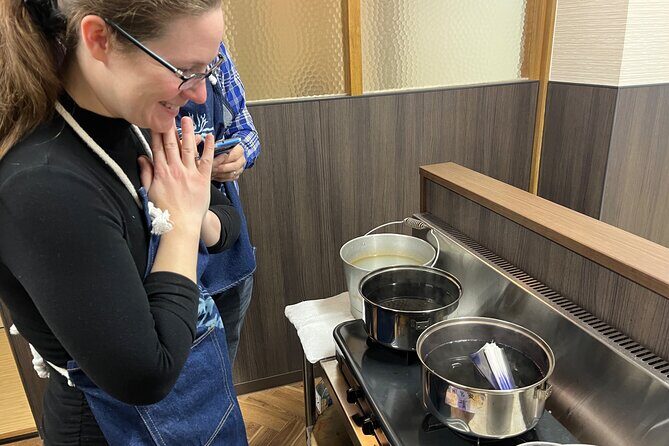 2 / 4
2 / 4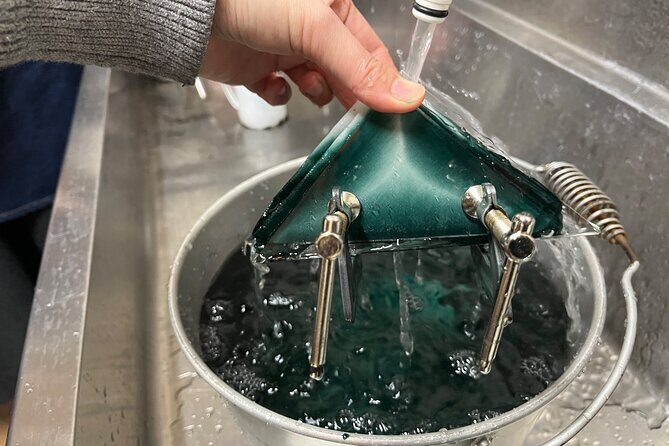 3 / 4
3 / 4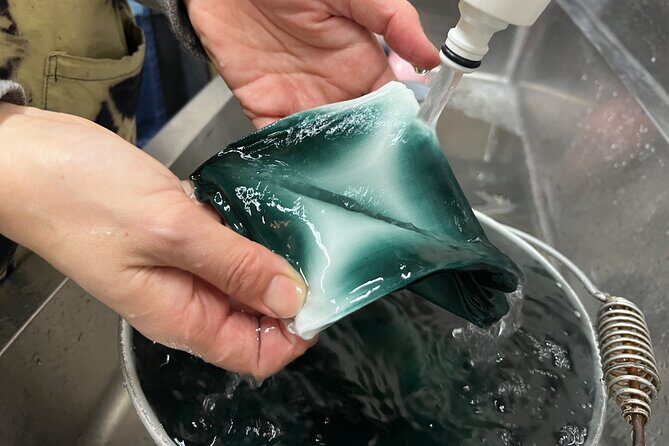 4 / 4
4 / 4- Exclusive private class for your group, fostering a personalized experience.
- Learn the art of sekka shibori, a distinctive Japanese resist dyeing technique.
- Create your own cotton furoshiki as a lasting souvenir.
- Includes a museum walk and exploration of traditional textile art.
- Affordable price point offers excellent value for a meaningful craft.
- Flexible timing of about 30 to 60 minutes, suitable for varied schedules.
Exploring the Kyoto Shibori Museum Experience
This class begins at the Kyoto Shibori Museum, located conveniently near public transportation—an important detail for travelers navigating Kyoto’s charming streets. The experience is a private affair, meaning only your group participates, which enhances the comfort and focus of the lesson. Booking typically occurs around 26 days in advance, emphasizing its popularity among those planning ahead.
You can also read our reviews of more tours and experiences in Kyoto
The Crafting Process
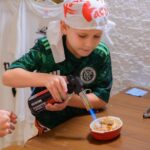
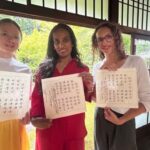
Once inside, you’ll start by choosing your favorite color, which makes the session highly personalized. Your instructor will guide you through the folding technique, a crucial step that determines the final pattern. This process requires some patience, but the instructions are clear, and the result is a piece that’s uniquely yours.
Next, your fabric (an 86cm x 89cm cotton furoshiki) is carefully placed between two boards and then dyed. Watching the dye set in, you’ll get a taste of traditional Japanese craftsmanship. The dyeing process itself is straightforward but satisfying, giving you a tangible connection to centuries-old techniques.
Museum and Learning
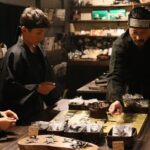
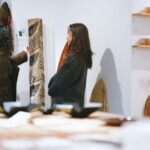
While your fabric dries—about 30 minutes—you’re encouraged to explore the museum exhibits, which showcase artworks, tools, and samples from the shibori tradition. Many reviews highlight how fascinating the display of fabrics, created by 50 artisans over 50 years, is for understanding the craft’s depth and history.
Reviewers have praised the knowledgeable staff, noting that “everyone was kind and helpful,” and that the museum tour adds a valuable cultural context. As one reviewer put it, “This experience was a fun, quick, different, memorable way to learn and create.” Several mention that the crafting portion is simple but satisfying, perfect for beginners or those seeking a light, engaging activity.
The Value of the Experience
At $43.04 per person, this class offers an excellent balance of hands-on fun, cultural insight, and a tangible souvenir. Travelers often comment on the good value, especially considering the personalized attention and the opportunity to walk away with a handcrafted item. Many reviews mention that “the entire experience was worth it,” and that they appreciated the opportunity to learn about traditional Japanese textile arts.
The Retail Experience
After the class, the museum shop awaits with a variety of shibori items, fabrics, and souvenirs. For those interested, it’s worth browsing, as many travelers noted the beautiful and unique pieces on display and for sale. The shop adds a nice touch, allowing you to take a piece of Kyoto home or pick up a gift.

Practical Details
The activity typically lasts about one hour, starting at the Kyoto Shibori Museum in Nakagyo Ward. It’s near public transportation, making it easy to include in a day of sightseeing. The tour is most suitable for travelers of most ages, and its private nature means it’s great for families, couples, or small groups wanting a personalized experience.
Who Would Enjoy This Experience?
If you’re interested in Japanese textiles, crafts, and history, this class offers a meaningful, hands-on way to connect with Kyoto’s artisan traditions. It’s perfect for art lovers, curious travelers, and those seeking a break from temple-hopping. If you want a unique souvenir and to understand a craft that’s been practiced for centuries, this experience is a good fit.
It’s also well-suited for families or small groups, given its private setup and engaging, straightforward process. However, those looking for an in-depth mastering of shibori might find this a quick introduction rather than a comprehensive workshop, but it’s still a worthwhile starting point.
The Sum Up
The Sekka Cotton Furoshiki Class at the Kyoto Shibori Museum provides a highly authentic introduction to Japanese textile art. Its personalized approach ensures you get plenty of individual attention, and the experience is both educational and fun. For a reasonable price, you’ll walk away with a beautiful, handcrafted cloth and a new appreciation for Kyoto’s artistic heritage.
Travelers who value cultural authenticity, unique souvenirs, and engaging activities will find this class a memorable part of their trip. It’s especially perfect for those who want a slow, creative break amid their sightseeing and come away with a tangible reminder of Kyoto’s craftsmanship.
Sekka Cotton Furoshiki Class
FAQ
How long does the class last?
The class lasts approximately 30 to 60 minutes, including the dyeing process and the museum walk.
Is this experience suitable for children?
Yes, many reviews mention it as family-friendly and engaging for teens and children. The activity is straightforward and enjoyable for most ages.
Do I need to book in advance?
Yes, it’s advisable to book about 26 days ahead, as it’s quite popular and spots fill up quickly.
What should I wear or bring?
The tour provides all necessary materials. It’s best to wear comfortable clothes that you don’t mind getting a little dye on, although aprons are usually provided.
Can I buy souvenirs at the museum?
Absolutely, the shop offers shibori fabrics, art pieces, and other textiles. Many travelers found the selection quite beautiful and worth browsing.
What’s included in the price?
The fee covers the private lesson, the materials for your furoshiki, and the museum tour. You leave with your handmade fabric as a keepsake.
This class balances learning, creating, and cultural appreciation in a way that makes your Kyoto visit more meaningful. For anyone wanting to explore Japan’s textile traditions firsthand, it offers a memorable, authentic slice of Kyoto’s artisanal side.