If you’re considering a guided tour of Kyoto, you’ll want an experience that balances access to the city’s iconic landmarks with genuine cultural insights. We’ve examined one popular option — a tour in Kyoto led by a government-certified guide — and here’s what you need to know to decide if it’s right for you.
What we love about this tour are the access to top sights such as Fushimi Inari and Kiyomizu-dera, plus the chance to learn from a knowledgeable guide who can bring the city’s stories to life. The value for money, especially when considering the experience’s depth and customization, is also notable. On the flip side, some travelers mention organization issues and variable guide quality, which is worth keeping in mind.
This tour is best suited for travelers who want a structured yet flexible overview of Kyoto, enjoy cultural activities like calligraphy or kimono dressing, and appreciate having expert guidance unraveling the city’s stories. Solo travelers and couples should be aware that the tour might sometimes involve joining other groups or travelers.
- Key Points
- Introduction: Is This Tour Worth Your Time?
- In-Depth Tour Breakdown
- Fushimi Inari-taisha Shrine: The Iconic Entrance to Kyoto’s Spiritual World
- Kiyomizu-dera Temple: A Viewpoint and Sacred Site
- Nijo Castle: A Glimpse into Shogunate Power
- Gion District: The Heart of Geisha Culture
- Nishiki Market: A Food Lover’s Paradise
- Kinkaku-ji (Golden Pavilion): Kyoto’s Most Famous Landmark
- Ginkaku-ji (Silver Pavilion): Less Crowded, Still Beautiful
- Arashiyama & Tenryu-ji: Nature and Zen
- Optional Activities and Customization
- Transportation & Logistics
- Real Guest Perspectives
- The Bottom Line: Who Should Take This Tour?
- Frequently Asked Questions
- More Guided Tours in Kyoto
- More Tours in Kyoto
- More Tour Reviews in Kyoto
Key Points



- Authentic Cultural Experiences: Includes activities like tea ceremonies, kimono dressing, and calligraphy.
- Flexible & Customizable: You can tailor the itinerary based on your interests and available time.
- Significant Landmarks: Visits to Fushimi Inari, Kiyomizu-dera, Nijo Castle, and more.
- Cultural & Historic Depth: Guides share stories about samurai, geisha, and Kyoto’s traditions.
- Variable Tour Quality: Some reviews mention organizational issues or guides not showing up.
- Good Value for Money: At $110, you get a comprehensive experience, but extra costs like temple fees apply.
Introduction: Is This Tour Worth Your Time?
This guided tour through Kyoto offers a solid way to see the city’s highlights with the help of a trained, government-certified guide. It’s particularly appealing to those looking for an organized, cultural experience with the flexibility to customize as you go. We love how it combines visits to historic sites with engaging activities like calligraphy or kimono dressing, giving you a taste of Kyoto’s living traditions.
A major plus is the balance of sightseeing and culture. You’ll get to walk through beautiful temples, bustling markets, and traditional districts while also experiencing hands-on activities that bring Kyoto’s culture to life. The tour also includes a rickshaw ride and night illuminations—small touches that add a layer of fun and romance.
However, some travelers warn about organizational hiccups — late starts, missed pickups, or guides not arriving as scheduled. Because the tour involves multiple stops, timing and guide professionalism can sometimes vary. Still, many guests find the experience rewarding if they’re prepared for a bit of unpredictability.
This tour is perfect for those who value authentic experiences over luxury or exclusivity. It’s a good fit if you’re eager to see key sights, learn stories behind them, and try things like tea tastings or kimono dressing. If you’re after a full, guided day in Kyoto, this could be a memorable choice, provided you’re comfortable with some minor logistical quirks.
You can also read our reviews of more guided tours in Kyoto


In-Depth Tour Breakdown
Fushimi Inari-taisha Shrine: The Iconic Entrance to Kyoto’s Spiritual World
We start at Fushimi Inari, famous worldwide for its thousands of vibrant red torii gates winding up the hillside. It’s a place that feels almost otherworldly, and you’ll love the way guides explain the shrine’s significance: dedicated to Inari, the rice god, it’s a symbol of prosperity and good luck.
Expect to spend about an hour here, and note that entrance is free. Reviews praise this stop as a must-see, with some noting the endless gates creating an almost hypnotic atmosphere. However, it can get crowded, especially during peak hours, which might detract from some of the serenity.
Kiyomizu-dera Temple: A Viewpoint and Sacred Site
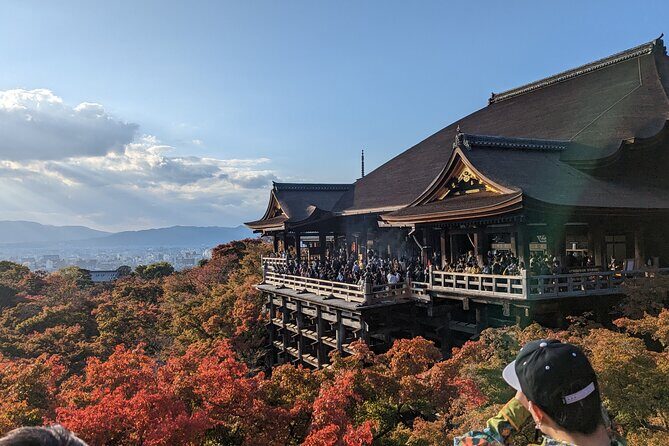
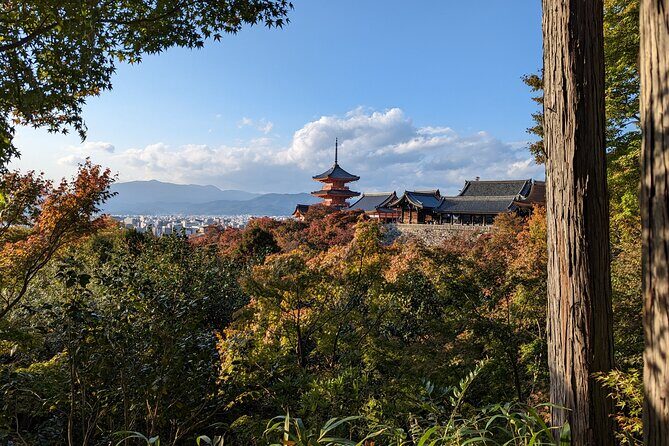
Next, we ascend to Kiyomizu-dera, a UNESCO World Heritage Site perched on a hillside. Its wooden stage offers spectacular views over Kyoto, and the intricate architecture is a marvel. The guide will share stories about the temple’s history and the legend of the Otowa Waterfall, where visitors drink for health, longevity, and success.
This stop is about an hour long, and while entry is free, some small fees may apply for special areas or exhibitions. Visitors describe the experience as truly breathtaking, although some note that the crowds can be heavy, especially during busy seasons.
Nijo Castle: A Glimpse into Shogunate Power
The tour then ventures to Nijo Castle, a grand Edo-period residence once home to shoguns. While admission isn’t included in the tour fee, the castle’s beautifully painted ceilings, ornate rooms, and nightingale floors—a clever security feature—are worth the extra cost.
Guests have appreciated the history and architecture, though some mention that the visit can feel rushed. Nevertheless, it’s a key piece of Kyoto’s feudal past and offers a tangible sense of Japan’s political history.





Gion District: The Heart of Geisha Culture
Strolling through Gion, you’ll experience Kyoto’s traditional geisha district. The narrow streets, wooden machiya houses, and occasional glimpse of a geisha or maiko are unforgettable. Guides often share stories of geisha life, the history of tea houses, and Kyoto’s elegant traditions.
Many reviews highlight Gion as a place of timeless charm, though some travelers note that it can be touristy and crowded. Still, being there with a guide provides context that helps you appreciate the scene beyond just taking photos.
Nishiki Market: A Food Lover’s Paradise
No tour of Kyoto is complete without a visit to Nishiki Market, a lively stretch packed with stalls selling everything from fresh seafood to pickles and sweets. The guide will suggest tasting local delicacies—which many find a highlight—and point out some of the best spots for souvenirs.
While the market is bustling, it offers a more casual, sensory experience. Reviewers often mention how much they enjoyed sampling street food and discovering regional specialties.
Kinkaku-ji (Golden Pavilion): Kyoto’s Most Famous Landmark
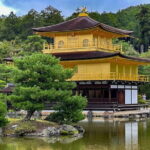
The Kinkaku-ji is arguably Kyoto’s most photographed site—its shimmering gold leaf exterior reflecting in the pond. It’s a Zen temple that embodies tranquility and craftsmanship. The guide will explain its history and the significance of the surrounding gardens.
Expect about an hour here, and note that entrance fee is included in the price. Visitors describe the setting as mesmerizing, though crowds can be heavy, especially in high season.
Ginkaku-ji (Silver Pavilion): Less Crowded, Still Beautiful
Although called the Silver Pavilion, Ginkaku-ji has no silver coating. Still, its peaceful gardens and minimalist architecture offer a different, more contemplative experience than Kinkaku-ji. Admission is not included, costing around $8, and some reviewers appreciate this stop for its calm atmosphere.
Arashiyama & Tenryu-ji: Nature and Zen
Following the temples, the tour heads to Arashiyama, famous for its bamboo grove. You’ll enjoy a quick walk through the towering stalks, capturing the serene vibe. Many mention the bamboo forest as a highlight.
Nearby, Tenryu-ji offers a Zen atmosphere with beautiful gardens and historic buildings. It’s a UNESCO site, and although the admission isn’t included, it’s well worth the visit for its peacefulness and history.
Optional Activities and Customization
Throughout the tour, you can customize your experience. Some reviews praise guides who are flexible and eager to tailor the itinerary, whether that means spending more time at a particular temple or adding cultural activities like calligraphy. Others note that some guides provide less personalized service, so clarifying expectations beforehand helps.
Transportation & Logistics
While transportation costs are extra (about $5-8 USD for guide’s fee), the tour is designed to be walkable within Kyoto’s compact districts. You’ll visit sites mostly within central Kyoto, easily accessible by public transit or on foot. The option of pickup is offered, but travelers should verify the details, especially if they are staying outside the city center.
Real Guest Perspectives
The reviews reveal a mixed picture: many praise the knowledgeable guides, the stunning sights, and delicious food experiences. For example, one traveler said, “Roberto, a qualified guide, showed us the most beautiful parts of the city,” highlighting the value of a capable guide.
However, there are notable complaints about organizational issues. Several reviews mention guides not showing up, poor communication, or late starts, which can be frustrating, especially when you’ve scheduled a full day. One guest expressed disappointment, saying, “Our private tour became a group tour, and many sites were missed,” emphasizing the importance of clear communication and reliable organization.
In terms of cost, at $110 per person, the tour offers a rundown, especially with the inclusion of some cultural activities, but additional expenses like temple admission fees and transportation can add up. For many, the price is justified by the depth and authenticity of the experience, yet some feel that inconsistency in guide quality affects overall value.
The Bottom Line: Who Should Take This Tour?
This guided exploration of Kyoto is best for travelers who want a structured, guided experience that covers a broad range of sights and cultural activities. It is ideal if you’re eager to learn stories from knowledgeable guides and enjoy hands-on cultural experiences like kimono dressing, tea ceremonies, or calligraphy. The adventure suits those who appreciate a mixed itinerary, combining temples, markets, districts, and natural scenery.
If you’re comfortable with some logistical uncertainties and seek authentic cultural insights, this tour provides a good starting point for discovering Kyoto’s essence. It’s also a solid option for solo travelers or couples who are happy to join a small group or customize their day.
However, those who are highly organized or prefer private, hassle-free tours might want to consider other options or clarify the organizational details beforehand to avoid surprises.
Tour in Kyoto with a Goverment Certified Tour Guide
Frequently Asked Questions
Is this tour suitable for solo travelers?
Yes, it is; however, some travelers report they might be asked to join other groups, especially if booking as an individual or couple.
What is included in the price?
The tour includes a guide, cultural activities such as calligraphy and kimono dressing, and visits to major sites. Entrance fees for temples like Kinkaku-ji are included, but others like Ginkaku-ji cost extra.
Are transportation costs covered?
Not entirely; you’ll need to budget about $5-8 USD for the guide’s transportation fees, and additional costs may include entrance fees and personal expenses.
How long does the tour last?
It typically runs between 6 and 8 hours, giving ample time to explore multiple sites and participate in cultural activities.
Can I customize the itinerary?
Yes, most guides offer customization based on your preferences and available time, making it a flexible experience.
What are the main highlights of this tour?
Key highlights include Fushimi Inari, Kiyomizu-dera, Gion, Nishiki Market, Kinkaku-ji, Ginkaku-ji, Arashiyama, and Tenryu-ji.
Is the tour worth the price?
For many, yes—the combination of cultural activities, expert guidance, and a broad itinerary offers good value. However, some may find the organization inconsistent, so clarity before booking helps ensure a smoother experience.
To sum it up, this guided tour in Kyoto offers an accessible way to see many of the city’s best-known sights while gaining insights from a knowledgeable guide. It’s especially suited for those eager to combine sightseeing with culture and who are comfortable with some logistical variability. For the most part, the experience can be both fun and educational, making it a worthwhile choice for a first visit or a deep dive into Kyoto’s traditions.