If you’re looking for a peaceful escape from Nagano’s city buzz, a tour of Togakushi offers a perfect balance of spiritual exploration, lush scenery, and delicious food. While we haven’t personally strode these trails, the detailed reviews and itinerary reveal an experience well-suited for travelers craving authentic Japan — quiet forests, ancient shrines, and the chance to taste some of the country’s best soba noodles.
Two things truly stand out: first, the knowledgeable guide who enriches every step with insights about the area’s spiritual significance and natural beauty, and second, the stunning vistas, from mirror-like ponds to towering cedar trees. A potential consideration is the seasonal accessibility — during winter, some shrines and paths close due to snow, so planning your visit in warmer months might be best.
This tour is ideal for those who enjoy walking, culture, and authentic local cuisine. Whether you’re a seasoned Japanophile or a casual traveler seeking a meaningful day out, the mix of nature, history, and food makes this a memorable experience.
- Key Points
- An In-Depth Look at the Tour Experience
- Starting Point: Nagano Station and the Journey Begins
- Kagamiike Pond: Mirror of Nature
- Tenmei Inari Shrine: Hidden Gems and Red Gates
- The Main Path to Togakushi Shrine Okusha
- The Inner Sanctum: Okusha Shrine and Kuzuryusha Shrine
- Food Break: Soba Noodles
- Optional: Togakure Ninja Museum
- Final Stops and Return to Nagano
- Is It Worth the Cost?
- Seasonality and Accessibility
- What Our Reviewers Say
- Practical Tips for Travelers
- Who Would Enjoy This Tour?
- More Walking Tours in Nagano
- More Tour Reviews in Nagano
Key Points
 1 / 4
 2 / 4
 3 / 4
 4 / 4
- Authentic spiritual sites: Visit five different Togakushi shrines, each with its own unique character and story.
- Delicious local food: Enjoy a top-rated soba noodle meal at a well-known restaurant.
- Lush scenery: From Kagamiike Pond to cedar-lined paths, nature plays a starring role.
- Small-group intimacy: More personalized attention from your guide enhances the experience.
- Seasonal considerations: Some sites are inaccessible in winter due to snow.
- Transport efficiency: Comfortable bus transfers maximize your exploration time.
An In-Depth Look at the Tour Experience
You can also read our reviews of more walking tours in Nagano


Starting Point: Nagano Station and the Journey Begins
The tour kicks off in Nagano, with a convenient meeting point at Beck’s Coffee Shop just outside the Shinkansen gates. From there, a short 40-minute drive whisks you to Togakushi. Traveling with a small group means you avoid the big-bus feel and get more tailored insights from your guide, which many reviews say makes the day more meaningful.
Kagamiike Pond: Mirror of Nature
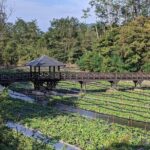
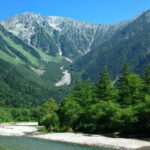
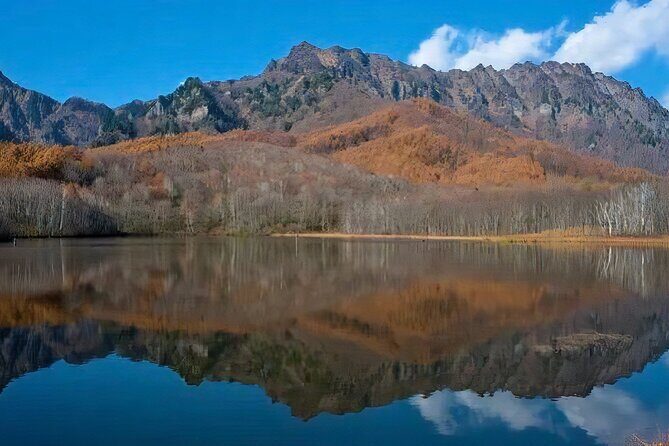
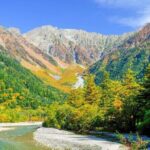
Your first stop is Kagamiike Pond, a serene spot where the mountain reflections shimmer on calm waters. This is a picture-perfect moment, especially during seasons when the surrounding greenery is vibrant, and the forest feels alive. It’s an ideal photo op and a quiet moment to soak in the natural beauty. Note that this pond is inaccessible in winter, but otherwise, it’s a highlight for its peaceful ambiance and the way it captures the essence of Togakushi.
Tenmei Inari Shrine: Hidden Gems and Red Gates
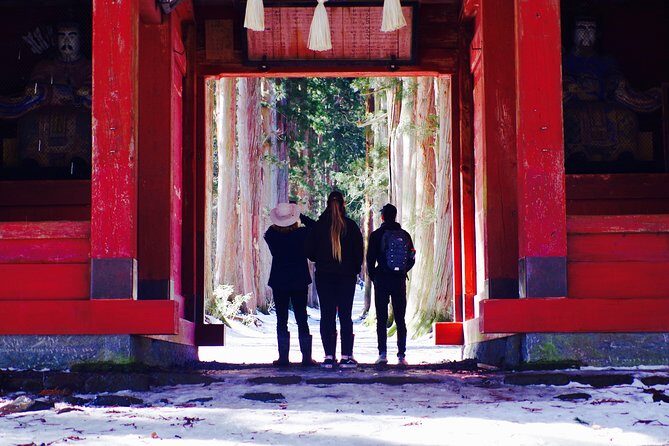
Next, you’ll visit the Tenmei Inari Shrine, a lesser-known treasure featuring a stunning line of bright red torii gates. This shrine offers a glimpse into local spiritual practices and provides a beautiful setting for photos. Since many travelers mentioned how the shrine’s atmosphere felt intimate and special, it’s a real highlight for those interested in Japan’s Shinto traditions.
The Main Path to Togakushi Shrine Okusha
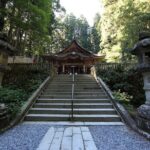
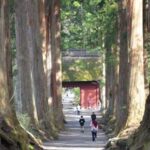
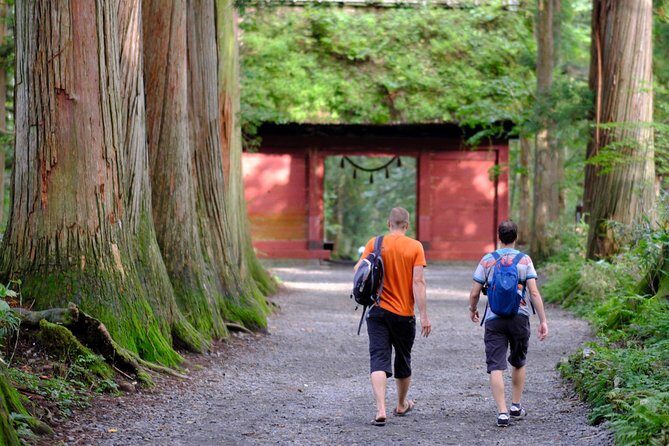
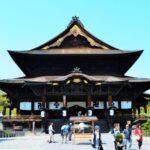
The walk to the Okusha (Main Shrine) involves a 2km cedar-lined trail through towering trees that date back hundreds of years. The path is lined with massive cedar trees, some over 400 years old, giving you a tangible sense of history and reverence. The approach to the shrine is breathtaking, especially with the striking red Zuishinmon Gate framing the view.
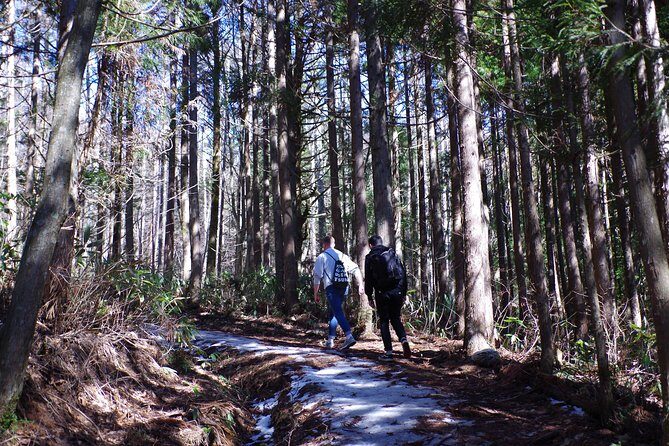
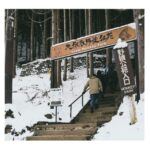
While the main shrine itself isn’t accessible during winter, the walk to it remains open and stunning — the dense, centuries-old cedar forest creates a peaceful, almost sacred atmosphere that many reviews describe as magical.



The Inner Sanctum: Okusha Shrine and Kuzuryusha Shrine
The Okusha Shrine, revered as the most significant of the five Togakushi shrines, enshrines a god associated with strength. The nearby Kuzuryusha Shrine, dedicated to a nine-headed dragon governing water, adds a mythic layer to the visit. Both sites are deeply rooted in local folklore, and even if snow blocks direct access in winter, the cedar-lined paths and mountain scenery continue to impress.
Food Break: Soba Noodles
A highlight that many reviewers rave about is the lunch of Togakushi soba noodles. Known for their delicate flavor and chewy texture, these noodles are considered some of the finest in Japan. The local restaurant serves them up expertly, often accompanied by simple side dishes that highlight the purity of the ingredients. For many, this meal alone justifies the tour, offering a taste of authentic regional cuisine.
Optional: Togakure Ninja Museum
For those interested in Japan’s ninja lore, an optional visit to the Togakure Ninja Museum offers a peek into ninja history and equipment. While this isn’t included in the price, it’s a popular add-on — though it’s closed during winter, so plan accordingly.
Final Stops and Return to Nagano
The tour winds down with a visit to the Togakushi Folk Museum or the Chusha (Middle Shrine), depending on timing. Afterward, you’ll head back to Nagano Station, concluding the day with a better understanding of Japan’s spiritual and natural landscape.
Is It Worth the Cost?
At approximately $156.55 per person, this tour offers great value for travelers eager to combine cultural sights, natural beauty, and authentic cuisine into a single day. The cost covers transportation, visits to multiple shrines, and a high-quality soba meal — all of which might otherwise require separate planning and expense. The small group size ensures personalized attention, and the guide’s insights elevate the experience beyond just sightseeing.
Seasonality and Accessibility
A key point to consider is the seasonal nature of some sites. Many shrines and paths are closed during winter, so if you’re visiting in colder months, check availability or consider visiting in spring or summer when everything is accessible. The lush green scenery in warmer months, as praised by reviewers, makes for particularly memorable photographs and peaceful walks.
What Our Reviewers Say
One traveler noted, “Our guide Masa was very knowledgeable about the local area, and knew the best restaurant for an authentic soba experience, which was amazing!” even in rainy weather, the combination of beautiful shrines and forest paths shone through. Others appreciated the quiet, contemplative atmosphere of the cedar-lined trails and the opportunity to learn about local traditions directly from a guide.
Practical Tips for Travelers
- Wear comfortable shoes suitable for walking on uneven paths and forest trails.
- Bring layers, especially if visiting outside summer — Togakushi sits at 1,100 meters above sea level.
- If visiting during winter, be aware some sites may be inaccessible, and it will likely be colder.
- Book at least 27 days in advance, as the tour is popular.
- The tour is best suited for those with moderate physical fitness, given the walking involved.
Togakushi: A Serene Walk Through Sacred Forests & Soba Traditions
Who Would Enjoy This Tour?
This experience suits travelers interested in Japan’s spiritual side, nature lovers, foodies, and those who like small-group settings. It’s particularly appealing for visitors who want a deeper cultural understanding beyond Tokyo or Kyoto, embracing the rural, natural beauty of Nagano’s mountain region.
A guided walk through Togakushi offers more than just sightseeing; it’s a chance to connect with Japan’s spiritual traditions amid breathtaking scenery. The combination of serene forest trails, revered shrines, and a delicious soba meal creates a well-rounded, meaningful day. With a knowledgeable guide to deepen your understanding, you’ll leave with stories, photos, and a new appreciation for this quiet corner of Nagano.
This tour is best for curious travelers who appreciate authenticity, natural beauty, and cultural depth. The small-group format fosters a personal experience, making it ideal for those looking to explore at a relaxed pace without the crowds.
Whether you’re seeking a peaceful retreat or an enriching cultural outing, Togakushi’s forests and shrines provide a wonderfully authentic taste of rural Japan — with plenty of opportunities for reflection, photos, and delicious bites.
How long does the tour last?
The tour lasts approximately 4 to 6 hours, depending on the group’s pace and seasonal accessibility of sites.
What is included in the price?
The cost covers transportation between sites, a delicious Togakushi soba meal, and visits to various shrines. Optional visits like the Ninja Museum are not included.
Are the shrines accessible during winter?
Many shrines, including Okusha and Kuzuryusha, are not accessible during winter due to snow. The cedar-lined paths, however, can still be enjoyed if the trails are open.
What should I wear?
Comfortable walking shoes are essential, and layered clothing is recommended, especially if visiting outside summer months when it can be chilly at high altitudes.
Is the tour suitable for children or strollers?
No, strollers are not allowed as the paths involve uneven terrain and steps.
Can I customize the tour or add other activities?
Some optional visits, like the Ninja Museum, can be added if you book in advance. Check with the tour provider for options.
What if I’m late or need to cancel?
Late arrivals cannot extend the tour. Cancellation is free if done more than 24 hours in advance; beyond that, refunds are not available.
Do I need to book in advance?
Yes, the tour is popular and typically booked about 27 days beforehand. Secure your spot early to avoid disappointment.
Is this tour good for photography?
Absolutely. The scenery, shrines, and natural landscapes provide excellent photo opportunities, especially with the cedar groves and mountain reflections.
What’s the best season to visit?
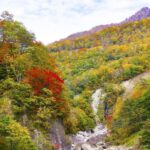
Spring and summer offer lush greenery and accessible sites. Fall colors are also stunning, whereas winter may limit access to some sites but offers a peaceful, snow-blanketed landscape.
This detailed review aims to help you decide whether the Togakushi tour fits your travel style. Its combination of natural beauty, spiritual depth, and culinary delights makes it a memorable way to experience Japan beyond the crowds.