Enjoy artistic TEMPURA Cooking Class: A Hands-On Osaka Experience
If you’re visiting Osaka and craving a true taste of Japanese culinary craftsmanship, this Tempura Cooking Class offers a delightful way to spend an afternoon or evening. Unlike passive food tours, this experience actually puts you in the kitchen, guiding you through the delicate art of tempura — a dish loved across Japan for its light, crispy batter and fresh ingredients.
It’s a small-group class, capped at just eight participants, which means plenty of personal attention and a chance to really learn the techniques behind this iconic dish.
What makes this class stand out? First, you get to prepare six different types of tempura, covering both vegetables and seafood — including a generous-sized shrimp. Second, you learn how to make Dashi, the essential Japanese soup stock that forms the backbone of countless dishes. Both skills are practical and memorable, giving you confidence to cook authentic tempura back home.
However, a potential consideration is that the class lasts around two hours, which might feel a bit quick if you’re hoping for an extensive culinary tour — but for most, it delivers good value and hands-on fun.
Ideal for curious foodies, travelers who appreciate authentic local flavors, or anyone wanting a practical skill to take home, this class offers a genuine, personable experience. If you’re after a fun, educational, and tasty activity that goes beyond just eating, this class is well worth considering.
Key Points
- Authentic Japanese Tempura: Learn to make six kinds of tempura, from vegetables to seafood.
- Hands-On Cooking: Prepare everything yourself with guidance from an experienced instructor.
- Make Dashi: Master the art of creating the classic Japanese soup stock.
- Small Group Size: Limited to eight participants for personalized attention.
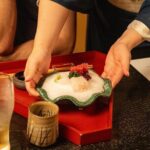
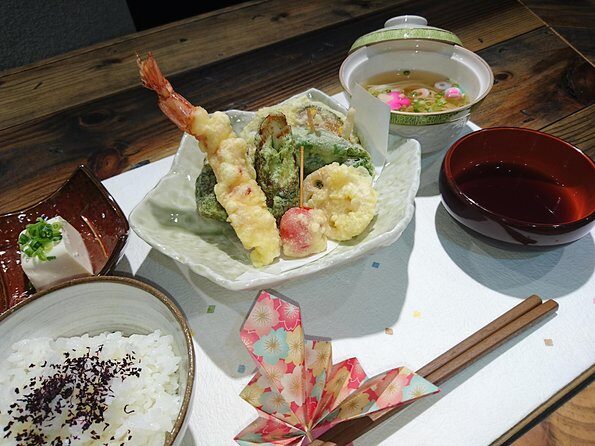
- Enjoy Your Creations: Savor your tempura, served with rice and chilled tofu.
- Flexible Scheduling: Choose either a lunch or dinner session to fit your plans.
What’s Included and How It Works
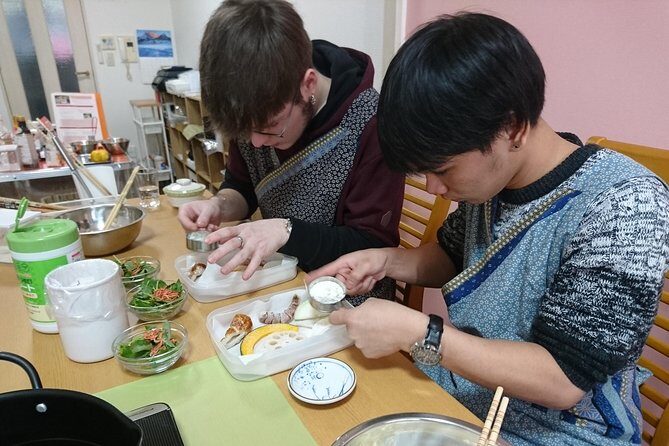
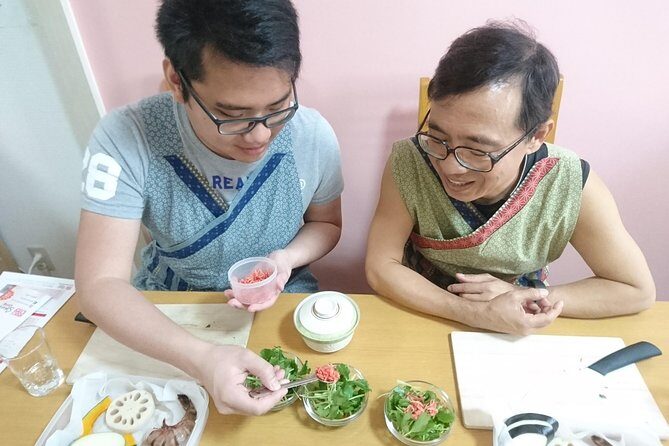
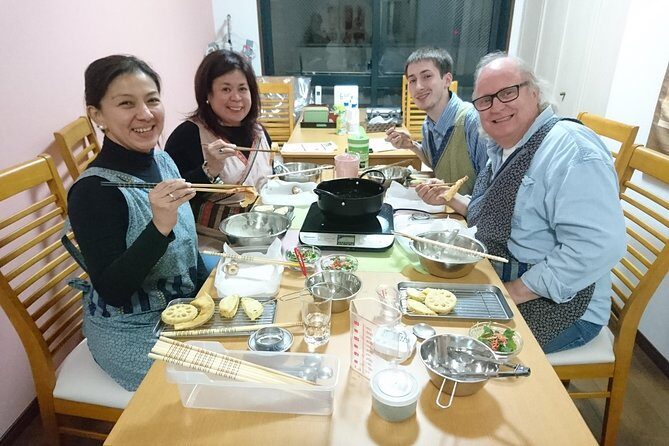
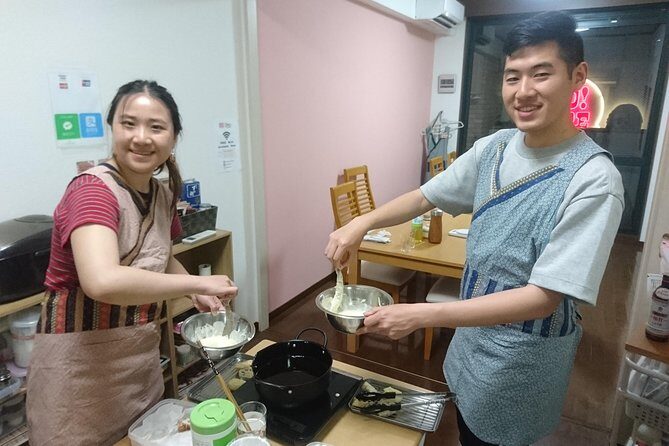
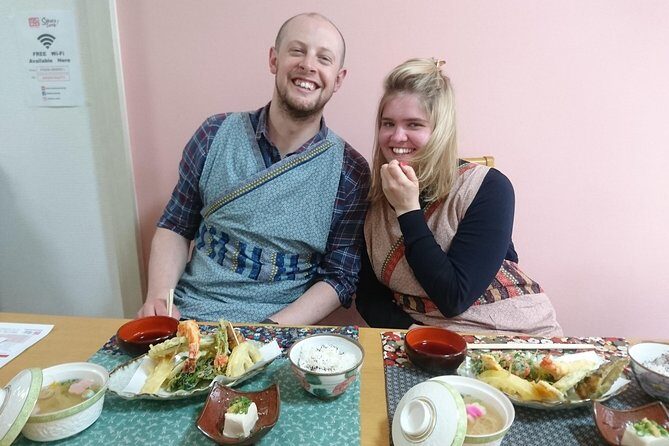
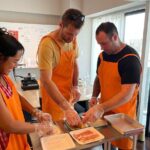
This two-hour class kicks off with a warm welcome at a central Osaka location, easily accessible near public transportation. You’ll don an apron and get ready to roll up your sleeves. The first step is making Dashi, a foundational broth made from simple ingredients that yield a savory, umami-rich stock. The instructor demonstrates step-by-step how to craft this essential Japanese staple, sharing handy tips on creating a beautiful, flavorful soup.
Once the broth is underway, the focus shifts to preparing ingredients for tempura. Each participant receives a set of kitchen knives and chopping boards, making the experience personal and manageable even for beginners. Here’s where you’ll pick vegetables like sweet potato, eggplant, or zucchini, and seafood including shrimp, for your tempura lineup. The instructor guides you on proper chopping techniques and batter preparation, which is key to achieving that signature light, crispy texture.
While in some classes, the emphasis might be solely on frying, this one balances the art of battering and frying with the importance of good ingredients and correct technique. You’ll fry your tempura in small batches to maintain quality, and the instructor shares insider tips for perfect tempura every time. Once cooked, you’ll plate your creations alongside steamed rice and chilled tofu, creating a well-rounded, satisfying meal.
You can also read our reviews of more cooking classes in Osaka

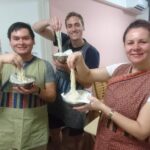
The Tempura You’ll Make
Expect to prepare four vegetable tempura types—possibly including sweet potato, zucchini, eggplant, or green beans—and two seafood tempura varieties, notably a large shrimp and another seafood item. This variety ensures you experience a broad spectrum of flavors and textures.
And don’t worry if you’re worried about keeping track of all the steps—your instructor provides recipes you can take home, so the skills you acquire aren’t lost after the class ends. It’s a practical souvenir that extends your culinary adventure beyond Osaka.
What Travelers Say
Reviewers consistently praise the instructor’s kindness and enthusiasm. One reviewer, Mozelle J, called her “the best of the best,” noting her courteous and joyful demeanor. She added, “It was an awesome experience” and confidently recommends the class, promising you’ll enjoy making tempura enough to impress friends back home.
Others appreciated the intimate setting, highlighting that “no overcrowding” meant more personalized guidance. They also valued the opportunity to eat everything they cooked, including the six types of tempura, which provided a satisfying end to the class.
Practical Details
The meeting point is conveniently located at 1-chome-17-20 Kitahorie, in the Nishi Ward of Osaka. The class is priced at around $70.79 per person, which covers all ingredients, utensils, and the meal itself. Compared to other culinary experiences, this is quite reasonable given the hands-on nature and personalized attention.
The experience is booked on average 56 days in advance, indicating good demand among travelers. It’s a mobile ticket activity, making it easy to confirm your spot without fuss.
The group size maxes out at eight, ensuring you won’t feel lost in a crowd. Cancellation is free up to 24 hours before the class, offering flexibility for your travel plans.
Who Should Consider This Experience?
This class is perfect for travelers who want more than just to eat—they want to learn. It’s ideal if you’re curious about Japanese cooking but don’t want a long, complicated course. Food lovers, especially those interested in seafood or vegetable dishes, will find it rewarding. And if you’re traveling with family or friends looking for a fun activity, this small-group class guarantees a memorable, hands-on experience.
However, if you’re seeking a more in-depth, multi-day culinary tour, this may feel a bit brief. Still, for a quick, authentic, and practical introduction to tempura, it hits the mark.
You can also read our reviews of more tours and experiences in Osaka



The Sum Up
This Osaka tempura cooking class strikes a good balance between fun, learning, and practicality. It’s a great way to connect with Japanese cuisine on a deeper level, giving you the skills to reproduce these crispy delights at home. Small group size and the friendly, expert guidance make it a comfortable environment for novices and seasoned cooks alike.
The experience offers genuine insight into two core aspects of Japanese cooking—tempura and dashi—and leaves you with a delicious meal and new culinary confidence. It’s perfect for adventurous foodies, curious travelers, or anyone looking to add a personal touch to their Osaka trip.
In the end, it’s not just a cooking class; it’s a chance to take home a piece of authentic Japan in your kitchen. For those who want to eat well and learn something new, this experience provides excellent value and authentic engagement.
Enjoy artistic TEMPURA Cooking Class
FAQ
Is this activity suitable for beginners?
Yes. The instructor guides you step-by-step through every part of the process, making it accessible even if you’ve never cooked tempura before.
What should I wear during the class?
You’ll be provided with an apron to protect your clothes, but comfortable, casual clothing is best.
How many types of tempura will I make?
You’ll prepare four vegetable tempura varieties and two types of seafood tempura, including a large shrimp.
What is included in the price?
The fee covers all ingredients, utensils, chef guidance, and the meal you cook, served with rice and chilled tofu.
Can I cancel if my plans change?
Yes, you can cancel for free up to 24 hours before your scheduled class.
Where does the class start and end?
The activity begins and ends at the same meeting point in Osaka’s Nishi Ward, near public transit.
Is it possible to choose between lunch or dinner?
Yes, you can select either a lunch or dinner session to suit your schedule.
Whether you’re a food lover eager to unlock the secrets of tempura or simply want an enjoyable, authentic activity in Osaka, this class offers a practical, fun-filled way to taste Japan’s culinary artistry firsthand.