If you’re looking for a way to see Japan beyond the usual temples and skyscrapers, the Gyoda Tabi Shoes Cultural Walking Tour offers a genuinely engaging glimpse into a lesser-known but fascinating aspect of Japanese craftsmanship. Situated about an hour from Tokyo in Saitama Prefecture, Gyoda is renowned as the biggest producer of Tabi Shoes, traditional split-toe footwear with a history that dates back centuries.
This tour brings that history to life, blending factory visits, cultural sights, and local food into a well-rounded experience.
What we love about this tour is its focus on hands-on culture — you actually get to choose your own Tabi Socks and walk around the warehouse districts with knowledgeable guides. Plus, the inclusion of local food tastings and visits to historic landmarks makes it more than just a footwear factory tour; it’s a glimpse into Gyoda’s living traditions.
The only downside? If you’re not particularly interested in footwear, the factory visits might feel a bit niche, but even then, the cultural insights are worth it.
This tour suits curious travelers, those interested in manufacturing, or anyone eager to explore authentic, less commercialized Japan.
- Key Points
- Exploring Gyoda: A Closer Look at the Itinerary
- Starting at Kanko Bussankan Buratto Gyoda
- Tasting Local Flavors at Chujirou Warehouse
- Visiting Jumangokufukusaya Gyoda Honten
- Shrine Visit and Hanachozu Viewing at Gyodahachiman Shrine
- Factory Tour at Isami Corporation School Factory
- In-Depth Tabi Shoes Production Tour
- What Travelers Say
- The Practical Side: Price, Duration, and What to Expect
- What’s Included and What’s Not
- Authentic Experiences and Cultural Insights
- Who Will Love This Tour?
- More Walking Tours in Saitama Prefecture
- More Tours in Saitama Prefecture
- More Tour Reviews in Saitama Prefecture
Key Points
 1 / 4
1 / 4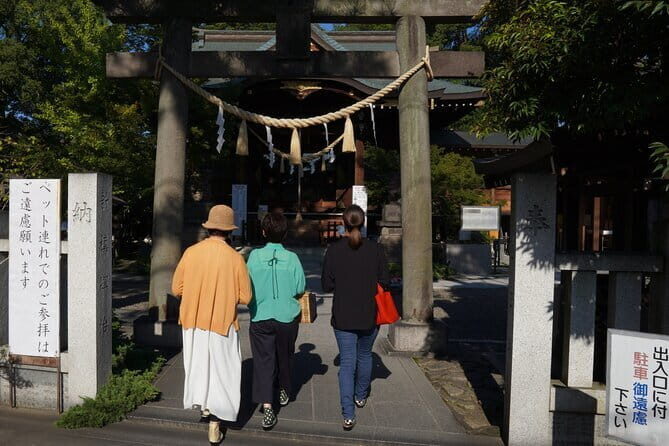 2 / 4
2 / 4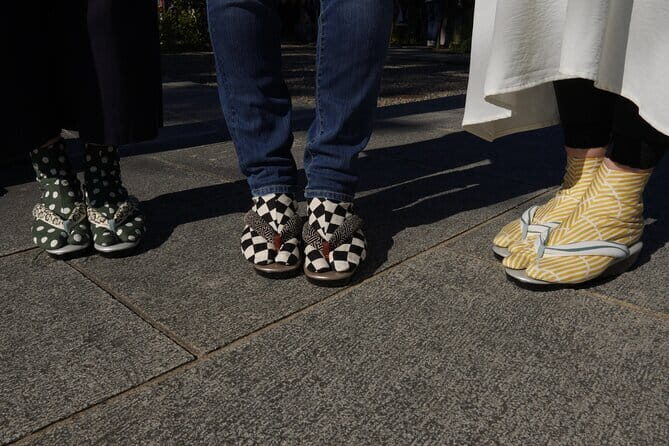 3 / 4
3 / 4 4 / 4
4 / 4- Authentic cultural experience blending traditional footwear, local food, and historical sites
- Small group size (max 15) for a personalized and engaging visit
- Includes hands-on parts like choosing socks and walking through factories
- Insightful guides who share local stories and manufacturing techniques
- Affordable price point considering factory visits, food tastings, and cultural sights
- Accessible for most travelers with nearly all activities free of charge
Exploring Gyoda: A Closer Look at the Itinerary
You can also read our reviews of more walking tours in Saitama Prefecture

Starting at Kanko Bussankan Buratto Gyoda
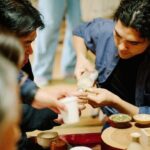
This first stop offers a practical and fun start — choosing your Gyoda Tabi Socks. You’ll get to see the variety of socks that make this footwear famous, and it’s a chance to get a feel for the textile side of the tradition. Plus, the shop provides free sightseeing maps and souvenirs, giving you a taste of Gyoda’s charm right away. It’s a relaxed introduction and a nice way to kick off the tour, especially if you’re a fan of Japan’s textile arts.
Tasting Local Flavors at Chujirou Warehouse
Next, you’ll sample Jelly Fries, a local snack that’s often considered a must-try in Gyoda. The Chujirou warehouse itself is a designated Japan Heritage site, which adds a layer of historical significance to your snack break. It’s not just about the food — the building’s architecture and its cultural importance provide context for Gyoda’s storied past.
Visiting Jumangokufukusaya Gyoda Honten
A quick visit to this historic storehouse from 1836 is a highlight. It’s a tangible link to Japan’s past, and the chance to sample Manju, traditional Japanese buns, offers a tasty appetizer for your cultural journey. The building’s status as a national tangible cultural property means you’re walking through history, with the added bonus of local sweets.
Shrine Visit and Hanachozu Viewing at Gyodahachiman Shrine
This stop offers a peaceful moment to reflect at Hachiman Shrine, renowned for blessings related to health and cancer. Visitors can explore the shrine at their own pace and enjoy the beautiful hanachozu (flower viewing). The shrine’s reputation for blessings makes it a meaningful stop, especially for those interested in Japan’s spiritual landscape.




Factory Tour at Isami Corporation School Factory
Here’s where the tour truly gets hands-on. Built in 1917, this factory is Gyoda’s largest Tabi Shoes producer, recognized as a Component Cultural Property. While the tour focuses on the exterior of the building, it sets the stage for the detailed factory visit that follows. It offers a glimpse into early 20th-century industrial architecture, and the fact that it’s still in operation speaks to Gyoda’s enduring footwear tradition.
In-Depth Tabi Shoes Production Tour
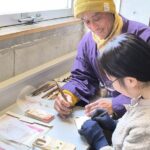
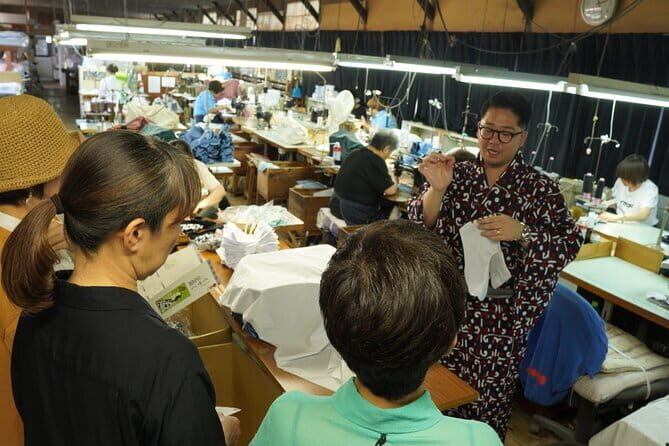
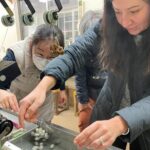
The highlight of the tour involves a 45-minute guided walkthrough of the Tabi Shoes manufacturing process. You’ll see special sewing machines and learn about the unique techniques used to craft these iconic shoes. The guides, although not licensed professionals, are knowledgeable and passionate, sharing insights into the Japanese craftsmanship that keeps this tradition alive.
What Travelers Say
Many reviews emphasize the quality of guides and the fascinating process of shoe-making. One reviewer mentioned, “The highlight of the tour was going to the Tabi factory and watching the craftsman work,” highlighting the appeal of witnessing skilled artisans at work. Others appreciated the mix of history, local food, and manufacturing, calling it a “very informative tour with a great mix.”
The Practical Side: Price, Duration, and What to Expect
This tour costs $49.41 per person for roughly three hours of immersive cultural experiences. Considering that it includes factory visits, food tastings, and entrance to historic sites, it offers good value — especially if you’re interested in authentic Japanese manufacturing and local traditions. The tour is designed for small groups (up to 15), which makes for a friendly, personalized atmosphere that encourages questions and interaction.
The timing begins at 1:00 pm from the meeting point in Gyoda, making it easy to combine with other activities or travel plans. It’s wheelchair accessible and suitable for most travelers, with almost all activities being free of additional charges.
What’s Included and What’s Not
The tour includes Japanese socks with split toes (Tabi), Zori sandals, and snacks like jelly fries and Jumangoku manju. The guides are not licensed, but reviews suggest they are friendly and knowledgeable. No tips are included, so if you enjoy the experience, a small gratuity is customary. The meeting point is convenient, close to public transportation, making it easy to access without a car.
Authentic Experiences and Cultural Insights
What really makes this tour shine is the ability to see and touch the elements of Japanese footwear tradition. You’ll learn about the craftsmanship and techniques involved in Tabi production, which many travelers might otherwise never witness. Watching the craftsmen at work in the factory, with their vintage sewing machines, is a rare opportunity to see a living craft.
The presence of historic buildings and local shrines adds depth to the experience, providing a well-rounded picture of Gyoda as a place where culture, industry, and spirituality intertwine. The local food tastings give an authentic taste of Gyoda life, transforming the tour from a simple factory visit into a delightful sensory experience.
Gyoda Tabi Shoes Cultural Walking Tour
Who Will Love This Tour?
This experience is perfect for history buffs, craft enthusiasts, or culture seekers who want a genuine taste of Japan’s traditional industries. If you have an interest in Japanese textiles, local foods, or small-town charms, you’ll find plenty to enjoy. It’s also suitable for families or groups who appreciate a relaxed pace and interactive elements.
Conversely, if you’re looking for a fast-paced sightseeing adventure or a tour centered on grand temples and natural landscapes, this might feel a bit niche. But for those curious about craftsmanship and cultural preservation, this is a rewarding journey.
The Gyoda Tabi Shoes Cultural Walking Tour offers a refreshing look at a lesser-known aspect of Japan. It balances hands-on factory visits with cultural landmarks and local cuisine, providing a well-structured, authentic experience for curious travelers. The small group size and insightful guides make it an intimate journey that’s both educational and enjoyable.
Considering the price, it’s a solid value for those eager to see real Japanese craftsmanship in action. It’s especially suited for those with an interest in traditional footwear, local food, or industrial history, as well as anyone wanting a break from the typical tourist spots. This tour proves that some of Japan’s most meaningful stories are told not through grand monuments but through the skilled hands of artisans preserving age-old techniques.
Is this tour suitable for children?
Most travelers can participate, and the experience is family-friendly, especially if your kids enjoy crafts and local stories.
How long does the tour last?
It runs for approximately three hours starting at 1:00 pm, including multiple stops and activities.
Are the factory guides licensed professionals?
No, the guides are not licensed or certified, but reviews indicate they are knowledgeable and friendly.
What should I wear for the tour?
Comfortable shoes are recommended, especially since you will be walking around warehouses and historic sites.
Are meals included?
Snacks like jelly fries and Jumangoku manju are included, but no full meals are provided.
Can I see the factory in operation?
You will visit the factory and see the exterior of the building, with a detailed walkthrough of the production process.
Is there free time to explore Gyoda on my own?
Yes, the initial stop provides free sightseeing maps and some free time for exploring the area.
What is the price of the tour?
It costs about $49.41 per person, offering a comprehensive cultural experience for that price.
How do I book?
You can reserve through various platforms, with free cancellation available up to 24 hours before the tour starts.
To sum it up, the Gyoda Tabi Shoes Cultural Walking Tour offers a unique, culturally rich, and hands-on experience that showcases a cherished Japanese craft, complemented by local history and food. It’s a worthwhile choice for anyone looking to see a different side of Japan—less touristy, more authentic, and wonderfully educational.