If you’re planning a trip to Seoul and want a well-rounded, immersive experience that combines history, culture, and modern vibrancy, this 2-day guided tour is an excellent choice. Promising a mix of iconic landmarks and off-the-beaten-path sights, it offers a comprehensive look at both the divided Koreas at the DMZ and the lively streets and historic sites of Seoul.
With a 5-star rating from nearly 30 reviews, this tour has become a favorite among travelers who want more than just the surface.
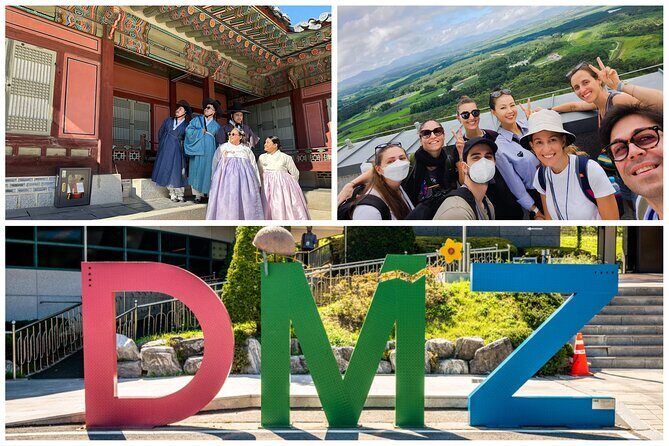
What we love most about this experience is how it balances fascinating historical insights—especially at the DMZ—with the chance to stroll through bustling markets and serene temples in Seoul. The guides, praised for their knowledge, really bring the stories to life. And at just $110 per person, the value for a two-day deep dive into Korea’s culture and history is hard to beat.
A possible consideration is the busy schedule—some stops may feel rushed, and there’s a lot packed into each day. If you prefer a more relaxed pace or want to linger longer at each site, this might feel a bit fast. But for travelers eager to see key highlights without breaking the bank or losing sight of the big picture, this tour hits the sweet spot.
This experience is ideal for first-timers wanting a thorough introduction to Seoul and the DMZ, history buffs, or anyone interested in understanding the complex story of Korea through its landmarks and people.
- Key Points
- Exploring the First Day: A Journey into the DMZ
- Imjingak Pyeonghoa-Nuri Park: A Place of Reflection
- The Bridge of Freedom: Walking Through History
- The Third Infiltration Tunnel: A Subterranean Adventure
- DMZ Theater and Dorasan Observatory: Watching and Looking Ahead
- The Second Day: Seoul’s Historic and Cultural Heart
- Jogyesa Temple: Serenity in the City
- Gyeongbokgung Palace: A Royal Encounter
- The National Folk Museum of Korea: A Window into Daily Life
- Insadong Arts and Crafts Market: A Cultural Treasure Hunt
- Namdaemun Market: A Shopper’s Paradise
- Ginseng Museum: A Touch of Korea’s Herbal Heritage
- Practical Insights: What to Expect
- Who Would Love This Tour?
- The Sum Up
- FAQ
- More Guided Tours in Seoul
- More Tours in Seoul
- More Tour Reviews in Seoul
Key Points
 1 / 6
1 / 6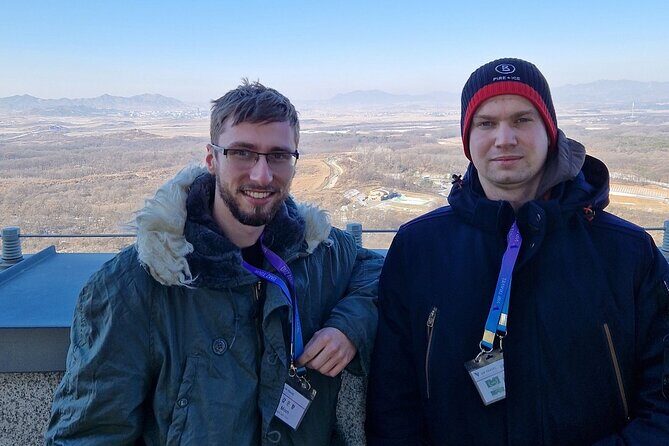 2 / 6
2 / 6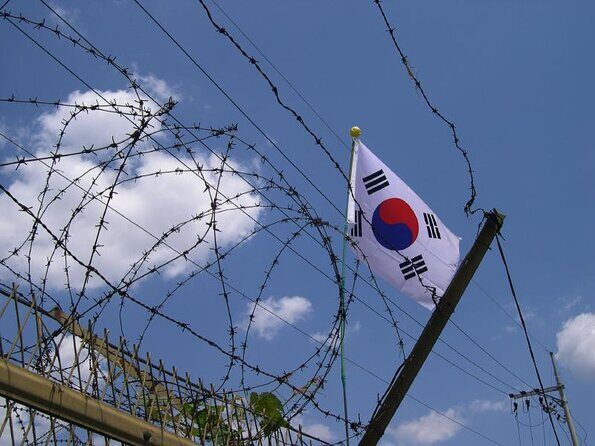 3 / 6
3 / 6 4 / 6
4 / 6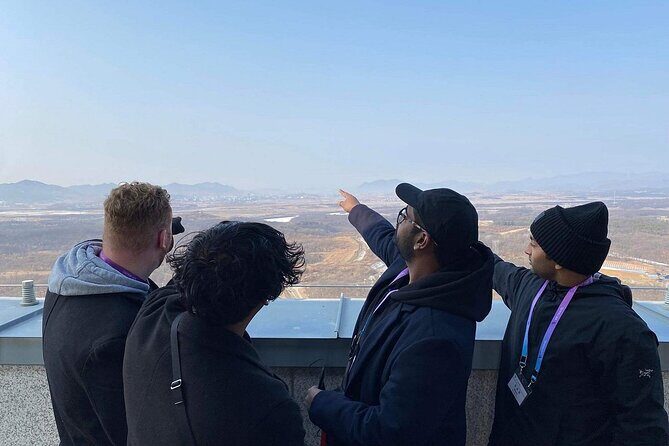 5 / 6
5 / 6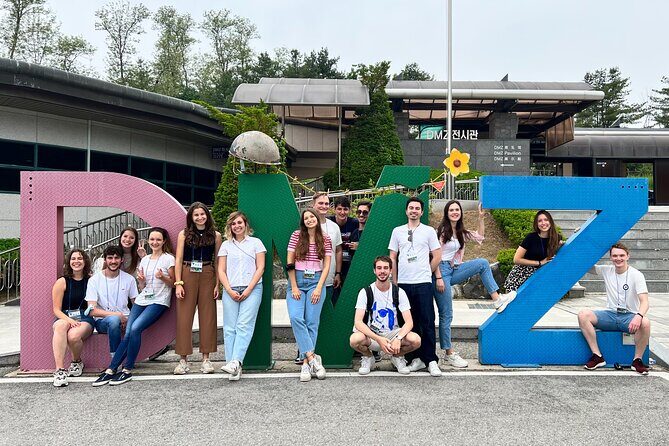 6 / 6
6 / 6- Authentic insights from knowledgeable guides make history come alive.
- Stunning views from Dorasan Observatory and the DMZ offer a rare glimpse into North Korea.
- Value for money with all entrance fees and transportation included at an affordable price.
- Diverse sights from temples and palaces to markets and military tunnels provide a well-rounded experience.
- Comfortable transportation in air-conditioned vehicles ensures a pleasant journey.
- Fast-paced itinerary suits those eager to maximize sightseeing but may feel rushed for some.
Exploring the First Day: A Journey into the DMZ
You can also read our reviews of more guided tours in Seoul
Imjingak Pyeonghoa-Nuri Park: A Place of Reflection
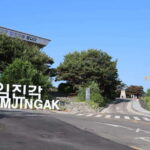
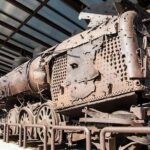
Your first stop, Imjingak Park, feels almost sacred. Built to console refugees from the Korean War, this park is a living reminder of Korea’s division. The Iron Horse train inside the park symbolizes hopes of reunification, even though it stands silent now. The Mangbaedan altar, where refugees bow to ancestors facing the North, is a poignant sight. We loved the way the park combines tradition and spirituality—a space that respects history while contemplating peace.
The Unification Pond, shaped like the Korean peninsula, makes for great photo opportunities, especially with the backdrop of the surrounding mountains. The Peace Bell offers a quiet moment to reflect, ringing softly as a call for hope.
The Bridge of Freedom: Walking Through History
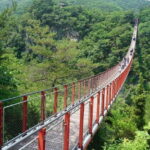
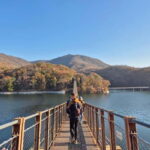
Next, you’ll visit the Bridge of Freedom, which carried South Koreans home from the North during the war. Walking across it is a powerful experience—each step echoing the stories of those who returned after years apart. The natural surroundings make it a peaceful place for photos and contemplation. It’s a space that captures the emotional weight of Korea’s divided past.
The Third Infiltration Tunnel: A Subterranean Adventure
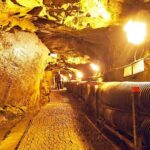
A highlight for many is the 3rd Infiltration Tunnel—discovered in 1978, it was built by North Korea to invade the South. At 1,635 meters long, walking through this tunnel feels like stepping into a spy movie. The narrow, low-ceilinged passageway offers an immersive experience into Cold War tensions. If you’re comfortable in enclosed spaces, you’ll appreciate the chance to see this secretive part of history firsthand. For some, waiting outside might be the better choice if claustrophobia is a concern.
DMZ Theater and Dorasan Observatory: Watching and Looking Ahead
The DMZ Theater shows a short film that provides an easy-to-understand overview of the conflict—perfect after walking through the tunnel, as it adds context. Then, at Dorasan Observatory, the views are nothing short of extraordinary. Using high-powered binoculars, you can see North Korea’s Propaganda Village and even as far as Gaesong. On clear days, you might spot the Kim Il-sung statue, a surreal sight that reminds us of the ongoing political stories behind this border.
You can also read our reviews of more city tours in Seoul


The Second Day: Seoul’s Historic and Cultural Heart
Jogyesa Temple: Serenity in the City
Starting your day at Jogyesa Temple offers a peaceful contrast to the previous day’s intense history. The vibrant colors of the temple’s decorations and the tall, ancient white pine tree create a tranquil atmosphere. Passing through the Iljumun gate, which symbolizes the separation between the mundane world and spiritual enlightenment, you’re treated to golden Buddha statues and a sense of calm. Reviewers note that the guide’s explanation adds depth to the experience, making it more than just sightseeing.
Gyeongbokgung Palace: A Royal Encounter
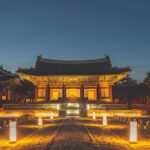
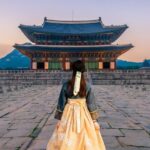
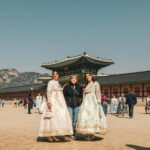
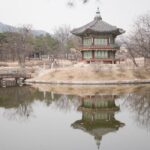
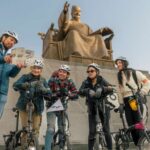
No trip to Seoul is complete without visiting Gyeongbokgung Palace. Built in 1395, it was the main seat of the Joseon Dynasty and has endured wars, destruction, and restoration. The expansive grounds, with 7,700 rooms, offer a glimpse into Korea’s royal past. While we can’t step into every room, wandering through the reconstructed halls and courtyards sparks imagination. The changing of the guard ceremony is a colorful highlight, often praised by visitors.
The National Folk Museum of Korea: A Window into Daily Life
Inside the palace complex, the National Folk Museum showcases artifacts from daily life during the Joseon era. With around 45,000 items, including 14 National Treasures, it’s a treasure trove for history lovers. The exhibits help you understand what it was like to be a king or commoner, bridging the gap between past and present.
Insadong Arts and Crafts Market: A Cultural Treasure Hunt
Wander down Insadong’s lively street, lined with stalls selling hand-crafted ceramics, traditional art, and souvenirs. It’s a vibrant, friendly area where you’ll find local artisans and friendly shopkeepers eager to share their crafts. The quirky, poo-themed café adds a touch of humor to the experience. Many review how enjoying the street’s atmosphere and tasting treats like matcha waffles make shopping here memorable.
Namdaemun Market: A Shopper’s Paradise
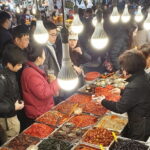
Ending the day at Namdaemun Market, the largest and most historic market in Seoul, feels like stepping into a bustling movie set. The market’s lively atmosphere is perfect for browsing traditional Korean crafts, clothing, and souvenirs. It’s a great place to soak up local flavors and pick up last-minute gifts. Reviewers mention the vibrant environment and friendly vendors as highlights.
Ginseng Museum: A Touch of Korea’s Herbal Heritage
The tour wraps up with a visit to the Ginseng Museum, where you can learn about Korea’s famous herbal remedy. While the visit is brief and free, it offers insight into traditional health practices and Korea’s natural remedies.
Practical Insights: What to Expect
This tour, priced at $110, offers excellent value considering the comprehensive itinerary, all entrance fees, and transportation included. The guides are highly praised for their knowledge and ability to make complex history understandable. The air-conditioned vehicle makes long drives comfortable, especially in warmer months.
Most stops are around 20 to 40 minutes, with some longer periods at major sites like Gyeongbokgung and Insadong—enough to explore without feeling overwhelmed. The tour starts at 9:00 AM and ends back at the meeting point, making it a full, busy two days. While some travelers mentioned that the schedule can be a bit tight, many appreciated the opportunity to see so many sights in a short time.
Lunch is not included, but guides usually recommend good restaurants, which is helpful for those unfamiliar with Seoul’s food scene. The tour operates with a maximum group size of 100, ensuring it’s lively but still manageable.
Who Would Love This Tour?
If you’re interested in history, culture, and politics, this tour provides a well-balanced perspective. It’s especially suited for first-time visitors who want an overview without missing key sites. The combination of educational stops, scenic views, and cultural experiences makes it ideal for curious travelers eager to understand Korea’s complex story.
It’s also great for those who appreciate authentic experiences—walking in the footsteps of refugees, seeing the North Korean border, or shopping in traditional markets.
This tour is less suitable if you prefer a very relaxed pace, longer exploration, or traveling with very young children, given the busy schedule and some physically demanding stops like the tunnel.
The Sum Up
This 2-day guided tour from Seoul delivers impressive value for anyone wanting a comprehensive introduction to Korea’s past and present. From the tense quiet of the DMZ to the vibrant markets and historic palaces, it offers a well-rounded glimpse into what makes Korea unique.
The knowledgeable guides, stunning views, and authentic experiences help you connect with the country on a deeper level. You’ll leave with new insights, memorable photos, and a sense of the ongoing story of a nation divided but hopeful.
Suitable for first-timers, history enthusiasts, and culturally curious travelers, this tour offers a practical, engaging way to see Seoul and its border with North Korea in just two days.
Best 2 Days Guided DMZ and Seoul City Tours from Seoul
FAQ
Is pick-up included in the tour?
Yes, the tour offers pickup from designated meeting points, making logistics easier.
How long is the tour each day?
Each day is approximately a full day, with stops lasting 20-40 minutes and some longer at major sites.
Are entrance fees included?
Yes, all admission tickets for sites like Imjingak Park, the Third Tunnel, and Gyeongbokgung Palace are included.
What should I bring?
Comfortable walking shoes, a hat, sunglasses, and a camera. Lunch is not included, so plan accordingly.
Is the tour suitable for children?
Most travelers can participate, but some stops, like the tunnel, may be less enjoyable for very young children or those sensitive to enclosed spaces.
What language is the tour guide?
Most guides speak English, providing detailed commentary and answering questions during the stops.
How large are the groups?
The maximum group size is 100, which helps keep the atmosphere lively yet manageable.
Can I customize the tour?
This tour is fixed in its itinerary, but guides can recommend restaurants and additional sights.
Is transportation comfortable?
Yes, the tour uses air-conditioned vehicles, ensuring a pleasant ride between sites.
What’s the best time to take this tour?
The tour runs year-round; check local weather conditions for the best experience, especially for clear views from Dorasan.
This tour offers a thoughtful, balanced approach to exploring Korea’s divided peninsula and vibrant capital. Whether you’re a history buff or someone eager to see the city’s highlights, it’s a solid choice for making the most of your Seoul visit.