If you’re curious about Korea’s divided history, this 365-day DMZ special tour offers an in-depth look at the border that separates North and South Korea. Designed for travelers with a sense of adventure and an interest in history, this tour promises a comprehensive experience filled with iconic sights, thought-provoking sites, and stunning views—all within a comfortable, well-organized package.
Two things we particularly love about this experience are its expert guides who bring history alive with detailed explanations, and the variety of sites visited, from tunnels to observatories, which give a well-rounded perspective of the ongoing division.
One potential consideration? The physically demanding aspects of some stops, like the uphill walk to Gamaksan Heroes Bridge, may not suit everyone, especially those with mobility issues or medical concerns.
This tour is best suited for history buffs, curious travelers, or anyone eager to understand the complexities of Korea’s separation. It balances education with scenery, making it a meaningful experience whether you’re visiting Seoul for a few days or craving a deeper understanding of Korea’s history.
- Key Points
- The Convenience of Organized Transportation and Pickup
- Why the Guided Approach Matters
- The Sites That Make the Tour Special
- Imjingak Pyeonghoa-Nuri Park
- The Third Tunnel
- The Heroes Suspension Bridge and Gamaksan Mountain
- Dorasan Observatory & Unification Village
- The Military and Cultural Memorials
- Final Stop: Seoul City Hall
- The Balance of Education and Experience
- The Practicalities: Price, Duration, and Value
- More Tours in Seoul
- More Tour Reviews in Seoul
Key Points


- Expert Guides: Knowledgeable guides provide detailed context, making history accessible and engaging.
- Comprehensive Itinerary: Visits include iconic sites like the Third Tunnel, Dorasan Observatory, and Imjingak Park.
- Stunning Views: Peering across North Korea at key points like Dorasan Observatory is an unforgettable highlight.
- Physical Activity: Some sites, like the Heroes Bridge and hiking portions, require moderate fitness.
- Flexible Tour Options: Different stops depending on whether it’s a Monday, holiday, or weekday.
- Value for Money: At just $59, the tour offers a full day of meaningful sights, expert guidance, and transport—all in one.
Let’s unpack what makes this tour stand out—and what you can expect during your day exploring Korea’s most sensitive border.
The Convenience of Organized Transportation and Pickup
Starting your day at Seoul City Hall, the tour includes pickup from three designated subway stations. This is a real plus, saving you from the logistical hassle of arranging transport to the DMZ area. The tour departs early, around 6:00 to 7:00 am, ensuring you maximize your time and experience the sites before afternoon crowds. The mobile ticket makes check-in straightforward, and the entire trip lasts around 7 to 8 hours, making it a full, enriching day.
You can also read our reviews of more tours and experiences in Seoul.

Why the Guided Approach Matters
One of the biggest advantages we see in this setup is the professional, English-speaking guide. Reviews often highlight how guides like Sookie, Chloe, and Veronica bring clarity and depth to what might otherwise be just a series of photo ops. They provide essential background, explain the significance of each site, and answer questions that might pop up during the day.
For instance, at Imjingak Pyeonghoa-Nuri Park, you’ll see monuments and relics like old steam locomotives, which help illustrate the devastation of the war and hopes for reconciliation. The guide’s insights turn a simple visit into a meaningful learning experience.
The Sites That Make the Tour Special
Imjingak Pyeonghoa-Nuri Park
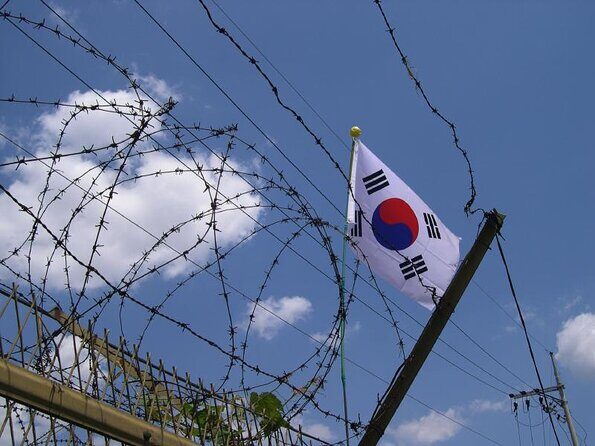
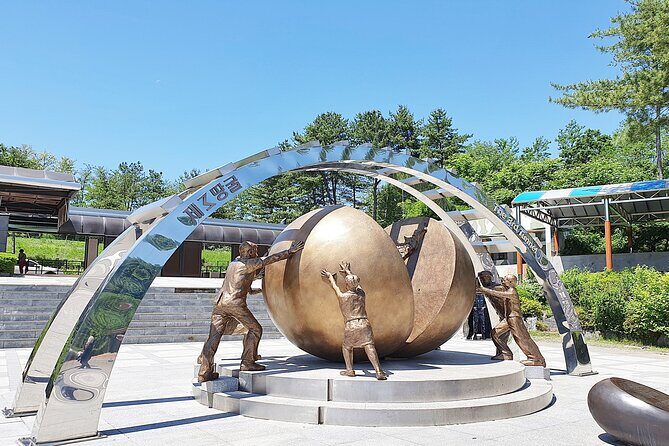
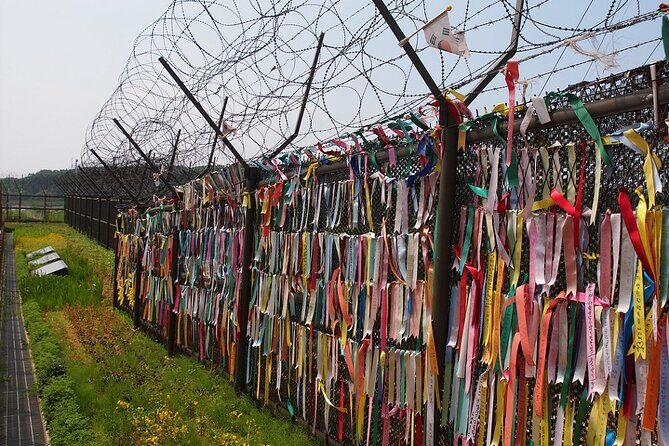
This site is a must-visit, offering a mix of remembrance and hope. The Freedom Bridge, built on the original site where war prisoners were exchanged, symbolizes the longing for reunification. The Peace Bell and the Monument of Soldiers evoke reflection, and the old steam locomotive reminds us of the conflict’s toll.
The Third Tunnel
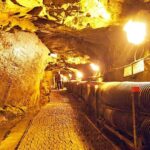
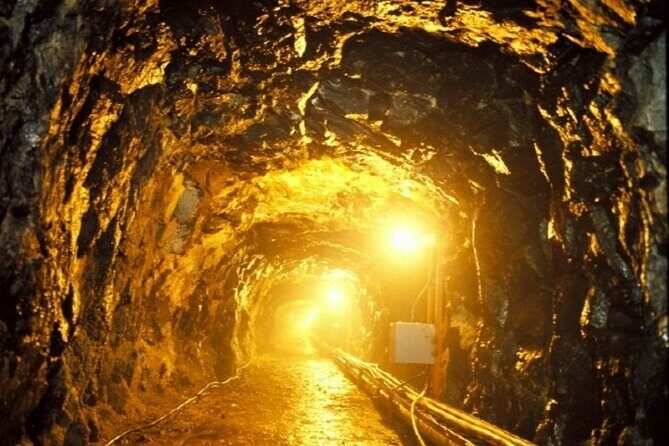
Discovered in 1978, the Third Tunnel is perhaps the most dramatic site on the list. Carved into the earth, it was thought to be a secret invasion route—capable of moving an entire division per hour. Walking through this 1,635-meter-long tunnel, you’ll feel the claustrophobic scale and gravity of the threat. The discovery of the tunnel also underscores how provocative North Korea’s military posture has been.
While visiting, expect to spend about 30 minutes exploring, including the walk down into the tunnel. It’s a place that leaves a lasting impression on many travelers, who often comment on the “fascinating” and “eye-opening” nature of the experience.
The Heroes Suspension Bridge and Gamaksan Mountain
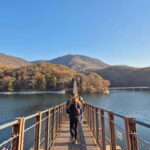
On Mondays and holidays, if the 3rd Tunnel is closed, the tour replaces this with a short hike to Gamaksan Heroes Bridge. The 220-meter suspension bridge offers panoramic views of the Silmari Valley and the surrounding mountains. The hike involves a 15-minute uphill walk, so it’s best suited for those with moderate fitness. Many reviews praise this stop for its breathtaking scenery, describing it as a “highlight” for its beautiful vistas and the thrill of crossing the bridge.
Dorasan Observatory & Unification Village
Next, the Dorasan Observatory offers a sweeping view across the border into North Korea. Using telescopes, you might catch a glimpse of the Gaeseong Industrial Complex or even the mountain ranges in the North. This site symbolizes hope for reunification—a sentiment echoed in reviews that describe it as a “powerful” and “moving” location.
The Unification Village with the Imjin River gondola adds a peaceful, hopeful tone. The gondola ride crosses the Imjin River, which many see as a symbol of the division’s sorrow and potential for unity. The observatories at the top provide a panoramic vista that can include the Imjin River, Freedom Bridge, and the surrounding farmlands.
The Military and Cultural Memorials
Other stops include the Seolmari Battle Memorial Park, honoring British soldiers who fought during the Korean War. Visitors often express appreciation for the respectful tribute and the story of the “Glorious Gloucester,” which highlights the sacrifices made far from home.
Final Stop: Seoul City Hall
The day ends in Seoul, with a drop-off at City Hall Station, unless circumstances like heavy crowds or large events shift the endpoint. The ease of returning to central Seoul makes this tour accessible for travelers planning afternoon sightseeing or rest.
The Balance of Education and Experience
From the short films and exhibits at Dorasan, which present Korea’s side of the story, to the outdoor sites with stunning views, this tour combines visual, physical, and emotional elements. Many travelers, including those who’ve reviewed, find that the sites’ significance resonates deeply.
As one reviewer put it, “You’ll learn about a subject the western world seems to have almost forgotten,” which highlights how impactful this experience can be.
365-day DMZ Special Tour including Monday & National Holiday
The Practicalities: Price, Duration, and Value
At just $59 per person, this tour provides remarkable value considering the full day of guided visits, transport, and entry fees (mostly free, with a few exceptions). The small group size (maximum of 40 travelers) ensures a more personalized experience, avoiding the chaos of large tours.
While the tour does not include lunch, many reviewers recommend bringing snacks, especially if you’re on a Monday when options might be limited. The tour’s timing allows for an immersive experience without rushing, and the physically demanding stops are balanced by more relaxed ones like the observatories.
This full-day DMZ experience is ideal for those with a moderate level of fitness, a curiosity about Korean history, or an interest in geopolitics. It offers a balanced mix of outdoor exploration, historical education, and cultural insight, all guided by professionals who can clarify complex topics.
Travelers who prefer a structured, informative day out rather than navigating on their own will find this tour particularly valuable. It’s also a great choice for first-time visitors wanting a comprehensive introduction to one of Asia’s most fascinating and sensitive regions.
This tour’s strength lies in its expert guides, thoughtfully curated itinerary, and the emotional weight of visiting such historically significant sites. The combination of outdoor vistas, memorials, and interactive exhibits makes it a well-rounded experience, whether you’re a history buff, a curious traveler, or someone seeking a meaningful connection to Korea’s divided yet hopeful story.
If you’re willing to wake up early and handle some walking, this experience offers a compelling glimpse into Korea’s past and future—all for a surprisingly reasonable price.
Is a passport required for this tour?
Yes, a valid original passport is needed since border crossing and security checks are involved. Copies are not accepted, so plan ahead.
What should I bring on the tour?
Comfortable walking shoes are essential, especially if visiting sites like Gamaksan Mountain or the Heroes Bridge. Also, bring snacks and water, as food options are limited during certain stops, particularly on Mondays and holidays.
How physically demanding is the tour?
Some sites, like the Heroes Suspension Bridge and the hike to Gamaksan Mountain, require moderate fitness. The walk to the bridge is about 15 minutes uphill. Not suitable for those with serious health issues, pregnant women, or mobility restrictions.
What are the departure times?
The tour departs between 6:00-7:50 am, depending on the season and day, ensuring ample exploration time. End time is around 3:30 pm in Seoul.
Can I cancel or reschedule?
Yes, you can cancel free of charge up to 24 hours in advance. Weather or security restrictions might cause changes or cancellations, but full refunds are available if that occurs.
Are the stops different on Mondays and holidays?
Yes, on Mondays and national holidays, the itinerary emphasizes different sites, including the Gloster Hill Memorial Park and Heroes Suspension Bridge, due to the closure of the Third Tunnel.
Is this tour suitable for families?
Generally, yes, but consider the physical demands of some sites and the length of the day. It’s best for children with moderate fitness levels and an interest in history.
What about the group size?
The tour operates with up to 40 travelers, providing a balance of social atmosphere and personal attention from guides.
For travelers eager to see beyond Seoul’s bustling streets, this full-day DMZ tour offers an extraordinary window into Korea’s divided yet hopeful story. The combination of historical sites, stunning vistas, and expert guidance makes it a worthwhile experience for those who want a deeper understanding of Korea’s past and future. While some stops require a bit of walking and physical effort, many reviewers agree that the emotional and educational payoff is well worth it.
If you’re looking for value, authenticity, and a meaningful way to explore one of Asia’s most sensitive borders, this tour will not disappoint. It’s perfect for history lovers, geopolitics enthusiasts, or anyone simply curious about Korea’s ongoing story of division and reunification.