- Introduction
- Key Points
- An Authentic Himalayan Adventure
- The Itinerary: Step-by-Step Breakdown
- The Logistics and Services: What’s Included
- The Guides and Group Experience
- Challenges and Considerations
- Who is This Trek Best For?
- The Sum Up
- FAQ
- More Hiking & Trekking Tours in Pokhara
- More Tour Reviews in Pokhara
Introduction
 1 / 9
 2 / 9
 3 / 9
 4 / 9
 5 / 9
 6 / 9
 7 / 9
 8 / 9
 9 / 9
Our review of the 8-Day Kathmandu Annapurna Circuit Trek via Thorongla Pass offers a detailed look at one of Nepal’s most celebrated trekking adventures. Designed for those craving alpine grandeur and cultural authenticity, this trek combines breathtaking mountain views with the charm of local villages. It’s an opportunity to challenge yourself physically while soaking in the serenity of the Himalayas.
What we appreciate most about this journey is how it balances adventure with comfort — including logistics like transportation and well-organized permits — and how it offers insider insights from knowledgeable guides. On the flip side, the long days and high-altitude crossings require good preparation, so it’s best suited for active travelers with some trekking experience. If you’re eager to test your limits, explore Nepal’s diverse landscapes, and encounter genuine mountain village life, this trek is a compelling choice.
You can check availability for your dates here:Key Points
- Stunning mountain vistas and varied landscapes keep the trek visually engaging.
- The Thorong La Pass at 5,416m is a thrilling highlight, rewarding those who reach it.
- The trip offers a blend of challenging terrain and cultural interactions in local villages.
- The itinerary includes smooth logistics, including transportation, permits, and accommodations.
- Guides are professional, friendly, and knowledgeable, adding value to the experience.
- The price of $309 offers solid value considering all included services and logistics.
You can also read our reviews of more hiking tours in Pokhara
An Authentic Himalayan Adventure
The 8-Day Kathmandu Annapurna Circuit Trek is more than just a walk through beautiful mountains; it’s a chance to glimpse the daily lives of those living in some of Nepal’s most remote villages. For travelers eager to combine spectacular scenery, local culture, and a physical challenge, this trek hits the mark.
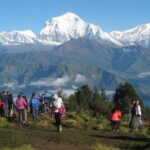
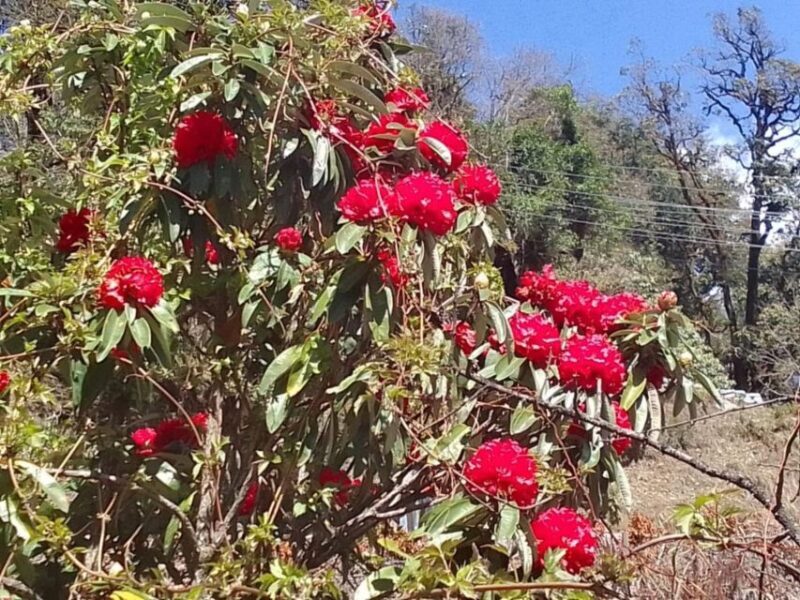
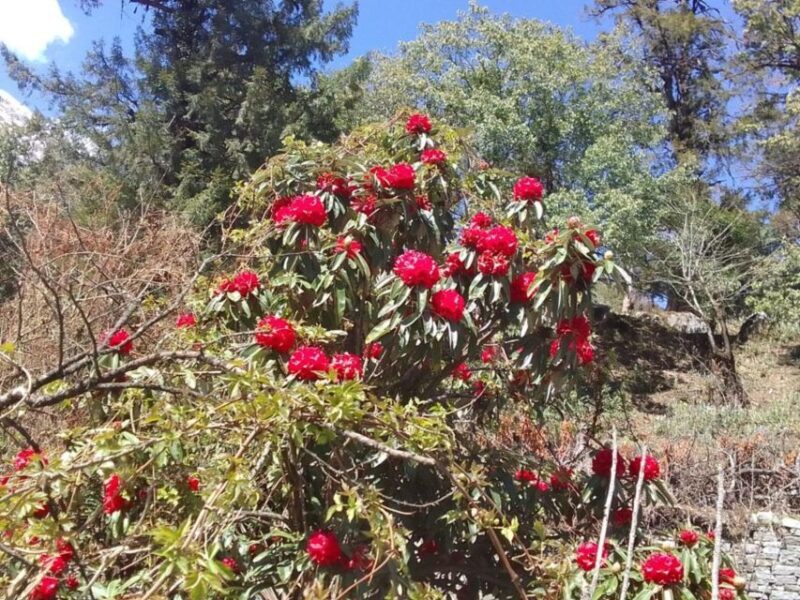
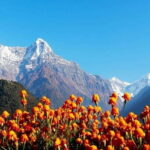
One of the most compelling aspects is the route’s diversity. From the lush forests around Dharapani to the arid landscapes near Muktinath, the scenery constantly shifts, providing plenty of photo opportunities and sensory delights. The trek also serves as a reminder of Nepal’s resilience and warmth, as villagers often greet trekkers with smiles and hospitality despite their simple living conditions.
The Itinerary: Step-by-Step Breakdown
Day 1: Kathmandu/Pokhara to Dharapani and Chame
Starting with a scenic drive, travelers are transported from Pokhara or Kathmandu to Besisahar, and then by shared Jeep to Dharapani. The journey itself is picturesque, winding through terraced hillsides and lush forests. Reaching Chame in the evening, you settle into your first Himalayan lodge. This initial day sets the tone with forests, suspension bridges, and mountain views around every corner.
Day 2: Chame to Upper Pisang
The trek begins with a steady climb, passing through pine forests and traditional villages. We loved the way the landscape opens up as you approach Upper Pisang, with iconic mountain peaks seemingly rising just beyond the village. It’s a great acclimatization stop, giving you a taste of the altitude to come.
Day 3: Upper Pisang to Manang
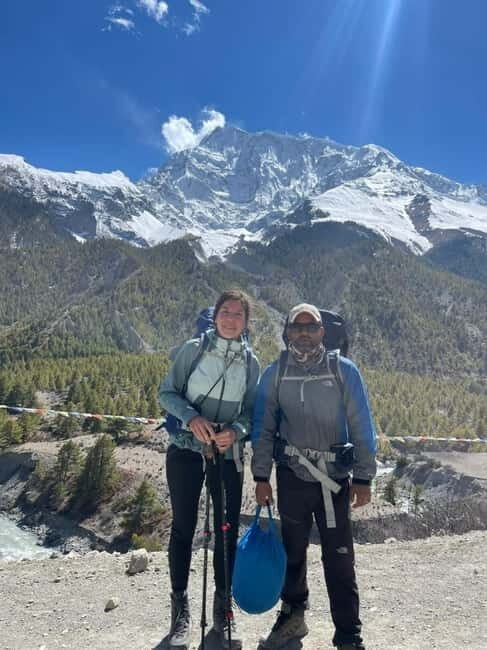
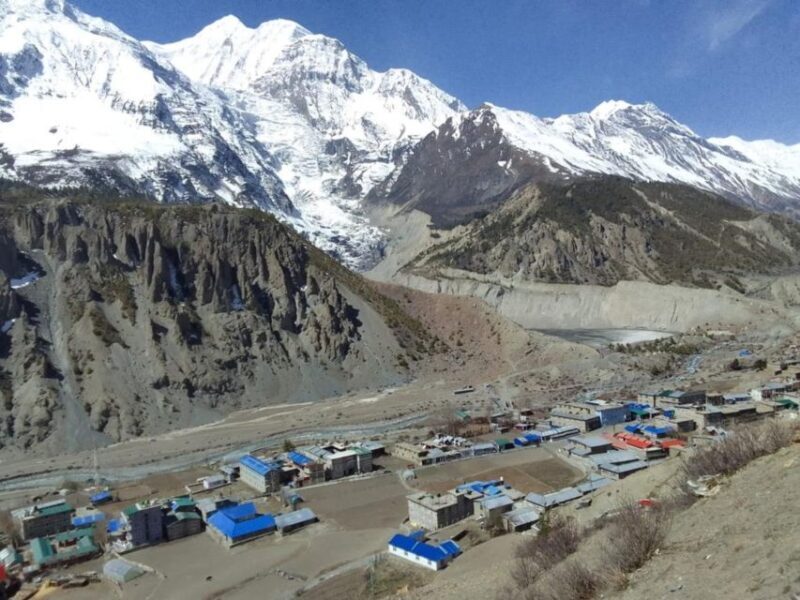
This section rewards trekkers with views of Annapurna II, Annapurna III, and Gangapurna. As you walk, the scenery becomes more rugged and dramatic. The village of Manang provides a perfect base for rest and further acclimatization, with plenty of cozy lodges and cafes where you can warm up with hot tea.
Day 4: Rest Day in Manang
Rest days are crucial at high elevations, and this one offers a chance to explore the village, visit local monasteries, or just relax. We appreciated the guided explanations about the local customs and the importance of acclimatization for the high-altitude crossing ahead.
Day 5: Manang to Yak Kharka
The trail ascends through alpine meadows, with views of snow-capped peaks. Yak Kharka feels like stepping into a mountain pasture, with grazing yaks and goats. The peaceful atmosphere makes this a favorite stop for many trekkers.
Day 6: Yak Kharka to Thorong Phedi
This is the final prep before crossing the Thorong La. The ascent is steady but manageable, and the sense of anticipation builds. Most trekkers use this as an early night’s rest to prepare for the big day.
Day 7: Crossing Thorong La Pass to Muktinath
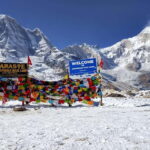
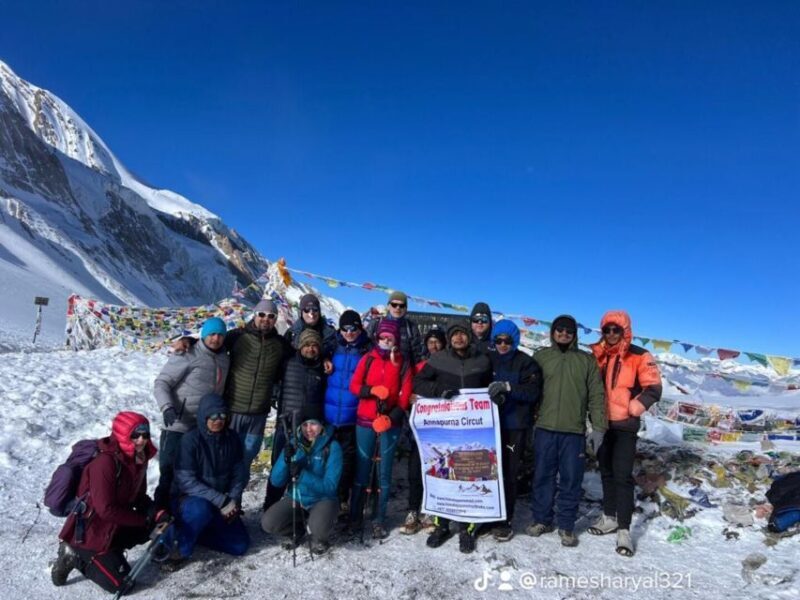
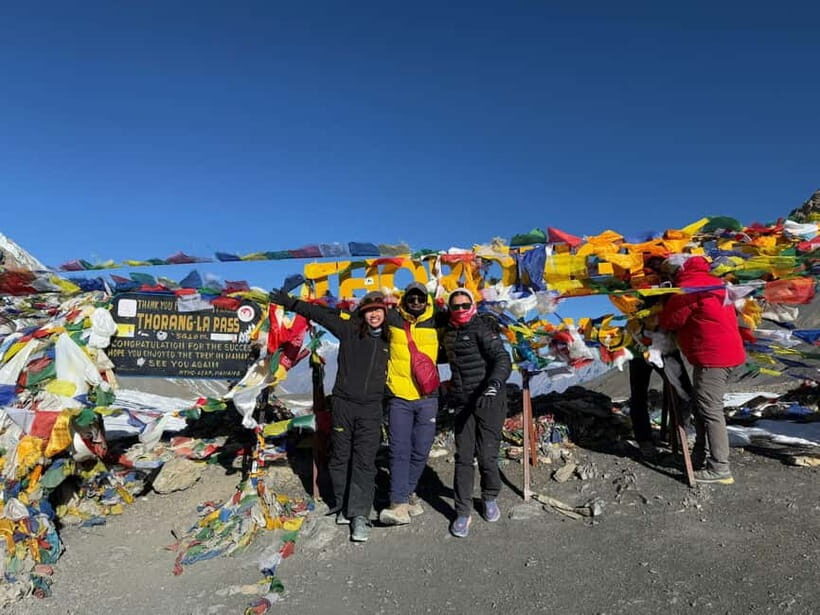
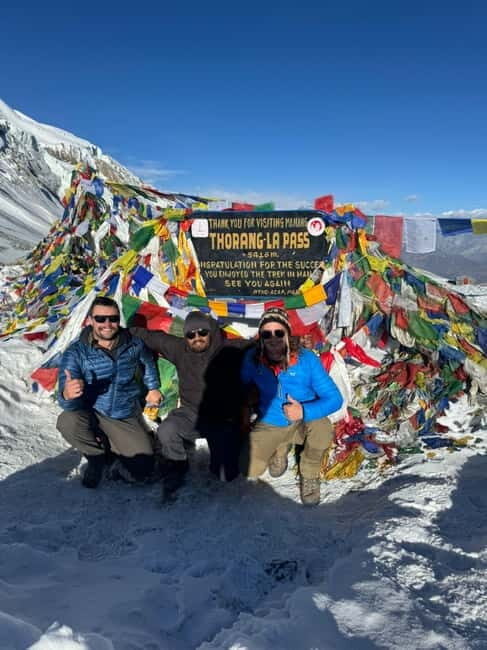
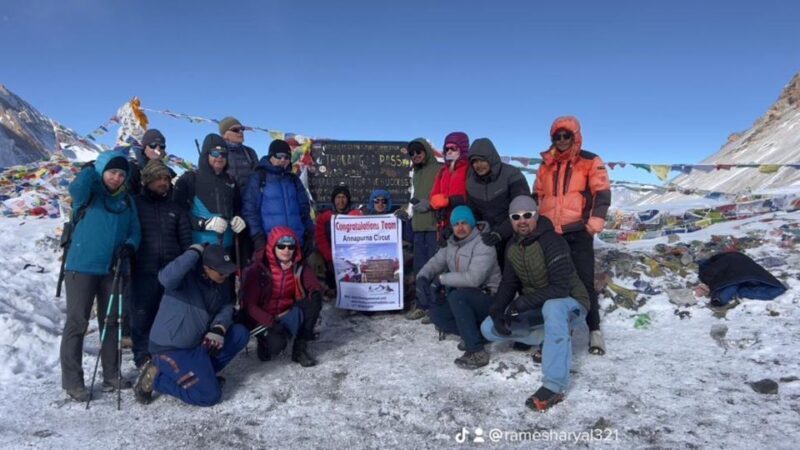
The highlight — or perhaps the most challenging part — is crossing the high-altitude Thorong La Pass at 5,416 meters. The early start is essential to beat the wind and cold. The ascent is tough but exhilarating; the views of the surrounding peaks are truly spectacular. Descending into Muktinath, you’ll find yourself at a sacred pilgrimage site, adding a spiritual dimension to your journey.
Day 8: Muktinath to Jomsom and Pokhara
This final leg takes you through a dramatically different landscape — arid, rocky, and wind-swept. The bus ride from Jomsom to Pokhara offers sweeping mountain vistas and a chance to reflect on your achievement. Many travelers say this is a fitting conclusion to a memorable trek.
The Logistics and Services: What’s Included
For $309, this tour offers remarkable value, especially considering many logistical essentials are covered. From hotel pickups and drop-offs to the licensed English-speaking guides, you’re well-supported throughout. The inclusion of trekking permits, all necessary paperwork, and government taxes simplifies what can be a bureaucratic headache elsewhere.
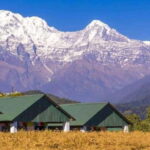
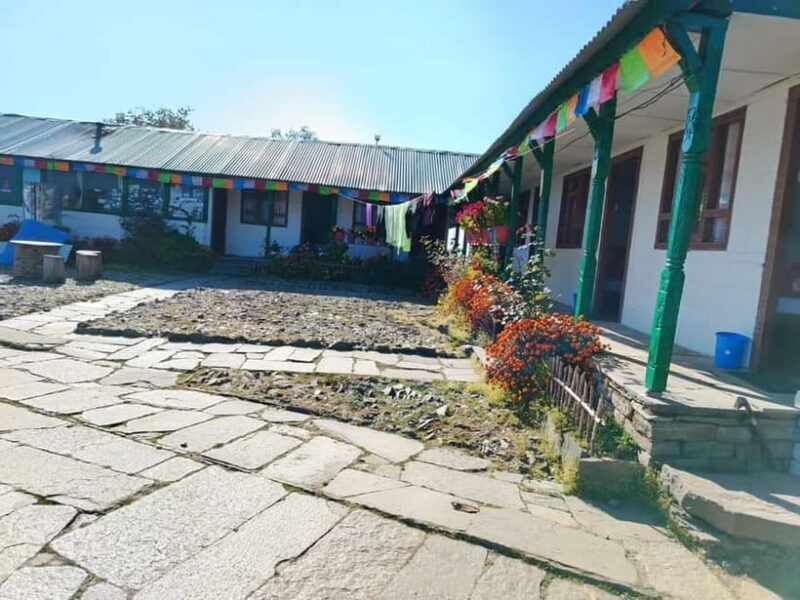
Accommodation during the trek is in basic but comfortable guesthouses, offering a chance to experience local hospitality. The final night in a luxury hotel in Pokhara provides a well-deserved break, with a farewell dinner to celebrate your achievement.
Meals are included during the trek, allowing you to fuel up with local favorites like Dal Bhat — a hearty lentil and rice dish that’s perfect for high-altitude energy. Transportation is arranged efficiently, with comfortable buses from Kathmandu/Pokhara to the starting point, and return routes lined up smoothly.
However, extras like personal expenses, drinks, porters, or additional nights in Kathmandu or Pokhara are not covered, so travelers should budget accordingly.
More Great Tours NearbyThe Guides and Group Experience
Reviews highlight the value of knowledgeable guides, who not only ensure safety but also enrich the experience with cultural insights and local stories. They help explain the significance of landmarks like Muktinath or the Thorong La, making the trek more meaningful.
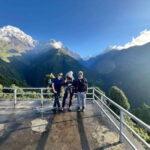
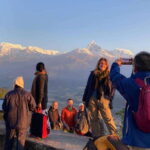
Group sizes are typically manageable, fostering camaraderie without feeling crowded. The professional, licensed guides go above and beyond—in some reviews, trekkers mention how guides patiently assisted with acclimatization and provided encouragement during tough sections.
Challenges and Considerations
The trek’s length and altitude mean it’s not suitable for all travelers. The long days and steep ascents require a reasonable level of fitness and mental resilience. The crossing of Thorong La at over 5,400 meters is physically demanding, especially with variable weather conditions.
While the logistics are well-organized, trekkers should be prepared for basic accommodations in village guesthouses, which might lack some comforts. Also, since rescue insurance and international flights are not included, travelers should arrange their own coverage beforehand.
Weather can be unpredictable; pack layered clothing, sun protection, and a sturdy pair of hiking shoes. The trek is best enjoyed with a flexible attitude and a sense of adventure.
Who is This Trek Best For?
This adventure suits active travelers with some trekking experience who want a comprehensive Himalayan experience. Those comfortable with high altitudes and long days will find it rewarding. It’s ideal for cultural explorers eager to meet local villagers and learn about their traditions, as well as mountain lovers seeking sweeping vistas.
If you’re looking for a well-supported, value-packed trek that combines physical challenge with cultural discovery, this tour fits perfectly. However, if you prefer luxury accommodations or have mobility issues, it may not be the best fit.
The Sum Up
The 8-Day Kathmandu Annapurna Circuit Trek via Thorongla Pass offers a well-rounded Himalayan experience at an accessible price. It’s designed for travelers eager to explore Nepal’s rugged beauty, challenge themselves physically, and connect with local communities along the way. The route’s diverse scenery—from lush forests to high mountain passes—ensures you’ll be constantly captivated.
The inclusion of professional guides, permits, and logistics makes this an excellent choice for those who want a smooth, authentic adventure without the hassle of planning every detail. The sense of achievement upon crossing Thorong La and reaching Muktinath is truly unforgettable—a moment of triumph at over 5,400 meters.
This trek is best suited for travelers with a good level of fitness, a spirit of adventure, and a desire to experience Nepal beyond the usual tourist spots. It’s a journey that will test your limits, reward your efforts with stunning views, and leave you with stories that will last a lifetime.
8-Day Kathmandu Annapurna Circuit Trek via Thorongla Pass
FAQ
Is the price of $309 per person a good deal?
Yes, considering it covers permits, accommodations, meals during the trek, transportation, guides, and other essentials, it offers solid value for such an extensive adventure.
What does the trek include?
The package includes hotel pickup and drop-off, an authorized English-speaking guide, trekking permits, all necessary paperwork, accommodations during the trek, one night in a luxury hotel in Pokhara, meals during the trek, transportation as per the itinerary, and a farewell dinner.
Are accommodations comfortable?
The trek stays in basic guesthouses and tea houses, which are charming and authentic but may lack modern amenities. The final night in Pokhara is at a luxury hotel, offering more comfort.
What kind of transportation is used?
Travelers are transported from Kathmandu/Pokhara to the trek’s starting point by bus, with shared jeeps en route, and return from Muktinath to Pokhara by bus. All transportation is included and arranged for convenience.
Is this trek suitable for beginners?
It’s more suitable for those with some trekking experience, given the long days and high-altitude crossings. Good physical fitness and acclimatization are important.
What should I pack?
Bring sturdy hiking shoes, warm clothes, layered clothing, sun protection, a water bottle, a first aid kit, and trekking gear such as poles and a headlamp.
Will I need travel insurance?
Yes, travel and rescue insurance are not included but are strongly recommended, especially for high-altitude trekking.
Can I customize the itinerary?
Yes, the itinerary can be tailored based on individual preferences and trekking pace, offering some flexibility.
Are guides experienced?
Yes, guides are licensed and highly knowledgeable, often praised for their friendliness and cultural insights.
What’s the main highlight of this trek?
Crossing the Thorong La Pass at over 5,400 meters, with panoramic mountain views, is the most exhilarating part, providing a true sense of achievement.
This detailed review hopes to give you a clear, honest picture of what to expect from this iconic trek. Whether you’re seeking a physical challenge, cultural enrichment, or simply breathtaking scenery, this journey offers a well-rounded Nepal experience worth considering.
You can check availability for your dates here: