If you’ve ever dreamed of standing atop one of the world’s most perilous mountains, the Annapurna I Expedition 2025/2026 offers a once-in-a-lifetime chance. While most trekkers flock to Annapurna’s famous circuit for its stunning scenery and remote villages, this expedition takes you well beyond that, pushing your limits to reach the summit at 8,091 meters.
It’s a serious undertaking, but for those with mountaineering experience and a desire for authentic Himalayan achievement, it’s hard to beat.
What we particularly like about this climb is the seamless blend of logistical support—like helicopter transfers and expert guides—and the chance to experience Nepal’s rugged beauty at an intense but manageable pace. The expedition’s design, inspired by Nimsdai’s record-breaking efforts, emphasizes safety, acclimatization, and expert guidance.
One possible consideration? The cost is steep at over $46,000 per person, which might be a barrier for some, but it reflects the comprehensive support and logistics involved.
This adventure is best suited for serious climbers with prior high-altitude experience who want to test themselves on an 8,000-meter peak with expert team support. If you’re looking for a challenging, well-supported climb that guarantees some of the most awe-inspiring views on Earth, this expedition could be ideal.
- Key Points
- An In-Depth Look at the Annapurna I Expedition 2025/2026
- Introduction to the Expedition
- The Logistics: Smooth, Supportive, and Focused
- The Climbing Phase: A Carefully Managed Ascent
- The Spectacular Views
- Support and Safety: Building Confidence
- The Cost and What You Get
- The Complete Itinerary Breakdown
- What Past Participants Say
- Is This Tour Right for You?
- Final Thoughts
- FAQ
- More Tour Reviews in Kathmandu
Key Points
 1 / 4
 2 / 4
 3 / 4
 4 / 4
Expert-led support: The expedition provides licensed guides, Sherpas, and high-altitude climbing specialists.
Prime logistics: Helicopter transfers from Dana to Annapurna Base Camp cut down on trekking time and help with acclimatization.
All-inclusive support: From permits to equipment, the package handles most logistics, reducing stress for climbers.
Stunning vistas: Expect panoramic views of Himalayan giants and memorable sunrises from high camps.
Time-efficient plan: With a 40-day schedule, the trip balances ascent, acclimatization, and recovery.
Cost reflects value: The high price covers comprehensive support, safety, and exclusive logistical arrangements.
An In-Depth Look at the Annapurna I Expedition 2025/2026
You can also read our reviews of more tours and experiences in Kathmandu.



Introduction to the Expedition
This expedition isn’t your typical Himalayan trek. It’s a carefully curated climb designed for experienced high-altitude mountaineers aiming to summit Annapurna I—the world’s tenth highest, yet notoriously deadly. It’s a serious commitment—both physically and financially—but one that promises the thrill of conquering one of the most challenging 8,000-meter peaks with the comfort of expert support and sophisticated logistics.
Two standout elements immediately catch the eye: the use of helicopter transfers and the planned acclimatization schedule. These aren’t just conveniences—they’re vital for safety and success. Also, the expedition’s foundation on Nimsdai’s record-breaking methodology guarantees a tested approach, blending speed with safety.
The Logistics: Smooth, Supportive, and Focused
Many climbers find the logistical aspects of Himalayan expeditions daunting—permits, transportation, gear logistics. Marvel Treks simplifies this with a full package that includes permits (ACAP, TIMS, climbing), transport (flights between Kathmandu and Pokhara), and helicopter transfers from Dana to Annapurna Base Camp.
The helicopter ride from Dana to ABC is a highlight: it saves days of trekking, reduces fatigue, and allows for better acclimatization. You’ll be sleeping in teahouses on the trek up, with all accommodations arranged for you, which means less hassle and more focus on preparing for the climb. The full support team includes licensed guides, porters, Sherpas, and high-altitude specialists, making sure that safety is front and center.
The Climbing Phase: A Carefully Managed Ascent
The core of the expedition spans 26 days of climbing and acclimatization, from the base camp to the summit and back. The detailed itinerary provides ample time for acclimatization, a critical aspect given the high risks of altitude sickness at such elevations.
Climbers will ascend from Annapurna Base Camp, then push higher through multiple camps—each offering more stunning views and increasing the challenge. Expect to encounter technical sections, such as ice and mixed terrain, with basic climbing gear supplied by the team. The support includes oxygen cylinders, masks, regulators, and high-altitude tents at advanced camps, ensuring safety amid tough conditions.
More Great Tours NearbyThe Spectacular Views
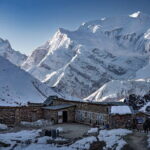
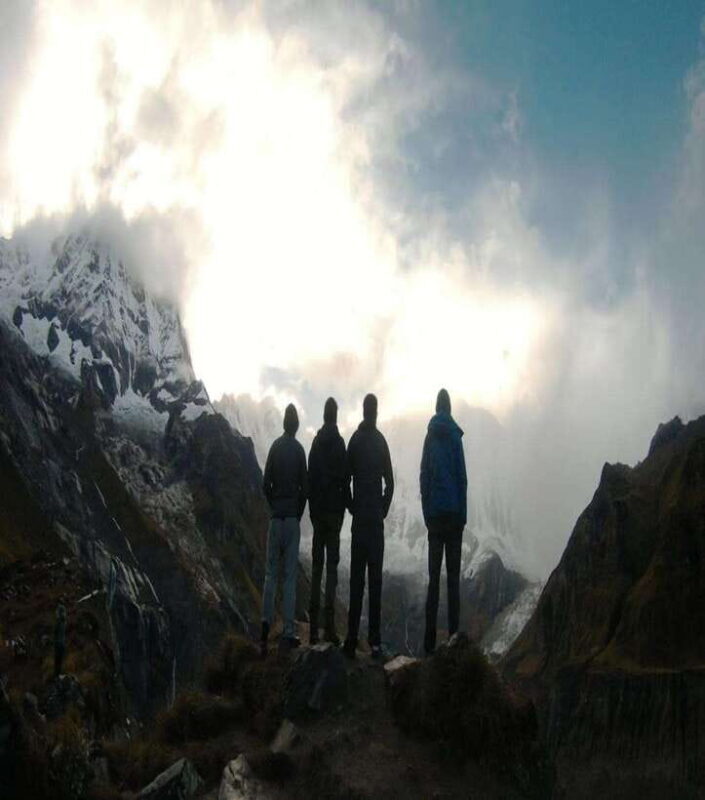
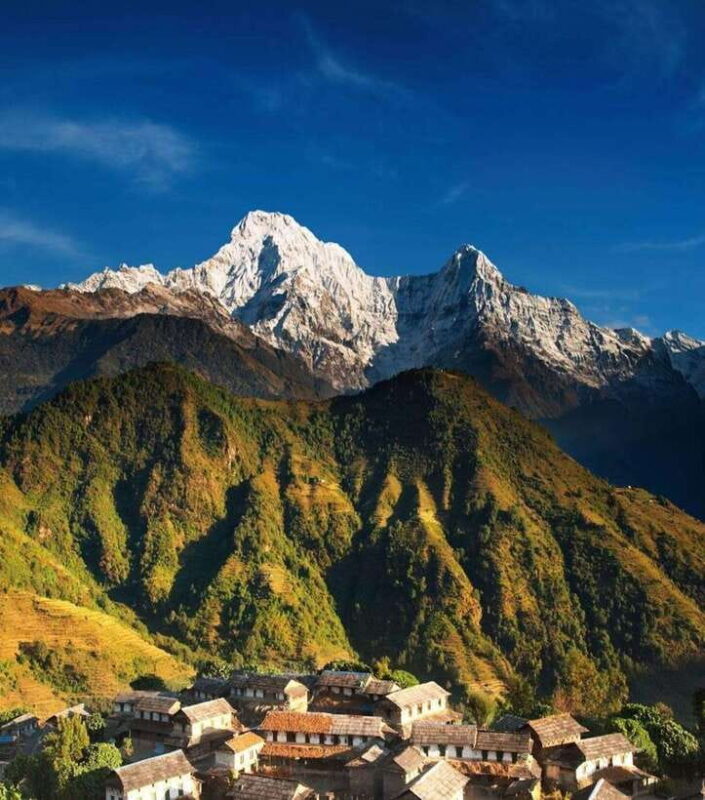
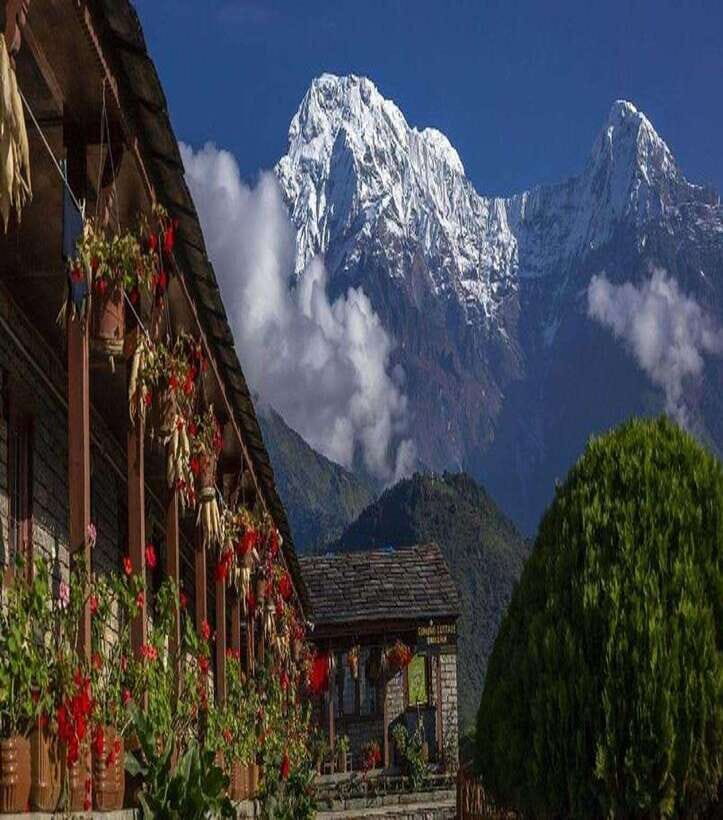
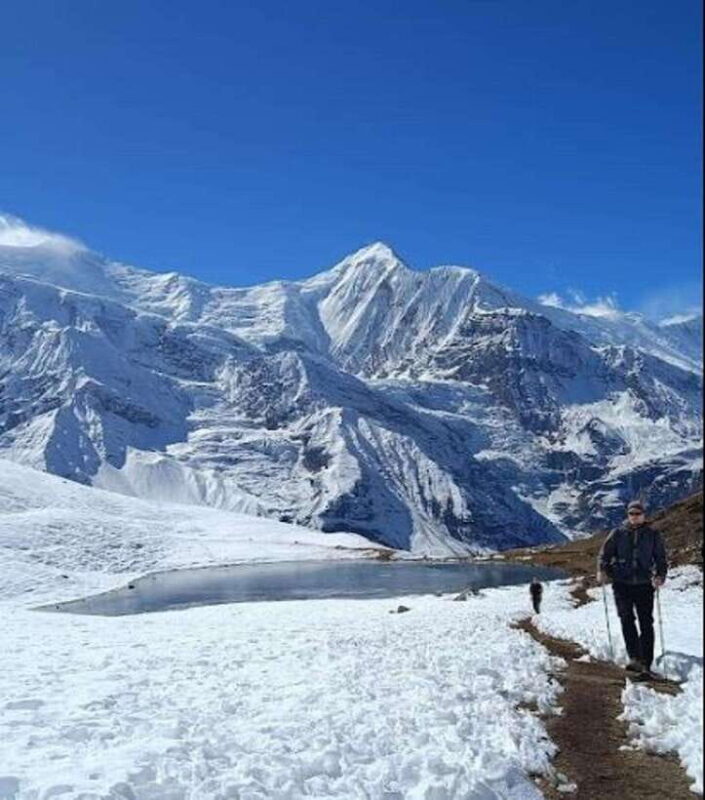
One of the biggest draws of this expedition is the panoramic Himalayan scenery. From the summit at 8,091 meters, you’ll be treated to breath-stealing views of the surrounding giants—Dhaulagiri, Manaslu, and the Annapurna massif itself. Reviewers often mention the “breathtaking vistas” and “sunrises that seem to set the sky ablaze,” which are unforgettable moments at high altitude.


Support and Safety: Building Confidence
For many climbers, the safety infrastructure is what makes this expedition stand out. The inclusion of rescue deposits (around $2,500 covered by insurance), satellite phones, emergency oxygen, and medical coverage all add layers of security. The team’s extensive experience and adherence to safety protocols are reassuring, especially on such a deadly peak.
The Cost and What You Get
At $46,712, this is an investment. When you factor in permits, helicopter transfers, professional guiding, equipment, and all logistics, the price starts to make sense. The value lies in stress reduction, safety, expert support, and the chance to summit a perilous peak with a higher success chance than if you attempted it alone or with a less comprehensive team.
Some reviewers note that the experience justifies the expense, citing the seamless logistics, professional guides, and extraordinary scenery. Others, however, might see it as a sizeable outlay, emphasizing the importance of prior high-altitude experience before committing.
The Complete Itinerary Breakdown
- Day 1-3: Arrive in Kathmandu, meet the team, and finalize preparations. These days are crucial for briefing, gear checks, and permits.
- Day 4: Flight to Pokhara, a charming lakeside city with stunning mountain views.
- Day 5: Drive from Pokhara to Dana, a small village that signals the beginning of more remote Nepal.
- Day 6: Helicopter from Dana to Annapurna Base Camp. This saves time and energy, helping with acclimatization.
- Day 7: Rest day at ABC for acclimatization. Expect spectacular mountain views and a sense of quiet before the climb.
- Days 8-34: Climbing period. Progress through various camps, facing technical challenges, altitude, and weather. These days are when the real work happens—with safety protocols in place, you’ll be pushing upward with guidance.
- Day 35: Descent begins, with packing up base camp and preparing for the return journey.
- Day 36: Helicopter from ABC back to Dana, then a drive to Pokhara.
- Day 37: Leisure day in Pokhara, with options for sightseeing or simply relaxing by the lake.
- Day 38: Return flight to Kathmandu, transfer to hotel.
- Day 39: Leisure day and farewell dinner, reflecting on the achievement.
- Day 40: Depart Nepal, carrying memories of one of the most challenging and rewarding climbs of your life.
What Past Participants Say
While direct reviews aren’t included here, the overall structure and support suggest a positive experience for experienced climbers. The detailed itinerary and support infrastructure indicate a focus on safety, success, and comfort—factors often echoed in climbers’ feedback. The use of helicopter transfers and expert guides are typically praised for making such high-stakes climbs more manageable.
Is This Tour Right for You?
This expedition is tailored for experienced high-altitude climbers who understand the technical demands and physical toll of summiting an 8,000-meter peak. If you’re looking for an adventure that combines technical climbing with comprehensive logistical support and stunning Himalayan scenery, this trip ticks all the boxes.
It’s an investment—both financially and physically—so it’s best suited for those with prior mountaineering experience and a serious commitment to pushing their limits. If you’re new to high-altitude climbing or not confident in technical skills, this trip may not be suitable.
For the solo adventurer seeking a guided, supported ascent on one of the world’s deadliest mountains, this could be the perfect opportunity. The well-organized schedule, combined with the safety nets, ensures you’re in capable hands while standing on the edge of greatness.
Final Thoughts
The Annapurna I Expedition 2025/2026 offers an exceptional blend of challenge, support, and scenery. It is a trip for those who have already tasted high-altitude adventures and are ready to take on a serious mountaineering challenge. The logistical support—such as helicopter transfers, professional guides, and all-inclusive permits—reduces many of the headaches associated with Himalayan climbs, letting you focus on the climb itself.
The views from the summit promise to be unforgettable, and the sense of achievement will stay with you long after you descend. With a well-structured schedule, expert team, and focus on safety, this expedition provides a strong chance of success for those prepared for the effort.
In short, if you’re an experienced climber looking for a serious challenge with support, this trip offers a rare combination of technical difficulty and logistical ease—making your dream of standing atop Annapurna I a tangible goal.
Annapurna I Expedition 2025/2026
FAQ
Is this expedition suitable for beginners?
No, this trip is designed for climbers with prior high-altitude experience. Annapurna I is deadly, and technical skills are necessary.
What’s included in the price?
The price covers permits, helicopter transfers, transportation, accommodations, guides, porters, climbing equipment, meals, insurance, satellite phones, and safety gear.
Are there any optional expenses?
Yes, personal gear, extra oxygen, or high-altitude food for Sherpas and clients are not included. Extra costs may also arise from unforeseen events.
How long is the climbing period?
The main climbing phase lasts about 26 days, from base camp to summit and back, with plenty of time for acclimatization.
What support is provided during the climb?
Guides, Sherpas, base camp facilities, oxygen, tents, climbing gear, and safety equipment are all included to maximize safety and success.
What happens if I can’t summit?
The itinerary is designed for flexibility. Safety is paramount—if conditions are unsafe, the team will prioritize your well-being over summiting.
This expedition is a serious, well-supported attempt at one of the most challenging 8,000-meter peaks. It’s perfect for experienced climbers who want a guided, logistical safety net while reaching heights few will ever see.
You can check availability for your dates here: