If you’re traveling to Kyoto and seeking a truly hands-on, authentic craft experience, then a knife-making workshop at a local blacksmith studio is worth considering. This isn’t just a quick demonstration; it’s a genuine opportunity to learn about traditional Japanese forging while creating a practical keepsake—your very own handmade knife.
With a reputation of 4.9 out of 5 from 67 reviews, this experience combines craftsmanship, culture, and a touch of physical exertion, all within a compact 3-hour session.
What we love about this experience is how accessible it is for beginners — no prior metalworking skills required — and how the final product is something you can actually use (or gift).
Plus, the chance to see blacksmithing, a craft rarely open to outsiders even in Japan, makes this an incredibly unique cultural activity. That said, it’s not a leisurely walk in the park; forging is physically demanding and involves hot, heavy work.
But if you’re up for a challenging, immersive activity that leaves you with a meaningful souvenir and new appreciation for Japanese craftsmanship, this tour could be a perfect fit.
Who would this experience suit?
It’s best for curious travelers who enjoy hands-on activities, are comfortable with some physical work, and want a deep dive into traditional Japanese knife-making. Kids over 15 and adults who appreciate authentic experiences will find it especially engaging. Those looking for a shorter, more intense glimpse into blacksmithing will also appreciate the 3-hour format.
- Who would this experience suit?
- Key Points
- An In-Depth Look at the Experience
- The Location and Setting
- What You Can Expect
- What Makes This Experience Special?
- The Value for Money
- Potential Drawbacks and Considerations
- The Workflow: From Start to Finish
- Authenticity and Cultural Significance
- Why It Matters
- The Sum Up
- FAQs
- More Tour Reviews in Kyoto
Key Points
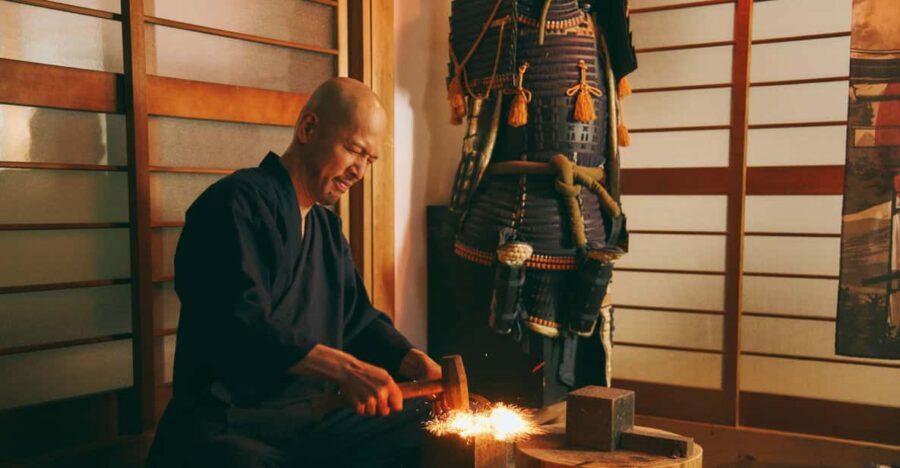
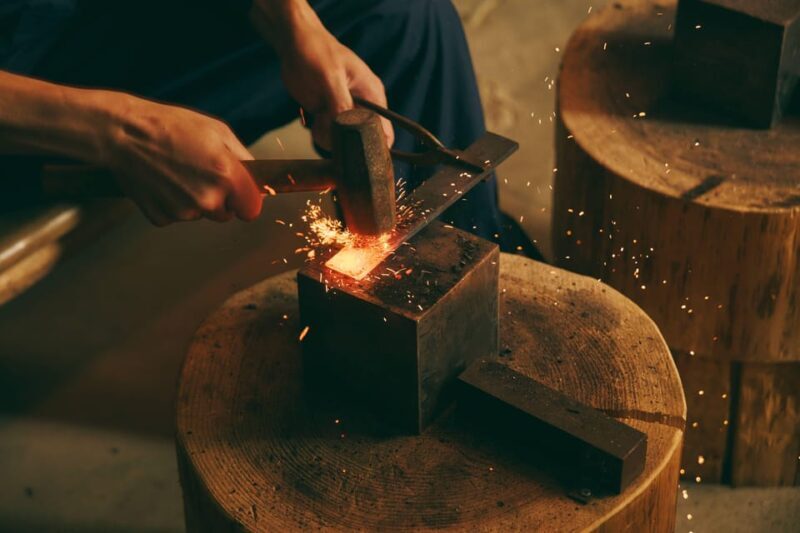
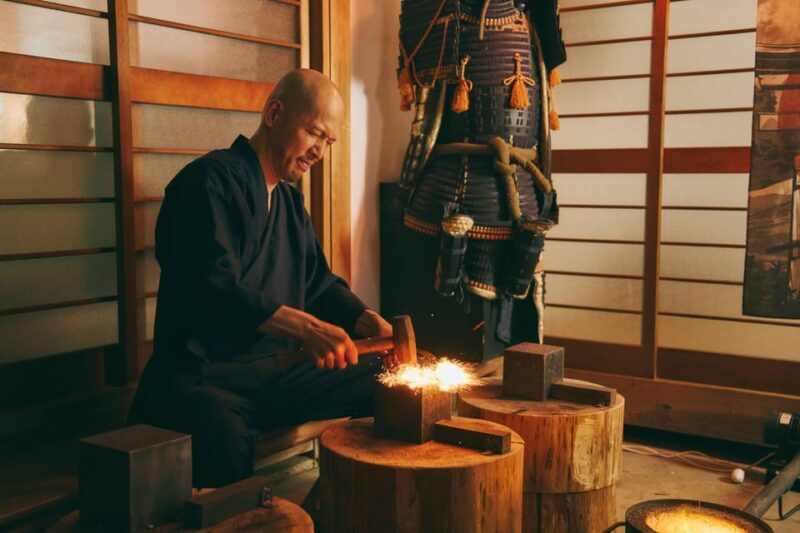
- Authentic Craftsmanship: You’ll make a functional Japanese kitchen knife using traditional forging methods.
- Memorable Souvenir: The knife you craft can be taken home, making it a practical and sentimental gift or daily tool.
- Unique Experience: Blacksmithing is rarely open to the public in Japan, making this a truly special activity.
- Hands-On Learning: The professional instructor, Mao, simplifies the process, guiding beginners through each step.
- All-Inclusive: Your fee covers costumes, tools, materials, and even a box and bag for your finished knife.
- Flexible & Small Group: Limited to six participants, ensuring personalized attention and a relaxed atmosphere.
You can also read our reviews of more tours and experiences in Kyoto.

An In-Depth Look at the Experience
The Location and Setting
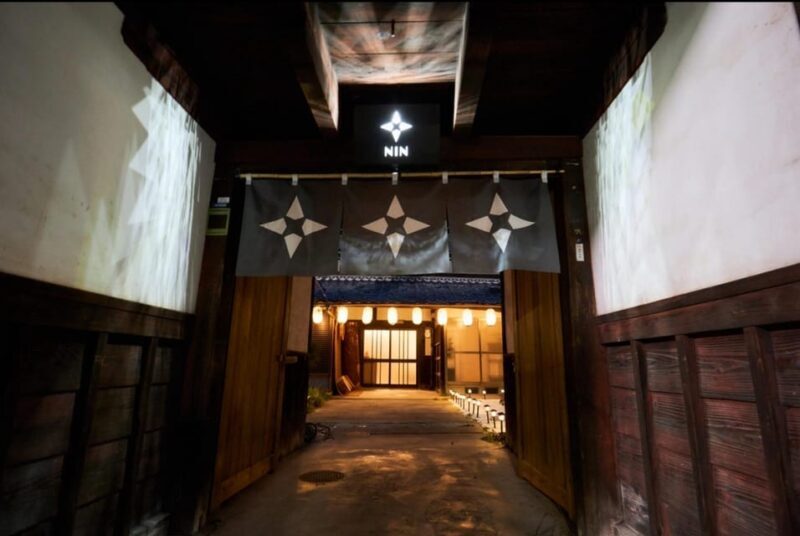
The workshop takes place at Studio NIN in Kyoto’s Sakyo-ku. The building’s large gate with a Shuriken flag makes it easy to spot, even if the roads are narrow—taxis can pass without issue. The studio exudes a traditional vibe, which sets the perfect tone for this authentic Japanese craft.
What You Can Expect
The experience starts with dressing up in traditional goldsmith-style costumes, instantly transporting you into the world of historical craftsmanship. From there, Mao, your instructor, will introduce you to the tools and safety protocols. Despite some dangerous elements involved in forging, Mao emphasizes safety and simplicity, making even complete beginners feel confident.
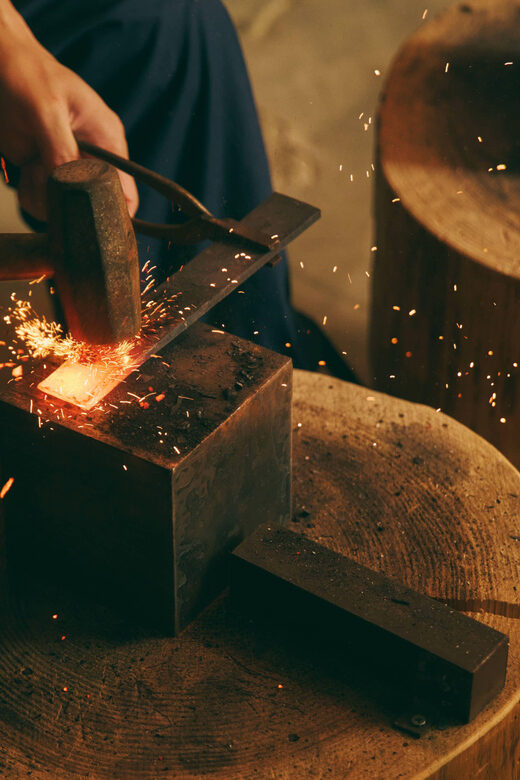
The core of the workshop is forging — you’ll use a hammer to shape hot iron into a knife approximately 13 to 15 centimeters long. As one reviewer noted, “Making a knife from scratch is quite satisfying,” and Mao’s guidance makes it accessible, even for those who’ve never held a hammer before. The process involves repeated striking, which can be surprisingly physically demanding but rewarding.
After forging, you’ll move on to sharpen and polish your blade. Mao’s expertise means you’ll learn the correct techniques to ensure your knife is both sharp and aesthetically pleasing. The entire process takes roughly 3 hours, which is a surprisingly compact window for such a detailed craft.
More Great Tours NearbyWhat Makes This Experience Special?
One of the standout features is that you leave with a real, usable knife. Several reviewers expressed satisfaction with their final product, calling it both stunning and practical. The knives are made with a traditional, simple method—not using wooden handles but instead a forged iron handle—adding to their authenticity.
Another highlight is the professional guidance. Mao, who has been sharpening knives for over ten years, is praised for being funny, patient, and helpful. His approach makes learning both safe and enjoyable, which some reviewers mention as key to their positive experience.


The Value for Money
At $161 per person, this experience offers excellent value considering that a custom knife from a professional blacksmith would normally cost over $400 and take over 5 hours. The shorter duration means you aren’t spending an entire day but still getting a deep, meaningful introduction to Japanese blacksmithing. Plus, the included costume, tools, and finishings make it a well-rounded package.
Potential Drawbacks and Considerations
While the experience is highly praised, some travelers note that the forging part is quite physically demanding, involving swinging a heavy hammer in a hot and potentially chilly environment. One reviewer mentioned, “The room was surprisingly cold for two forge fires burning,” so wearing warmer socks or comfortable clothing is recommended. Also, since children under 15 are not permitted without a guardian, families with younger kids will need to plan accordingly.
The 3-hour duration is perfect for many but might feel a touch rushed for those wanting a more extensive blacksmithing lesson. Also, because the knives are made without wooden handles, the final product has a very industrial feel—if you’re hoping for a traditional-looking handle, this might not meet your expectations.
The Workflow: From Start to Finish
Meeting Point & Introduction: The studio’s location, marked by its large gate and Shuriken flag, makes logistical planning simple. The experience begins with dressing in traditional gear, immersing you into the craft’s cultural roots.
Tool and Technique Learning: Mao will demonstrate how to use the hammer and other tools, emphasizing safety and technique. He breaks down complex processes into digestible steps, which reviewers appreciated — “He helped us along the way and explained everything clearly.”
Forging: The heart of the session. You’ll strike the hot iron, shaping it into a knife. While physically demanding, many describe it as “quite satisfying” and “an amazing journey”. The repeated hits are crucial to forming the blade and getting the heat just right.
Shaping & Polishing: Post-forging, you’ll sharpen and polish your knife. Mao’s guidance ensures your blade is both sharp and shiny, ready for use. One reviewer noted, “I am so happy with my knife and additional handle,” although the handle is iron, not wood.
Wrap-up & Take-Home: After polishing, your knife is packed into a box and bag provided. You leave with a handmade, functional tool and a newfound respect for Japanese blacksmithing.
Authenticity and Cultural Significance
This isn’t a staged or touristy demonstration. It’s a real working blacksmith shop, with an emphasis on traditional techniques. The instructor, Mao, is from a family of knife makers, adding a layer of authenticity and pride to the process. Several reviews mention how much they appreciated learning about Japanese craftsmanship firsthand — “It made me appreciate the effort behind every knife,” one person commented.
Why It Matters
In Japan, knife making is a highly skilled art rooted in centuries of tradition. This experience offers a rare glimpse into that world, making it not just an activity but a cultural lesson. Plus, with video and photography allowed, you can document your journey, making the memory last long after the trip.
The Sum Up
This blacksmithing experience in Kyoto offers a compelling mix of hands-on craftsmanship, culture, and a practical souvenir. It’s ideal for adventure-seekers and craft lovers alike, especially those eager to see traditional Japanese techniques in action. The small group setting and expert guidance create a safe, friendly environment, perfect for beginners or anyone wanting a meaningful activity beyond typical sightseeing.
While the physical aspect might be challenging, the end result—a custom, usable knife—makes it well worth the effort. The cost is reasonable when you consider the value of a handcrafted tool and the authentic experience you gain. For travelers craving a unique, memorable, and genuinely Japanese activity, this workshop hits the mark.
Authentic knife making experience at a blacksmith in Kyoto
FAQs
Is this experience suitable for complete beginners?
Yes. Mao, the instructor, is very experienced at guiding beginners through every step, making it accessible even if you’ve never handled metalworking tools before.
What should I wear?
Comfortable clothes, and remember to bring socks, as you’ll be kneeling and working in a potentially cool environment.
How long does the workshop last?
It takes about 3 hours, including dressing up, forging, sharpening, and polishing.
Can I take the knife home?
Absolutely. The finished knife is packed in a box and bag for easy transport.
Is this activity safe?
While the process involves hot metal and heavy tools, safety instructions are provided, and Mao’s guidance minimizes risk. Participants under 15 need a guardian.
What does the price include?
Your fee covers costumes, water, tools, materials, and packaging for your finished knife.
Are there any hidden costs?
No. Everything needed to make your knife is included in the price.
Is the experience physically demanding?
Yes, forging and hammering can be quite strenuous, especially for those not accustomed to physical activity.
Can I do this with children?
Children under 15 are not permitted unless accompanied by an adult, and the activity may be too physically demanding for younger children.
What is the main draw of this experience?
The opportunity to create a practical, authentic Japanese knife while learning traditional blacksmithing in a welcoming small-group setting.
This blacksmithing workshop in Kyoto provides an authentic glimpse into Japan’s centuries-old knife craft. With its expert guidance, culture, and tangible takeaway, it’s a memorable activity that suits those eager to try something different and gain a new appreciation for Japanese artistry. Whether you’re a foodie, craft lover, or curious traveler, this experience will leave you with both a beautiful tool and a story to tell.
You can check availability for your dates here: