Planning a trip to Beijing? If you’re looking to explore two of the city’s most enduring symbols of education and cultural reverence, the Confucius Temple and the Imperial College are excellent choices.
This e-ticket experience opens the door to over 700 years of history, with a focus on Chinese civil service exams and traditional architecture. While it offers great value at just $7 per person, there are a few practical considerations to keep in mind.
We’re impressed by how straightforward the booking process is and the fascinating exhibits you’ll encounter. That said, some travelers have noted communication issues beforehand, so managing expectations about how you’ll receive your tickets is wise. This tour suits history buffs, architecture lovers, and those eager to see a different side of Beijing away from the hustle of modern streets.
Key Points:
– Affordable entry at just $7, with a focus on education and architecture.
– Advance booking guarantees entrance and avoids sold-out worries.
– Informative exhibits on imperial exams and traditional structures.
– Easy entry using QR codes and passports.
– Two major sites: the Confucius Temple and the Imperial College (Guozijian).
– Supports accessibility with wheelchair-friendly features.
- An Overview of the Confucius Temple and Imperial College Experience
- Booking and Entry: Smooth but with Some Caveats
- Exploring the Confucius Temple
- Authenticity and Atmosphere
- The Imperial College (Guozijian): A Glimpse into Ancient Education
- How This Tour Adds Value
- What We Liked the Most
- Considerations
- Practical Tips for Visitors
- Final Thoughts: Who Should Consider This Tour?
- FAQ
- More Tickets in Beijing
- More Tour Reviews in Beijing
An Overview of the Confucius Temple and Imperial College Experience
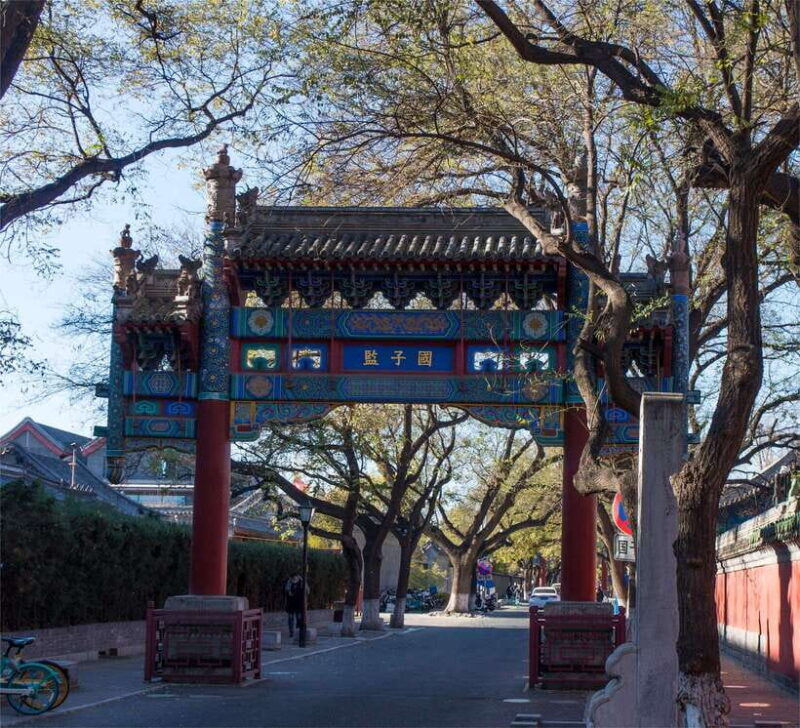
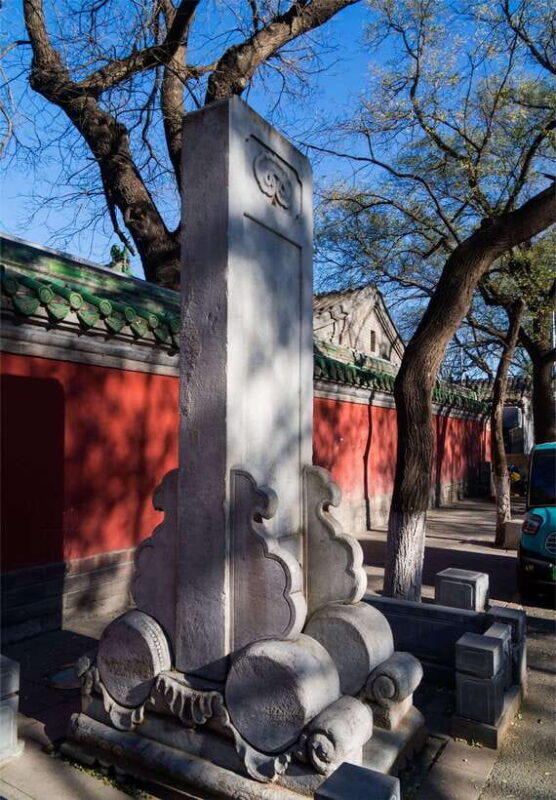
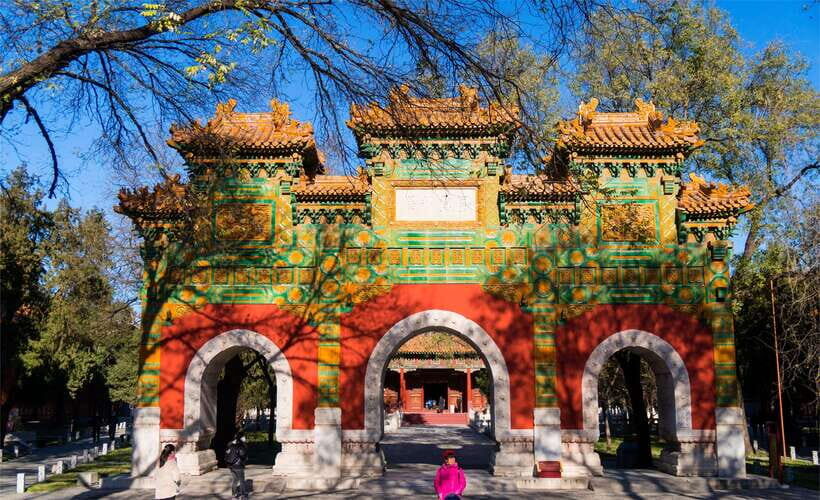
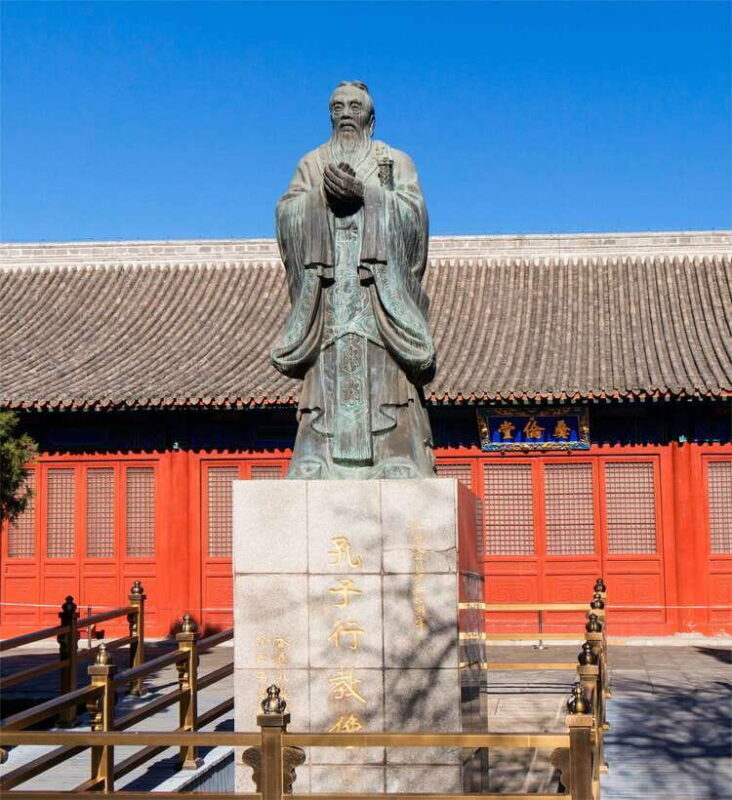
This tour offers a compact but rich visit to two ancient Beijing landmarks. Built during the Yuan Dynasty in the 14th century, these sites have been preserved to showcase their historical significance and architectural beauty. The experience is primarily self-guided with detailed exhibits, but the value lies in the chance to walk through history at your own pace.
The Confucius Temple, established in 1306, was the site for memorial ceremonies honoring Confucius during the Yuan, Ming, and Qing dynasties. Its grounds stretch over 22,000 square meters — plenty of space to appreciate the traditional layout. The Imperial College, or Guozijian, functioned as the highest educational institution during the Yuan, Ming, and Qing dynasties, emphasizing the long-standing importance of learning in Chinese culture.
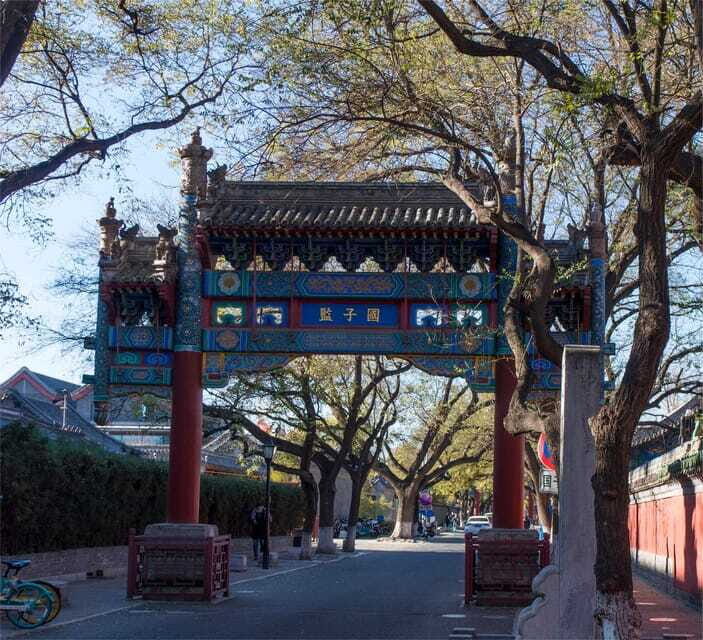
The architecture of both sites is Yuan Dynasty style, with symmetrical courtyards, ancient stone tablets, and traditional gate structures. If you love classical Chinese design, you’ll find plenty to admire.
You can check availability for your dates here:Booking and Entry: Smooth but with Some Caveats
Getting your tickets is designed to be hassle-free. Purchase online, and you’ll receive a QR code and an email with further details — though travelers should be aware that the QR code from the booking platform is not your actual ticket. Instead, your real ticket will be emailed to you, and you’ll need to bring your passport or ID card for verification.
Some reviews mention inconsistent communication, with one traveler noting “Zero communication, spent hours only to have my tickets.” To avoid surprises, check your email carefully and be prepared to send passenger details quickly after booking. The process is designed for privacy and security, so providing full name and passport number is necessary.
The entry process is simple — just scan your QR code and show your passport, making it a convenient option for travelers especially those eager to skip lines. Wheelchair accessibility is available, which broadens the appeal for visitors with mobility needs.
You can also read our reviews of more tours and experiences in Beijing



Exploring the Confucius Temple
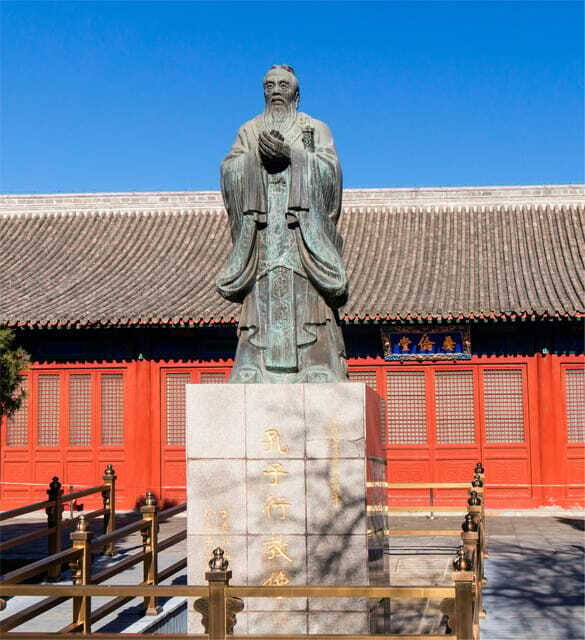
Once inside, you’ll find the Confucius Temple occupying a spacious area. It served as a place for honoring Confucius with ceremonies during various dynasties. The complex includes three main courtyards aligned along a central south-to-north axis, featuring iconic structures such as the Teacher Gate, Dacheng Gate, and the Dacheng Hall.
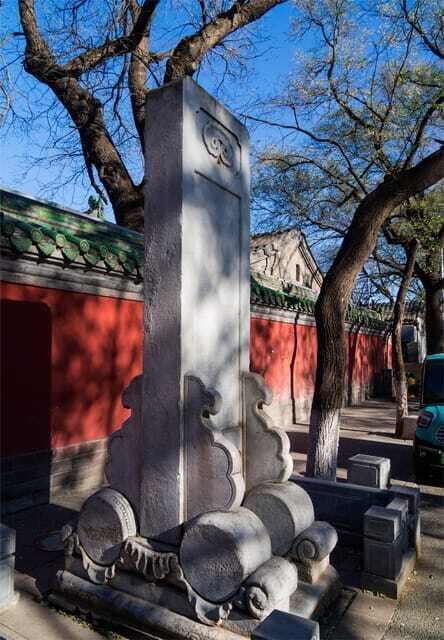
One of the highlights is the collection of 198 stone tablets engraved with the names, birthplaces, and ranks of more than 51,000 Jinshi (successful imperial exam candidates). These serve as a treasure trove for anyone interested in China’s civil service examinations, which played such a pivotal role in governance.
Currently, the site hosts three key exhibitions: Restored Dacheng Hall, Great Confucius, and History of Beijing Confucius Temple. These displays offer contextual insights, making the visit educational rather than just aesthetic.
Authenticity and Atmosphere
Despite its age, the temple feels surprisingly vibrant with its traditional architecture and serene courtyards. We loved the way the stone tablets narrate stories of China’s scholarly pursuits, adding depth to the experience. It’s a quiet spot, perfect for reflection or simply soaking in the atmosphere of ancient learning.
The Imperial College (Guozijian): A Glimpse into Ancient Education
Adjacent to the temple is the Guozijian, which was the imperial educational institution. Built in 1308, this site echoes the grandeur of China’s scholarly tradition. Its layout features an imperial tablet pavilion, bell and drum pavilions, and a series of halls and rooms aligned along a central axis.
Walking through the grounds, you’ll appreciate the symmetry and meticulous planning typical of Yuan Dynasty architecture. While most visitors only stop here briefly, the site offers a fascinating story about how education was intertwined with governance.
The exhibits and structures give the feeling of walking through a real historic site, with audio guides or plaques providing additional background.
More Great Tours NearbyHow This Tour Adds Value
For the modest price of $7, this experience delivers access to important cultural institutions that are often overlooked in favor of Beijing’s more famous sights like Tiananmen Square or the Forbidden City. The ability to explore privately with a QR code entry means fewer crowds and more flexibility.
The self-guided nature, with detailed exhibits and well-preserved architecture, ensures you get a personal sense of history without the rush of large tours. Plus, the wheelchair accessibility makes it inclusive for a wider range of visitors.



What We Liked the Most
- The authentic architecture and layout of the Yuan Dynasty, giving a real sense of history.
- The exhibition of the civil service exams, which are a unique aspect of Chinese history.
- The ease of entry with digital tickets and minimal lines.
- The peaceful atmosphere, a chance to step back from Beijing’s busy streets.
Considerations
- Some travelers report communication issues before the visit, so prepare to check your email and respond quickly.
- The ticketing process relies heavily on email delivery, which can sometimes be slow or unclear.
- The tour is primarily self-guided, so if you prefer a guided experience, you may want to supplement with an audio guide or additional research.
Practical Tips for Visitors
- Bring your passport or ID card for verification.
- Check your email after booking for your electronic ticket.
- Allow at least 1-2 hours for the visit to explore the museums and architecture.
- Wear comfortable shoes — the sites cover a substantial area.
- If mobility is an issue, note the site is wheelchair accessible, but it’s good to confirm accessibility arrangements beforehand.
Final Thoughts: Who Should Consider This Tour?
This experience is best suited for history enthusiasts, architecture lovers, and travelers on a budget eager to learn about China’s civil service exams and traditional structures. It’s particularly appealing if you prefer a quiet, contemplative environment rather than bustling tourist crowds.
For those with a curiosity for the educational and cultural traditions of ancient China, this tour offers a meaningful glimpse into the country’s scholarly past. If you’re comfortable with self-guided visits and digital tickets, you’ll find this a smooth, rewarding addition to your Beijing itinerary.
Beijing: Confucius Temple and the Impercial College E-ticket
FAQ
Do I need to book in advance? Yes, booking ahead ensures you can enter on your preferred date and time, especially since tickets are limited and sold via a digital platform.
What documents do I need to bring? Your passport or ID card is required for entry; the ticket will be sent via email, so have that accessible on your device or printed.
How do I receive my tickets? After booking, you’ll get an email with your actual ticket. The QR code on the booking platform is not your entry ticket. Check your inbox carefully.
Is the site accessible for wheelchair users? Yes, the site is wheelchair accessible, making it suitable for visitors with mobility needs.
Can I cancel my booking? Yes, you can cancel up to 24 hours in advance for a full refund.
Is there a guided tour available? The experience is mainly self-guided, but detailed exhibits and signage provide ample context.
How long does the visit take? Expect to spend about 1 to 2 hours exploring both sites at a relaxed pace.
Is there parking nearby? The review doesn’t specify, but typically, public transportation or walking from nearby areas is recommended.
What are the highlight features? The stone tablets, Yuan Dynasty architecture, and exhibitions on Chinese imperial exams are standout elements.
Who is this tour ideal for? Educators, students, history buffs, and travelers seeking authentic, low-cost cultural experiences.
In essence, the Beijing Confucius Temple and Imperial College e-ticket offers a well-priced, authentic window into China’s scholarly traditions. It’s a thoughtful stop for those who want more than the usual tourist sights and are eager to understand the roots of Chinese civil service and architecture. With careful planning around the ticketing process, it promises a quiet, educational journey into the heart of Beijing’s cultural legacy.
You can check availability for your dates here: