If you’re curious about Korea beyond the K-pop hits and scenic palaces, the Blood & Tears: Korea Dark History Guided Walking Tour offers a powerful look into its tumultuous past.
This tour takes you through some of Seoul’s most significant sites related to Korea’s fight for independence from Japanese rule and its ongoing democracy movement. It’s a chance to see history come alive, filled with raw emotion and stories of resilience.
Two things we love about this experience are the chance to walk through Seodaemun Prison, where brave freedom fighters endured unimaginable suffering, and the opportunity to gain a deeper understanding of Korea’s political awakening. The tour’s guides are praised for their knowledge and enthusiasm, making complex history both accessible and compelling.
However, a potential drawback is that the tour involves public transportation, which might be less convenient for travelers with strollers or wheelchairs. Also, it’s a deeply emotional experience—not light sightseeing, but rather a reflective journey into some of Korea’s darkest decades. It’s best suited for those who want a meaningful, authentic insight into Korea’s past rather than casual sightseeing.
If you’re someone interested in history, politics, or human rights, this tour offers a rare, honest perspective. It’s ideal for travelers eager to connect with Korea’s resilience and sacrifices firsthand, and who appreciate guided storytelling that goes beyond the typical tourist fare.
- Key Points
- An In-Depth Look at the Tour Experience
- The Overall Structure and Value
- Starting Points and Logistics
- Step-by-Step Breakdown of the Itinerary
- The Emotional Impact and Educational Value
- Practical Considerations and Comfort
- Who Will Appreciate This Tour?
- Final Thoughts on the Value and Experience
- FAQ
- More Walking Tours in Seoul
- More Tours in Seoul
- More Tour Reviews in Seoul
Key Points

- Authentic storytelling about Korea’s fight for independence and democracy
- Guides praised for their depth of knowledge and engaging delivery
- Visits to significant historic sites like Seodaemun Prison and Tapgol Park
- Powerful, emotional experiences that highlight courage and sacrifice
- Includes public transportation for a comprehensive, city-wide perspective
- Cost-effective at $46, offering a meaningful look at Korea’s darker chapters
An In-Depth Look at the Tour Experience
You can also read our reviews of more walking tours in Seoul
The Overall Structure and Value
Priced at $46 per person, this tour offers excellent value, especially considering the depth of history covered and the included transportation, admission fees, and guiding expertise. It’s a full-day experience, either focusing on Korea’s fight for independence or its democratic struggle, with an optional combination for those wanting a broader picture.
This isn’t just a sightseeing jaunt; it’s an educational journey that helps you understand Korea’s struggles with oppression, resilience, and the fight for freedom. The tour’s pace allows for reflection and questions, making it accessible to anyone wanting a balanced, insightful experience.
Starting Points and Logistics
Depending on which package you choose, the meeting points vary. The Fight for Independence begins at Dongnimmun Station Exit 5 at 9:30 AM, with an itinerary centered around the Seodaemun Prison and the historic symbols of independence. Conversely, the Road to Democracy kicks off at Gwanghwamun Station Exit 7 at 9:50 AM, focusing on modern political history, including sites like the National Museum of Korean Contemporary History and the Korea Democracy Foundation.
Both options include public transportation, which might seem daunting but actually enriches the experience by showcasing real city life. The guides handle the logistics smoothly, so travelers can focus on absorbing the stories rather than stressing over directions.
Step-by-Step Breakdown of the Itinerary
Package 1: Fight for Independence
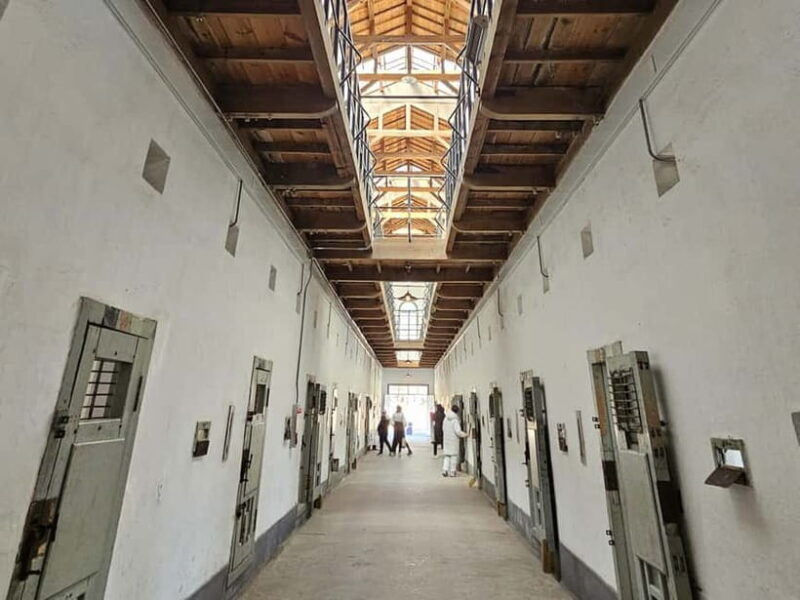
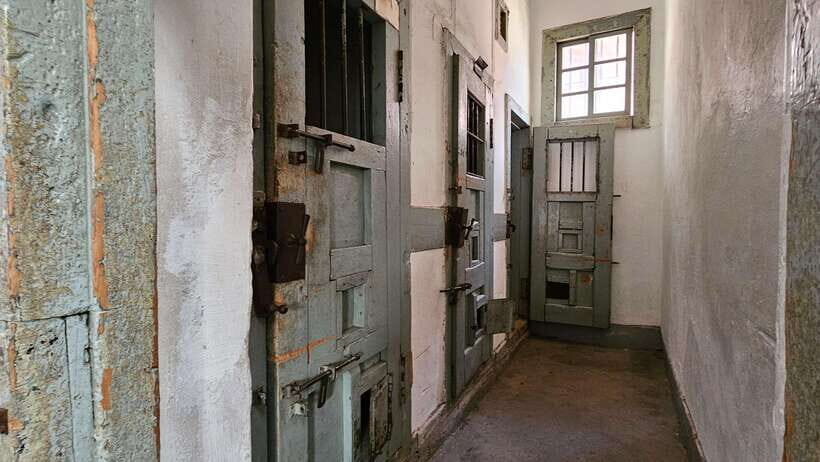
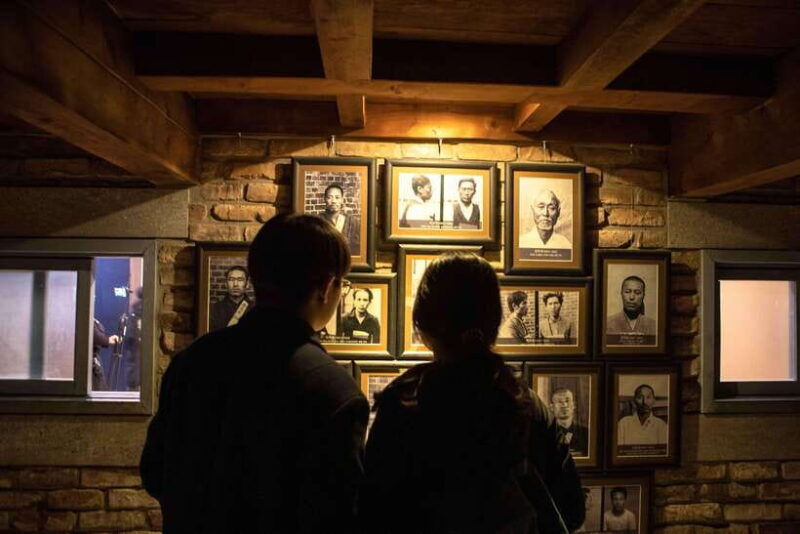
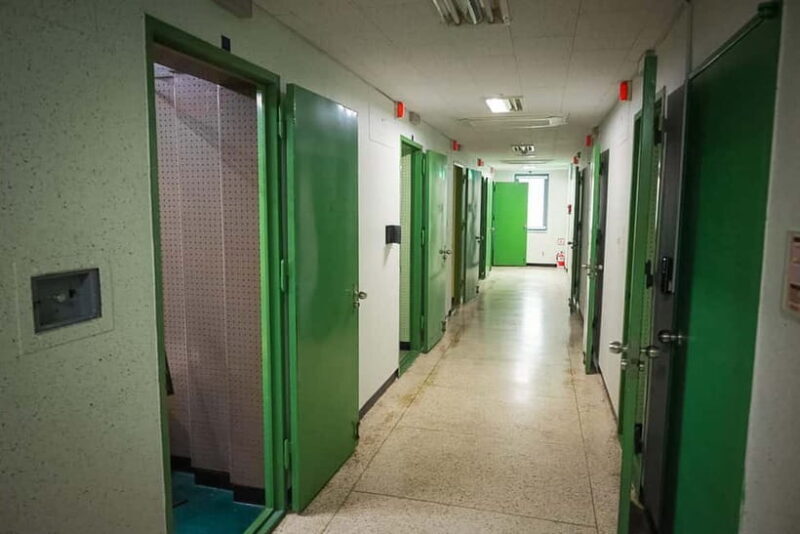
The journey begins at Dongnimmun Station, a symbolic starting point representing Korea’s desire for independence. From here, you walk to the Seodaemun Prison History Hall, a haunting reminder of Korea’s brutal colonization period. You’ll walk through cold, dimly lit cells and visit torture chambers that evoke the suffering endured by those daring to resist Japanese rule. As some reviews mention, “The prison tour is not for the faint-hearted,” but it’s essential for understanding the true cost of freedom.
Next, your guide takes you to Dongnimmun Arch, built to celebrate Korea’s independence, though it later witnessed the harsh realities of Japanese colonization. The tour continues with a visit to Dilkusha, the former residence of Albert W. Taylor, an American journalist who exposed Japan’s brutal occupation, adding a layer of international significance to Korea’s independence story. The final stop is Tapgol Park, where the 1919 independence movement was ignited, with the sounds of protests echoing through Seoul’s streets.
What travelers say:
David appreciated the guide’s enthusiasm, saying, “Chuck made the history come alive,” highlighting the importance of knowledgeable guiding. Joan found the tour a perfect way to start her trip, describing it as “very informative” and appreciating the small group setting for questions and pacing.
Package 2: Road to Democracy
Starting at Gwanghwamun Station, this route takes you into Korea’s more recent history. The National Museum of Korean Contemporary History provides context about post-war reconstruction and struggles against military regimes. The museum’s exhibits help you understand the political climate that shaped modern Korea.
From there, you stroll through Tongin Market, where you can enjoy a traditional lunch amid lively street scenes. It offers a taste of local life and a break from the more intense historical sites. The tour then visits Namsan KCIA headquarters, a site linked to surveillance and political repression, now a stark reminder of Korea’s authoritarian past. The final stop is the Korea Democracy Foundation, a place dedicated to remembering the sacrifices made to secure democratic freedoms.
What travelers say:
Huang noted the detailed explanations, saying, “Mr. Park’s explanations took us through the democratization process and many spots seen only in films.” This route provides a more modern perspective on Korea’s ongoing fight for freedom, making it particularly relevant for those interested in contemporary politics.
The Emotional Impact and Educational Value
Both routes are emotionally charged, with stories of courage, sacrifice, and resistance. The Seodaemun Prison visit, in particular, leaves a lasting impression, as visitors walk through dark corridors where brave Koreans endured suffering. It’s a stark reminder that freedom is often paid for in blood.
Guides excel at making history feel alive. As Joan said, “Joseph helped answer questions and made it possible to go at our own pace,” which is especially important when confronting such heavy stories. These personal touches help make the experience more meaningful.
You can also read our reviews of more guided tours in Seoul


Practical Considerations and Comfort
The tour involves public transportation, which helps keep costs low and experience authentic. However, travelers should be prepared for walking and potential shoe removal at Dilkusha, where slippers are provided. It’s recommended to wear comfortable shoes and dress appropriately for weather conditions, as the tour is outdoors and involves some walking.
Group sizes tend to be small, allowing for interaction and personalized attention. The tours operate in English, making the storytelling accessible for international visitors. Flexibility is a plus: you can reserve and pay later, and cancellations are allowed up to 24 hours in advance.
Who Will Appreciate This Tour?
This experience is best suited for history buffs, politically curious travelers, or anyone eager to see Korea through the lens of resistance and resilience. It’s particularly meaningful for those who want to go beyond surface-level sightseeing and truly understand the sacrifices that shaped modern Korea.
Given the emotional weight, it’s also suitable for older teens and adults comfortable with reflective, sometimes somber, stories. If you’re traveling with family, consider their comfort with intense historical sites like Seodaemun Prison.
Final Thoughts on the Value and Experience
For $46, this tour offers an authentic, insightful, and emotionally impactful look at Korea’s darkest hours and its extraordinary journey toward freedom. It’s not simply about ticking off historic sites but understanding the human stories behind the monuments. The guides’ expertise and passion turn what could be a mere walk through history into a memorable narrative.
Travelers who value local stories, courage, and political change will find this tour a highlight of their trip. It’s a chance to walk in the footsteps of those who fought against oppression, gaining a profound appreciation for Korea’s ongoing pursuit of democracy.
It’s also a comprehensive experience, connecting past and present, and providing context you might not get from books or museums alone. Whether you choose one package or both, this tour promises to be a meaningful chapter in your Korea adventure.
Blood & Tears: Korea Dark History Guided Walking Tour
FAQ
Is the tour suitable for young children or strollers?
Because the tour involves traveling by public transportation and walking through historic sites, it may be inconvenient for strollers or wheelchairs.
What is included in the price?
The fee covers guide services, admission fees, and public transportation during the tour.
Are meals included?
No, meals are not included, but you’ll have the opportunity to enjoy a traditional lunch at Tongin Market if you choose the democracy route.
Can I cancel my reservation?
Yes, you can cancel up to 24 hours in advance for a full refund, giving you flexibility in your travel plans.
Is the tour conducted in English?
Yes, the tour is offered in English, with guides who are well-versed in providing clear, engaging commentary.
How long does the tour last?
While the exact duration depends on the package, expect a half-day of immersive history, with some walking and transit.
Are there any physical demands?
The tour involves some walking and may require removing shoes at certain sites. Wear comfortable shoes and dress appropriately.
What is the best time of day to join?
The morning starts at 9:30 or 9:50, making it a good choice to begin your day with a meaningful experience.
Is this tour suitable for solo travelers or small groups?
Yes, the small group size enhances interaction, making it ideal for solo travelers or those who prefer an intimate setting.
Will I see authentic historic sites?
Absolutely. Sites like Seodaemun Prison, Tapgol Park, and the Korea Democracy Foundation are historically significant and very real.
To sum it up, the Blood & Tears tour offers a rare opportunity to connect with Korea’s struggles and triumphs. It’s a powerful experience for those willing to face some heavy stories, with guides who bring history to life. If understanding Korea’s journey from oppression to democracy interests you, this tour is an excellent choice—authentic, moving, and full of lessons that resonate well beyond the historical sites themselves.
You can check availability for your dates here: