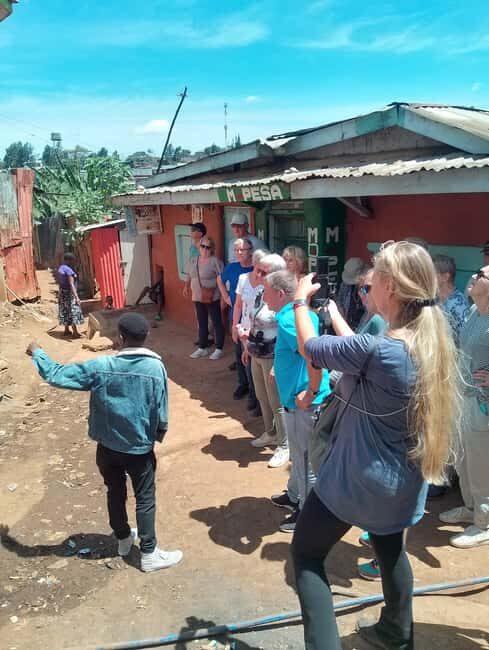
If you’re planning to visit Nairobi and want a glimpse into life beyond the city’s shiny skyscrapers and bustling markets, a Kibera slum tour with Lucas might be just what you need. This tour promises an authentic, respectful look at one of Africa’s largest informal settlements, led by guides born and raised in the community. While it offers genuine insight, it also balances the reality of poverty with stories of resilience.
What makes this experience stand out? First, the local guides, who know Kibera inside and out, bring a level of authenticity that no generic guidebook can match. Second, the tour supports a local school, turning your visit into a positive contribution. One possible consideration is that it involves quite a bit of walking over uneven terrain, so comfortable shoes are a must.
It’s best suited for travelers who are curious about real community life and want to see Nairobi from a different perspective — not just the tourist spots, but the heart of its people.
- Key Points
- An In-Depth Look at the Kibera Slum Tour
- Starting Point: Greenhouse Mall
- Exploring Toi Market: A Bustling Hub
- Victorious Craft Shop: Recycling with Creativity
- Meeting Power Women and Community Initiatives
- Inside a Kibera Home: Personal Stories
- Elevated View from the Old Railway Line
- Visiting the Kibera School
- Final Wrap-up at Equity Bank
- What to Expect and Practical Tips
- Duration, Cost, and Value
- Group Size and Flexibility
- Accessibility and Considerations
- Safety and Confidence
- What to Bring
- Authentic Experiences Highlighted by Visitors
- The Community Center and Supporting Local Development
- Wrapping Up: Is This Tour for You?
- Frequently Asked Questions
- The Best Of Nairobi!
- More Tours in Nairobi
- More Tour Reviews in Nairobi
Key Points
 1 / 6
 2 / 6
 3 / 6
 4 / 6
 5 / 6
 6 / 6
- Authentic insights guided by locals born and raised in Kibera.
- Supports community development through part of the tour fee.
- Variety of stops from markets and craft shops to home visits.
- Engaging storytelling that balances realism with hope.
- Good value at $35 per person, including multiple meaningful experiences.
- Accessible photography opportunities throughout the tour.
👉 See our pick of the 16 Best Tours & Things To Do In Nairobi (With Prices)
An In-Depth Look at the Kibera Slum Tour
You can also read our reviews of more tours and experiences in Nairobi.



Starting Point: Greenhouse Mall
The tour begins at the entrance of Greenhouse Mall on Ngong Road, where you’ll meet your guide and get a thorough briefing. This initial chat is your chance to ask questions, understand what the day will entail, and feel a bit more prepared for what’s ahead. The meeting place itself, a familiar shopping mall, sets a comfortable tone for visitors who might be arriving from their Nairobi hotel or other parts of the city.
Exploring Toi Market: A Bustling Hub
From here, you’ll head to Toi Market, the second-largest open-air market in Nairobi after Gikomba. This is a lively, sprawling space where vendors sell everything from clothes and food to hardware supplies. It’s a perfect place to see local commerce up close and to interact with traders, who are often eager to share their stories.
We loved the way this part of the tour shows the hustle and bustle of everyday life. You’ll witness how local residents make a living in a crowded, vibrant environment. The market is large, and the different sections offer plenty of photo opportunities — just remember to be respectful and ask before taking pictures.
Victorious Craft Shop: Recycling with Creativity
Next, the tour takes you to Victorious Craft shop, where artisans recycle domestic animal bones into jewelry and ornaments, often blending these with brass. It’s a fascinating example of how creativity and resourcefulness thrive in Kibera. One reviewer described it as a place where “domestic animal bones are recycled to make jewelry with a mixture of brass,” which highlights the ingenuity of local craftspeople.
This stop isn’t just about shopping; it’s about understanding how community members turn limited resources into meaningful art. It’s a reminder of the resilience and entrepreneurial spirit that persists despite hardships.
More Great Tours NearbyMeeting Power Women and Community Initiatives
The tour then introduces you to women who educate young girls about HIV/AIDS, giving insight into ongoing efforts to improve health and education. These power women are making a tangible difference, and meeting them helps dispel stereotypes of Kibera as just a place of despair.



Inside a Kibera Home: Personal Stories
One of the most impactful moments is the home visit, where you see inside a typical slum house. You’re not just observing from a distance but actually stepping into a family’s living space — a rare chance to witness daily routines, living conditions, and the warmth of community life.
Several reviews highlight how meaningful this part of the tour is: “Experience life inside a slum house,” and “Meet the family of the guides on duty.” It’s an intimate encounter that humanizes the residents and underscores the importance of such tours in fostering understanding.
Elevated View from the Old Railway Line
To get a broader perspective, the tour takes you to a raised point along the old colonial railway line. Here, you can see the sprawling size of Kibera from above, providing a visual context for how densely populated and complex the settlement is.
Visiting the Kibera School
The final stop at the Hope and Shine Kibera Centre is a highlight. This school supports over 40 children and is directly funded by part of your tour fee. It’s a chance to meet some of the kids and see the difference your visit makes in real terms.
Guests frequently comment on the hopeful atmosphere and the professionalism of the guides, who are passionate about their community. Visitors like John describe how they appreciated supporting the school and even donating books, coloring pens, and T-shirts. This adds a meaningful layer to the experience, transforming it from a simple tour into a chance to give back.
Final Wrap-up at Equity Bank
The tour ends back at Equity Bank in Kibera, a convenient central point. The guides are attentive and ensure you’re comfortable, including helping arrange transportation afterward. The flexibility offered by the tour organizer means you can tailor the experience somewhat to your interests.
What to Expect and Practical Tips
Duration, Cost, and Value
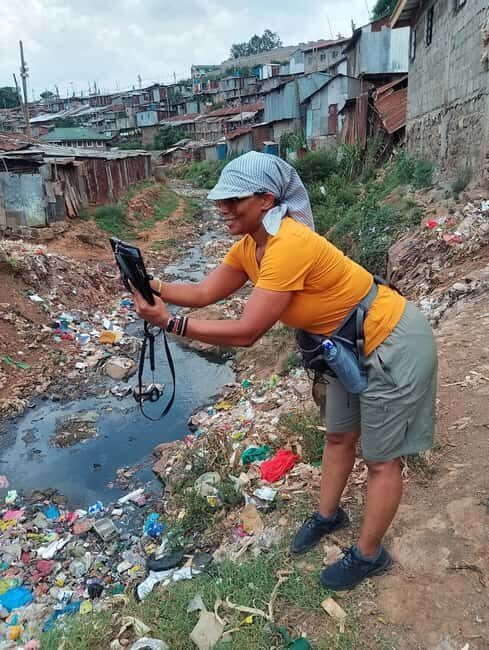
At $35 per person, this tour offers remarkable value. It includes all entry fees, a knowledgeable local guide, safety measures, and support for a community project. The tour typically lasts several hours, with a balance of walking and storytelling. Keep in mind that there’s quite a bit of walking over uneven or muddy ground, so comfortable, sturdy shoes are essential.
Group Size and Flexibility
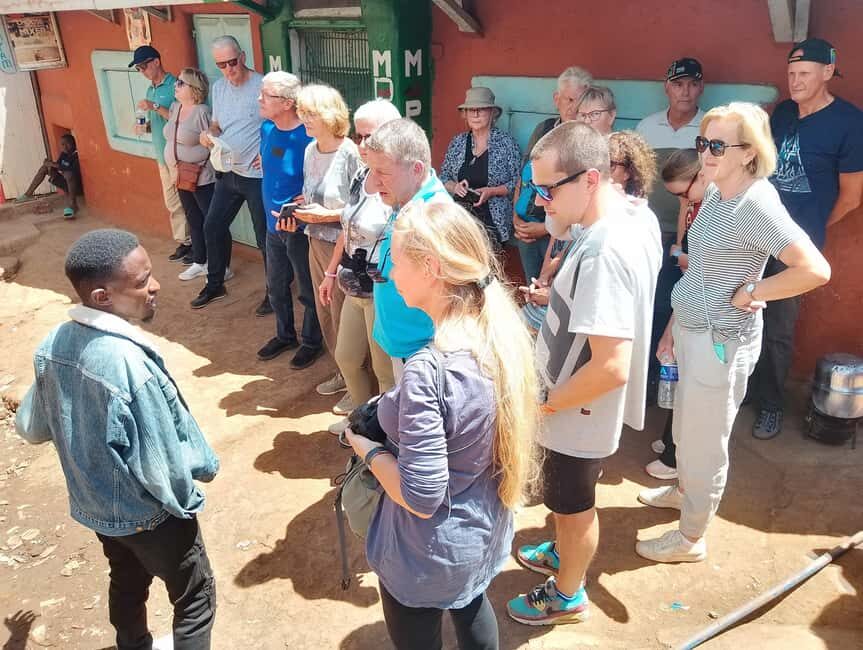
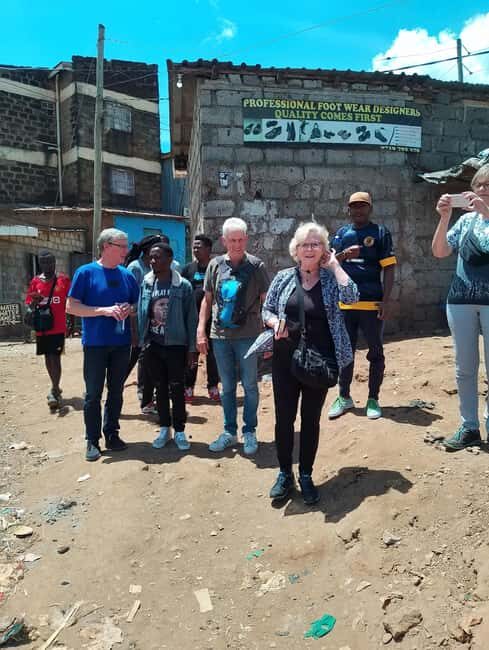
The tour caters to small groups, which helps foster an authentic and personal experience. The organizers are flexible and aim to accommodate individual interests, so don’t hesitate to ask questions or request extra time at certain stops.
Accessibility and Considerations
Since the tour involves some walking and navigating rough terrain, it’s not suitable for wheelchair users. It’s also best suited for travelers under 95 years old who are physically able to handle the terrain comfortably.
Safety and Confidence
Multiple reviews emphasize the safe and respectful environment created by guides who are local residents. Many travelers, including solo female travelers, have reported feeling secure and well looked after during the entire experience.
What to Bring
- Comfortable shoes for walking
- A camera to capture the vibrant scenes and moments with local families
- An open mind and respectful attitude
Authentic Experiences Highlighted by Visitors
Visitors consistently mention how this tour goes beyond typical sightseeing. Laura called it “a truly moving experience,” and Emma noted it’s a gift of understanding that’s hard to find elsewhere. Many appreciate how the guides, like Elijah and Lucas, bring genuine warmth and insight, making the experience memorable and enriching.
John appreciated the way guides explained local issues, from water and electricity access to sanitation, giving a rounded picture that connects the dots of daily life in Kibera. Dawn described the guide as “friendly and informative,” and said it was a truly memorable experience.
The Community Center and Supporting Local Development
The visit to the Hope and Shine Kibera Centre is not just sightseeing — it’s a chance to support education. The funds raised help develop the school, which provides a safe space and education for children who might otherwise be left behind. Visitors often mention feeling good about contributing to positive change.
Wrapping Up: Is This Tour for You?
This Kibera slum tour offers a rare opportunity to see a side of Nairobi that most visitors overlook. It’s perfect for travelers who crave authenticity and want a meaningful connection with local communities. If you’re interested in social issues, community development, or simply want to see how people live in different circumstances, this tour will leave a lasting impression.
While it’s not a light, casual walk, it’s well-organized and designed to be respectful and safe. The guides’ local knowledge and heartfelt stories make it stand out among urban tours. And the fact that part of your fee helps a local school makes it a worthwhile investment.
If you’re open-minded and prepared for a bit of walking, you’ll find this experience both eye-opening and inspiring. It’s a chance to see beyond the tourist façade and meet real people living real lives, with all their challenges and hopes.
Kibera slum tour with Lucas
Frequently Asked Questions
Is the tour suitable for children?
While specific age restrictions aren’t mentioned, the tour involves walking over uneven or muddy terrain, making it more suitable for older children or teenagers who can handle physical activity.
How long does the tour last?
The duration isn’t explicitly stated, but the itinerary suggests several hours of walking and visiting multiple sites. Expect a full morning or afternoon commitment.
What is included in the price?
The fee covers entry tickets, a local guide born and raised in Kibera, safety measures, and support for a local school. Photography opportunities are plentiful throughout.
Can I buy souvenirs during the tour?
Yes, at the craft shop and markets, you’ll find jewelry, ornaments, and local crafts. Remember, some shops might encourage purchases to support artisans, so shop mindfully.
Is this tour safe for solo travelers?
Many reviews state that guides ensure safety and create a respectful environment. Solo female travelers have expressed feeling secure and well looked after.
What should I bring with me?
Comfortable shoes and a camera are essential. Also, bringing some small donations or gifts for the school or families is appreciated.
This tour is a shining example of how travel can foster understanding and support local communities. With knowledgeable guides, meaningful stops, and a chance to give back, it offers a well-rounded, authentic look at life in Nairobi’s Kibera. It’s not just a tour — it’s an eye-opening experience that will stay with you long after you leave.
You can check availability for your dates here: