
Setting out on a visit to the Ntarama and Nyamata Genocide Memorials offers a profound look into Rwanda’s heartbreaking history, and it’s a journey no traveler should overlook. This guided tour from Kigali is designed not only to educate but also to inspire reflection. We’re reviewing this experience based on firsthand descriptions and reviews, aiming to help you decide if it’s right for you.
Two things stand out immediately: First, the powerful emotional impact of walking through memorial sites where thousands of victims of the 1994 genocide are remembered. Second, the expert guidance that helps put these tragic events into context with sensitivity and clarity. A potential consideration? The emotional weight might be overwhelming for some, so prepare yourself for a sobering experience.
This tour is best suited for those who want a meaningful, respectful encounter with Rwanda’s recent past — history buffs, students, or travelers looking to deepen their understanding of the country’s resilience and recovery. If you’re ready for an experience that’s both educational and emotional, this tour will resonate deeply.
Key Points
 1 / 4
 2 / 4
 3 / 4
 4 / 4
- Respectful storytelling enhances understanding of Rwanda’s tragic history
- Visiting two memorial sites offers a comprehensive view of the genocide’s impact
- Guided by knowledgeable local guides adds context and depth
- Convenient hotel pickup and drop-off simplifies logistics
- Cost of $220 reflects a well-organized, meaningful experience
- Visceral, authentic displays evoke a deep emotional response
An Honest Look at the Tour Experience
This guided tour from Kigali to the Ntarama and Nyamata Memorials offers a deeply moving and informative journey. Priced at $220 per person, it balances value with the profound importance of understanding Rwanda’s recent history. The experience generally lasts a full day, beginning with hotel pickup and concluding with your return in the afternoon, making it accessible without feeling rushed.
The Itinerary: What You’ll See and Feel
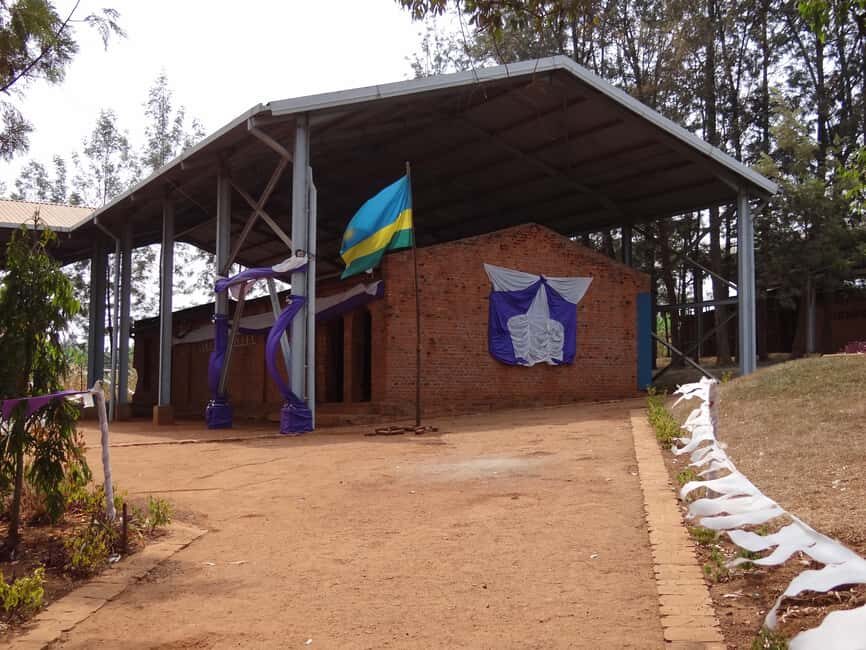
The day starts with a comfortable ride out of Kigali into the Bugesera region, about an hour or so from the city. The first stop is Ntarama Genocide Memorial, a site that is both historical and intensely emotional. Once a peaceful Catholic church, it was turned into a site of mass tragedy on August 15, 1994. Here, we loved the way the guide explained that about 5,000 victims were massacred within these walls. Seeing the preserved remains, clothing, and artifacts is a stark reminder of human horror, giving visitors an unflinching look into what happened.
The guide’s storytelling helps bring clarity, turning what could be overwhelming into an essential lesson in history and compassion. The visceral nature of this site—where human remains are still visible and artifacts remain—can be difficult but vital for grasping the scale of the tragedy. As one reviewer noted, “The genocide of 1994 is palpable in these places. Informative!” The emotional weight is real, and we found that most visitors leave with a new appreciation for Rwanda’s journey toward reconciliation.
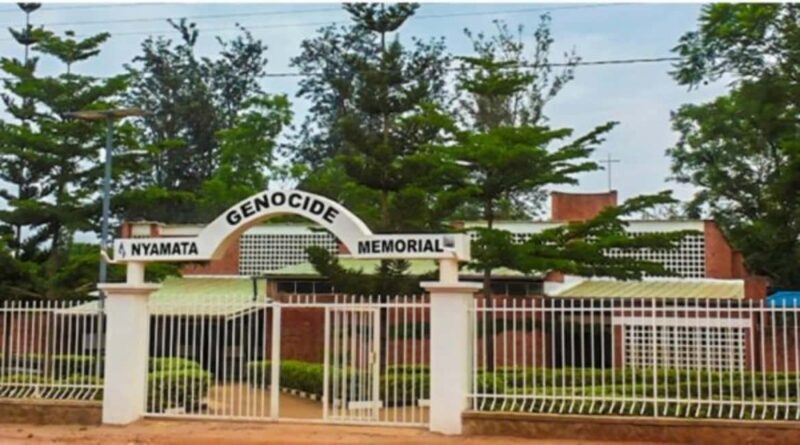
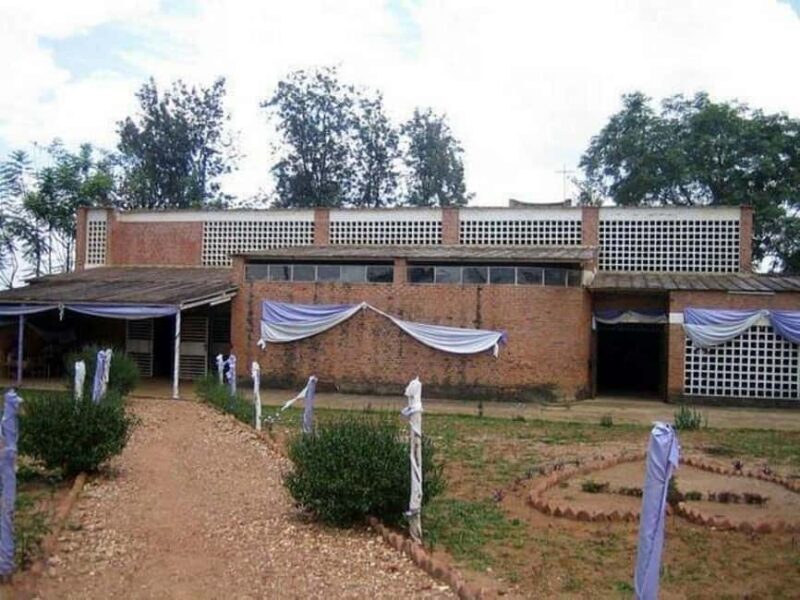
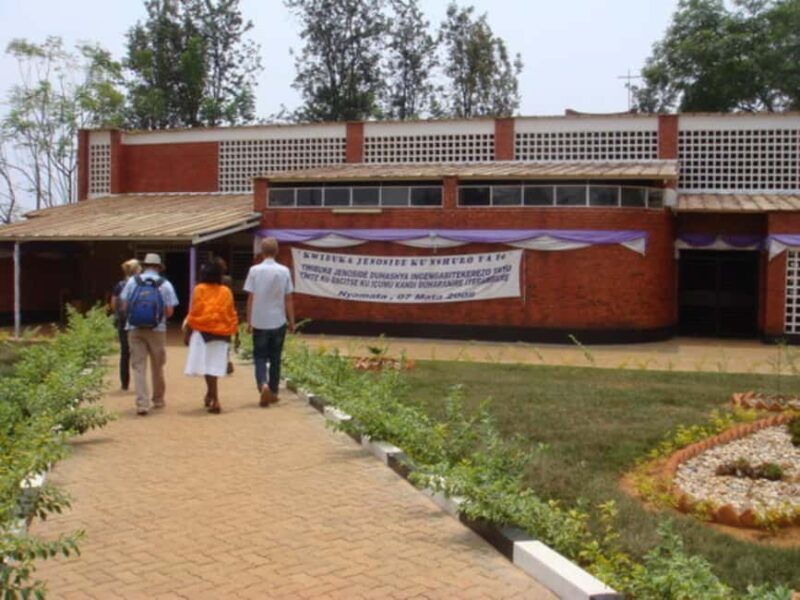
Next, the tour proceeds to Nyamata Genocide Memorial, about 35 kilometers from Kigali. This site was a church where around 10,000 victims were killed on April 10, 1994. The church still bears the scars of violence, with bullet holes visible in the walls and the iron door padlocked to protect residents from raiders. Seeing the remains of clothing and personal artifacts keeps the horror close to home. Here, too, the guide’s detailed explanations help uncover the tragic story behind the site, adding context to the raw emotional experience.
Why These Sites Matter
Both memorials serve as stark reminders of the horrors of genocide but also stand as symbols of resilience. The ongoing efforts to preserve these sites—like the current project to protect Ntarama—highlight the importance of remembrance. Visiting these sites isn’t just about looking at history; it’s about understanding the human stories behind the numbers.
What’s Included and What’s Not
The tour package includes hotel pickup and drop-off, an English-speaking guide, and a generous amount of information about Rwanda’s history. It’s a hassle-free way to explore these sites without worrying about transportation logistics. The price also includes a GetYourGuide commission, ensuring that your booking supports local guides and conservation efforts.
However, extras like lunch, drinks, or personal expenses are not included. This keeps the focus on the memorials, but travelers should plan to bring water and perhaps a snack, particularly if you’re emotionally drained after the visit.
More Great Tours NearbyThe Personal Touch: What Travelers Say
Feedback from those who’ve taken the tour reveals its emotional impact and educational value. Sven describes the experience as “palpable,” emphasizing how the sites convey the horror vividly and effectively. Robert highlights the visceral nature of the memorials, noting that they’re a reminder of how recent and real these events are. He also praises the guide, Augustin, who went “above and beyond,” even helping him find shaving cream after the tour. These reviews underscore the importance of a knowledgeable and caring guide, especially when confronting such difficult history.
Logistics and Practicalities
The tour starts in the morning and typically returns in the afternoon, allowing for a full but manageable day. The group sizes tend to be small, fostering an intimate and respectful environment. The price of $220 is reasonable considering the transportation, guide, and emotional depth of the experience.
If you’re concerned about flexibility, the booking policy allows you to reserve and pay later, with full refunds available if canceled 24 hours in advance. Contacting the tour provider after booking ensures you’ll get your transportation arranged smoothly.
Who Should Consider This Tour?
This tour is ideal for travelers seeking a meaningful, educational experience that will leave a lasting impression. It’s perfect for those interested in history, human rights, or Rwanda’s recovery story. It’s not a lighthearted excursion—it’s a somber, respectful reflection on one of the most tragic episodes of recent history. If you’re prepared for an emotional experience that offers deep insights into resilience and reconciliation, this is a highly valuable outing.
Final Thoughts: Why This Tour Matters
Visiting the Ntarama and Nyamata Memorials isn’t just about ticking off historical sites; it’s about confronting one of the darkest chapters in human history with honesty and respect. You’ll walk away with a clearer understanding of the devastating impact of the genocide, but also the resilience that keeps Rwanda moving forward. The guided aspect ensures your visit is informative and sensitive, helping you grasp complex history without feeling overwhelmed.
For travelers who want to connect emotionally, learn from history, and pay respects to victims, this tour offers an experience that’s as profound as it is necessary. The emotional weight is real, but so is the importance of remembrance and understanding. It’s a day that can genuinely change how you see Rwanda and the world.
Kigali: Ntarama and Nyamata Genocide Memorial Tour
FAQ
Is this tour suitable for children?
This tour is very emotional and involves confronting graphic displays of violence. It might be challenging for young children, so consider their maturity and ability to handle such content.
How long does the tour last?
The tour begins in the morning and concludes in the afternoon, typically offering a full day’s worth of visitation.
What is included in the price?
The cost covers hotel pickup and drop-off, an English-speaking guide, and transportation. Personal expenses, lunch, and drinks are not included.
Can I cancel or reschedule?
Yes, you can cancel up to 24 hours in advance for a full refund. Rescheduling details should be confirmed directly with the provider.
What is the transportation like?
You’ll travel in a private or small group vehicle, comfortable enough for a scenic drive out of Kigali and back.
Are the memorial sites accessible?
Yes, both Ntarama and Nyamata are accessible, but be prepared for some emotional intensity and possibly uneven surfaces at the sites.
Is this tour appropriate for solo travelers or groups?
It works well for both. The small group size fosters respect and intimacy, regardless of whether you’re traveling alone or with others.
Is there an opportunity to learn more about Rwanda’s recovery?
While the focus is on the genocide, guides often share insights into Rwanda’s ongoing efforts towards reconciliation and rebuilding.
What should I bring?
Bring water, perhaps a notebook for reflections, and tissues if you feel emotional. Dress modestly and comfortably.
Why is this tour important?
Because understanding the past helps prevent future atrocities. Visiting these memorials keeps the memory alive and honors the victims.
Through this tour, you’re not just observing history—you’re engaging with it in a way that fosters empathy and awareness. It’s a profound journey that, while difficult, offers lasting insights into human resilience and the importance of remembrance.
You can check availability for your dates here: