Planning a trip to northern Vietnam? If the idea of wandering among terraced rice paddies, meeting local hill tribes, and enjoying cool mountain air appeals, then a 2-day Sapa tour from Hanoi might be just what you’re looking for. We’ve looked into this experience to help you decide if it’s the right fit, and here’s what we found that makes it stand out—and what you should keep in mind.
First, what we love: the combination of culture and scenic trekking. You’ll get a chance to see traditional costumes, local villages, and stunning mountain vistas all wrapped into a manageable two-day trip. Plus, the included meals and comfortable transport make this a convenient way to explore a remote corner of Vietnam without the hassle of planning every detail yourself.
On the flip side, a potential drawback is that some attractions, like Cat Cat Village, cater heavily to travelers and might feel less authentic than you’d hope. Also, the weather in Sapa can be unpredictable and sometimes foggy, especially from December to March, which might obscure some views. This tour works best for travelers eager for a snapshot of Sapa’s highlights and who are comfortable with group travel and basic trekking.
Who is this tour ideal for? If you’re looking for a well-organized, reasonably priced introduction to Sapa with a balance of sightseeing and cultural encounters, it’s a solid choice. It’s perfect for those who prefer to travel with a group, enjoy scenic hikes, and want a taste of hill-tribe life without the fuss of overnights in remote homestays.
- Key Points
- An Honest Look at the 2-Day Hanoi to Sapa Tour
- Getting There: Transportation and First Impressions
- Arrival and First Impressions in Sapa
- Afternoon: Exploring Cat Cat Village
- Evening: Free Time and Dinner
- Day Two: Trekking Through Rice Terraces and Villages
- Lunch and Free Afternoon
- Return Journey
- Authenticity, Value, and Travelers’ Perspectives
- The Bottom Line for Travelers
- The Sum Up
- FAQ
- More 2-Day Experiences in Sa Pa
- More Tours in Sa Pa
- More Tour Reviews in Sa Pa
Key Points


- Comfortable, budget-friendly option for a quick Sapa experience from Hanoi
- Includes visits to Cat Cat, Lao Chai, and Ta Van villages with scenic treks
- All-important logistics—meals, transportation, and guides—are covered
- Some attractions may be touristy, and weather can affect views
- Suitable for travelers who enjoy moderate trekking and cultural sights
- The group size is limited, fostering a more intimate experience
An Honest Look at the 2-Day Hanoi to Sapa Tour
If you’re considering this tour, it’s helpful to understand what the experience entails, what you’ll see, and how it might suit your travel style. We’ll break down each part of the itinerary, along with insights from actual travelers.
You can also read our reviews of more tours and experiences in Sa Pa



Getting There: Transportation and First Impressions
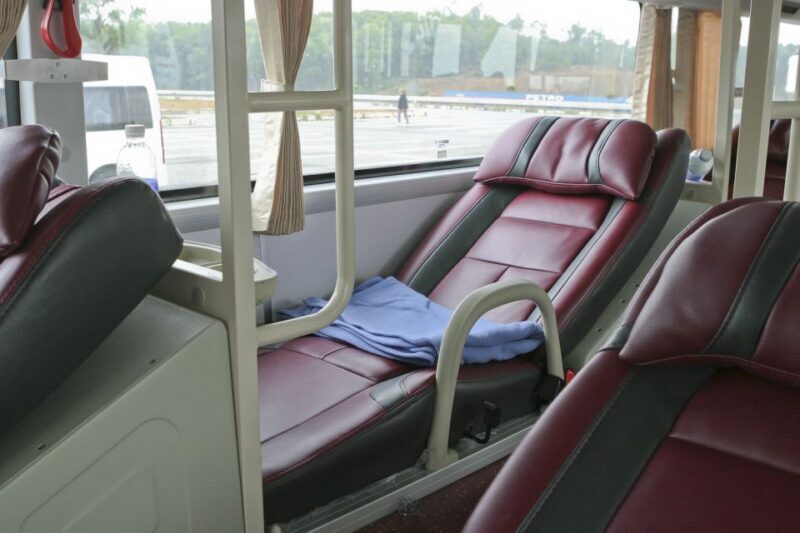
The journey begins with pickup in Hanoi’s Old Quarter, a lively area full of character. The tour offers an air-conditioned shuttle bus from Hanoi to Sapa, with a standard group size of 30-40 people. For those seeking extra comfort, an upgraded deluxe bus is available at an additional cost ($15 USD per person). This is worth considering if you’re sensitive to long bus rides, as the trip can be quite lengthy—around 6-7 hours including comfort stops.
Traveling by bus in a sizable group might not appeal to everyone; some travelers might find it a bit crowded or less personal. However, most reviews praise the reliable transportation and friendly drivers, which are essential on a trip of this length.
Arrival and First Impressions in Sapa
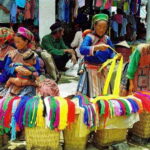
Once in Sapa—usually around lunchtime—you’re greeted by a colorful scene of local ethnic groups dressed in traditional costumes: Hmong, Dzao, and Tay. This visual feast is a highlight for many visitors, as the vibrant textiles and headwear make for excellent photos.
Your guide provides quick insights, setting the stage for the cultural and scenic discoveries ahead. After checking into your hotel, a set menu lunch introduces you to Vietnamese cuisine—simple, flavorful, and filling—perfect fuel for the adventures to come.
Afternoon: Exploring Cat Cat Village
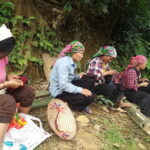
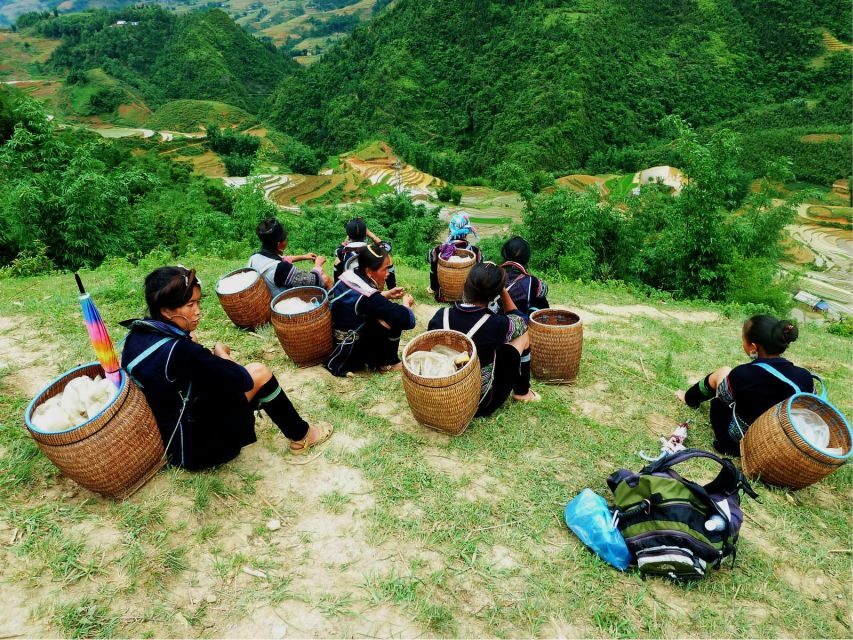
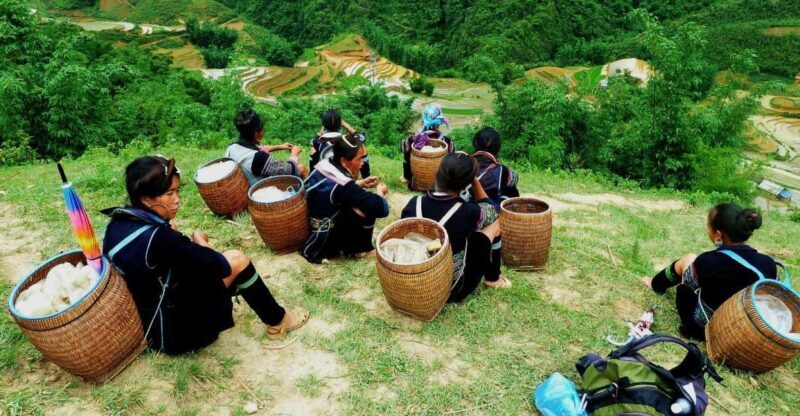
Your first stop is Cat Cat Village, home to the Black Hmong people. The walk down to the village is short but scenic—think lush greenery and a deep valley setting. Here, you’ll see locals engaged in daily activities, from weaving to farming, and enjoy a guided trek to a waterfall and hydraulic power station.
This part of the tour can be a mixed bag, as some travelers note that Cat Cat is heavily touristed. One reviewer commented, “Cat Cat Village is purely a tourist attraction,” but still appreciated the chance to see traditional costumes and local life. The village’s popularity means it’s often crowded, which can diminish the sense of authenticity but does offer a lively atmosphere.
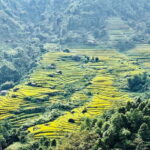
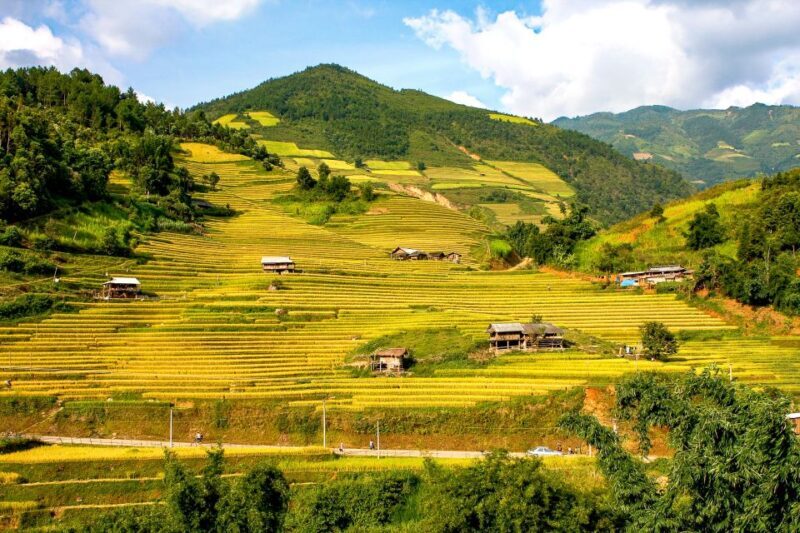
The trek to the waterfall lasts about 2 hours and covers roughly 2.5 km. It’s moderate in difficulty but manageable for most people with decent shoes. The scenery is quite pretty, though the timing of the trip means your view of the rice terraces may not be their most colorful—rice planting happens in March, so by September, the fields are yellow, not green.
More Great Tours NearbyEvening: Free Time and Dinner
After returning to Sapa town, you’ll have some free time to relax or explore at your own pace. The town offers a handful of cafes and shops, but don’t expect a bustling city vibe—this is a small mountain town.
Dinner is included and typically features Vietnamese dishes, giving you a taste of the local flavors. Many travelers find the included meals satisfying, especially after a day of traveling and sightseeing.





Day Two: Trekking Through Rice Terraces and Villages
The next morning, after breakfast, you’ll check out and prepare for a full day of trekking. Your light pack means you won’t be burdened with too much luggage, which can be stored at the hotel.
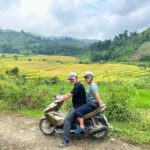
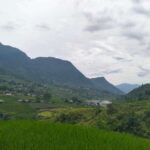
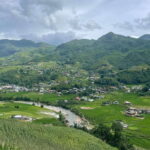
The first trek takes you through rice terraces and along Muong Hoa Stream to Lao Chai Village, home to the Black Hmong. Here, the landscape truly showcases the iconic terraced paddies that make Sapa famous. The view is spectacular, especially in the right season, with lush green mountains and winding streams.
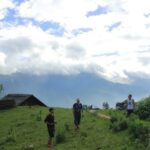
From Lao Chai, the path continues to Ta Van Village—home to the Dzao people. The walk covers about 9 km and takes roughly 3.5 hours, meaning you should be comfortable with moderate hiking. The terrain involves some ups and downs, but the scenery—mountains, terraces, and local farm life—is well worth it.
Lunch and Free Afternoon
Back in Sapa for lunch, many find it a good opportunity to relax and recharge. Some reviews mention the availability of public bathrooms and showers, which can be appreciated after a day of trekking.
You’ll have some free time in the afternoon, perfect for a quick shower or a leisurely stroll around town. The tours typically end around 3:30 PM, with a group departure back to Hanoi scheduled in the late afternoon or evening.
Return Journey
The return trip features the same bus options as the journey to Sapa—standard or deluxe. The group size remains small, limiting some of the social aspect but maintaining a more personalized experience overall. You’ll be dropped off in Hanoi’s Old Quarter, making it easy to connect with your accommodation or plan your evening.
Authenticity, Value, and Travelers’ Perspectives
While the tour is well-regarded for its convenience and broad coverage of Sapa’s highlights, some travelers note that certain attractions, like Cat Cat Village, are heavily geared toward travelers. As one reviewer mentioned, “The women from the village who accompanied us were very pushy,” which can feel a bit intrusive. However, most guides are friendly and eager to share insights into local customs and traditions.
Regarding value, the $105 price tag includes almost everything: transport, meals, guides, entrance fees, and accommodation. For a quick, organized trip that covers the key sights and offers local meals, it’s quite reasonable. But keep in mind that the experience is a balance of sightseeing and comfort, not a deep culture or remote trekking adventure.
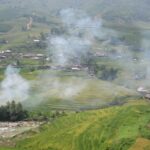
The weather can be a factor—Sapa’s altitude makes it prone to fog and cold, especially from September to March. Travelers should pack warm clothing, hats, and scarves, as suggested, to stay comfortable during the trips.
The Bottom Line for Travelers
This tour offers an efficient way to see some of Sapa’s best-known sights in just two days. It’s especially suitable for those new to trekking, or travelers who prefer a structured itinerary with all logistics handled. Expect scenic vistas, some cultural insights, and a taste of mountain life, though be prepared for crowds and variable weather.
The Sum Up
For anyone eager to tick off Sapa from their Vietnam itinerary without spending too much time or money, this 2-day tour from Hanoi offers a balanced mix of scenery, culture, and convenience. The included transportation, guides, and meals make it a practical choice for busy travelers or those venturing to Vietnam for the first time.
It’s a good fit for those who enjoy moderate hikes and want to see traditional villages, but it’s less suited for travelers seeking complete immersion or off-the-beaten-path adventures. The tour’s reliance on tourist-oriented attractions means you’ll get a snapshot of Sapa, but perhaps not the full authentic experience of lesser-visited villages.
Overall, if you’re looking for an affordable, well-organized trip that captures the essence of Sapa’s stunning landscapes and hill-tribe culture, this tour delivers solid value with plenty of memorable moments.
From Hanoi: Explore Sapa 2-Day Tour
FAQ
Is transportation included in this tour?
Yes, the tour provides air-conditioned return shuttle buses from Hanoi to Sapa, with options for a deluxe bus at extra cost.
What should I bring for the trek?
Comfortable shoes, weather-appropriate clothing, a hat, and a scarf are recommended. It’s a good idea to carry a light pack for the trek, and personal essentials like passport or ID.
Are meals included?
Yes, the tour includes 1 dinner, 2 lunches, and 1 breakfast, giving you a taste of local cuisine along the way.
Can I extend my stay in Sapa?
The tour ends back in Hanoi; if you want more time in Sapa, you’ll need to arrange additional accommodation and transport separately.
Is the tour suitable for children or pregnant women?
It’s not recommended for children under 6, pregnant women, or travelers with mobility issues, as some walking and moderate trekking are involved.
Will I see the rice terraces in full bloom?
Timing matters—by September, the rice paddies are usually yellow rather than lush green, as planting occurs in March. Weather can also obscure views, especially in winter months.
What if I want a more authentic or less touristy experience?
This tour is designed for convenience and highlights popular spots, so for a deeper culture or off-the-beaten-path visits, you might seek private guides or longer trips.
This 2-day Hanoi to Sapa tour balances scenic beauty, cultural experience, and practicality, making it a worthy choice for those wanting a taste of Vietnam’s mountainous north without overcomplicating their plans.
You can check availability for your dates here: