
Travelers seeking an authentic Himalayan experience will find this 13-day trek around Mt. Manaslu an engaging adventure. This journey combines spectacular mountain views, culture, and remote wilderness—perfect for those craving a challenge without the crowds of more popular routes.
What we love about this trek is how it balances spectacular scenery with cultural richness. You’ll get close to the world’s 8th highest peak, Mt. Manaslu, and experience traditional Tibetan-influenced villages that have retained their charm. Plus, the crossing of the Larkya La Pass (5,160m) is a highlight, offering some of the most dramatic vistas in Nepal.
A consideration for travelers: this trek is remote and physically demanding, with several days of high-altitude walking and a significant altitude gain. It’s best suited for those with some trekking experience and good physical condition. If you’re after an off-the-beaten-path adventure that’s more than just a stroll, this is a great choice.
This tour suits travelers who want a richer, more authentic Himalayan journey—those prepared for some tough days but eager to see a less crowded side of Nepal. Budget-conscious travelers will appreciate the value of an inclusive price of $540 per person, which covers guides, permits, and some gear.
- Key Points
- An In-Depth Look at the Itinerary
- Day 1: Kathmandu to Soti Khola
- Day 2: Soti Khola to Machha Khola
- Day 3: Machha Khola to Jagat
- Day 4: Jagat to Deng
- Day 5: Deng to Namrung
- Day 6: Namrung to Samagaon
- Day 7: Acclimatization and Base Camp Hike
- Day 8: Samagaon to Samdo
- Day 9: Samdo to Dharmashala (Larke Phedi)
- Day 10: Crossing Larkya La Pass and Descending to Bimtang
- Day 11: Bimtang to Dharapani
- Day 12: Drive Back to Kathmandu
- Day 13: Departure
- What We Think About the Experience
- The Cultural Aspect
- The Practical Side
- Final Thoughts
- FAQ
Key Points
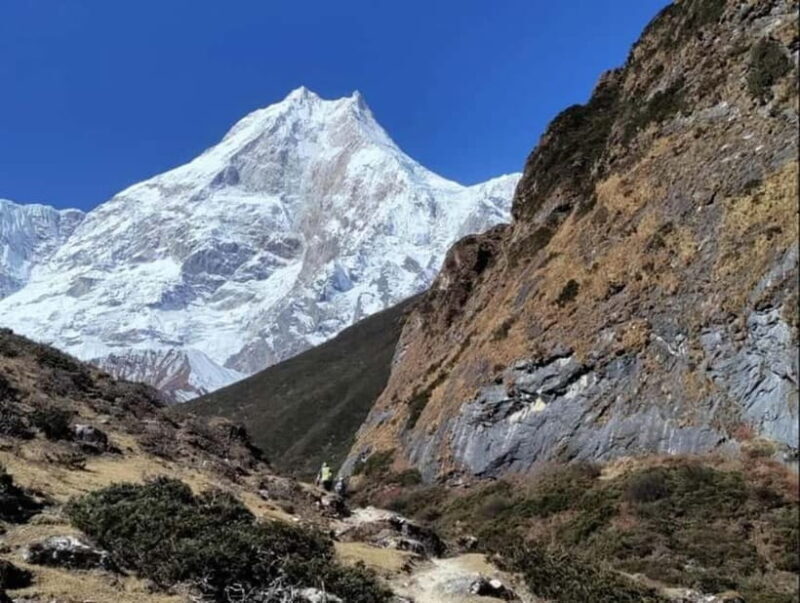
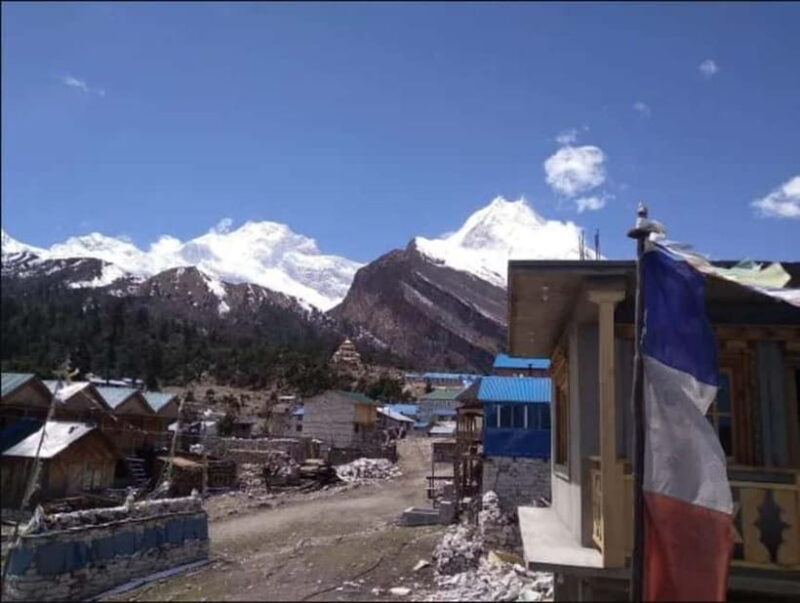
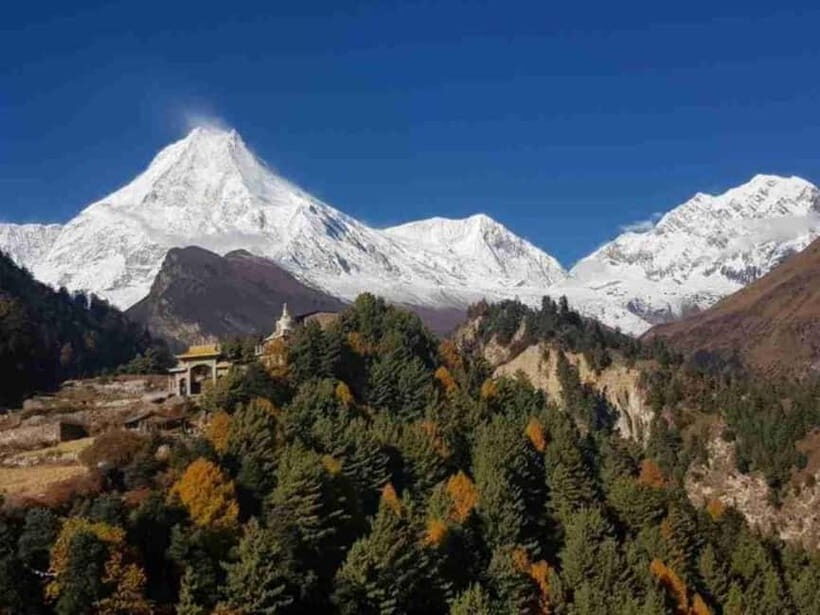
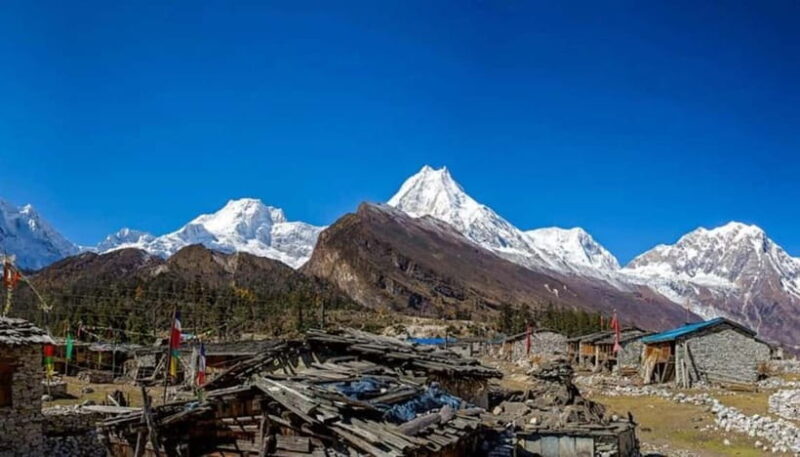
- Spectacular Mountain Views: You’ll get close to Mt. Manaslu (8,163m), the eighth highest peak in the world.
- Cultural Encounters: Trek through villages with Tibetan influence, mani walls, and traditional mountain lifestyles.
- Remote Trails and High Passes: Experience fewer crowds, crossing the Larkya La Pass at 5,160m.
- Diverse Landscapes: From lush forests to high alpine terrain, the scenery constantly changes.
- Inclusive Pricing: The cost covers permits, guides, gear, and some meals, offering good value for a multi-day trek.
- Adventure and Acclimatization: The itinerary includes an acclimatization day and a hike to the Manaslu Base Camp for better altitude adjustment.
An In-Depth Look at the Itinerary
Day 1: Kathmandu to Soti Khola
Your journey begins with a scenic drive from Kathmandu that takes around 8-9 hours. Expect a route that winds through hills, rivers, and countryside, offering a glimpse of Nepal’s rural life before the real trekking begins. The drive is long but comfortable, and it sets the tone for the adventure ahead.
Day 2: Soti Khola to Machha Khola
Trekking from Soti Khola to Machha Khola, you’ll spend around 6-7 hours navigating through forests, waterfalls, and Gurung villages. The trail is moderate but packs enough variety to keep you engaged—think lush greenery and the sound of rushing streams.
Day 3: Machha Khola to Jagat
Cross suspension bridges and pass terraced hillsides as you reach Jagat. This is a classic Himalayan day, walking along well-trodden paths with picturesque views. Jagat is a small but lively village and a good place to rest before heading into more remote territory.
More Great Tours NearbyDay 4: Jagat to Deng
Entering the restricted Manaslu region means you’ll need permits, which are included in the tour. The landscape becomes more dramatic, with waterfalls and traditional villages. The terrain slowly gains altitude, preparing you for the higher elevations.
Day 5: Deng to Namrung
Progressing to Namrung, you’ll see lush forests and Buddhist mani walls, a visual treat and cultural highlight. This section emphasizes the Tibetan influence, with monasteries and prayer flags dotting the scenery.
Day 6: Namrung to Samagaon
Reaching Samagaon marks the point where Mt. Manaslu begins to dominate your view. The village is a Sherpa hub, and you’ll notice a shift in the local culture and architecture. The walk takes about 6-7 hours, but the anticipation of seeing Mt. Manaslu makes it worthwhile.
Day 7: Acclimatization and Base Camp Hike
An important day for altitude adjustment, this includes a hike to the Manaslu Base Camp at 4,800m. You’ll trek glaciers and get up-close views of the mountain. Several reviews highlight this day as a highlight, with many noting how spectacularly close you can get to the massif.
Day 8: Samagaon to Samdo
Cross yak pastures and high-altitude terrain, with spectacular views of surrounding peaks. This part of the trek starts to feel truly remote, with vast open spaces and fewer signs of civilization.
Day 9: Samdo to Dharmashala (Larke Phedi)
A short but steep trek in preparation for crossing the Larkya La Pass. The ascent is challenging but manageable with acclimatization, and the views from Dharmashala are rewarding.
Day 10: Crossing Larkya La Pass and Descending to Bimtang
This is the “big day.” The crossing of Larkya La at 5,160m offers some of the most breathtaking scenery in Nepal. Expect sweeping panoramas of Himlung, Cheo, and Annapurna II. The descent to Bimtang is a welcome rest after the high-altitude exertion.
Day 11: Bimtang to Dharapani
Descending through rhododendron forests, you’ll pass through villages and lush landscapes, marking the final leg of your trek. Many reviewers say this day is both physically relieving and scenic.
Day 12: Drive Back to Kathmandu
A long but scenic drive back, about 8-9 hours, allows reflection on the journey. You’ll notice how the landscape shifts from remote wilderness to familiar urban sights as you approach Nepal’s capital.
Day 13: Departure
The tour ends with airport transfers, leaving you with memories of an epic Himalayan adventure.
What We Think About the Experience
The Manaslu Circuit and Base Camp Trek offers a wonderful blend of natural beauty, cultural authenticity, and physical challenge. The inclusion of a guided trek with experienced licensed guides ensures safety and insight. Many reviews mention the knowledgeable guides who make the journey more meaningful and ensure logistical smoothness.
The cost of $540 per person seems very reasonable considering what’s included—permits, guides, some gear, and permits. The tour’s structure allows flexibility, with options for transport and accommodations in the mountains, making it accessible for different preferences and budgets.
The trek’s remote nature means you’ll encounter fewer trekkers compared to the Annapurna Circuit or Everest Base Camp, which can be a blessing if you prefer solitude or authentic mountain life. However, the higher altitude days demand good physical preparation and acclimatization, which the itinerary thoughtfully incorporates.
The Larkya La Pass crossing is a major highlight—many travelers rave about the panoramic views and the sense of achievement after summiting the high pass. That said, the day is long and demanding, and weather can sometimes be unpredictable at such heights, so flexibility and proper gear are essential.
The Cultural Aspect
Walking through Tibetan-influenced villages gives the trek a distinctive flavor. You’ll see prayer flags fluttering, monasteries perched on hillsides, and local villagers maintaining age-old traditions. Several reviews highlight how these cultural encounters enrich the experience beyond just the mountain scenery.
The Practical Side
The tour provides comprehensive gear including a duffel bag, sleeping bag, down jacket, and an oxygen meter—helpful tools for high-altitude trekking. The inclusion of emergency first aid kits and permits further underscores the focus on safety.
Group sizes tend to be manageable, and the guides’ familiarity with the area ensures that you’ll get the most out of each day. The optional transportation upgrades (private jeep or local bus) enhance comfort and flexibility, especially for the return drive.
Final Thoughts
This trek is a solid choice for those wanting a less crowded, more authentic Himalayan experience with a good mix of adventure, culture, and stunning scenery. Its moderate price and inclusive features make it appealing, but be aware that the high-altitude days require physical fitness and mental resilience.
Travelers who enjoy challenging hikes with rewarding views will find this route particularly satisfying. It’s best for those with some trekking experience, a sense of adventure, and a desire to connect with Nepal’s Tibetan-influenced culture.
If you’re after an off-the-beaten-path trek that combines natural beauty, cultural insights, and a sense of achievement, this Manaslu Circuit and Base Camp tour offers excellent value and memorable experiences.
From Kathmandu: 13-Day Manaslu Circuit and Base Camp Trek
FAQ
What is included in the tour price?
The $540 fee covers experienced guides, permits (including the Local Government Entry Permit and TIMS), guide salaries, insurance, equipment, transport, food (if option selected), hotel stays in the mountains (if option selected), porter services (if option selected), all government taxes, and an attractive travel T-shirt. It also includes essentials like an oxygen meter, emergency first aid kits, and trekking maps.
Are accommodations provided in Kathmandu?
No, the tour price does not include accommodations or meals in Kathmandu. Travelers should plan to arrange their own hotels and meals before and after the trek.
What gear is provided for the trek?
The tour supplies a duffel bag, sleeping bag with liner, and a down jacket (which must be returned after the trek). Personal trekking gear like additional clothing and personal equipment is for the traveler to organize or rent in Kathmandu.
Can I join if I have no trekking experience?
While some experience helps, the trek is designed with acclimatization days and manageable daily distances. However, the high-altitude crossings are physically demanding, so a basic level of fitness and mental preparedness are recommended.
What about safety during the high-altitude days?
Safety measures include the use of an oxygen meter and experienced guides familiar with altitude sickness prevention. The itinerary allows for acclimatization, and the guides monitor your health throughout.
How long are the driving days?
The drive from Kathmandu to Soti Khola and back is approximately 8-9 hours each way. The return drive is included in the plan, and options for private jeep or local bus are available.
Is the trek suitable for children or elderly?
The trek involves high-altitude passes and physically demanding days, so it’s best suited for healthy, experienced trekkers. Elderly travelers or those with health issues should consult with a doctor and consider the physical demands.
What is the best time of year to do this trek?
While not explicitly stated, most Nepal treks are best between spring (March to May) and autumn (September to November), when weather conditions are more stable and views clearer.
Choosing this trek means embracing an adventure that’s both challenging and rewarding. It’s perfect for those wanting to see Nepal’s mountain grandeur away from the crowds and to experience its Tibetan culture firsthand. Prepare well, and you’ll walk away with stories and memories that last a lifetime.
You can check availability for your dates here: