Planning a trek in Nepal can be daunting, but this 5-day private Annapurna Basecamp (ABC) Trek offers an excellent way to experience some of the Himalayas’ most iconic sights without the months of preparation that longer routes demand. It’s a rewarding journey for those wanting a taste of high-altitude adventure, breathtaking mountain views, and culture, all in a shorter, manageable timeframe.
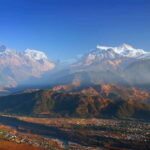
What we love about this tour? First, the stunning views of peaks like Annapurna South and Machapuchare (the Fishtail) are truly memorable. Second, the chance to stroll through traditional Gurung and Magar villages enriches the experience with local culture. The price of $343 per person offers solid value, especially considering the inclusive transportation, guide, and accommodations.
A potential consideration? The trek involves some steep ascents and descents, so a basic level of fitness will make the experience more enjoyable.
Perfect for those with limited time or less demanding physical readiness, this trek suits travelers eager for Himalayan scenery with a bit of cultural flavor.
- Key Points
- An In-Depth Look at the 5-Day Annapurna Basecamp Trek
- Day 1: From Pokhara to Chhomrong — A Scenic Start
- Day 2: From Chhomrong to Himalaya — Encountering the Forest and Peaks
- Day 3: To the Heart of the Himalayas — Annapurna Base Camp
- Day 4: Sunrise at Annapurna Base Camp and Return to Sinuwa
- Day 5: Return to Pokhara — The Scenic Farewell
- The Practicalities and Value
- Weather and Seasons
- What to Bring
- Who Will Love This Trek?
- Final Thoughts
- FAQs
- More Hiking & Trekking Tours in Pokhara
- More Private Tours in Pokhara
- More Tour Reviews in Pokhara
Key Points
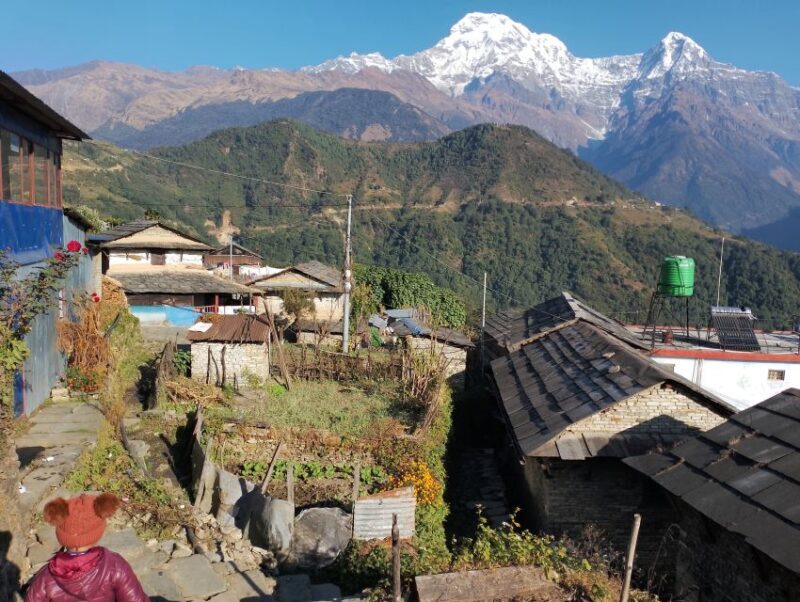
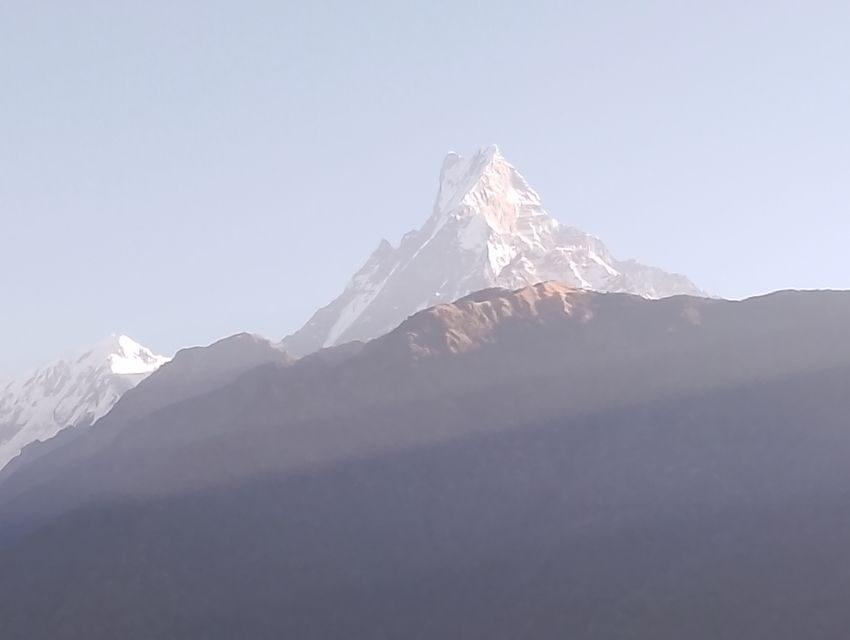
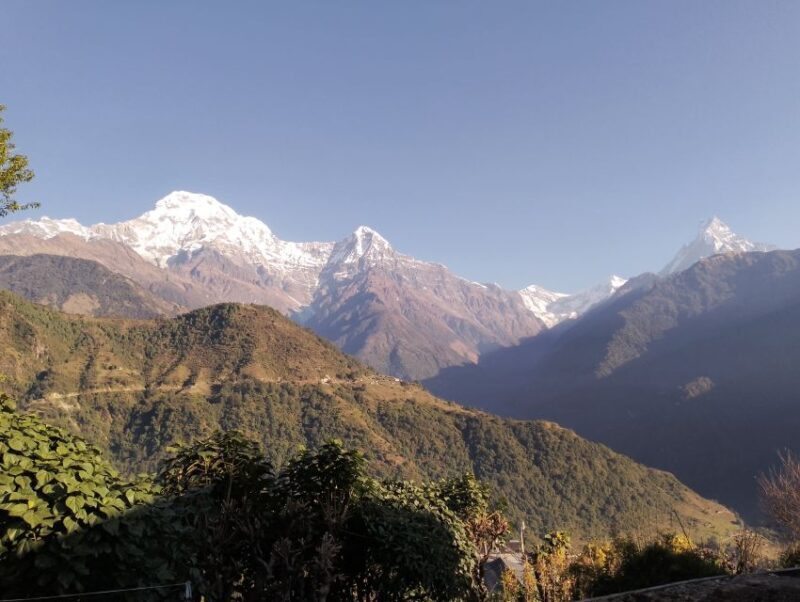
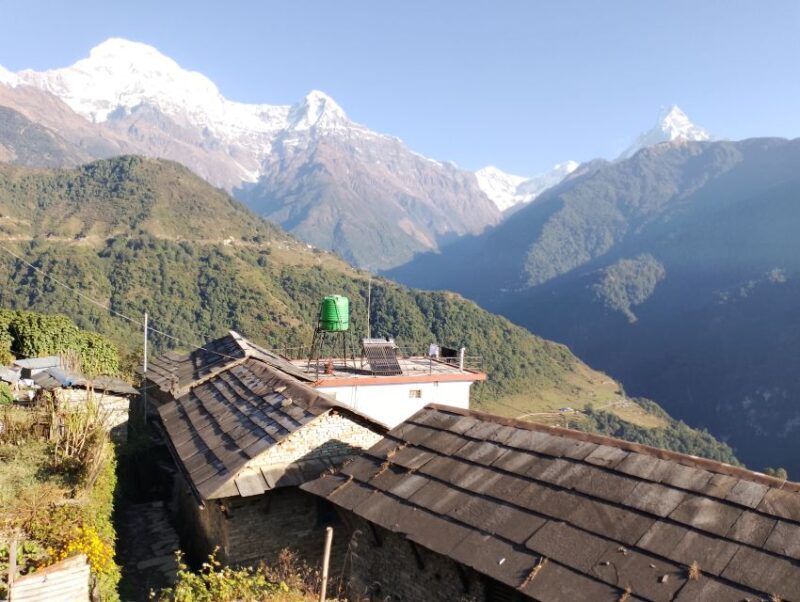
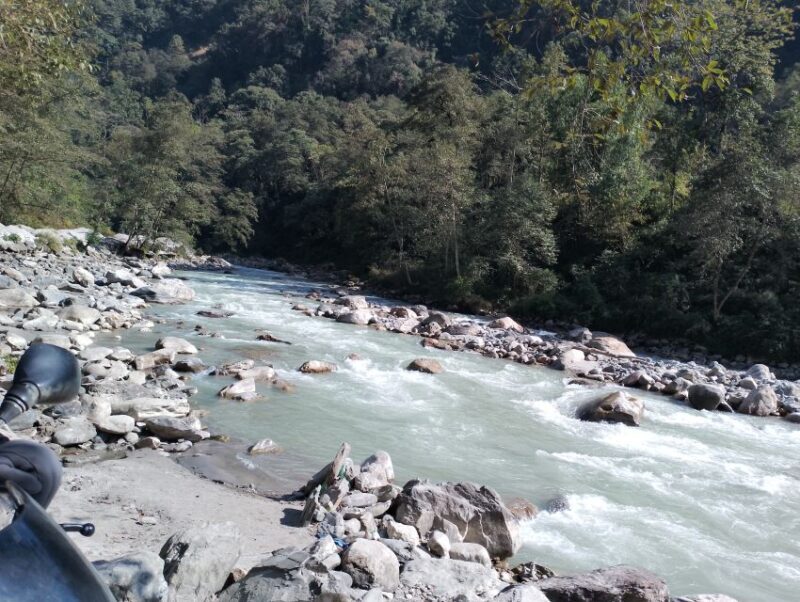
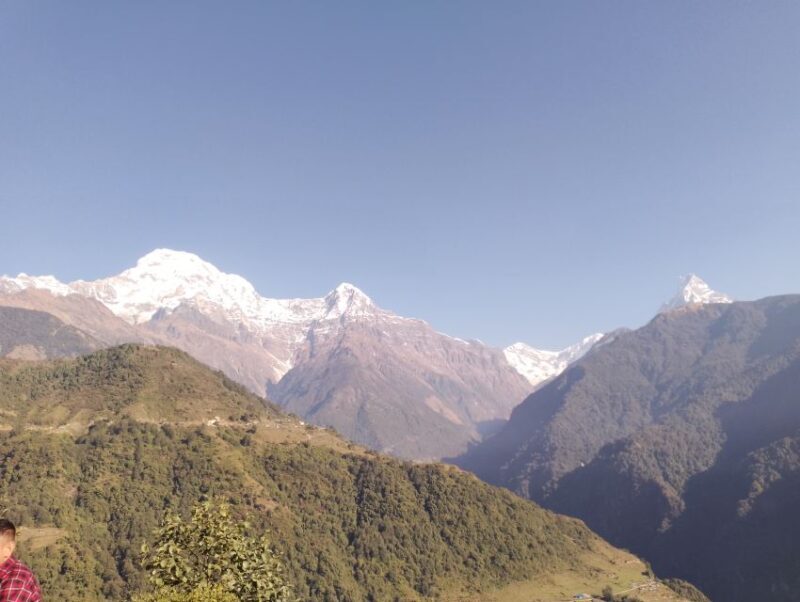
- Stunning Mountain Views: Get close to peaks like Annapurna South and Machapuchare.
- Cultural Experience: Walk through Gurung and Magar villages.
- Accessible Adventure: Short duration makes it suitable for less experienced trekkers.
- Diverse Landscapes: Witness forests, terraced fields, and high mountain terrain.
- Hot Springs: Relax at Jhinu Danda after a day of walking.
- Well-Organized: Includes transportation, permits, and guided support for a smooth trip.
An In-Depth Look at the 5-Day Annapurna Basecamp Trek
This trek offers a fantastic introduction to the Himalayas for those who don’t want to commit to lengthy expeditions. It’s designed to balance the thrill of reaching Annapurna Base Camp at 4,130 meters with culture and scenic diversity, all wrapped into five days. We’ll walk through each day’s highlights, to give you a vivid picture of what to expect and why this trek could be a perfect fit.
You can also read our reviews of more private tours in Pokhara
Day 1: From Pokhara to Chhomrong — A Scenic Start
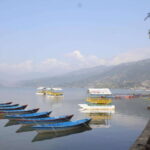
The adventure begins in Pokhara, a city well known for its lakeside charm and proximity to the mountains. The tour provider picks you up from your hotel, and a drive in a comfortable vehicle takes you to Sewai. Here, you’ll begin your trek through lush, green hills with sweeping views of the snow-capped Himalayan peaks.
Your first major stop is Jhinu Danda, where you’ll cross a suspension bridge over the Modi Khola River. This crossing is a highlight, offering both a physical challenge and a rewarding view of the river below. After lunch, the steep climb up to Chhomrong introduces you to the local Gurung culture. The village sits at 2,160 meters, providing a comfortable acclimatization point while offering opportunities to observe traditional architecture and local customs.
Traveling from Sewai to Jhinu Danda and then up to Chhomrong, you’ll notice how the landscape shifts from the forested valleys to more rugged terrain. The journey is manageable but involves some steep sections, so a sturdy pair of shoes and a sense of adventure are recommended.
Day 2: From Chhomrong to Himalaya — Encountering the Forest and Peaks
This day takes you deeper into the mountains, with a trail that drops down to the Modi Khola River, followed by a climb through enchanting bamboo and rhododendron forests. You’ll pass through Sinuwa, a tiny village that offers excellent views of Fishtail (Machapuchare).
The trail continues to climb through dense woods before reaching Dovan, where the landscape opens up, and the air feels crisper. Now, the trail is more forested, with the fragrant scent of rhododendrons filling the air—a sign you’re getting closer to the mountains’ heart.
Your destination, the Himalaya Hotel, offers a spectacular vantage point. It’s here you can really appreciate the diversity of Nepal’s flora and fauna. Many reviewers praise this stretch for its lush scenery and the peaceful vibe of the forested trail. Keep an eye out for native bird species and colorful flora as you ascend.
Day 3: To the Heart of the Himalayas — Annapurna Base Camp
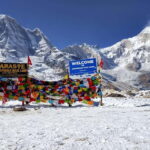
The climax of this trek is reaching Annapurna Base Camp at 4,130 meters. The climb today is a mix of uphill and flat sections, sometimes with the risk of avalanches in certain areas, so flexibility and awareness are key.
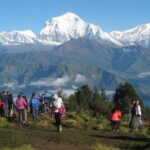
You’ll enjoy a hearty lunch at Machhapuchhre Base Camp, with views of the Ganga Purna, Annapurna III, Fishtail, Gandharva Chuli, Himchuli, and Annapurna South. The scenery here is jaw-dropping—mountain peaks in every direction, with glaciers and snow fields adding to the dramatic tableau.
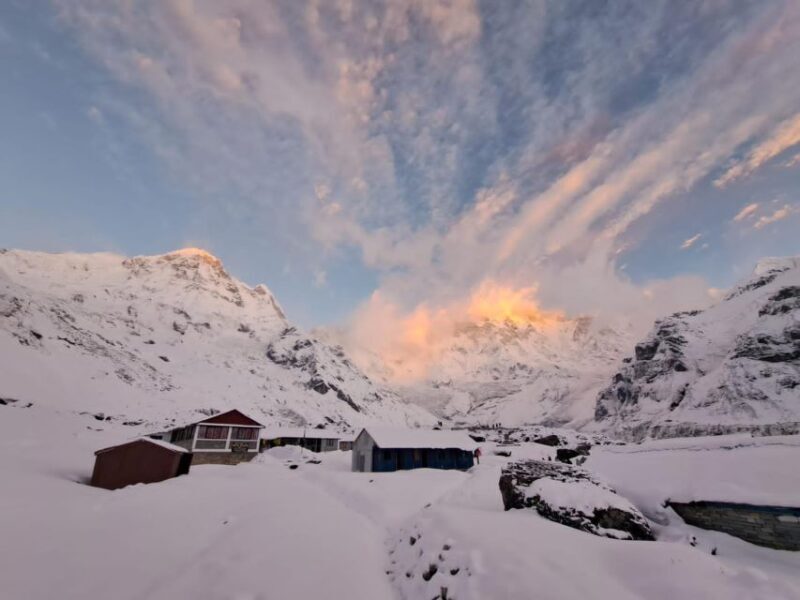
Many travelers mention that arriving at Annapurna Base Camp feels like standing on the top of the world. The sense of achievement is palpable, and the views are unforgettable. The camp itself is rustic and simple but provides an authentic Himalayan experience in a stunning setting.
More Great Tours NearbyDay 4: Sunrise at Annapurna Base Camp and Return to Sinuwa
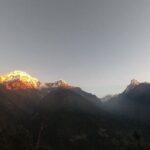
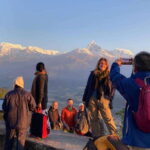
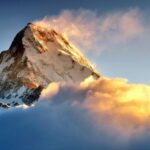
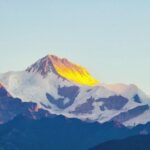
Early mornings at high altitude are special, and you’ll wake before dawn to witness the sunrise illuminating the snow-dusted peaks. The warm glow on the mountain faces, including the famous Fishtail, creates lifelong memories.
After breakfast, you’ll start your descent, retracing your steps back through Dovan and Sinuwa. The walk through dense forests is a calming counterpoint to the earlier climb, and many reviews highlight how peaceful and beautiful this section is.
You’ll stay overnight in Sinuwa, enjoying the relaxed mountain village atmosphere, and perhaps sharing stories with fellow trekkers about the day’s highlights.
You can also read our reviews of more hiking tours in Pokhara
Day 5: Return to Pokhara — The Scenic Farewell
The final day takes you back via the same route to Sewai, crossing the suspension bridge over Modi Khola once more. The drive back to Pokhara provides a chance to reflect on the journey, with views of the rolling hills and distant peaks.
Many travelers appreciate how smoothly this part is organized, with transport included, saving you the hassle of arranging local buses or taxis. The trip concludes with a drop-off at your Pokhara hotel, ready to share stories of your Himalayan adventure.
The Practicalities and Value
The $343 price point covers a lot — transportation, permits, guiding, accommodation in guesthouses, and trekking poles. It’s a cost-effective way to access some of Nepal’s most iconic scenery, especially given the included services that ease logistical concerns. Staying in guesthouses along the route offers an authentic Nepalese experience, with opportunities to taste local cuisine and interact with villagers.
While the trek isn’t the most physically demanding Himalayan route, it does involve some steep ascents, descents, and high-altitude walking. Many reviews suggest that the trail is manageable for most with a moderate level of fitness. The trek is ideal for travelers who want a shorter Himalayan experience without sacrificing stunning views or cultural richness.
The guided support ensures safety, language assistance, and local insights, making the journey more enjoyable and informative. The private group setting means personalized attention, and the flexibility to adapt the schedule is a plus.
Weather and Seasons
Best times to trek are during spring (March to May) and autumn (September to November). These months tend to have clearer weather and more stable mountain conditions, which greatly enhances the experience. Summers can be wet and muddy, and winter might bring snow closures or colder temperatures, although trekking is still possible with proper gear.
What to Bring
Participants should carry essentials such as a passport or ID card, comfortable shoes, cash for personal expenses and tips, and a passport-sized photo if needed for permits. The weather can change quickly, so layered clothing and rain gear are advisable.
Who Will Love This Trek?
This trek is perfect for adventurous travelers short on time but eager to see the Himalayas’ grandeur. It offers a balanced experience of mountain scenery, cultural villages, and natural beauty without the physical strain of longer expeditions. It’s also suitable for those who want a guided, organized trip with reliable logistics.
However, it’s not suitable for travelers with limited mobility, pregnant women, or those requiring wheelchair accessibility, as the trail involves some steep and uneven terrain.
Final Thoughts
This private 5-day Annapurna Basecamp trek offers an accessible, rewarding Himalayan adventure. You’ll see some of Nepal’s most famous peaks, walk through traditional villages, and enjoy the camaraderie of guided trekking. It’s a wonderful choice for travelers wanting a taste of high-altitude scenery with manageable logistics and a genuine cultural touch.
If you’re dreaming of Himalayan vistas, friendly villages, and the thrill of reaching the base of Annapurna, this trip hits the sweet spot. It’s a balanced, authentic, and reasonably priced adventure that will leave you with stories to tell and unforgettable views etched in your memory.
From Pokhara: Private 5-Day AnnapurnaBasecamp Trek
FAQs
What is included in the price?
The $343 covers hotel pickup and drop-off in Pokhara, round-trip transportation by jeep, a knowledgeable English-speaking guide, guesthouse accommodations during the trek, trekking permits, and a trekking pole for each participant.
Are meals included?
No, meals and drinks are available for purchase along the route. You should budget accordingly and carry some cash for snacks and drinks.
How physically demanding is this trek?
It involves some steep ascents and descents, with potential risks like avalanches in certain areas. A basic level of fitness is recommended, but it’s suitable for those who are reasonably active and prepared.
Can I trek during any season?
While it’s possible year-round, the best months are spring (March-May) and autumn (September-November) due to clearer weather and stable mountain conditions.
What type of accommodation is provided?
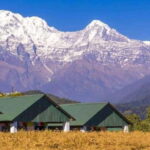
Simple guesthouses along the trail offer basic but comfortable rooms, giving you a genuine mountain village experience.
Is this trek suitable for children or older travelers?
It’s best suited for active adults; the trail’s terrain may be challenging for very young children or seniors with mobility issues.
How long are the daily trekking hours?
Trekking hours vary but generally involve about 4-6 hours of walking each day, with some days slightly longer.
What kind of views will I see?
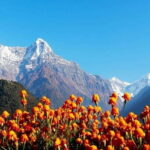
Expect spectacular vistas of Annapurna South, Machapuchare (Fishtail), Hiunchuli, and other Himalayan giants, especially at sunrise and at the base camp.
What should I pack?
Bring comfortable walking shoes, layered clothing, rain gear, a hat, sunglasses, sunscreen, passport or ID, cash, and a camera to capture those unforgettable mountain moments.
In short, this trek balances adventure, cultural richness, and incredible scenery, making it a smart choice for those eager to experience the Himalayas without committing to a lengthy expedition. It’s a trip that promises memories—and maybe a few awe-inspiring photos—that will stay with you long after you’ve returned home.
You can check availability for your dates here: