Exploring Kamakura and Enoshima: A Practical Guide to Japan’s Historic Coastal Gems
If you’re craving a day away from Tokyo’s hustle but still want to soak in Japan’s deep cultural roots and scenic beauty, the Kamakura and Enoshima 1-Day Bus Tour offered by VIP Japan Tour might just be your ticket. Designed for travelers who value convenience, authentic sights, and good value, this tour promises a well-organized escape into Japan’s past and seaside charm.
What we love about this experience is how it balances historic landmarks with breathtaking coastal scenery — all packed into one manageable day. Plus, it’s a budget-friendly way to see Kamakura’s famous Great Buddha and serene shrines without the hassle of navigating train schedules or parking.
One potential consideration is the limited time at each stop, which might leave some wanting more; however, if your goal is a taste of Kamakura’s highlights in a single day, this tour hits the mark.
This experience suits history buffs, culture seekers, and first-time visitors to Tokyo who want an easy, guided way to explore beyond the city. It’s also ideal for travelers with limited time, families, or those who prefer comfort and structure in their sightseeing.
- Key Points
- A Close Look at the Tour Itinerary
- Starting Point and Transportation
- Kamakura’s Historic Heart: Tsurugaoka Hachiman Shrine and Komachi Street
- Cultural and Religious Sites: Hase-dera Temple and Kotoku-in
- Enoshima Island: Scenic and Relaxing Finale
- What to Expect from the Experience
- Deep Dive into Key Attractions
- Tsurugaoka Hachiman Shrine
- Komachi Street
- Hase-dera Temple
- Great Buddha of Kamakura
- Enoshima Island
- Final Thoughts: Who Will Love This Tour?
- FAQ
- More 1-Day Tours in Kamakura
- More Tours in Kamakura
- More Tour Reviews in Kamakura
Key Points
- Convenient Day Trip: All transportation and entry fees included, saving time and hassle.
- Rich Cultural Highlights: Visit Kamakura’s most important Shinto shrine, historic temples, and the Great Buddha.
- Stunning Coastal Views: Enjoy the scenery and peaceful atmosphere of Enoshima Island.
- Knowledgeable Guides: Reviews consistently praise guides like Koji, Yuki, and others for their friendliness and expertise.
- Good Value for Money: At $54, this tour offers a balanced mix of sights, stories, and scenic beauty.
- Limited Flexibility: The schedule is tight, and you might find your time at each site somewhat constrained.
A Close Look at the Tour Itinerary
You can also read our reviews of more tours and experiences in Kamakura
Starting Point and Transportation
The tour begins with a pick-up from a designated meeting point in Tokyo, ending back in the Shinjuku area. The vehicle is air-conditioned, ensuring comfort during the approximately one-hour drive to Kamakura. The small group size and professional driver help keep the journey relaxed and safe, even when navigating Kamakura’s sometimes narrow streets.
Traveling by bus means you can sit back and enjoy the scenery or listen to your guide’s commentary without the stress of navigating train lines yourself. Several reviews highlight how smooth and well-coordinated the transport is, with some noting the driver’s skill in maneuvering the bus into tight spots for photo ops or close-up views.
Kamakura’s Historic Heart: Tsurugaoka Hachiman Shrine and Komachi Street
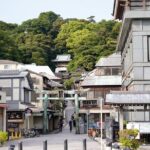
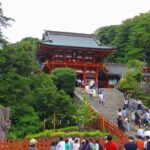
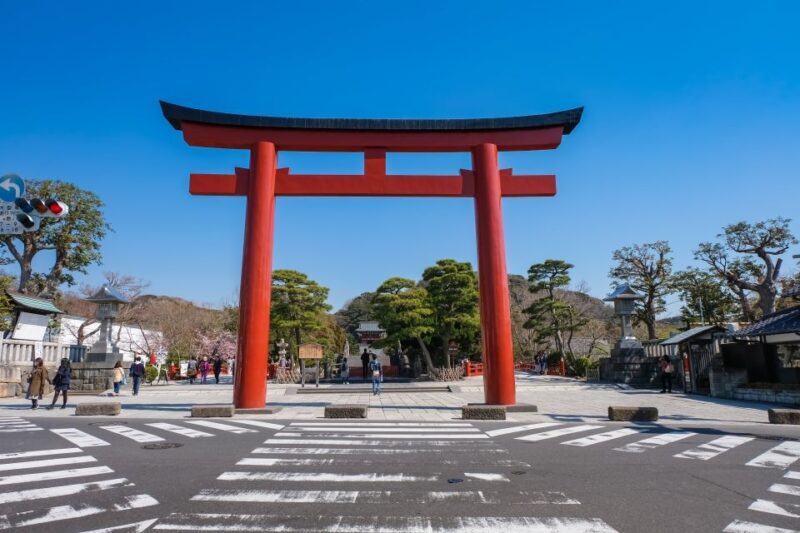
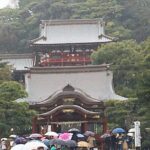
Your first stop is Tsurugaoka Hachiman Shrine, Kamakura’s flagship shrine. Walking through the grand torii gate, you’ll immediately sense the peaceful vibe, with tranquil ponds, lush gardens, and well-maintained pathways. Reviewers consistently mention the serene atmosphere and appreciate the time allocated to soak in the spiritual surroundings.
Following the shrine, a stroll down Komachi Street offers a vibrant contrast — a lively shopping alley packed with stalls selling traditional snacks, fresh seafood, and souvenirs. It’s a perfect place for a quick snack or a souvenir hunt, with many praising the delicious, freshly prepared food. One reviewer notes, “The seafood was incredibly fresh and delicious,” making this stretch a highlight for food lovers.
Cultural and Religious Sites: Hase-dera Temple and Kotoku-in
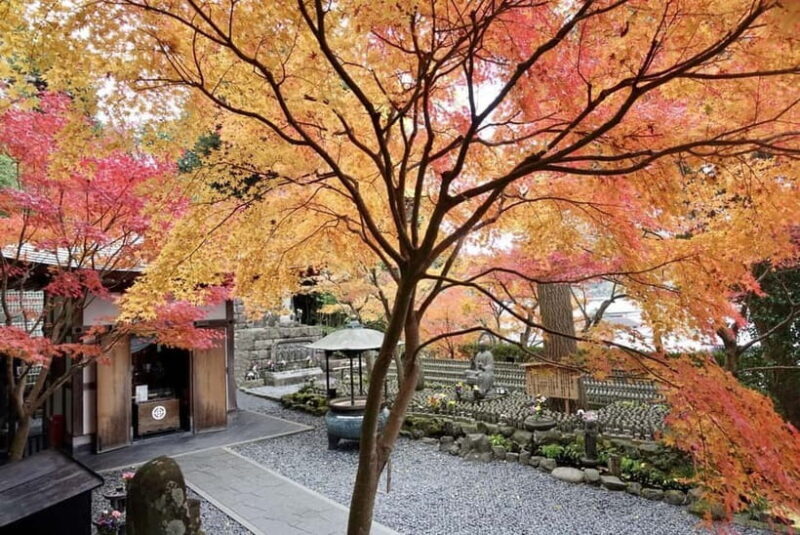
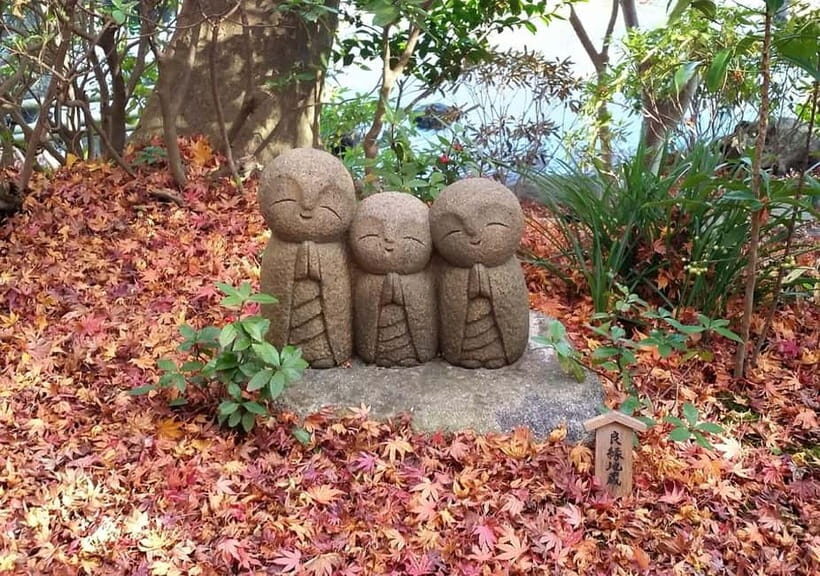
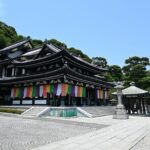
Next, the tour moves to Hase-dera Temple, famous for its eleven-headed Kannon statue. The temple’s peaceful grounds, gardens, and ponds offer a moment of calm and reflection, especially appreciated in the midst of a busy day. The impressive statue and scenic views provide excellent photo opportunities.
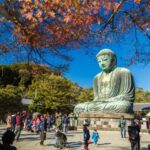
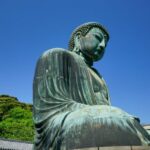
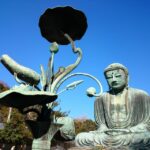
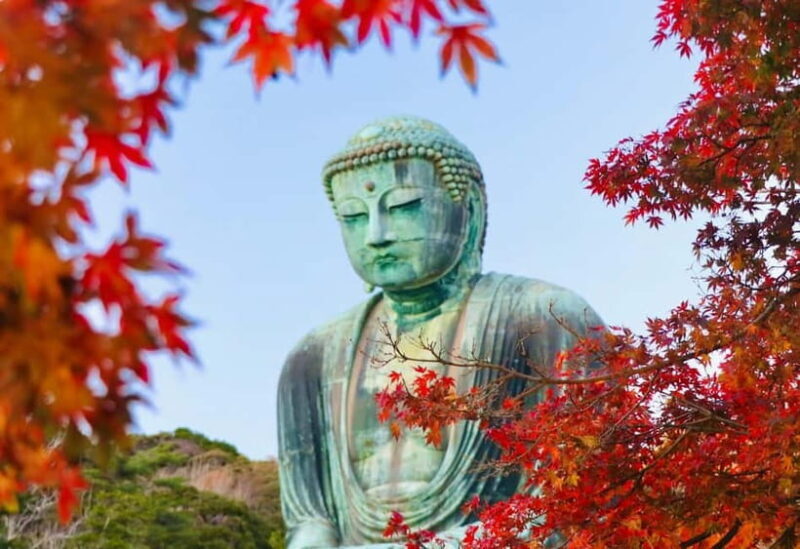
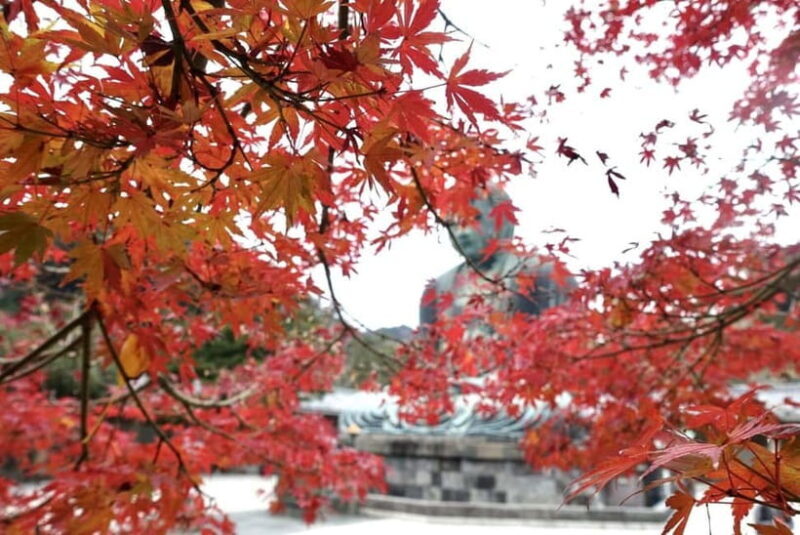
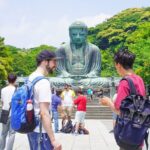
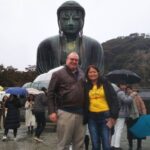
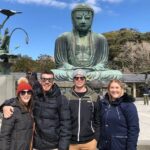
A short drive takes you to Kotoku-in Temple, home to the Great Buddha of Kamakura. This massive bronze statue, over 11 meters tall, is quite the sight — a symbol of Kamakura’s historic significance and craftsmanship. Reviewers frequently express admiration for the statue’s grandeur, with some noting it’s a “symbol of the city” and a must-see.
More Great Tours NearbyEnoshima Island: Scenic and Relaxing Finale
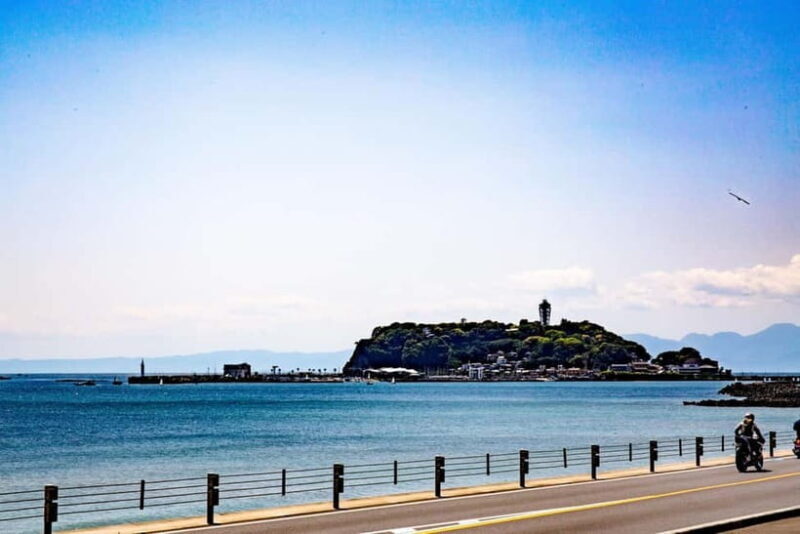
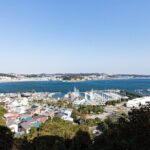
The journey culminates on Enoshima Island, a small but charming island known for its beautiful coastal views, shrines, and caves. You’ll have time to explore at your own pace, enjoying vistas of the Pacific Ocean, viewing Mount Fuji on clear days, and soaking in the serene atmosphere.
Many reviews praise Enoshima’s natural beauty, with visitors commenting on the stunning ocean vistas and the fresh seafood available on the island. It’s a perfect spot to unwind after the more structured visits earlier in the day.

What to Expect from the Experience
Guided Commentary: Guides are praised for their clarity, friendliness, and depth of knowledge — even when delivering commentary in both English and Chinese. They make history accessible and fun, often sharing stories and legends about each site.
Timing & Pacing: The schedule allows about two hours in Kamakura, giving enough time to visit the shrine and enjoy Komachi Street. While some reviewers mention that the limited time feels rushed, most agree it’s enough to get a good overview.
Cost & Value: For just $54 per person, the tour covers all entrance fees (Hase-dera and Kotoku-in), transportation, and guiding services. Many mention this as excellent value, especially considering the hassle-free logistics.
Group Size & Atmosphere: With reviews emphasizing the friendly, personable guides and small group sizes, you’ll likely enjoy a more intimate and engaging experience.
Weather & Flexibility: The tour operates rain or shine, so be prepared for weather that might affect your experience. Some reviewers note that the weather can influence what you see (like views of Mount Fuji), but the sites are still enjoyable in rain or shine.
Deep Dive into Key Attractions
Tsurugaoka Hachiman Shrine
This shrine is the heart of Kamakura’s spiritual life. The approach is dramatic — walking through a wide, tree-lined avenue to reach the main shrine complex. The grounds are immaculately maintained, with koi-filled ponds and a peaceful atmosphere that encourages quiet reflection. Many travelers appreciate the calm ambiance and the chance to see traditional rituals, especially if your visit coincides with a festival or local ceremony.
Komachi Street
This lively pedestrian street is full of character. From quaint cafes to street performers, it offers a taste of Kamakura’s modern-day culture intertwined with tradition. We loved the variety of local snacks, especially the freshly made seafood and sweets. Reviewers mention the fun shopping for souvenirs like seashells, crafts, and traditional crafts.
Hase-dera Temple
The temple’s expansive grounds feature stunning gardens and sculptures that appeal to nature lovers and culture seekers alike. The eleven-headed Kannon statue is a highlight — an impressive sight that embodies Japanese religious artistry. Many visitors find this site a calming retreat from the busy day, with some praising the beautiful views from higher grounds.
Great Buddha of Kamakura
This iconic bronze statue is the must-see of the trip. Standing over 11 meters tall, it’s a symbol of Kamakura’s medieval strength. The statue’s weathered surface and peaceful demeanor make it a favorite among travelers. Some reviews mention the additional charm of visiting nearby smaller temples and the surrounding park, making it more than just a photo op.
Enoshima Island
The final leg of the tour offers a blend of spectacular ocean vistas and cultural exploration. You might explore the caves, visit the shrines, or simply relax while watching the waves crash below. Many reviewers mention the delicious seafood and the chance to catch a glimpse of Mount Fuji on clear days, making it a relaxing and scenic end to your day.
Final Thoughts: Who Will Love This Tour?
This guided trip offers a well-rounded introduction to some of Japan’s most beloved coastal and cultural sites, all in a single day. It’s especially ideal for first-time visitors who want a reliable, knowledgeable guide to maximize their sightseeing time without the hassle of planning. The value for money is hard to beat, especially with all entrance fees included.
Travelers who appreciate authentic sights, beautiful landscapes, and engaging guides will find this tour a worthwhile investment. Keep in mind that with tight schedules, those seeking to explore every site in greater detail might find the limited time a bit frustrating — but for a snapshot of Kamakura and Enoshima’s highlights, it’s hard to beat.
Whether you’re into history, nature, or local food, this tour checks many boxes. It’s a fantastic way to see a slice of Japan’s coastal history and natural beauty without the stress of self-guided travel. Just bring your curiosity, a camera, and maybe a light snack for the road.
From Tokyo: Kamakura and Enoshima 1-Day Bus Tour
FAQ
How long is the total tour?
Most of the day is spent traveling and visiting sites, with the tour starting in the morning and returning to Shinjuku in the late afternoon or early evening.
What’s included in the price?
The $54 fee covers transportation on an air-conditioned bus, entrance fees to Hase-dera and Kotoku-in, and an English/Chinese-speaking guide.
Are meals included?
No, lunch is not included. However, there are plenty of eateries along Komachi Street and Enoshima Island where you can enjoy fresh seafood and snacks.
Is this tour suitable for children?
It depends on the child’s mobility and interest. The tour involves some walking, and the schedule is tight, so active children will enjoy it more.
What should I bring?
Comfortable walking shoes, a raincoat or umbrella (weather-dependent), and a camera. Water bottles are not provided, so consider bringing one.
What if the weather is bad?
The tour operates rain or shine. Expect some sites to be less visible in fog or rain, but the experience remains worthwhile. Check weather forecasts ahead of time.
This tour offers a balanced glimpse into Japan’s coastal charm and historic depth, all while keeping things practical and enjoyable. If you want a hassle-free, well-organized way to explore Kamakura and Enoshima, this is certainly worth considering.
You can check availability for your dates here: