- Fukuoka: Ohori Park and Tochoji Temple Walking Tour — An Authentic Dive into Japan’s Kyushu Charm
- Key Points
- An In-Depth Look at the Fukuoka: Ohori Park and Tochoji Temple Walking Tour
- Starting Point and Orientation
- Ohori Park — A Peaceful Historic Garden
- Tochoji Temple — Japan’s Largest Seated Buddha
- Exploring Hakata’s Streets and Local Life
- Additional Sights and Events
- Practical Details and Value
- Authenticity and Personal Experiences
- Who Should Consider This Tour?
- The Sum Up: Who Will Appreciate This Tour?
- FAQ
- More Walking Tours in Fukuoka
- More Tours in Fukuoka
- More Tour Reviews in Fukuoka
Fukuoka: Ohori Park and Tochoji Temple Walking Tour — An Authentic Dive into Japan’s Kyushu Charm
 1 / 4
 2 / 4
 3 / 4
 4 / 4
If you’re eyeing a thoughtful introduction to Fukuoka, this guided walking tour offers a well-rounded glimpse of the city’s natural beauty, historical sites, and lively local atmosphere. For travelers who enjoy history, culture, and a touch of local flavor, this tour ticks many boxes. We especially appreciate the chance to see the largest seated Buddha in Japan and explore a park that’s survived war, change, and time — a true testament to resilience.
However, keep in mind that the tour involves quite a bit of walking, so it’s best suited for those comfortable on their feet and interested in exploring at a relaxed pace. With a price of $270 per person, it’s a reasonable investment for the depth of insight and authentic experiences packed into one day. This tour is ideal for history buffs, culture seekers, and those wanting an insider’s look at Fukuoka’s most significant sites.
You can check availability for your dates here:Key Points
- Historical Significance: Learn how Ohori Park evolved from Fukuoka Castle’s moat and survived wartime destruction.
- Cultural Highlights: Visit Tochoji Temple, home to Japan’s largest seated Buddha, and experience traditional festivals like Setsubun.
- Authentic Atmosphere: Wander through Hakata’s streets and explore landmarks like the Ukimi Pavilion, a relic of wartime resilience.
- Balanced Itinerary: The tour combines natural beauty, historical monuments, and local culture in a manageable walking format.
- Value for Money: At $270, you gain access to multiple sites, stories, and a local guide’s insights — a worthwhile cultural investment.
- Inclusive Experience: Although not wheelchair accessible or suitable for certain health conditions, the tour offers a comprehensive cultural walk suitable for most keen travelers.
You can also read our reviews of more walking tours in Fukuoka


An In-Depth Look at the Fukuoka: Ohori Park and Tochoji Temple Walking Tour
Starting Point and Orientation
The adventure begins at Dekimachi Park, where the group gathers for introductions and a brief overview of the day ahead. This relaxed start allows everyone to feel comfortable and sets the tone for an engaging day. The guide’s warmth and knowledge shine here, offering a friendly welcome that makes touring a breeze.
From this point, we set off on foot, heading toward the first major highlight: Ohori Park. Originally the outer moat of Fukuoka Castle, Ohori Park has been transformed into a peaceful oasis. Its history is a reminder of how the city has evolved — from a feudal stronghold to a modern park, and crucially, a symbol of resilience after wartime damage. During World War II, much of the area, including the zoo, was bombed, yet the Ukimi Pavilion stood firm. This structure, moved to Ohori Park in 1949, is a striking survivor and a testament to local perseverance.
Ohori Park — A Peaceful Historic Garden
Walking around Ohori Park, you’ll notice its meticulous landscaping and tranquil pond, which offers stunning reflections of the surrounding greenery. The park’s design encourages a leisurely stroll, encouraging visitors to absorb its quiet charm. We loved the way the guide explained how the park was developed from the remnants of a castle moat, adding layers to its story.
While the setting is beautiful, what makes Ohori Park special is its history. It’s not just a pretty place — it’s a living monument to Fukuoka’s past. You’ll hear about the wartime destruction and the subsequent efforts to restore and preserve this piece of local history. The Ukimi Pavilion is a highlight here, especially for history enthusiasts, as it survived bombings that destroyed much of the city. Visitors often pause to photograph this survivor, pondering its resilience.
More Great Tours NearbyTochoji Temple — Japan’s Largest Seated Buddha
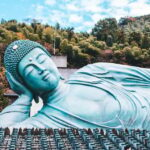
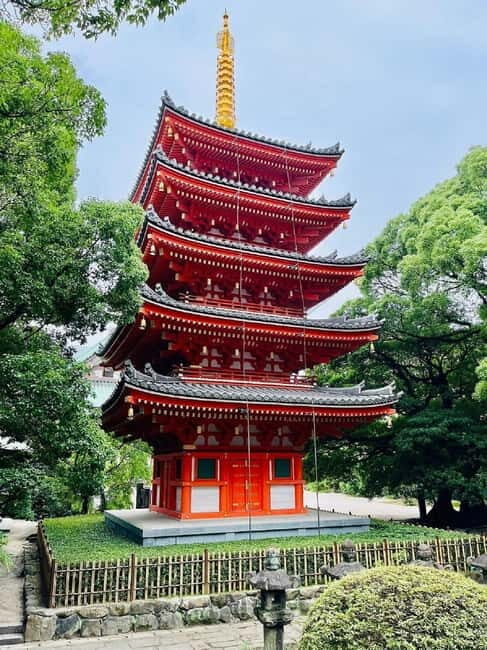
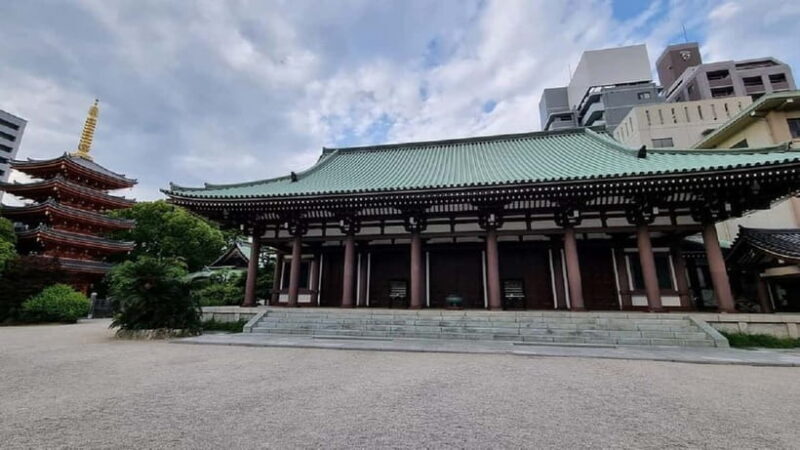
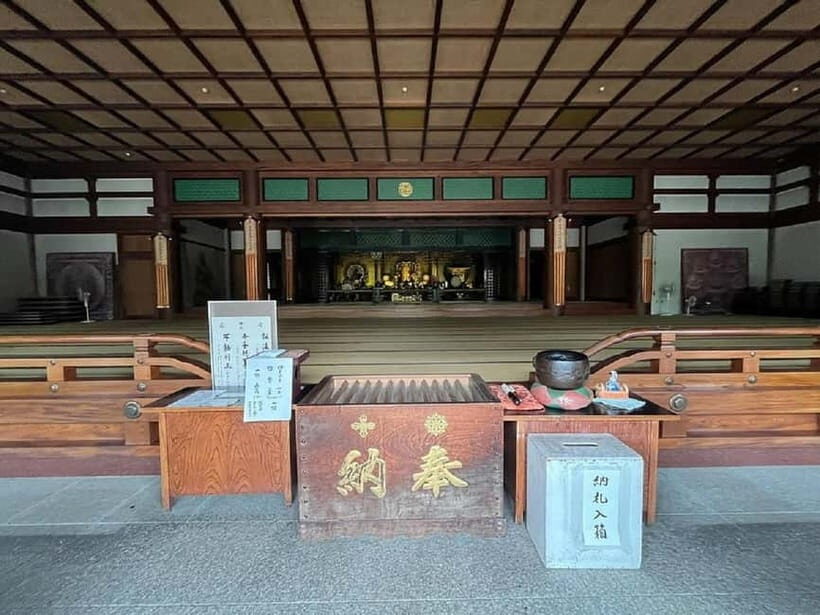
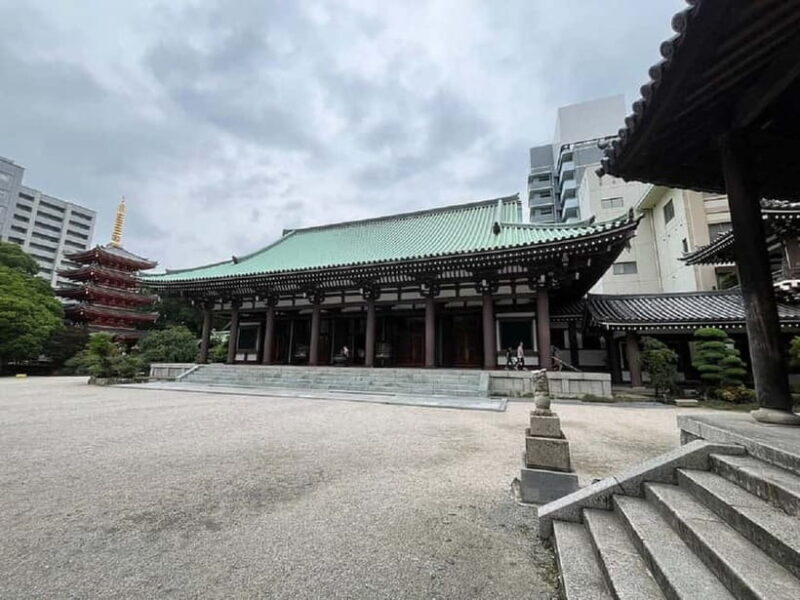
Next, the tour takes us to Tochoji Temple, a significant spiritual site in Fukuoka. It’s famed for the 16.1-meter-high wooden Shakyamuni Buddha, the largest seated Buddha in Japan. Gaze up at this monumental figure and feel the serenity it embodies — an experience that’s both awe-inspiring and calming.
The temple grounds are also home to the tombs of Tadayuki Kuroda II and Mitsuyuki III, former lords of Chikuzen Province, adding depth to the historical context. Inside the storehouse, we admired the Senju Kannon Bosatsu — a finely carved, single cedar piece from the Heian period, designated as a national cultural property.
If you visit during February, you’ll have the chance to partake in the Setsubun Festival — a lively bean-throwing tradition that drives away evil spirits. The guide describes it as a lively event with Seven Gods of Good Luck, Otafuku, and red and blue demons, creating a festive atmosphere that has persisted since the Muromachi period.





Exploring Hakata’s Streets and Local Life
After the temple, the tour meanders through Hakata’s bustling streets, giving us a taste of the city’s authentic atmosphere. We loved the way the guide pointed out local shops and spots that aren’t on every tourist map. This part of the experience is a bonus for those wanting to see how Fukuoka residents live and work.
Additional Sights and Events
The tour also includes visits to other wartime monuments, such as the War-Damaged Utility Pole Monument in Tokyo and the War Damage Reconstruction Monument in Kagoshima. These sites, although outside Fukuoka, provide a broader perspective on Japan’s wartime history and recovery.
In the evening, if your timing aligns, there’s an option to enjoy a light-up event in Hakata, which illuminates the city’s historic lanterns and streets, adding a magical end to the day.
Practical Details and Value
The entire day involves a good amount of walking, so comfortable shoes are a must. The tour’s group size is manageable, allowing for personalized attention from the guide. At $270, the price covers multiple sites, expert narration, and a chance to experience local festivals and traditions — making it a solid value for travelers eager to deepen their understanding of Fukuoka beyond superficial sightseeing.
While lunch isn’t included, the guide often recommends local eateries nearby, ensuring you can sample authentic Fukuoka cuisine after the tour wraps up.
Authenticity and Personal Experiences
Guests consistently praise the knowledgeable guides, who bring stories alive and answer questions with enthusiasm. One review mentioned that “the guide’s insights made Fukuoka’s history feel like a story you could touch,” reminding us of the value of expert narration. The chance to see cultural events like Setsubun and the light-up festival adds a layer of real-life tradition that many travelers cherish.
Who Should Consider This Tour?
This tour suits travelers with a keen interest in history, culture, and local traditions. It’s best for those comfortable with walking and who enjoy a mix of outdoor and indoor sites. Because it’s not wheelchair accessible, those with mobility challenges might need to consider alternatives. The focus on historical sites, combined with the chance to participate in festivals, makes it ideal for curious, culturally-minded visitors.
The Sum Up: Who Will Appreciate This Tour?
This guided walk through Fukuoka offers a thoughtful balance of natural beauty, historic depth, and local flavor. It’s perfect for travelers who want to understand the city’s resilience and cultural richness without rushing through a checklist of sights. The combination of Ohori Park’s serenity, the grandeur of Tochoji’s Buddha, and the lively atmosphere of Hakata’s streets provides a compact yet profound experience.
The tour’s value lies in its knowledgeable guides, the authentic stories they share, and the chance to witness traditional festivals and landmarks that many visitors overlook. If you’re interested in a leisurely, insightful day that combines history with real local life, this tour is definitely worth considering.
For those seeking a deeper connection to Fukuoka—the stories behind its monuments, the spirit of its festivals, and the peaceful landscapes of its parks—this experience delivers on all fronts.
Fukuoka: Ohori Park and Tochoji Temple Walking Tour
FAQ
Is this tour suitable for all ages?
While mostly suitable for adults and older children, the walking involved means it’s best for those comfortable on their feet. It’s not ideal for very young children or those with mobility issues.
How long does the tour last?
The exact duration isn’t specified, but it involves a full day of walking and site visits, starting at Dekimachi Park and ending back there.
Are meals included?
No, food and drinks are not included. The guide may suggest local eateries for lunch after the tour.
Can I join the tour if I don’t speak English?
The tour is conducted in English, so a basic understanding will help you get the most out of the experience.
Is there a dress code or specific clothing I should wear?
Comfortable walking shoes are essential. Dress appropriately for the weather and outdoor walking.
Are there any restrictions on participation?
Yes, the tour isn’t suitable for wheelchair users, people with altitude sickness, or those over 95 years old.
What is the cancellation policy?
You can cancel up to 24 hours in advance for a full refund, offering some flexibility if your plans change.
Is the tour family-friendly?
Generally, yes, especially for families with older children interested in history and culture, but consider the walking distance.
Are there any special events during the tour?
Yes, if visiting in February, you might experience the Setsubun Festival, and there’s also a light-up event in Hakata during autumn, adding to the festive atmosphere.
In sum, this Fukuoka guided tour offers a detailed, engaging, and authentic look into one of Japan’s most resilient and culturally vibrant cities. Whether you’re a history enthusiast or simply curious about local traditions, it’s a journey worth taking.
You can check availability for your dates here: