Introduction
Our review of Hanoi’s Knife Making Traditional Workshop highlights a genuinely special activity that appeals to travelers eager to get hands-on with Vietnamese craftsmanship. If you’re someone who loves crafts, culture, and a bit of adventure, this tour offers a rare chance to make a functional souvenir while learning about a centuries-old skill.
Two things we particularly love about this experience are the personalized interaction with skilled local artisans and the opportunity to craft a unique, practical item—your very own knife. These aren’t mass-produced souvenirs but handcrafted objects with real history behind them.
One possible consideration is that this activity is not suitable for people over 95 years old, and it involves some physical effort, like hammering. So, it’s best for those who are reasonably mobile and comfortable with a bit of manual work.
This experience is perfect for curious travelers, DIY enthusiasts, or anyone who wants a meaningful connection to Vietnamese artisan traditions. It’s especially appealing if you’re looking for an authentic, engaging activity rather than a passive sightseeing tour.
Key Points
 1 / 6
1 / 6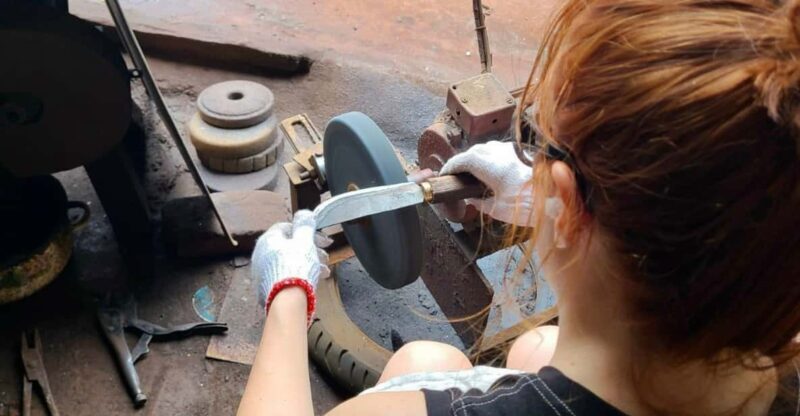 2 / 6
2 / 6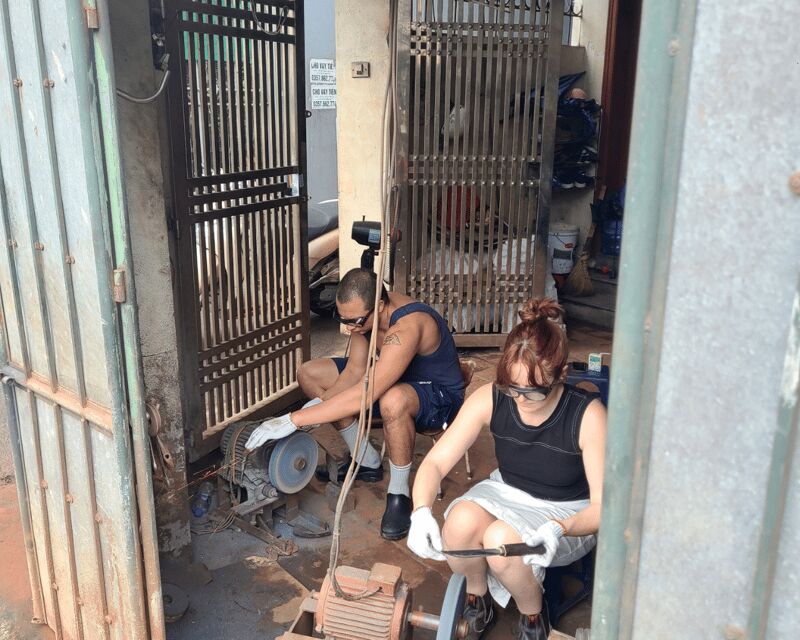 3 / 6
3 / 6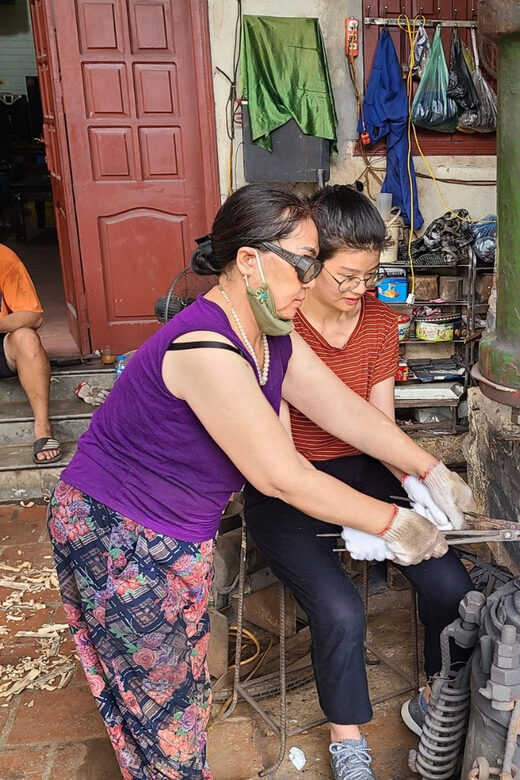 4 / 6
4 / 6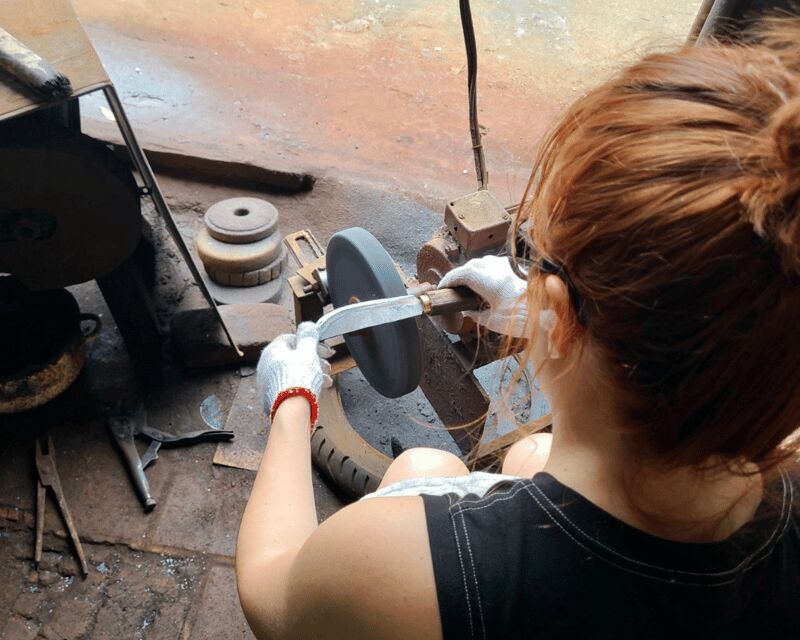 5 / 6
5 / 6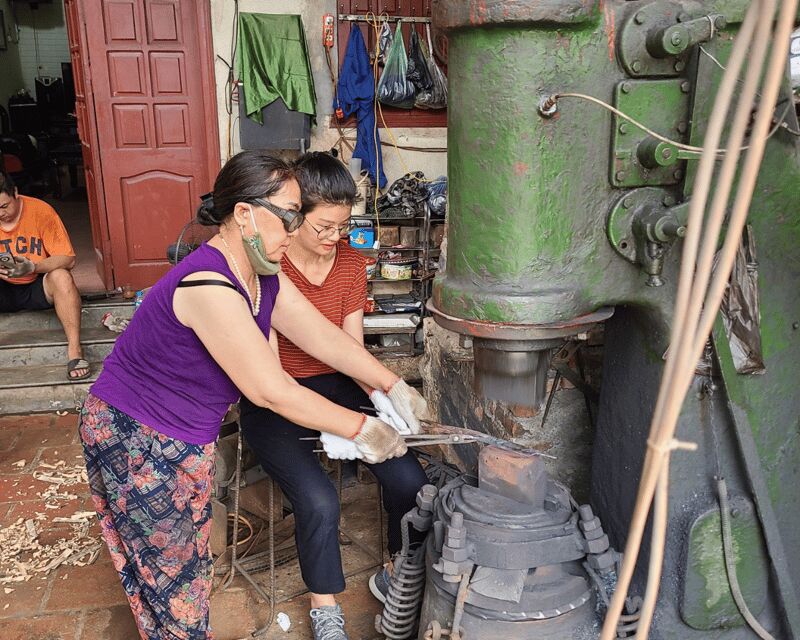 6 / 6
6 / 6- Authentic Craftsmanship: You’ll work alongside a family of skilled blacksmiths with decades of experience.
- Hands-On Experience: Every participant gets to participate in shaping their own knife, with guidance and safety supervision.
- Cultural Connection: Learn about Da Sy village’s history as a forging center, used historically for weapons and now for tools.
- Value for Money: At $50 per person for a 3-hour class, you receive a practical souvenir and genuine insight into Vietnamese craftsmanship.
- Guided English Instruction: Your guide not only translates but also shares fascinating stories and history.
- Flexible Participation: You can do as much or as little as you feel comfortable with—hammering, shaping, or just observing.
The Itinerary and What You Can Expect
Starting with the journey, most tours include hotel pickup—your driver and guide will come to collect you, usually from your hotel lobby, making it easy to start without fuss. The drive takes you to Da Sy village, an area renowned for its forging tradition and historical significance, dating back centuries.
Once there, you’ll meet the family-run workshop, which retains the authentic feel of a working blacksmith shop. The welcoming atmosphere helps you settle in quickly, and your guide will explain the process in clear, fluent English, making sure you understand each step.
The core of the workshop revolves around the process of making a simple knife. It starts with sketching your desired blade shape—an opportunity to personalize your souvenir. You might choose from pre-made designs or, if available, show a photo of your preferred knife.
Next, you’ll move on to forging. Here, you get to take an active role: using a hammer, cutter, and anvil, you’ll cut out the blade and forge the tang that will connect to your handle. This part is definitely the most physical and engaging. Reviewers describe the process as fun but also a bit challenging, so don’t expect to walk out a blacksmith without effort. They emphasize the importance of wearing gloves for safety.
Shaping and trimming come next. Alternating blows with the master craftsman helps you shape the blade, with any imperfections refined by hydraulic cutters. The process might include some trial and error, but the family’s patience and expertise shine through. As one reviewer notes, “Mrs. Tuyen, who demonstrated each step with precise movements, guided my hands and helped me shape the blade perfectly.”
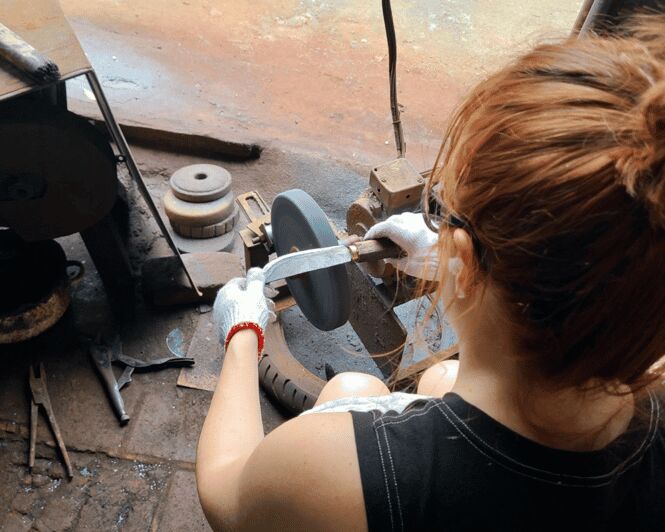
Sharpening is the final step, involving grinding and polishing your blade. An intriguing part of this phase is soaking the blade in a secret tar-based chemical wash—a family recipe that adds to the authenticity and mystery of the craft. The finished product is a sharp, practical knife that you will be proud to take home.
Throughout the process, your guide will share stories about the village’s history as a war-time source of weapons and now as a peaceful center of agricultural tool-making. Guests consistently comment on the knowledgeable guides and the warm, family-oriented atmosphere.
At the end, you’ll have the opportunity to inspect your handcrafted knife, take photos, and purchase additional knives at a reasonable price—an added bonus if you’re shopping for a unique gift.
You can also read our reviews of more tours and experiences in Hanoi


The Experience’s Value and Real-World Insights
While $50 may seem modest for a hands-on activity lasting three hours, it’s important to consider what you’re getting: a personalized craft experience, insight into Vietnamese tradition, and a practical souvenir. You’re not just observing; you’re doing, which inherently makes it more memorable.
Many reviewers praise the guided process and the patience of the family artisans. As one person mentions, “You can choose whether to do everything yourself or let the master do most of the work,” which offers a flexible experience tailored to your comfort level.
The small group setting adds another layer of intimacy. You won’t be lost in a crowd, and the one-on-one guidance ensures your safety and learning. Plus, many visitors highlight how guides like Tee, Nathan, or Khoi made the experience informative, fun, and engaging.
Another aspect worth noting is the cultural significance. Da Sy village’s long history as a forging hub used for weapons during wars, evolving into a craft for agricultural tools, makes your participation more meaningful—you’re not just making a knife, you’re engaging with a tradition that has sustained communities for generations.
The experience is not suitable for those over 95 or anyone with limited mobility, given the physical nature of forging and shaping. Also, travelers should be aware of additional surcharges on holidays like New Year or Tet, so plan accordingly if visiting during those times.
Practical Details and Tips
Transport is included in the package, with pickup from your Hanoi hotel, removing the hassle of organizing local transport. The duration is around 3 hours, which fits well into a morning or early afternoon schedule.
Considering the price of $50 per person, the experience offers solid value—especially when you consider you leave with a handmade, usable knife, plus new knowledge and a memorable story.
What to bring? Pack comfortable shoes, as you’ll be standing and working at the forge. No need to bring extra tools or materials—the workshop supplies all necessary equipment.
Safety first: Gloves are recommended, and you should follow the instructions carefully, especially around hot embers and sharp tools. The staff’s patience and professionalism keep safety a top priority.
Authentic Reviews and What They Reveal
Guests consistently praise the hospitality and expertise of the family-run workshop. Feedback highlights how welcoming and helpful the artisans are, which enhances the value of the experience. Quotes like “The family were so welcoming and patient” and “Mrs. Tuyen demonstrated each step with precise movements” reflect the genuine pride and skill of the local craftspeople.
Many reviewers mention the fun of making their own knife and the satisfaction of creating a professional-looking product. Phrases like “really makes you appreciate their skill” and “you’ll go home with the coolest unique knife” point to the emotional value of the activity.
Some travelers note that the guides help translate and explain the process, making it accessible even to those with no prior blacksmithing experience. This inclusivity makes the activity suitable for a broad audience.
More Great Tours NearbyThe Sum Up
For those seeking an engaging, authentic, and hands-on experience in Hanoi, the Knife Making Traditional Workshop offers a genuinely worthwhile adventure. It’s a perfect choice for craft lovers, history buffs, and anyone wanting a meaningful souvenir that embodies Vietnamese artisanal skill. The combination of a warm family atmosphere, skilled craftsmanship, and the chance to make your own knife makes this tour stand out among typical activities.
If you enjoy creative projects, are curious about traditional trades, or want a memorable story to tell, this workshop delivers. It’s also an excellent way to connect with local culture beyond the usual sights, learning a craft that has been part of Vietnam’s history for centuries.
While it’s best suited for those comfortable with some physical activity, the guidance and safety measures ensure a positive experience for most participants. When you leave, you’ll not only have a sharp, handcrafted knife but also a deeper appreciation of Vietnamese blacksmithing traditions.






Hanoi Knife Making Traditional Workshop
FAQs
Is hotel pickup included? Yes, the tour includes pickup from your hotel, usually from the lobby, simplifying your start to the workshop.
How long does the activity last? Expect around 3 hours, which is enough time to participate fully and enjoy the process without feeling rushed.
Can I choose the type of knife I want to make? Yes, you can select from different designs, or even show a photo if you have a specific style in mind.
Is the experience suitable for beginners? Absolutely. The guides and artisans are patient and experienced with first-timers, making it accessible to everyone.
Are gloves provided? While not explicitly stated, the importance of wearing gloves is highlighted by reviewers, so it’s advisable to bring or request them for safety.
Are there any extra costs? Surcharges apply on major holidays like New Year, Tet, or national celebrations, typically around $10.
Can I buy additional knives? Yes, finished knives can be purchased at reasonable prices, making great souvenirs or gifts.
This Hanoi knife-making workshop offers a compelling mix of culture, craftsmanship, and adventure—perfect for travelers who want to step beyond sightseeing and create something truly personal.
You can check availability for your dates here: