- Introduction: A Well-Rounded Day of History and Culture
- Key Points
- A Complete Breakdown of the Day
- Starting Point and Introduction at Hiroshima Station
- First Stop: Shukkei-en Garden
- Hiroshima Castle Ruins
- The Atomic Bomb Dome and Peace Memorial Park
- Transition to Miyajima: Ferry Ride
- Free Time on Miyajima Island
- Senjokaku Pavilion: A Unique Shrine
- Itsukushima Shrine and O-torii Gate
- Daisho-in Temple: A Buddhist Retreat
- Return Journey and End of Tour
- Analyzing the Tour’s Value
- Who Will Benefit Most?
- The Sum Up: A Strong Choice for History and Culture Seekers
- FAQ
- More 1-Day Tours in Hiroshima
- More Tours in Hiroshima
- More Tour Reviews in Hiroshima
Introduction: A Well-Rounded Day of History and Culture
 1 / 7
 2 / 7
 3 / 7
 4 / 7
 5 / 7
 6 / 7
 7 / 7
If you’re looking to get a meaningful taste of Hiroshima and Miyajima in just one day, this guided tour offers a practical way to see some of the most important sights in the area. It’s a balanced mix of somber reflection and beautiful scenery, making it ideal for travelers who want to understand Hiroshima’s past while also enjoying the natural beauty of Miyajima Island.
What we particularly like about this experience is how it combines historical education with cultural exploration. The visit to the Atomic Bomb Dome and Peace Memorial Park provides a sobering reminder of the city’s resilience, while the trip to Itsukushima Shrine and Daisho-in Temple showcases Japan’s spiritual traditions and stunning architecture.
One possible consideration is the shorter time at the Peace Memorial Museum, which some visitors found rushed—especially given its significance. If you’re especially keen to absorb every detail of Hiroshima’s wartime history, you might want to allocate extra time or consider visiting the museum separately.
This tour suits travelers who want an efficient yet authentic look at Hiroshima and Miyajima, especially those with limited time but a desire for depth and context. It’s perfect for history buffs, cultural explorers, or anyone eager to see iconic sights with the guidance of a knowledgeable local.
You can check availability for your dates here:Key Points
- Historical depth: Focused visits to Hiroshima’s key memorial sites and museums.
- Cultural immersion: Exploration of Miyajima’s shrines and temples.
- Expert guidance: Informed guides provide context and enrich the experience.
- Efficient itinerary: All in one day, with transportation included.
- Reflective moments: Opportunities to understand the impact of WWII and peace efforts.
- Beautiful scenery: Stunning views of the Itsukushima O-torii gate and island landscapes.
You can also read our reviews of more tours and experiences in Hiroshima
A Complete Breakdown of the Day
Starting Point and Introduction at Hiroshima Station
Your day begins right outside Hiroshima Station, where your guide will meet you under the Tourist Information sign. This location is convenient, especially if you arrive via the Shinkansen, with clear signs directing you from the platform. The meeting point is designed for easy access, whether you’re coming by train, streetcar, bus, or taxi.
First Stop: Shukkei-en Garden
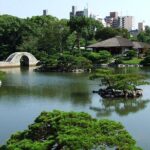
We loved the way this tranquil garden offers a peaceful contrast to the city’s wartime history. Built during the Edo period, Shukkei-en is a miniature landscape that features tea houses, bridges, and hills. Your guide will explain the garden’s purpose as a landscape in mini-format, designed to reflect natural scenery on a small scale. Expect lovely photo opportunities and a moment of calm before diving into more intense history.
More Great Tours NearbyHiroshima Castle Ruins
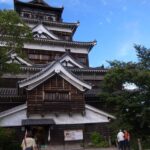
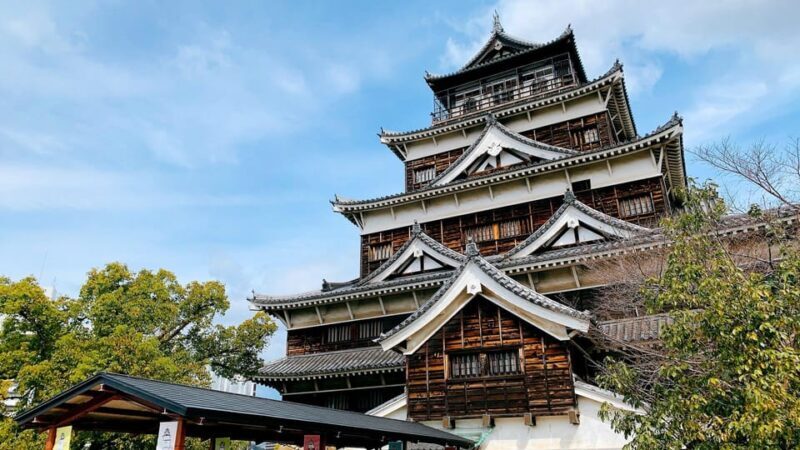
Next, you’ll walk to the Hiroshima Castle ruins, which tell the story of the city’s historical importance. The reconstructed Castle Tower offers insight into samurai-era Japan, while the surrounding Ninomaru enclosure and Gokoku Shrine deepen your understanding of Hiroshima’s feudal past. This site is a tangible link to the pre-war city, which was largely destroyed in 1945.

The Atomic Bomb Dome and Peace Memorial Park
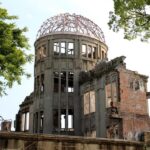
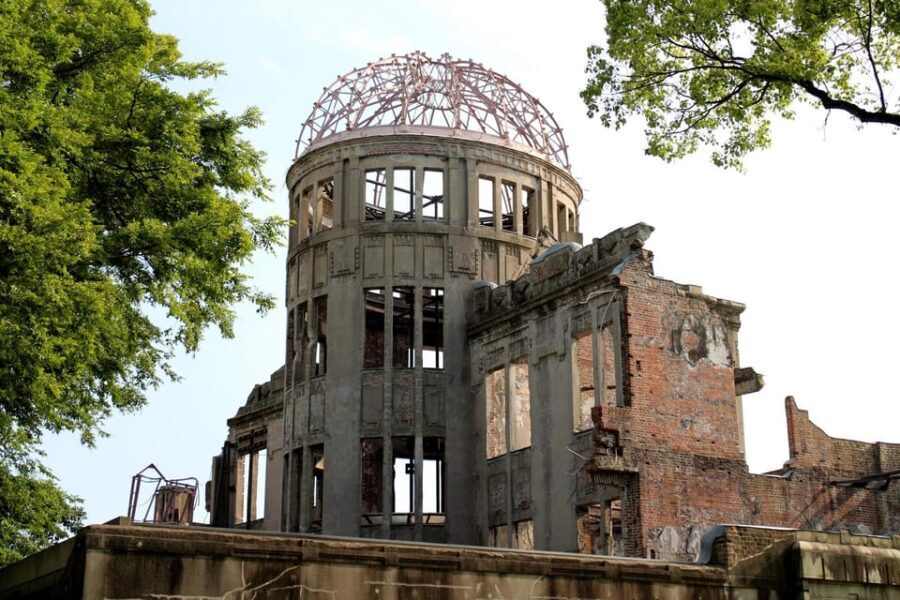
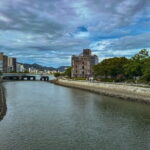
The highlight for many is the Atomic Bomb Dome, a UNESCO World Heritage site and the enduring symbol of Hiroshima’s nuclear tragedy. From here, your guide will talk about the events leading up to the bomb and its aftermath.
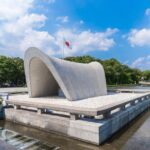
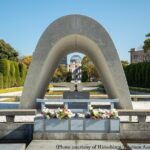
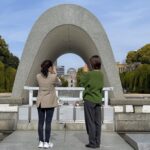
Close by, you’ll visit the Children’s Peace Monument and learn about Sadako Sasaki, whose story embodies hope and innocence amid tragedy. The Cenotaph for the Victims and the Peace Flame align to create a powerful scene for reflection.
The Peace Memorial Museum is a profound experience, showcasing personal belongings and photographs that illustrate the impact of the bombing. According to visitor reviews, this part of the tour is sometimes rushed—some travelers wish they had more time to absorb the exhibits. The museum’s displays are designed to evoke empathy and understanding, making the brevity a potential challenge for those wanting a deeper dive.
Transition to Miyajima: Ferry Ride
After the emotional moments in Hiroshima, you’ll board a 45-minute ferry to Miyajima. The ferry ride offers scenic views of the Seto Inland Sea and the famous floating O-torii gate of Itsukushima Shrine. Your guide will point out notable sights along the way, adding context to this iconic view.
Free Time on Miyajima Island
Once on Miyajima, you’ll have approximately two hours of free time to explore Omotesando Shopping Street—the perfect spot to sample local snacks or purchase souvenirs. This lively street offers a relaxed atmosphere before the guided sightseeing begins.
Senjokaku Pavilion: A Unique Shrine
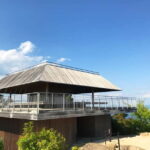
You’ll visit Senjokaku Pavilion, an unfinished shrine with a fascinating backstory. The construction was halted, leaving a structure that’s both impressive and mysterious. Walking among its grounds, you’ll enjoy sweeping views of the island’s scenery.
Itsukushima Shrine and O-torii Gate
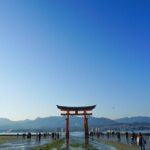
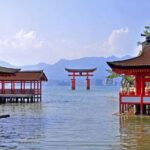
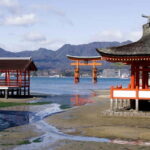
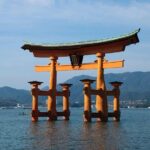
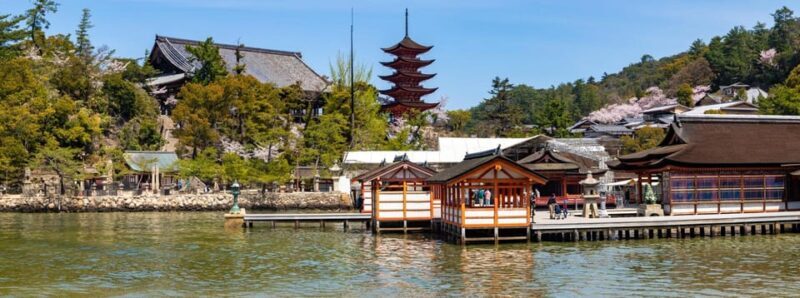
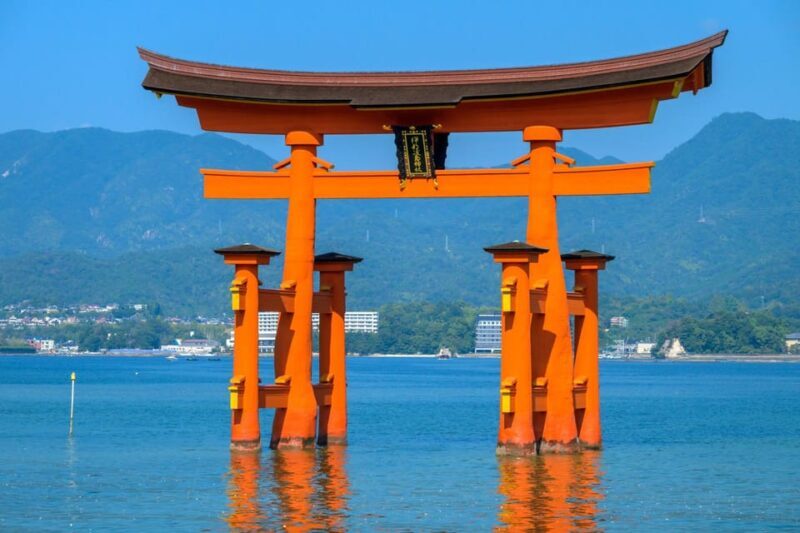
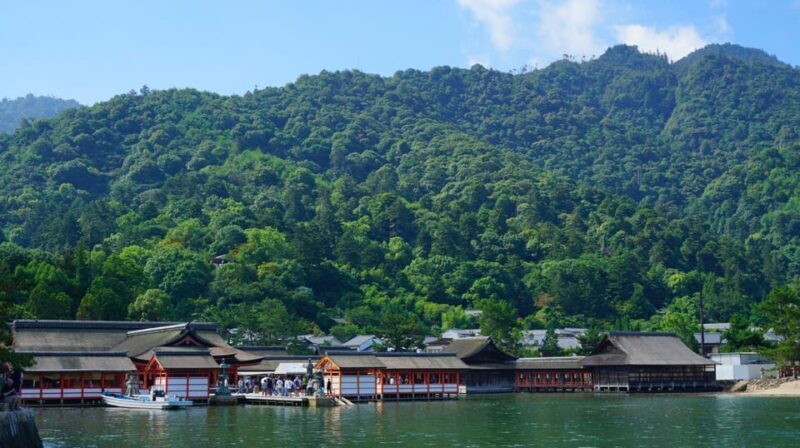
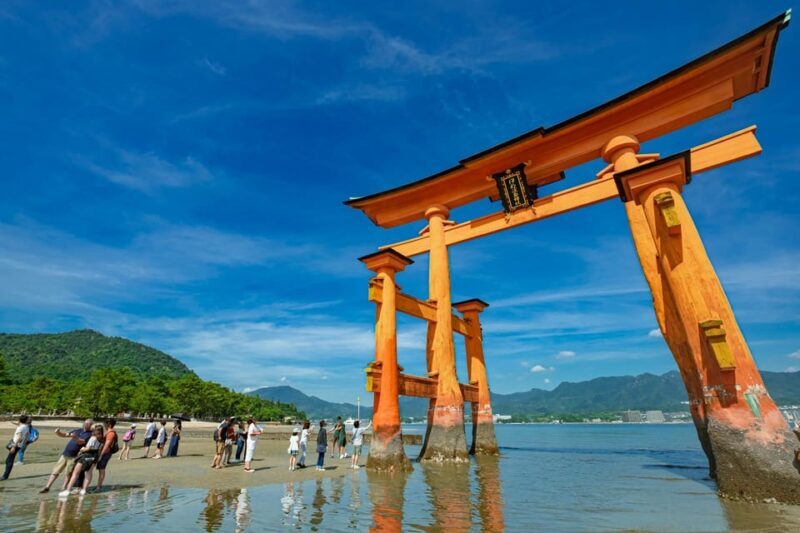
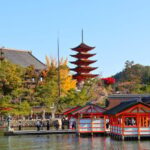
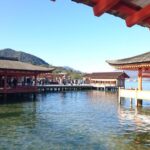
The star attraction here is Itsukushima Shrine, famed for its “floating” appearance during high tide. Your guide will explain the significance of Shintoism, Japan’s indigenous religion, and the architectural features that give the shrine its distinctive look.
The O-torii gate is one of Japan’s most photographed sights. You’ll walk along the wooden path to observe it up close, with plenty of photo opportunities. The view of the gate in the sea is both iconic and tranquil, a highlight for many visitors.
Daisho-in Temple: A Buddhist Retreat
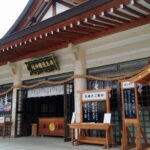
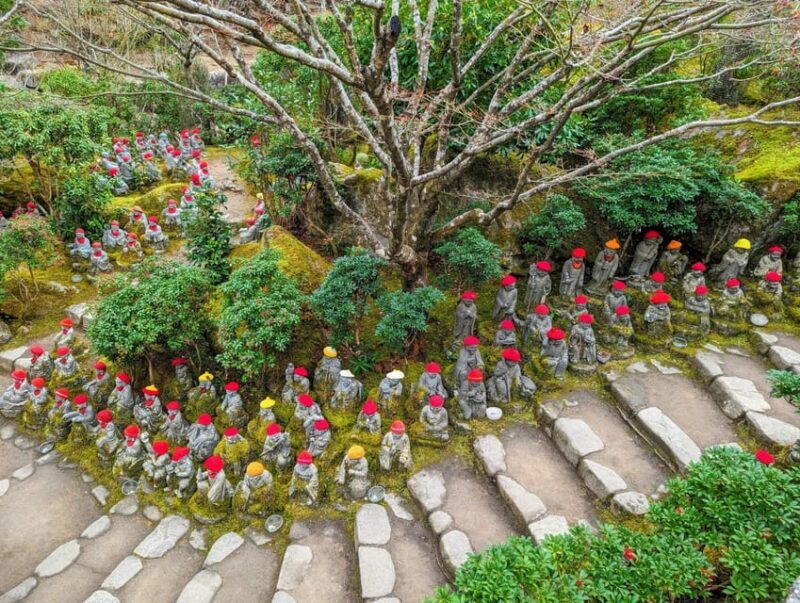
Your final stop on Miyajima is Daisho-in Temple, a Buddhist site featuring 88 statues representing the Shikoku Pilgrimage. The temple’s golden lanterns and peaceful atmosphere make it a perfect place for reflection. The temple’s cultural richness provides a different perspective from the shrines and adds depth to your visit.
Return Journey and End of Tour
After exploring Miyajima, your guide will accompany you back to the pier to board the ferry to the mainland, followed by a train ride back to Hiroshima Station. The tour typically concludes here, leaving you with a thorough understanding of both the city’s tragic history and its beautiful cultural heritage.
Analyzing the Tour’s Value
At $185 per person, including transportation and entry fees, this tour offers solid value for a comprehensive day. The guided approach ensures you’re not just ticking off sights but gaining insights that enrich your understanding of Hiroshima’s resilience and Miyajima’s spiritual significance.
The transportation—ferry, train, and walking—helps streamline what might otherwise be a logistical challenge for independent travelers. Plus, the guided commentary helps contextualize each location, making the experience more meaningful.
However, the shorter time at the Peace Memorial Museum is a noted drawback, especially for those eager to explore every exhibit. If you’re passionate about WWII history, consider allotting extra time or visiting independently afterward.
The group size isn’t specified but, based on typical tours, you can expect a manageable number of travelers—large enough to feel social but small enough for personal interaction and clear guidance.
Who Will Benefit Most?
This tour is best suited for travelers who want an efficient but meaningful exploration of Hiroshima and Miyajima. If you’re interested in history, culture, and iconic sights without the hassle of planning every detail, it’s a smart choice. It also appeals to those who appreciate guided commentary that adds layers of context to what you’re seeing.
People with limited time will find the itinerary packed but manageable, and the included transportation makes logistics straightforward. However, if you prefer a more leisurely pace or in-depth museum exploration, you might want to consider additional independent visits or a private tour.
The Sum Up: A Strong Choice for History and Culture Seekers
This 1-day Hiroshima and Miyajima tour packs a lot into just over eight hours. It hits the high points—from the haunting peace memorials to the sacred islands and shrines—making it ideal for travelers eager to get a broad overview without sacrificing authenticity. The guides’ knowledgeable commentary helps turn a sightseeing day into a meaningful experience.
While the brief visit to the Peace Memorial Museum might disappoint history enthusiasts hungry for more detail, the overall experience balances reflection with cultural discovery beautifully. The scenic ferry ride, the awe-inspiring shrine, and the peaceful temples on Miyajima make this tour memorable.
If you’re looking for a well-organized, value-packed way to understand Hiroshima’s past and enjoy Japan’s spiritual sites, this tour will serve you well. It’s particularly suited for those who want a guided, insightful day that respects the significance of each site while offering enough free time for personal exploration.
Hiroshima: 1-Day Hiroshima and Miyajima Tour
FAQ
Is this tour suitable for children under 6?
No, this tour is not recommended for children under 6 years old, likely due to the walking distances and the emotional impact of some sites.
Are there any mobility restrictions?
Yes, it is not suitable for people with mobility impairments or wheelchair users, as there is significant walking involved.
What is included in the price?
The tour fee covers an English-speaking guide, all entry fees at the tour locations, and transportation to and from Miyajima (ferry and train).
Do I need to bring my own lunch?
Yes, lunch is not included, so you might want to bring snacks or plan to eat at Omotesando Shopping Street.
Where do I meet the guide?
Meet outside Hiroshima Station under the Tourist Information sign, close to the Shinkansen gates.
How long is the ferry ride?
The ferry to Miyajima takes about 45 minutes, offering scenic views and a chance to relax before exploring the island.
Can I customize this tour?
Since it’s a guided group tour, customization is limited. However, extra time at certain sites might be available if you wish to explore independently.
What should I wear?
Comfortable walking shoes are essential, and weather-appropriate clothing is advised, including sunscreen and hats in sunny weather.
What is the duration of the tour?
The tour lasts approximately 8.5 hours, starting in the morning and ending back at Hiroshima Station. Check with the provider for specific start times.
This guided tour strikes a thoughtful balance between history, culture, and scenery, making it a worthwhile choice for travelers wanting a comprehensive day in Hiroshima and Miyajima.
You can check availability for your dates here: