
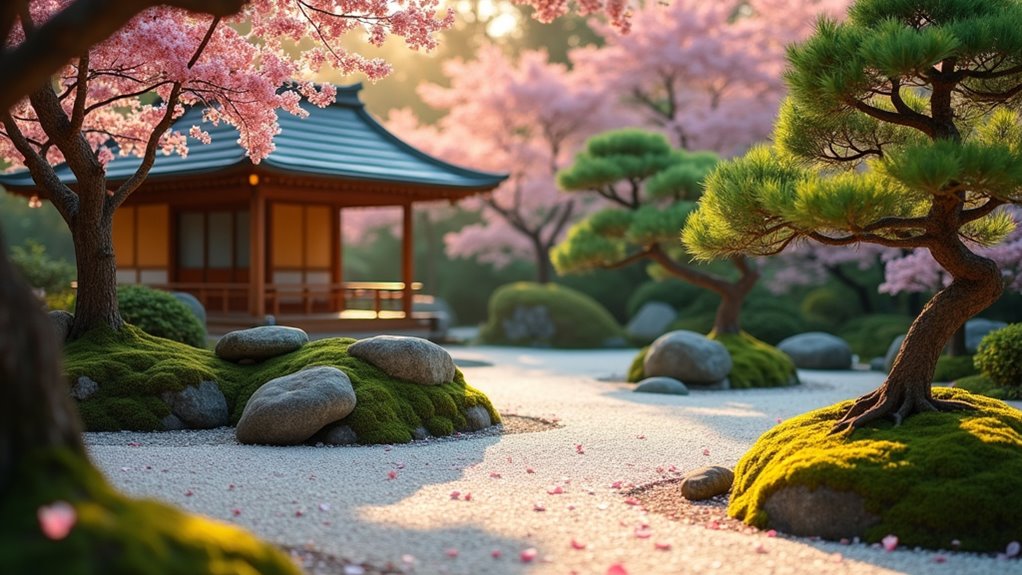
Most travelers rush to Tokyo or Kyoto, but they’re missing Japan’s best-kept secret. Tucked away on the country’s western coast, Kanazawa offers everything those famous cities do—minus the crushing crowds and inflated prices. Here’s a place where samurai districts remain untouched, ninja temples hide centuries-old secrets, and world-class gardens showcase nature’s artistry. Smart travelers know there’s more to this historic city than meets the eye, and discovering those hidden layers won’t break the bank.
- Wander Through Kenrokuen Garden at Different Times of Day
- Explore the Defensive Secrets of Myoryuji Ninja Temple
- Step Back in Time at Nagamachi Samurai District
- Hunt for Fresh Seafood Treasures at Omicho Market
- Experience Modern Art at the 21st Century Museum
- Discover Kanazawa’s Gold Leaf Craftsmanship in Action
- Bar-Hop Through the Atmospheric Geisha Districts
- Try Your Hand at Traditional Tea Ceremony
- Venture Beyond the City to Tojinbo Cliffs and Hot Springs
- Marvel at Kanazawa Station’s Architectural Welcome
Wander Through Kenrokuen Garden at Different Times of Day
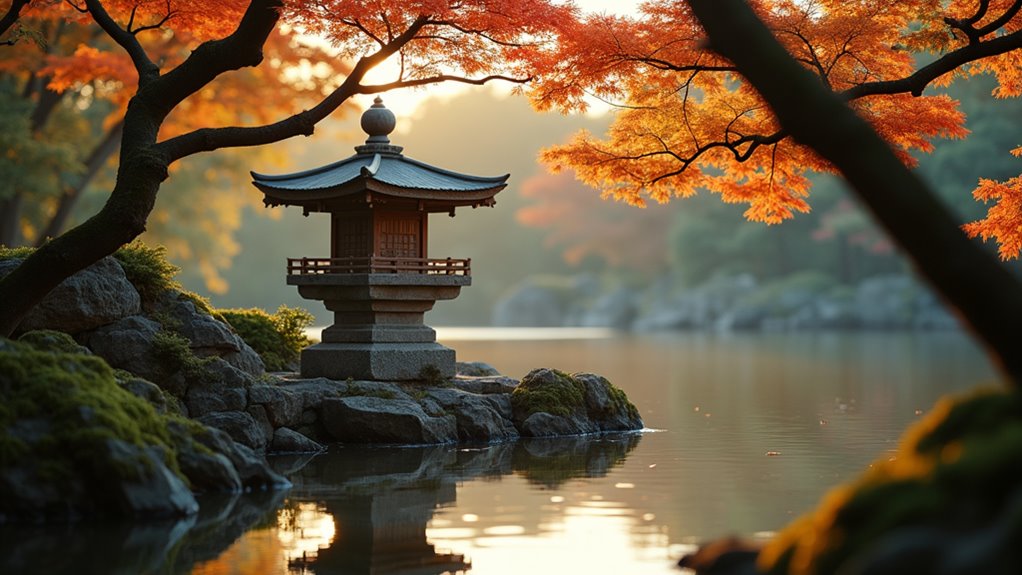
While most visitors rush through Kenrokuen during peak afternoon hours, smart travelers discover the garden’s true magic by returning at different times throughout the day. Early morning visits reveal misty ponds and peaceful walkways without crowds, perfect for photographing the famous stone lanterns.
The seasonal beauty transforms dramatically—cherry blossoms glow at sunrise, autumn leaves catch golden hour light, and winter’s yukitsuri rope supports create stunning silhouettes.
Evening brings special illumination events that highlight the large ponds and waterfalls in ethereal ways. Each visit costs only 320 yen, making multiple trips budget-friendly.
The garden’s unique stone walls and carefully designed landscapes offer completely different perspectives depending on lighting conditions. Don’t settle for one rushed visit—Kenrokuen rewards those who take time to experience its changing moods throughout the day.
Explore the Defensive Secrets of Myoryuji Ninja Temple
From Kenrokuen’s peaceful gardens, visitors can discover an entirely different side of Kanazawa’s history at Myoryuji Temple, where ninja architects turned religious architecture into a fortress of deception. This Edo-period temple features hidden traps, secret staircases, and defensive designs that protected the ruling class from potential threats.
Visitors can’t explore alone—guided tours reveal the temple’s ingenious security features, including concealed escape routes and trick doors. The temple’s nickname “Ninja Temple” reflects its sophisticated defensive systems rather than actual ninja residents. Tours cost around ¥1,000 and require advance reservations, especially during peak seasons.
The temple demonstrates how Kanazawa’s rulers blended spiritual practice with practical protection, creating one of Japan’s most cleverly designed defensive structures hidden in plain sight.
Step Back in Time at Nagamachi Samurai District
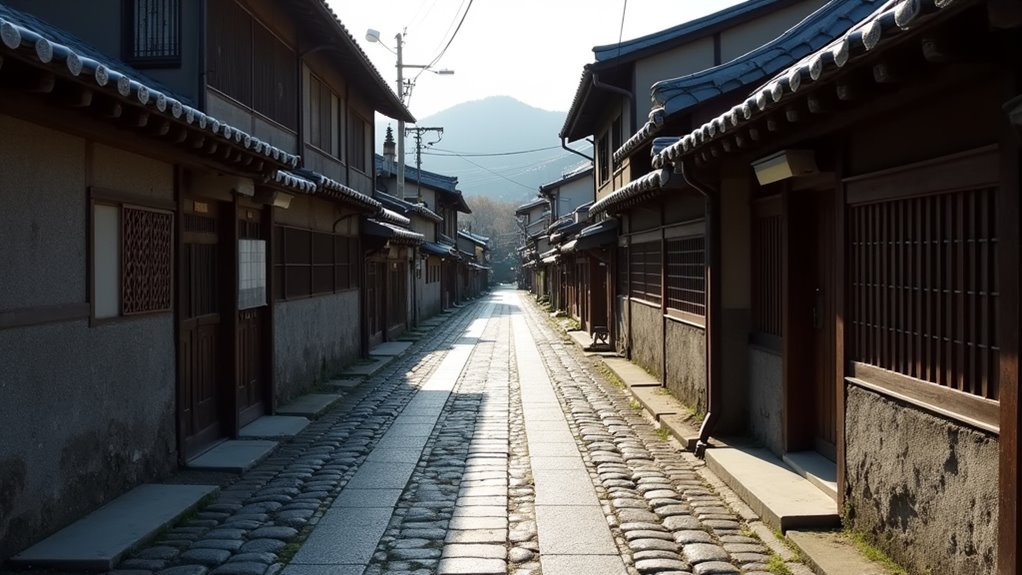
Beyond the temple’s defensive innovations, travelers can walk through authentic samurai history at Nagamachi Samurai District, where preserved Edo-period streets showcase how Japan’s warrior class actually lived. The district’s narrow lanes and traditional architecture transport visitors back 400 years without spending much beyond transportation costs.
The Nomura Samurai Residence stands as the district’s crown jewel, offering glimpses into authentic warrior lifestyle through original furnishings and architectural details. Visitors can explore multiple preserved homes that demonstrate how samurai families organized their daily lives around honor and tradition.
Budget-conscious travelers will appreciate that simply wandering these historic streets costs nothing. The newly opened Senda-ke Garden adds another layer to the experience, expanding opportunities to understand samurai culture through traditional landscape design and peaceful contemplation spaces.
Hunt for Fresh Seafood Treasures at Omicho Market
What better way to experience Kanazawa’s culinary soul than diving into the bustling energy of Omicho Market, where locals have hunted for the freshest catch for over 280 years? This isn’t your typical tourist trap—it’s where Kanazawa residents shop for dinner, making it perfect for authentic experiences without inflated prices.
Navigate narrow aisles packed with vendors hawking seasonal fish, plump crab, and glistening sashimi-grade seafood. Don’t miss the affordable chirashi bowls piled high with the day’s best catches.
Smart travelers arrive early morning when selection peaks and prices stay reasonable.
The market’s no-nonsense atmosphere means vendors focus on quality over showmanship. Sample local delicacies, chat with fishmongers, and discover why Kanazawa’s proximity to the Sea of Japan makes it a seafood paradise that won’t break your budget.
Experience Modern Art at the 21st Century Museum
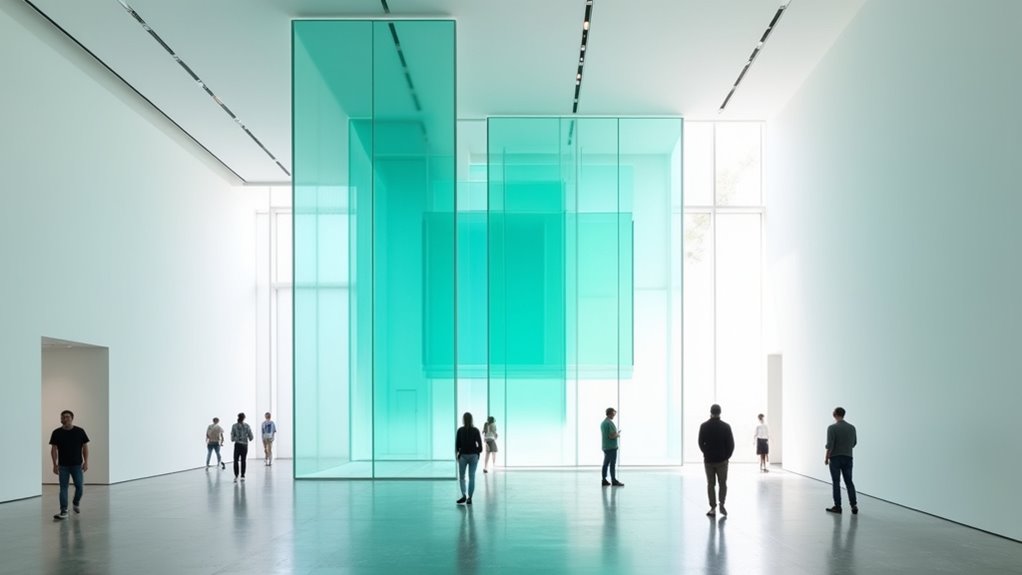
One of Japan’s most innovative art spaces sits right in Kanazawa’s heart, where the 21st Century Museum of Contemporary Art breaks every traditional museum rule you’ve ever encountered. This circular glass building doesn’t have a front entrance – visitors can enter from any direction, making exploration feel like a treasure hunt.
The museum’s modern architecture creates a striking contrast against Kanazawa’s historic backdrop. Interactive installations encourage hands-on participation, while rotating exhibitions showcase cutting-edge contemporary works from Japanese and international artists.
The permanent collection includes mind-bending pieces that challenge conventional thinking about art and space.
Budget-conscious travelers appreciate the free outdoor installations and reasonably priced admission. The museum store offers unique souvenirs that capture Kanazawa’s artistic spirit without breaking the bank.
Discover Kanazawa’s Gold Leaf Craftsmanship in Action
Since Kanazawa produces an astounding 99% of Japan’s gold leaf, visitors can witness this ancient craft that’s been perfecting its delicate artistry for over 120 years. The Kanazawa Yasue Gold-Leaf Museum and Gold Leaf Sakuda Main Store showcase this remarkable tradition, displaying everything from production techniques to stunning finished pieces.
Budget-conscious travelers can explore the Hakuichi Hakuko-kan museum, which offers exhibits on gold leaf production and application methods. Here, visitors see craftsmen hammering gold into impossibly thin sheets, each one-ten-thousandth of a millimeter thick.
For hands-on experience, workshops let travelers try gold leaf application themselves. These sessions cost considerably less than purchasing finished items while providing authentic culture. The experience reveals why Kanazawa’s gold leaf adorns temples, artwork, and luxury items throughout Japan.
Bar-Hop Through the Atmospheric Geisha Districts
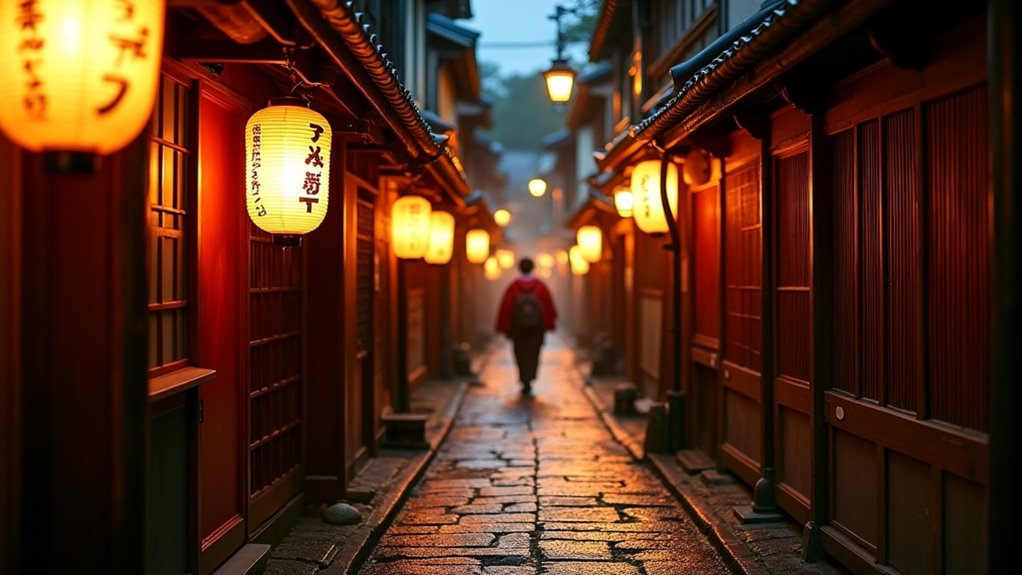
After exploring Kanazawa’s traditional crafts, visitors can experience the city’s nightlife in three historic geisha districts that transport them back to the Edo period.
Higashi Chaya District offers the most authentic atmosphere with preserved wooden teahouses lining narrow streets. Many establishments welcome travelers for drinks and traditional entertainment, though prices vary widely depending on the venue’s exclusivity.
Nishi Chaya District provides a quieter, more intimate setting with fewer crowds and often more affordable options.
The smallest district, Kazue Machi, sits along the Asano River and features cozy bars housed in converted geisha houses.
Budget-conscious visitors should explore during early evening hours when some teahouses offer casual dining rather than formal geisha experiences.
Walking between districts takes about 20 minutes, making bar-hopping feasible on foot.
Try Your Hand at Traditional Tea Ceremony
While most visitors admire Japanese culture from afar, participating in a traditional tea ceremony lets them step directly into centuries-old customs that define Kanazawa’s refined heritage. The city offers authentic tea ceremony experiences throughout its historic districts, often paired with visits to traditional gardens or samurai residences.
Visitors can find affordable sessions near Kenrokuen Garden or within the geisha districts they’ve just explored. These hands-on workshops teach proper etiquette, from bowing techniques to whisking matcha tea. Local instructors explain each movement’s significance while guests practice in tatami-floored rooms overlooking Japanese gardens.
Many experiences include traditional sweets that complement the bitter matcha. Sessions typically last 60-90 minutes and cost around ¥2,000-4,000 per person, making this culture surprisingly accessible for budget-conscious travelers.
Venture Beyond the City to Tojinbo Cliffs and Hot Springs
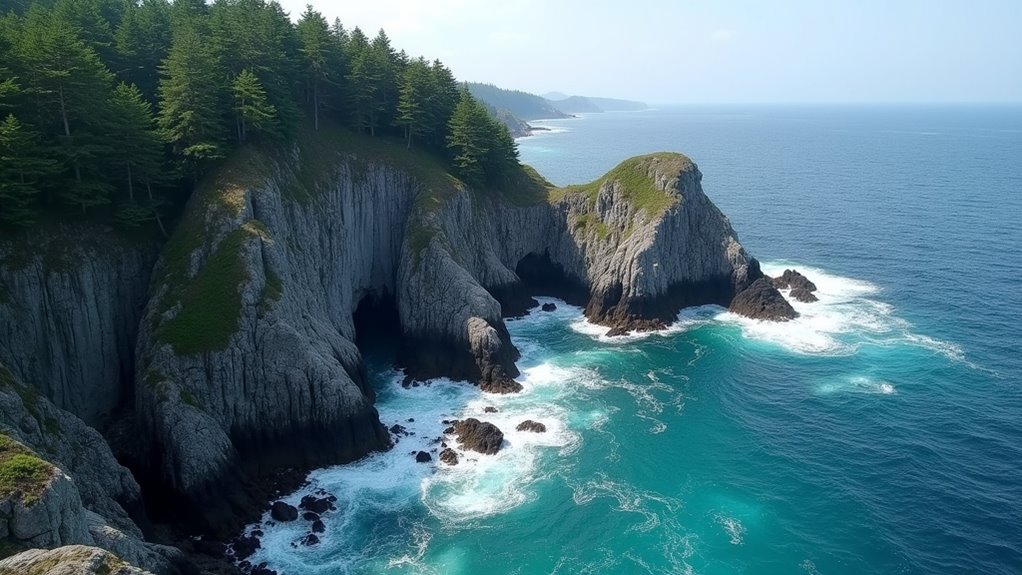
Kanazawa’s cultural treasures provide plenty to explore, but day trips to the surrounding region reveal dramatic coastal landscapes and rejuvenating hot springs that showcase central Japan’s natural beauty.
The rugged Tojinbo Cliffs offer breathtaking ocean views where waves crash against towering rock formations. These geological wonders create perfect photo opportunities and hiking trails for nature enthusiasts.
After exploring the coast, travelers can unwind at Yuwaku Onsen, a serene hot spring retreat nestled in the mountains. This traditional onsen village provides authentic Japanese bathing experiences without Tokyo’s hefty price tags.
Day trip combinations work well—morning cliff exploration followed by afternoon soaking. Local buses connect these destinations affordably, making it easy to experience both coastal drama and mountain tranquility in a single memorable excursion.
Marvel at Kanazawa Station’s Architectural Welcome
Before travelers even step foot in the city proper, Kanazawa Station makes an unforgettable first impression with its stunning architectural design that perfectly balances tradition and modernity.
The station’s iconic Tsuzumi-mon Gate welcomes visitors with its dramatic wooden structure inspired by traditional Japanese drums, while the expansive Motenashi Dome overhead symbolizes the city’s commitment to hospitality.
This architectural marvel serves as more than just a transportation hub—it’s a free attraction in itself. Visitors can spend time photographing the intricate details of the gate’s design or simply admiring how seamlessly it integrates contemporary engineering with classical Japanese aesthetics.
The station perfectly sets expectations for Kanazawa’s unique character, where 400 years of history coexist beautifully with cutting-edge design throughout the city.