
If you’re looking for a meaningful glimpse into Japan’s spiritual life, this guided tour of Ise Jingū’s Outer (Geku) and Inner Shrines (Naiku) could be just what you need. For $97, you get a well-rounded experience that combines sacred site visits, historical insights, and a taste of local traditions—all led by knowledgeable guides who bring the area’s profound significance to life.
Two things we especially appreciate about this tour are how it balances spiritual reverence with accessible storytelling, making the ancient practices understandable and engaging. Plus, the chance to stroll through Oharaimachi, with its traditional wooden facades and cobbled alleys, offers a tangible connection to centuries-old customs.
One consideration to keep in mind is the walking involved—this tour involves navigating through sacred sites and historic streets, so comfortable shoes are a must. Also, if you’re short on time, the full immersion might feel a bit condensed, but for most travelers, it hits a good balance of depth and convenience.
This experience suits travelers who crave authentic cultural encounters, history buffs interested in Japanese religion and architecture, or anyone drawn to serene natural settings and traditional crafts. Whether you’re visiting Japan for the first time or seeking a deeper understanding of its spiritual traditions, this tour offers insights worth exploring.
Key Points
 1 / 5
1 / 5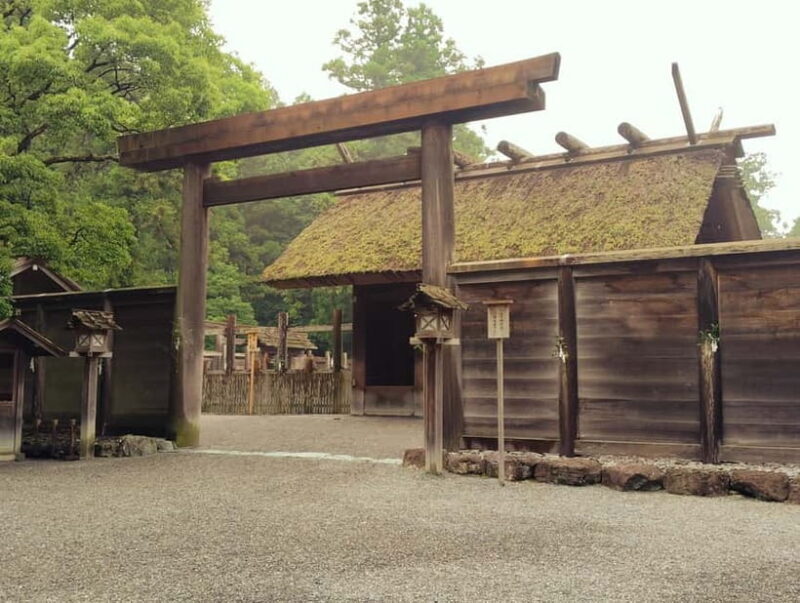 2 / 5
2 / 5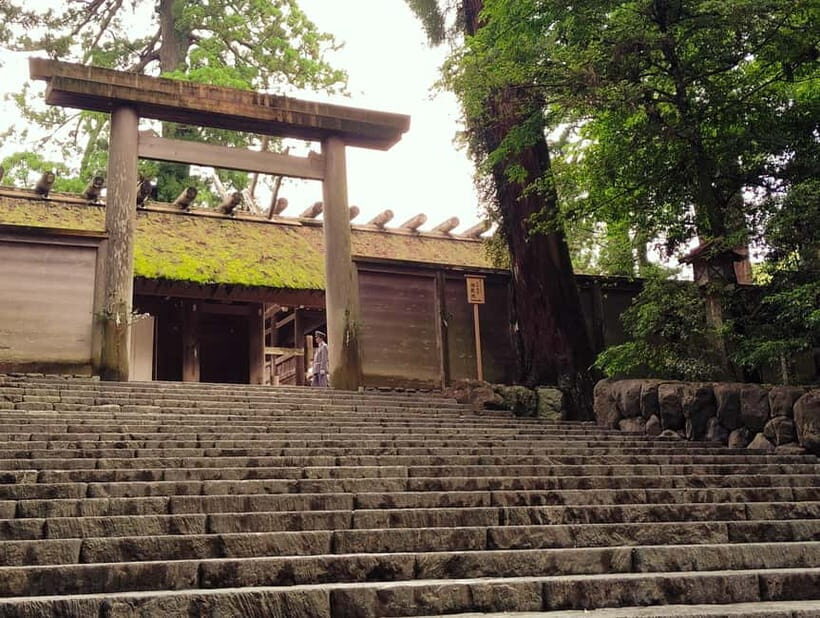 3 / 5
3 / 5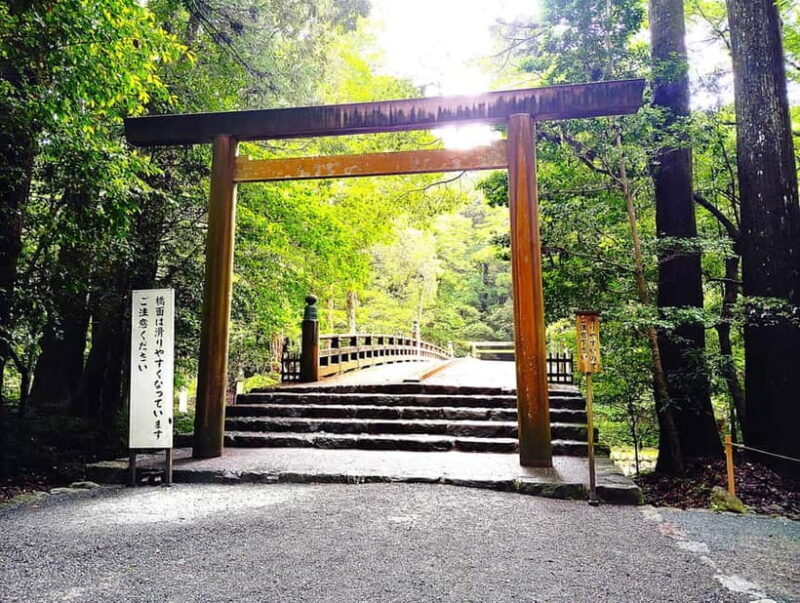 4 / 5
4 / 5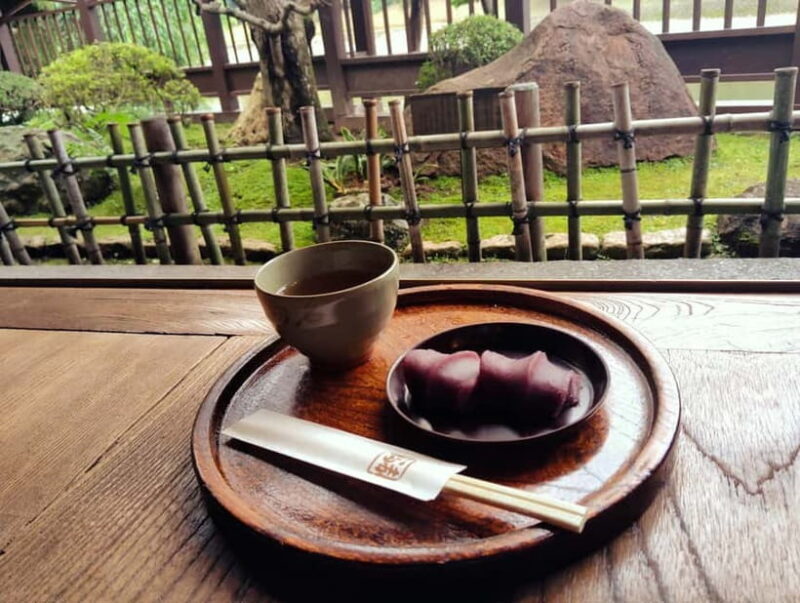 5 / 5
5 / 5- Authentic access to the sacred sites of Ise Jingū, including both Geku and Naiku.
- Learn about the centuries-old tradition of shrine rebuilding every 20 years.
- Enjoy a walk through the historic streets of Oharaimachi, filled with traditional flavors.
- Guided by local experts who explain the significance, symbolism, and rituals of the shrines.
- Experience the peaceful atmosphere of the shrine built entirely of hinoki cypress, showcasing ancient Japanese architecture.
- Optional upgrade for train tickets from Nagoya adds flexibility for travelers.
Exploring Ise Jingū: Sacred Shrines and Cultural Insights
When you first arrive at Ise Jingū, it’s impossible not to feel the quiet dignity that pervades both the Outer and Inner Shrines. Our guide explained that the Outer Shrine (Geku) is dedicated to Toyouke-mikami, the goddess of food, clothing, and shelter. You’ll notice the shrine’s location among towering cryptomeria trees, which symbolize longevity and protection in Shinto belief. The sense of being part of a natural cycle is palpable here, especially as you learn about the tradition of shikinen seng—the practice of rebuilding the shrine every 20 years, a ritual that embodies the idea of eternal renewal.
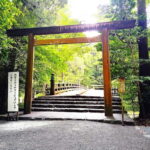
Crossing the Uji Bridge to reach the Inner Shrine (Naiku), dedicated to Amaterasu-mikami, the Sun Goddess and ancestral deity of the Imperial family, marks a transition from the worldly to the divine. The approach through a serene forest of hinoki cypress—constructed without nails—speaks volumes about Japan’s mastery of craftsmanship and reverence for nature. The gravel paths and towering trees aren’t just aesthetic—they’re symbols of over two thousand years of worship and national identity.
Throughout the visit, we loved the way the guides explained the significance of these rituals and symbols. One guide said, “Every detail, from the gravel to the trees, is part of a living tradition that connects us to Japan’s past and future.” It’s these insights that make the experience more than just sightseeing—they turn it into a dialogue with history.
You can also read our reviews of more guided tours in Ise Japan
The Historic Streets of Oharaimachi
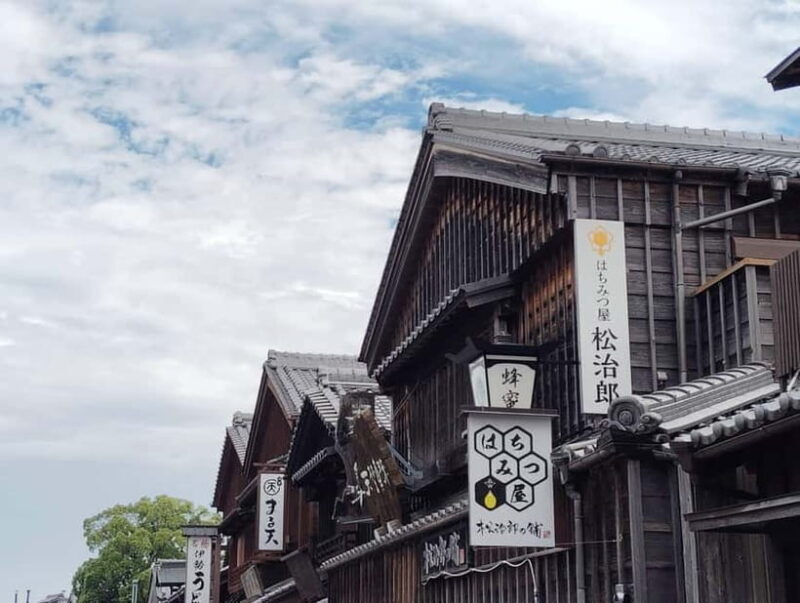
After soaking in the spiritual atmosphere, the tour takes you to Oharaimachi, a charming street lined with wooden storefronts, traditional crafts, and local eateries. Here, you can indulge in Akafuku mochi, a sweet, smooth rice cake that’s been a local specialty for centuries, or sample miso-glazed dango—small rice flour dumplings with a savory-sweet twist. As you stroll, you’ll find that the old-world architecture and cobbled streets evoke a sense of timeless community.
Many reviews highlight how walking through Oharaimachi feels like stepping back in time. One visitor said, “The street’s quiet charm and the smell of fresh mochi made me feel like a local for a moment.” It’s a perfect place to slow down, take photos, and enjoy traditional flavors that have been passed down through generations.
Practical Details and Value
This tour is priced at $97 per person, which includes guided visits to both shrines, a walk through Oharaimachi, and the expertise of local guides. For travelers coming from Nagoya, there’s also an optional upgrade for reserved-seat limited express train tickets, offering greater convenience and comfort.
The tour’s duration, including travel time, is designed to give a comprehensive yet manageable experience. Expect a mix of walking, learning, and tasting—perfect for those who want a meaningful culture without feeling rushed. The group sizes tend to be small to medium, fostering an intimate environment where questions are encouraged.
One of the key benefits is the opportunity to hear local perspectives on the importance of the shrines and their relevance today. The guides are well-versed and passionate, making complex religious and cultural traditions accessible.
What Makes This Tour a Good Value?
At less than $100, this guided experience offers a lot—expert insights, cultural exposure, and the chance to connect directly with Japan’s spiritual traditions. It’s a step above self-guided visits because of the contextual stories that deepen your understanding. The inclusion of a visit to the historic streets further enhances the value, making it a well-rounded cultural day trip.
However, keep in mind that the tour involves some walking through sacred sites, so comfortable shoes are essential. If you’re interested in a compact but thorough introduction to Ise Jingū, this tour offers an authentic, insightful, and enjoyable way to experience Japan’s spiritual heart.
This experience is ideal for travelers who want more than just photos—they seek an understanding of Japan’s religious traditions, architecture, and cultural practices. It suits history and culture enthusiasts, spiritual seekers, and anyone curious to see a living example of Japan’s dedication to nature and renewal. It’s also good for those who appreciate guided storytelling, as the guides do a great job of making the ancient practices relevant today.
If you prefer to explore at your own pace or are on a tighter budget, self-guided visits or shorter tours might be better, but for a balanced mix of expert narration and culture, this tour hits the mark.
Ise: Guided Geku and Naiku in the Sacred Pilgrimage Order

Frequently Asked Questions
What is included in the tour?
The guided tour includes visits to both the Outer (Geku) and Inner (Naiku) shrines, a walk through Oharaimachi, and the expertise of a local guide. There’s also an option for reserved-seat train tickets from Nagoya.
How long does the tour last?
The tour’s duration, including transportation and sightseeing, is designed to give a thorough experience without feeling rushed, though exact timing depends on the chosen options and pace.
Is the tour suitable for all ages?
Yes, generally, it’s suitable for most travelers who are comfortable walking and standing for periods. Kids or those with mobility concerns should consider their comfort level with the walking involved.
Do I need to prepare anything?
Comfortable shoes and weather-appropriate clothing are recommended, as you’ll be walking through outdoor sacred sites and historic streets.
Can I customize the experience?
The standard tour is set, but you can opt for upgrades like train tickets to enhance your convenience.
Is there any free time during the tour?
Yes, time in Oharaimachi allows for casual browsing, tasting local treats, and photos, giving some relaxed moments amidst the guided experience.
This guided tour of Ise Jingū offers a thoughtfully curated look into Japan’s most sacred shrines, blending spiritual reverence with cultural authenticity. You’ll appreciate the knowledgeable guides who bring stories to life, the chance to witness centuries-old rituals, and the opportunity to sample local flavors along the way.
For travelers eager to connect with Japan’s traditional faith and craftsmanship, this experience presents a meaningful and enjoyable way to spend a day. It’s especially well-suited for those who value guided insights and want a deeper appreciation of the country’s spiritual heritage without overloading on the touristy surface.
While it does require some walking and a bit of cultural curiosity, the balance of history, tradition, and local charm makes it a valuable addition to any Japan itinerary—whether you’re a first-time visitor or a seasoned traveler seeking genuine cultural encounters.
Note: Always check the latest details from the provider to confirm availability and specific arrangements.
You can check availability for your dates here: