Planning a trek in Nepal can be as exciting as it is daunting. This 15-day Everest Gokyo Renjo La Pass trek promises an adventure packed with majestic mountain views, vibrant Sherpa culture, and a route less traveled than the crowded Everest Base Camp trail.
Although the price tag of $1,900 per person seems steep, the experience offers a level of comfort, organization, and authenticity that many seasoned trekkers will find worth every penny.
Two things we love about this trek are its emphasis on scenic tranquility—away from the hustle of the more popular routes—and its focus on culture within Sherpa villages. What might give some pause is the fact that certain logistical elements, like optional personal gear and Wi-Fi, are not included, and the trek’s altitude and physical demands mean it’s best suited for those in good health.
This trip works well for those looking for a blend of spectacular mountain panoramas and a chance to explore less crowded paths while staying in comfortable lodges. If you’re seeking an authentic Himalayan experience that balances challenge with comfort, this trek could be your ideal choice.
- Key Points
- An In-Depth Look at the 15-Day Everest Gokyo Renjo La Pass Trek
- Starting in Kathmandu
- Flying to Lukla and the First Trekking Steps
- Acclimatization at Namche Bazaar
- Traversing the Gokyo Valley and Lakes
- Crossing the Renjo La Pass
- Returning via Sherpa Villages
- The Final Leg and Return to Lukla
- The Logistics and Comfort Level
- Physical Preparation and Considerations
- Cost and Value
- Authenticity and Unique Aspects
- Final Thoughts: Who Is This Trek For?
- FAQs
- More Hiking & Trekking Tours in Kathmandu
- More Tour Reviews in Kathmandu
Key Points
- Scenic Diversity: Combines glacier lakes, mountain passes, and Sherpa villages for a well-rounded experience.
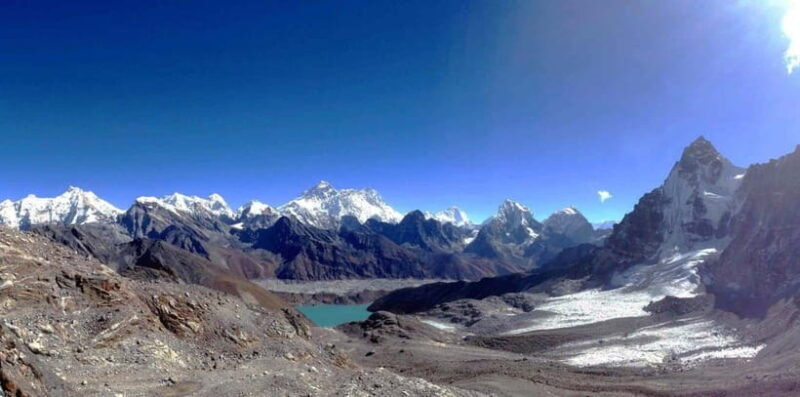
- Spectacular Views: Cross the Renjo La Pass for panoramic vistas of Everest, Lhotse, and Makalu.
- Cultural Insight: Visits to Sherpa towns like Namche and Thame offer authentic cultural encounters.
- Comfort & Logistics: Includes quality lodge stays, full board meals, and experienced guides.
- Value for Money: For $1,900, you get comprehensive support, permits, and gear.
- Challenging but Manageable: Moderate physical challenge with high-altitude exposure.
An In-Depth Look at the 15-Day Everest Gokyo Renjo La Pass Trek
You can also read our reviews of more hiking tours in Kathmandu
Starting in Kathmandu
Your adventure begins at Tribhuwan International Airport in Kathmandu where you’ll meet your guide and prepare for the journey ahead. The city itself offers a vibrant, bustling gateway to Nepal’s natural wonders. Three nights in Kathmandu give you time to settle, organize gear, and explore some local sights. The inclusion of accommodations and breakfast makes this a smooth start, though you’ll need to arrange your international flights separately.
Flying to Lukla and the First Trekking Steps
From Kathmandu, you fly to Lukla, often regarded as one of the most scenic and exhilarating short flights in the world. The flight itself, operated from Ramechhap during peak seasons, is an adventure—think of it as a rollercoaster in the sky. Upon landing, you’ll trek to Phakding, where a cozy lodge awaits. This first walk sets the tone with gentle terrain and stunning mountain views, easing you into the high-altitude environment.
Acclimatization at Namche Bazaar
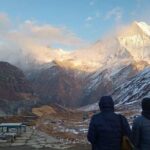
Next stop is Namche Bazaar, a lively Sherpa town where you’ll spend a day acclimating. A highlight here is the hike to the Everest View Hotel, offering sweeping vistas of Everest, Lhotse, and Ama Dablam. This rest day is crucial; the route gradually gains altitude, and Namche’s vibrant market and friendly atmosphere give you a taste of Sherpa culture. Reviewers often mention how staying in comfortable lodges and the support of friendly guides helps prevent altitude sickness.
More Great Tours NearbyTraversing the Gokyo Valley and Lakes
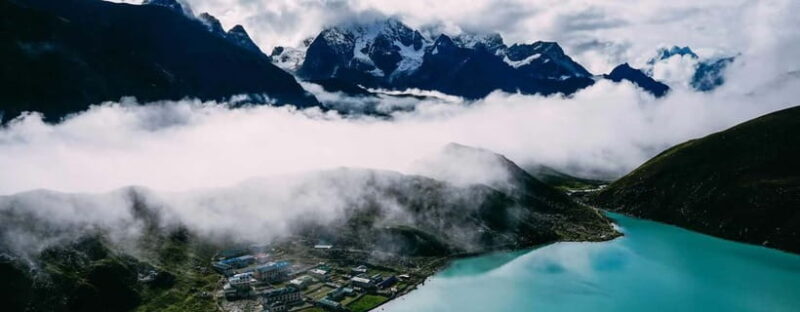
From Namche, your route takes you to Dole and Machhermo, small villages that mark the approach to the Gokyo Valley. The lakes of Gokyo are considered some of the most stunning high-altitude bodies of water, with their turquoise hue contrasting sharply against the surrounding snow and rocks. The stay at Gokyo Lake offers a chance to relax and take in the serene environment, with some trekkers describing the lakes as “one of the most beautiful sights in Nepal.”
Climbing to Gokyo Ri is a must-do, providing a panoramic vista of Everest, Makalu, Lhotse, and more. This point is often cited as a highlight by travelers, with comments like “the views from Gokyo Ri are worth every step.” The climb is challenging but manageable with proper acclimatization.
Crossing the Renjo La Pass
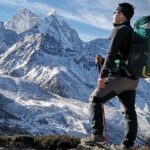
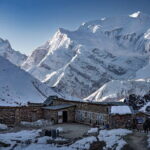
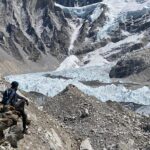
The highlight for many is crossing the Renjo La Pass—a dramatic high mountain pass that offers sweeping views of the Himalayas. The ascent is steep, but the reward is the view corridor of Everest, Lhotse, and Makalu stretching before you. Several reviews praise this section for its “dramatic scenery and fewer crowds,” making it a memorable wilderness experience.
Returning via Sherpa Villages
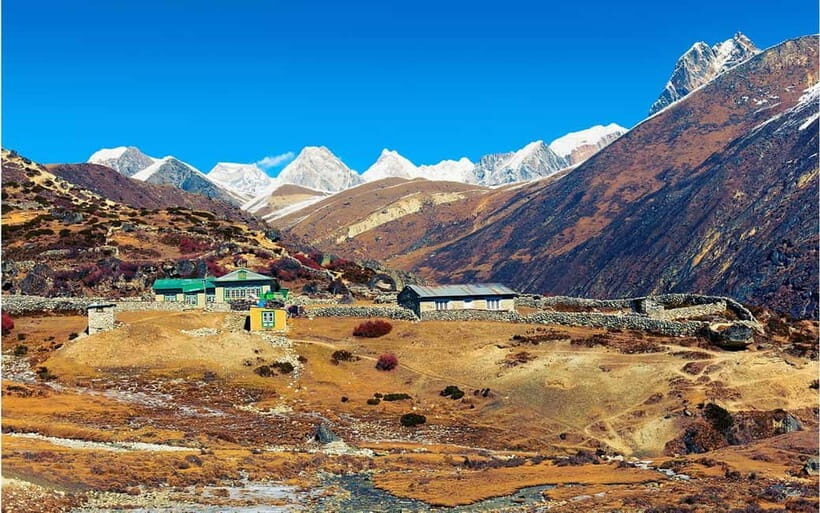
The trek then takes you through villages like Lunden and Thame—places where the Sherpa culture is still deeply alive. These stops not only break up the high-altitude sections but also give insight into the daily lives of mountaineers and their families. Walking through these villages, you’ll see monasteries, prayer flags fluttering in the wind, and perhaps even share a cup of tea with locals.
The Final Leg and Return to Lukla
After descending back toward Lukla, the journey concludes with a flight back to Kathmandu. Many trekkers mention feeling a mix of exhaustion and fulfillment at this point, with the mountains still echoing in their memories. Spending a few more days in Kathmandu allows for sightseeing and reflection on the trip.
The Logistics and Comfort Level
This tour balances adventure with comfort. All lodge stays are in twin-sharing rooms with full board meals, which means less worry about finding accommodations in remote areas. The inclusion of a duffle bag, sleeping bag, and down jacket simplifies packing. The permit fees and taxes are handled beforehand, smoothing the bureaucratic hurdles many travelers dread.
While Wi-Fi isn’t included during the trek, the lodges often offer limited internet access, which is typical for high-altitude treks. The guides, who are highly experienced, serve both as leaders and local educators, making sure your safety and cultural experience are prioritized.
Physical Preparation and Considerations
The trek’s physical demands shouldn’t be underestimated. The altitudes reached are significant, and some days involve strenuous climbs. The route isn’t suitable for pregnant women, those with mobility issues, or heart or respiratory problems. Good fitness and preparation will make the experience more enjoyable and safer.
Cost and Value
At $1,900 per person, the tour isn’t cheap, but it includes many essentials: permits, internal flights, comfortable lodges, meals, gear, and professional guides. Reviewers say that the level of organization and support justifies the price, especially considering the effort it takes to arrange similar logistics independently.
Authenticity and Unique Aspects
What sets this trek apart is its focus on less crowded routes and authentic Sherpa villages. Instead of the hustle and bustle of Everest Base Camp, you get a quieter, more scenic experience. Several reviews note how peaceful the lakes and passes feel compared to the busy trails.
The opportunity to cross the Renjo La Pass and visit places like Thame offers a glimpse into traditional Sherpa life, providing a richer understanding of the local culture and resilience.
Final Thoughts: Who Is This Trek For?
This adventure is best suited for travelers who are physically fit, enjoy scenic landscapes, and want to avoid the crowds common on other Everest treks. It’s ideal for those looking for a balance of challenge, comfort, and authenticity. The inclusion of experienced guides and quality accommodations makes it accessible for those new to high-altitude trekking, provided they prepare adequately.
If you’re craving stunning mountain views, culture, and a route less traveled, this trek offers all three in spades. It’s a chance to see Nepal’s Everest region from a unique perspective, with enough comforts to make the journey rewarding rather than exhausting.
Kathmandu: 15-Day Everest Gokyo Renjo La Pass Trek
FAQs
What is included in the price?
All ground transportation, airport transfers, three nights in Kathmandu with breakfast, lodge accommodations during the trek, meals, guides, porters, permits, and insurance are included. You also get gear like a duffle bag, sleeping bag, and down jacket to use during the trek.
What’s not included in the cost?
Meals not specified, international flights, Nepal visa, personal gear, Wi-Fi, hot showers in some locations, and personal expenses are additional.
How do I get to the starting point?
You will fly from Kathmandu to Lukla, often from Ramechhap airport during peak season, then begin your trek from Lukla.
Is this trek suitable for beginners?
It requires good physical fitness and some trekking experience. The altitude and passes are challenging, but the route is well-supported with comfortable lodges and experienced guides.
What kind of accommodations will I stay in?
Twin-sharing lodges, generally comfortable, with full board meals. Private rooms might be available but are not specified.
How strenuous is the climb over Renjo La Pass?
It’s a steep ascent, but the views make it worthwhile. The pass is one of the highlights, offering panoramic vistas of Everest and surrounding peaks.
Are Wi-Fi and hot showers available?
Wi-Fi isn’t included, and hot showers are only available in certain locations like Phakding, Namche, and Lukla.
What should I bring?
Passport, warm clothing, snacks, hiking shoes, sunscreen, water, water bottles, travel insurance, daypack, and a passport-sized photo.
Can I book this trip and pay later?
Yes, you can reserve your spot now and pay later, offering flexibility in planning.
To sum it up, this trek offers a compelling mix of breathtaking scenery, authentic Sherpa culture, and manageable comfort. It’s suited for travelers who want to see the Everest region from a quieter, less commercialized angle, with the support and organization needed for a high-altitude adventure. While it demands a good level of fitness, the payoff—stunning mountain views, peaceful lakes, and genuine cultural encounters—is well worth it for those ready to challenge themselves in one of the world’s most spectacular landscapes.
You can check availability for your dates here: