If you’re heading to Kyoto and craving an authentic taste of Japanese tradition, this Kimono & Tea Ceremony experience offers a charming glimpse into the city’s cultural heart. Set inside a beautifully preserved traditional townhouse, also known as a machiya, this tour combines the artistry of kimono dressing with the tranquil elegance of a tea ceremony.
It’s a snapshot of Kyoto’s enduring customs, perfectly suited for travelers eager for a unique, photo-worthy moment—and a bit of cultural education.
What we particularly love about this experience is how accessible it makes traditional Japanese culture. First, you get to wear a silk kimono, which instantly transforms you into a temporary Kyoto resident. Second, the tea ceremony is conducted with a mindful, respectful touch that captures the essence of Japanese hospitality.
However, it’s worth noting that the group size can get crowded, which might slightly detract from the intimacy of the experience.
Still, if you’re after a fun, educational, and memorable activity that combines history, fashion, and flavor, this tour is a solid choice—especially if you’re keen on photography and learning about Japanese customs.
Key Points
 1 / 6
 2 / 6
 3 / 6
 4 / 6
 5 / 6
 6 / 6
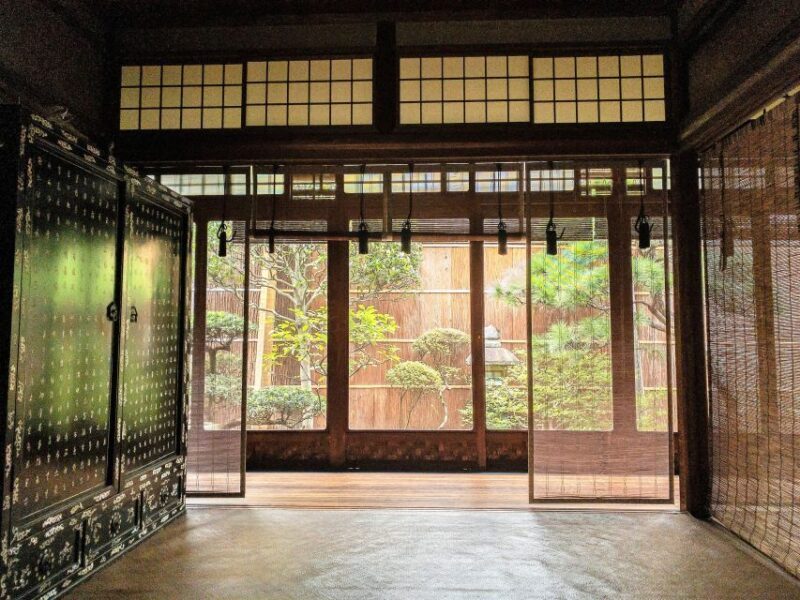
- Authentic setting: Experience a Meiji-era townhouse that offers a glimpse into Kyoto’s architectural and cultural past.
- Kimono dressing: Enjoy the process of being fitted in a 100% silk kimono, perfect for memorable photos and cultural appreciation.
- Cultural insight: Watch a traditional tea ceremony, gaining understanding of its significance and rituals.
- Flexible options: Choose between group or private sessions based on your preference for intimacy.
- Photo-friendly: Feel free to take as many photos as you like, capturing your kimono moment and house surroundings.
- Value for money: For $121, you receive kimono dressing, a tea ceremony, and entry to a historic property, making it a worthwhile culture.
An In-Depth Look at the Experience
You can also read our reviews of more tours and experiences in Kyoto.
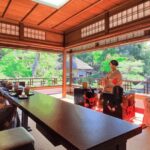

The Venue: A Historic Machiya
The tour begins at Tondaya – Nishijin Japanese Cultural Experience Museum, a location steeped in history. Originally built during the Meiji period, this machiya is more than just a backdrop; it’s a portal to Kyoto’s past. The wooden beams, sliding doors, and traditional architecture are visually stunning and create an ambiance that instantly transports you away from the modern city.
Visitors can expect to explore the house at their leisure, with plenty of space to take photos around the interiors and gardens. Several reviews, including those from Amy and Michael, mention that the house’s history and architecture are highlights, offering a glimpse into Kyoto’s craftsmanship and design sensibilities.
Kimono Fitting: Dress in Style
One of the main attractions is wearing a kimono. The process begins with a quick yet meticulous fitting, where your kimono is tailored to your size. The silk fabric is of high quality, and the staff is generally friendly, aiming to make you feel comfortable and look your best. Amy’s review mentions that she appreciated the “plenty of time to take our own photos” and enjoyed the fashion aspect of the activity.
However, some reviews note that kimono sizes may feel limited—taller guests might find the options less varied, with larger kimonos often solid-colored rather than patterned. Still, most visitors agree that dressing in a kimono is a fun, memorable experience, and the photo opportunities are plentiful.
The Tea Ceremony: A Soothing Ritual
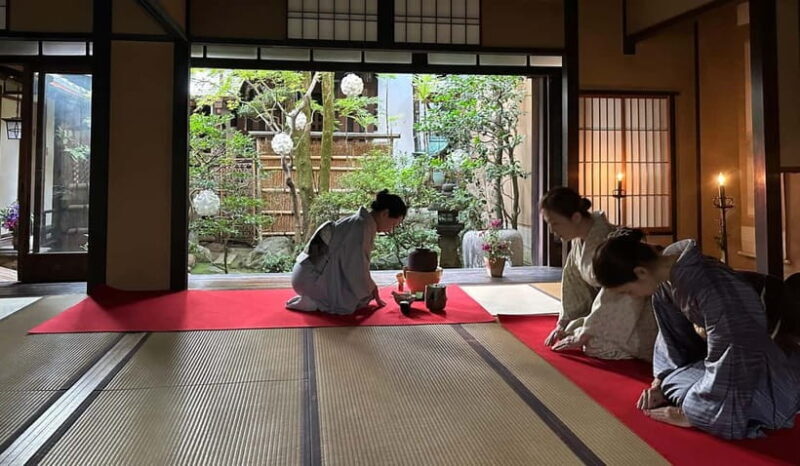
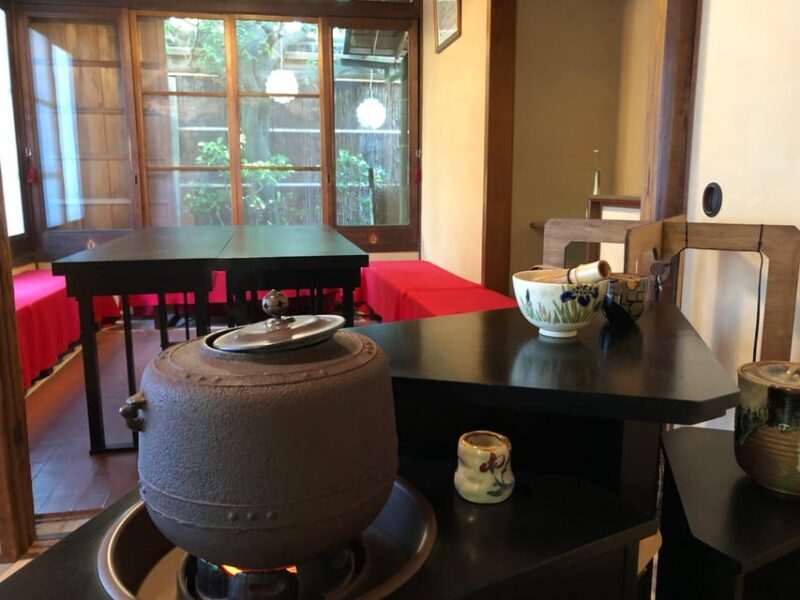
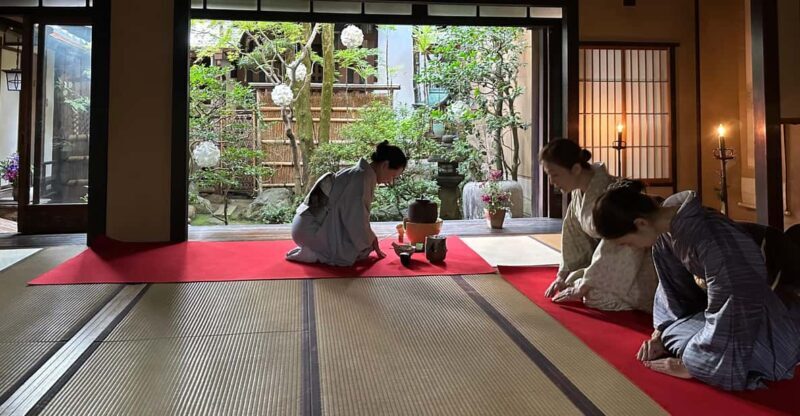
After dressing up, you’ll witness a traditional tea ceremony performed by knowledgeable hosts. It’s not just about drinking matcha; it’s about understanding the rituals, manners, and etiquette that make Japanese tea culture so special. Several reviewers, such as Austin and Sarah, find the tea ceremony “fascinating” and “educational,” appreciating the chance to see the delicate movements and respectful atmosphere.
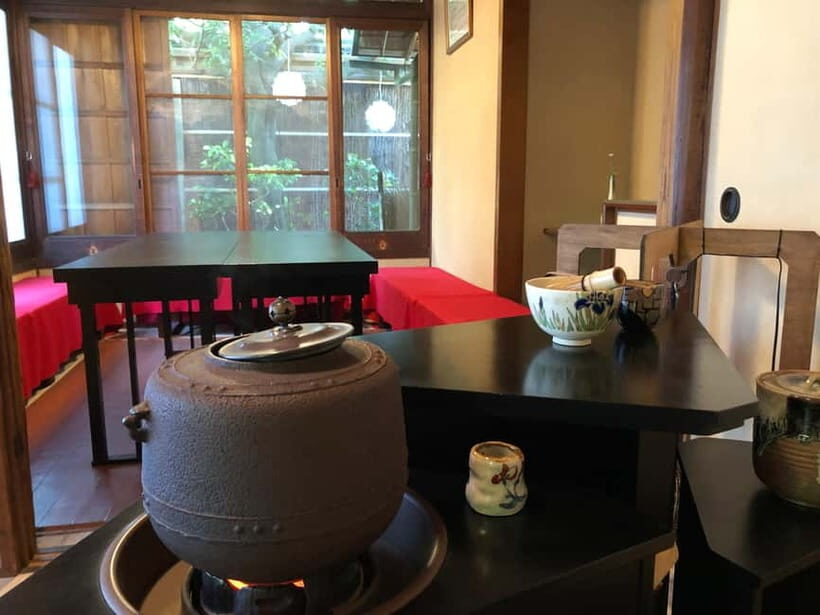
The ceremony typically involves the preparation, whisking, and presentation of matcha, along with a brief explanation of its significance. Some visitors, like Brittany, wish for more interaction—such as the chance to participate in making the tea—but most enjoy the peacefulness and aesthetic beauty of the ritual. The hosts are generally praised for their friendly and attentive manner, though language barriers may sometimes make explanations less detailed, as some reviews point out.
More Great Tours NearbyThe Group Dynamic
Most experiences are conducted in a group setting, which helps keep the cost reasonable but can sometimes lead to crowding. Razvan and others mention that noise levels or group behavior can impact the overall atmosphere. If you prefer a more personalized or private experience, opting for the private session might be worth the additional cost—but be aware that even in a group, there’s usually enough time to enjoy photos and ask questions.
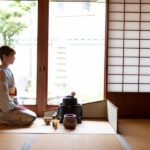
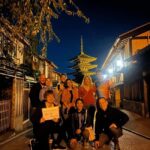
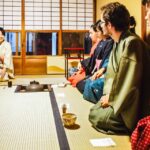

Photo Opportunities & Flexibility
A major plus is how photo-friendly the experience is. Both the interior and exterior of the house, the kimono, and the garden provide beautiful backdrops. Guests are encouraged to take as many photos as they like, which is perfect if you want to capture this fleeting moment of traditional dress.
Cost & Value
At $121 per person, this experience offers a comprehensive cultural snapshot—kimono dressing, a tea ceremony, and entry into a historic building. Considering the quality of the kimono, the expertise of the hosts, and the chance to walk around a significant Kyoto site, most reviews agree that it’s good value. For those seeking a meaningful, photogenic, and culturally rich activity, it’s a fair price for a memorable half-day.
Who Will Love This Tour?
This experience is best suited for travelers who enjoy hands-on cultural activities and are looking for authentic, photo-worthy moments. It appeals to those interested in Japanese fashion, tradition, or tea culture, as well as photo enthusiasts wanting to document their time in Kyoto. Families, couples, and solo travelers all find value here, especially since private options are available.
However, if you prefer a more intimate or quiet experience, or if you’re seeking deep historical or linguistic insights, you might find the group setting somewhat limited. Also, those wanting to learn more about kimono garments’ origins might wish for additional educational content, as some reviews suggest.
Practical Tips for Visitors
- Remember to bring your own socks, as bare feet are not permitted and stockings are discouraged.
- Wear clothes that aren’t too tight around the neck so you can comfortably don the kimono.
- Consider bringing a change T-shirt if your current one is wet or purchase one on-site.
- The experience is conducted in both English and Japanese, with some staff not fluent English, so patience and possibly a translation device will help.
- During peak times around New Year (Dec 28 – Jan 5), prices increase by 30%, and the venue might be more crowded.
- Note that the shop is closed on December 31 and January 1.
FAQ
Is this tour suitable for small children?
You might find it more suitable for older children or teenagers who can appreciate the cultural significance and follow instructions during dressing and the tea ceremony.
Can I take photos during the kimono fitting?
Absolutely. The staff encourages guests to take as many photos as they like around the house and gardens.
How long does the experience last?
While the exact duration isn’t specified, most reviews suggest it’s a half-day activity, including dressing, house exploration, and the tea ceremony.
Is it possible to do this experience privately?
Yes, you can choose the private experience option if you prefer to avoid group dynamics and enjoy a more personalized session.
What should I wear to the kimono?
Choose comfortable clothing that isn’t tight around the neck, as it will be visible beneath the kimono. Also, remember to wear socks, as bare feet aren’t permitted.
What happens if I arrive late?
Since the process involves scheduled fittings and performances, arriving late might mean missing parts of the experience. It’s best to arrive on time.
Kimono & Tea Ceremony Experience in a Kyoto Cultural Asset
Final Thoughts
This Kimono & Tea Ceremony experience offers a hands-on culture that many travelers find charming and memorable. The historic setting, combined with the chance to dress in a traditional kimono and observe a classic tea ceremony, makes for a well-rounded taste of Kyoto’s heritage. While it can get crowded, the friendly hosts, photo opportunities, and authentic atmosphere contribute to its appeal.
Perfect for those looking for a fun, educational activity that’s visually stunning and culturally meaningful, this tour provides excellent value—especially if you’re eager to capture your Kyoto visit in style. Just be prepared for the group dynamic, and you’ll have a delightful, photo-worthy experience that you’ll treasure long after you’ve left Japan.
To sum it up, if you’re interested in trying on a traditional kimono, learning about Japanese tea rituals, and exploring a historic Kyoto townhouse, this experience hits all the right notes. It’s best suited for curious travelers who don’t mind sharing their time with others and are eager to engage with Japanese traditions firsthand. Whether for a special occasion or just a memorable souvenir, this tour offers a charming glimpse into Kyoto’s enduring culture.
You can check availability for your dates here: