Introduction
If you’re curious about the inner workings of Japanese Zen Buddhism but don’t want to spend weeks in a monastery, this one-day trainee monk experience at Manpukuji in Uji offers a rare window into that world. It’s designed to give you a taste of monastic life—think meditation, sutra copying, and Zen-style vegetarian meals—without the long-term commitment.
Two things we particularly love about this tour are its authentic approach and the chance to see how monks live and practice daily. The experience is thoughtfully balanced, blending active participation with quiet reflection. However, be aware that it’s a full day, starting in the afternoon and ending the next afternoon, which might be demanding for some travelers.
This tour suits travelers seeking a meaningful, immersive experience that goes beyond sightseeing—particularly those interested in spiritual practices, Japanese culture, or simply looking for a peaceful break from busy travel schedules. It’s not for everyone, especially if you’re not comfortable with early mornings or physical simplicity, but for those open-minded and curious, it can be a deeply rewarding journey.
- Key Points
- Discovering Manpukuji: Kyoto’s Uji Zen Sanctuary
- The Heart of the Experience: Zazen and Dharma Talks
- Sutra Copying: A Meditative Art
- A Taste of Monastic Life: Meals and Ceremonies
- Tea Ceremony: An Elegant Tradition
- Practical Details: What to Expect and How to Prepare
- Is It Worth The Price?
- Who Should Consider This Tour?
- The Sum Up
- FAQ
- More Tour Reviews in Kyoto
Key Points
Authentic Zen Practice: Experience real Zen meditation, sutra copying, and temple routines, not staged or superficial activities.
Cultural Depth: Learn about the history and architecture of Manpukuji, founded in 1661, with its Chinese Ming Dynasty style and unchanged Buddhist statues.
Holistic Experience: Participate in multiple aspects of monastic life, including morning prayers, cleaning, and ritual meals, providing insight into daily Zen routines.
Genuine Food & Tea: Enjoy vegetarian Fucha cuisine, introduced by Chinese Zen master Ingen, and a tea ceremony led by a master from the Obakubaisa School.
Comprehensive Inclusions: Everything from practice uniforms to sutra copying brushes and towels are provided, ensuring a seamless experience.
Limited to Adults: Not suitable for children or those with mobility or sensory impairments, but perfect for adults seeking mindfulness and culture.
Discovering Manpukuji: Kyoto’s Uji Zen Sanctuary
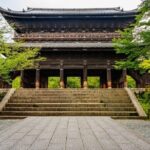
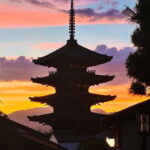
Located in the scenic town of Uji, famous for its tea, Manpukuji Temple is a historic center of Zen practice that has maintained its spiritual rigor for over 360 years. Founded in 1661 by the Chinese Zen master Ingen Ryuki, it’s a place where tradition is preserved in every aspect, from architecture to daily monastic routines. Walking through the Chinese Ming Dynasty style buildings, you’ll immediately sense the calm that has attracted visitors for centuries.
This experience isn’t about sightseeing but about understanding a way of life rooted in discipline, mindfulness, and simplicity. The temple’s statues and structures remain largely untouched, providing a snapshot into the past and a tangible connection to centuries of Zen practice. Guides are attentive and eager to share insights, making the history come alive.
You can also read our reviews of more tours and experiences in Kyoto.
The Heart of the Experience: Zazen and Dharma Talks
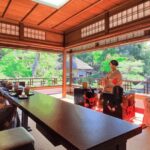
The core of your day will be Zazen, or Zen meditation. You’ll practice this seated meditation multiple times, learning the proper posture, breathing, and mental approach. We loved the way the guides carefully introduced the basics, making it accessible even for beginners. It’s a truly grounding activity, and many reviews mention how this practice offers a refreshing mental clarity.
A highlight is the Dharma talk by the temple’s president, Mr. Masaaki Araki. His explanations about Zen questions and answers are not only educational but also invite reflection. His calligraphy by the temple’s head adds a personal touch, emphasizing the importance of tradition and continuity.
Sutra Copying: A Meditative Art
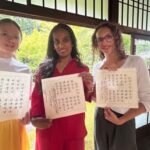
One of the most distinctive parts of the tour is Shakyo—sutra copying. Using traditional brushes and Japanese paper, participants reproduce ancient texts. This activity is more than just writing; it’s a form of meditation that sharpens concentration and patience. Several reviews note that sutra copying can be surprisingly calming and offers a tangible connection to the monks’ dedicated practice.
The experience is guided, and the focus on precision and mindfulness can be both challenging and rewarding. It’s particularly appealing for those interested in calligraphy or spiritual arts.
A Taste of Monastic Life: Meals and Ceremonies
Throughout the experience, you’ll be served vegetarian Fucha cuisine, introduced by Zen master Ingen in China. This healthful, vegetable-based diet is prepared with care and reflects the monks’ simplicity and mindfulness. The Yakushseki dinner and Saiza (porridge breakfast) are served in traditional manners, offering a taste of authentic monastic dining.
Participating in the morning service, including sutra chanting at 5 a.m., is an eye-opening look at the monks’ early routines. Although the early start may be tough for some, it offers a unique glimpse into the discipline needed to sustain Zen practice.
More Great Tours NearbyTea Ceremony: An Elegant Tradition
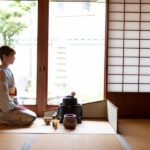
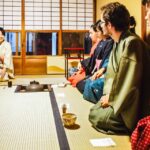
Uji is famous for its tea, and the tour includes a tea ceremony led by a master of the Obakubaisa School. It’s a chance to experience the delicate art of preparing and drinking matcha with mindfulness. Several reviews appreciate this as a serene, almost meditative, experience that complements the spiritual themes of the day.
Practical Details: What to Expect and How to Prepare
The tour begins at 15:00 and ends at 14:00 the following day, including an overnight stay at the temple. Accommodation is simple but authentic, and everything you need—uniforms, practice tools, towels, and toothbrushes—are provided. You’ll want to bring a change of clothes and be prepared for a day filled with physical and mental activity.
Since the tour is in English, Japanese, French, and Spanish, language barriers are minimized. However, it’s not suitable for wheelchair users, those with vertigo, or individuals with certain allergies or health conditions. It’s also aimed at adults over 20, so please plan accordingly.
Is It Worth The Price?
At $370 per person, the experience is priced to reflect its depth and authenticity. When you consider that this includes a full meal, tea, sutra copying, practice uniforms, and a night’s stay, it offers solid value for a unique cultural and spiritual immersion. It’s a chance to sidestep typical tourist attractions and instead engage with a living tradition.
Who Should Consider This Tour?
This experience is ideal for travelers with a genuine interest in Zen Buddhism, Japanese culture, or mindfulness practices. Those comfortable with early mornings and physical activity will gain the most. It’s also perfect for anyone wanting a meaningful break from sightseeing to reflect inwardly.
On the flip side, if you prefer more leisurely, less structured activities or have mobility limitations, this may not be the best fit. But for open-minded explorers ready to embrace simplicity and quiet reflection, it’s a memorable journey.
The Sum Up
This Zen trainee experience at Manpukuji in Uji offers a rare chance to peek behind the scenes of a centuries-old monastic tradition. From meditation and sutra copying to vegetarian meals and tea ceremonies, every activity is designed to foster mindfulness and understanding. It’s a day that may challenge you but also reward you with new insights and a sense of calm.
The value lies not just in the activities but in the genuine connection to Japanese spiritual culture. It’s best suited for curious, respectful adults who want more than just a sightseeing stop—those seeking a quiet, authentic encounter with Zen life.
If you’re looking to deepen your appreciation of Japanese tradition and find moments of stillness amid travel’s chaos, this tour is a thoughtful, enriching choice.
Kyoto: Exclusive ZEN practice at Manpukuji temple in Uji
FAQ
Is this tour suitable for children or teenagers?
No, it’s designed for adults over 20 years old due to the nature of the activities and the discipline involved.
What should I bring?
A change of clothes is recommended, plus any personal items you need. All practice uniforms, towels, and toothbrushes are provided.
Are there any accessibility issues?
Yes, it’s not suitable for wheelchair users or those with vertigo, visual impairments, or certain health conditions.
What is included in the price?
The tour fee covers practice uniforms, zazen meditation, a Dharma talk, dinner, morning service, sutra copying, tea ceremony, vegetarian lunch, calligraphy, and basic amenities like towels and toothbrushes.
What is the schedule?
It starts at 15:00 and finishes at 14:00 the next day, including an overnight stay and morning rituals.
Can I cancel if my plans change?
Yes, cancellation is possible up to 24 hours in advance for a full refund.
Is the tour conducted in English?
Yes, the experience provides guides fluent in English, Japanese, French, and Spanish.
What kind of food will I eat?
A traditional vegetarian Fucha cuisine, introduced in China, prepared with vegetables and served in the monastic style.
Will I get to see the temple’s architecture?
Absolutely. The temple’s Ming Dynasty style and historic statues are explained during the visit, providing insight into its Chinese roots and historical significance.