
If you’re eyeing a peaceful escape into Japan’s spiritual side, a visit to Ninnaji Temple in Kyoto offers just that—and more. This entry ticket grants you access to one of Kyoto’s most tranquil and historically significant sites, famous for its five-story pagoda and vibrant seasonal gardens.
I haven’t personally wandered through its grounds, but based on countless reviews and detailed descriptions, it’s a place that promises serenity, beauty, and cultural insight—all at an accessible price of $9.
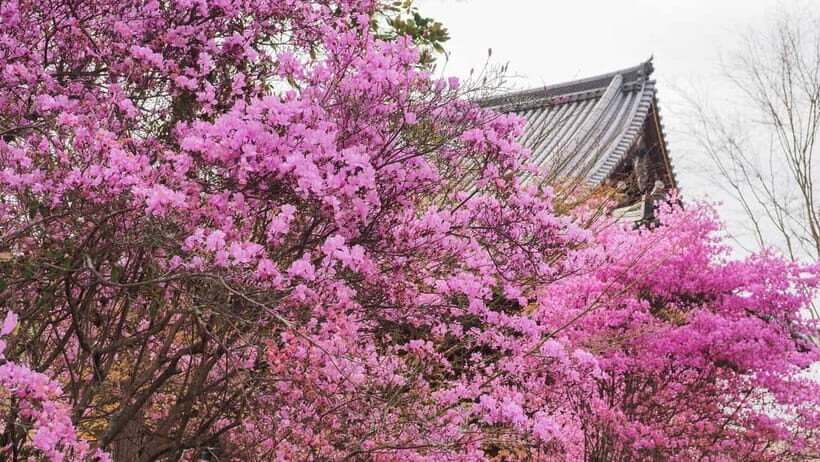
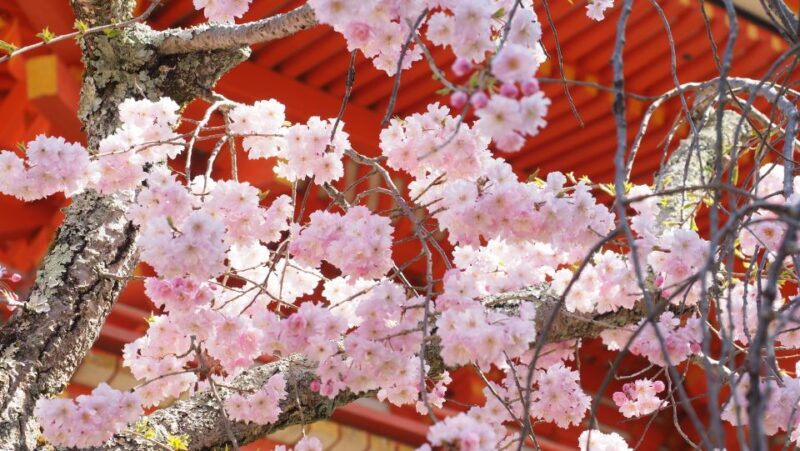
What we love about this experience is how it combines an authentic Japanese temple visit with the chance to enjoy stunning scenery throughout the year. The presence of late-blooming Omuro sakura cherry trees and the quiet majesty of the pagoda make for memorable photo opportunities. Plus, the Reihokan Museum allows visitors to see important cultural artifacts, adding depth to your understanding of Japan’s spiritual past.
A possible consideration is that during peak cherry blossom season, an extra fee applies for viewing the blossoms beyond the inner gate, which might be an extra expense during your visit. Also, while the site is generally praised for its tranquility, it does attract travelers, especially in spring and fall, so you may encounter crowds in popular seasons.
This experience is ideal for those seeking calm, culture, and stunning visuals in Kyoto. Travelers who appreciate less commercial, more authentic environments will find Ninnaji particularly rewarding. It’s also perfect for visitors with a keen interest in Japanese architecture, gardens, and religious sites.
Key Points
- Affordable access to a historic Kyoto temple with rich cultural artifacts
- Beautiful gardens that change with the seasons, from cherry blossoms to snow scenes
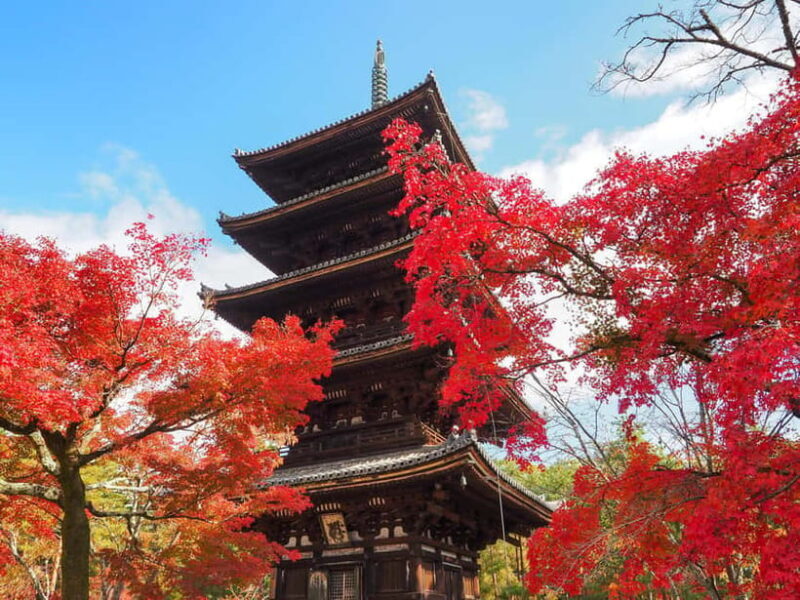
- Impressive five-story pagoda and traditional architecture
- Cultural insights offered through the Reihokan Museum’s collection
- Flexible options including additional tickets for special exhibitions and flower festivals
- Best for those who appreciate tranquility, history, and natural beauty
Exploring Ninnaji: A Deep Dive
What Makes Ninnaji Special?
Ninnaji Temple, founded in 888 AD, is one of Kyoto’s oldest and most revered religious sites. Its main draw is the five-story pagoda, a breathtaking structure that symbolizes both spiritual and architectural achievement. We loved the way this pagoda towers above the lush gardens, especially when framed by seasonal blooms or snow-covered trees.
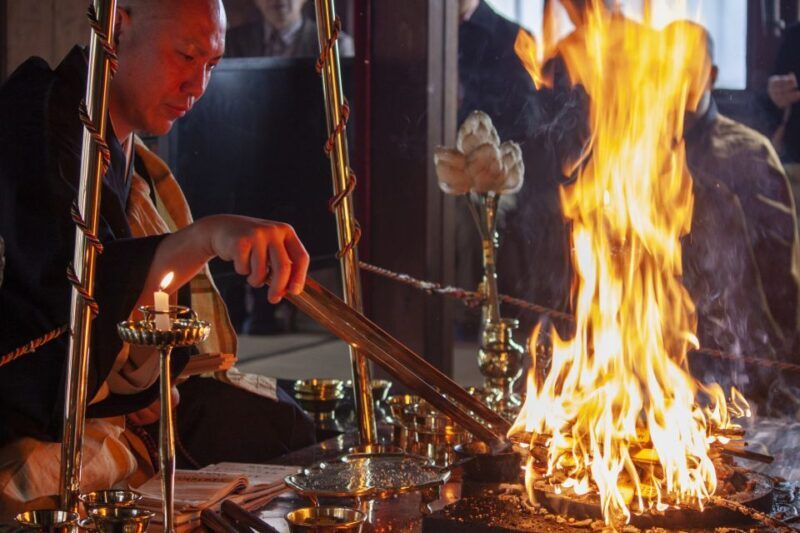
The temple complex is part of the Omuro school of the Shingon sect of Buddhism, which adds a profound layer of spiritual significance. Walking through the grounds, you’ll notice the peaceful ambiance, with many visitors remarking on the serene environment — a perfect spot for reflection, especially outside busy tourist seasons.
What’s Included with Your Ticket?
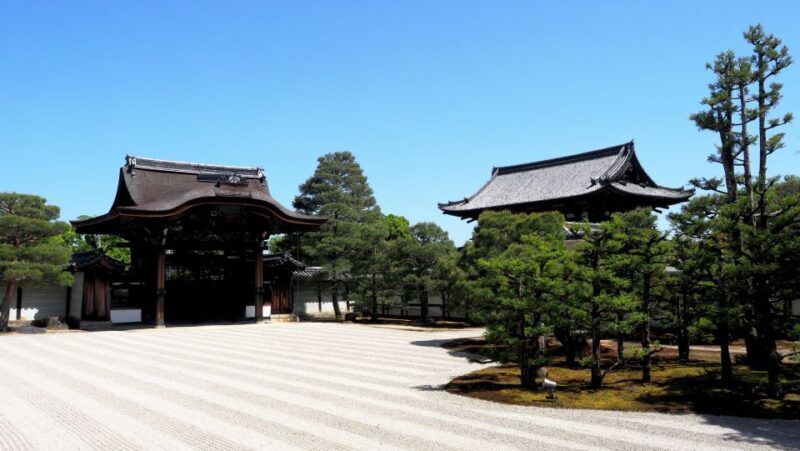
Your ticket provides entry to all areas of the temple complex, including the Goten Palace and its gardens, and if you opt for it, the Reihokan Museum. The museum is home to numerous cultural treasures—from ancient manuscripts to Buddha statues—that illuminate Japan’s spiritual and artistic traditions.
During certain times of the year, you might also purchase access to special flower festivals or exhibitions. Reviewers have appreciated the chance to view meticulously preserved artifacts without large crowds, especially during off-peak periods.
Seasonality and Scenic Highlights
One of Ninnaji’s biggest perks is its year-round beauty. In spring, you’ll see the Omuro sakura cherry trees, which bloom later than many other cherry varieties, often in late April or early May. Many reviewers, like Anan, describe the experience as “a remarkable journey through Japan’s spiritual and cultural heritage,” made even more enchanting by the vivid red maple leaves in autumn or the snowy scenes in winter.
Summer is lively with Buddhist ceremonies, and the gardens are lush and vibrant. During winter, the quiet beauty of a snow-dusted garden offers a peaceful retreat, with views of the Goten Palace coated in white.
More Great Tours NearbyNavigating the Grounds
Your visit begins at the Chumon inner gate, where during cherry blossom season, an additional fee might be charged for viewing the blossoms. The admission fee helps maintain and preserve the Omuro Sakura trees, which are a standout feature. If physical accessibility is a concern, note that holders of a disability certificate can enter for free—just ask at the ticket counter.
The grounds are spread out but well-signposted, making it easy to explore at your own pace. Expect wooden pathways, traditional structures, and meticulously maintained gardens—that’s where you’ll spend most of your time soaking in the calm and natural beauty.
Practicalities: Hours, Costs, and Tips
The temple opens from 9 AM to 5 PM from March to November, and until 4:30 PM during winter months, giving you ample time to visit. Remember, ticket booths close 30 minutes before the site, so plan accordingly.
At just $9 per person, this ticket delivers excellent value. The price includes access to Goten Palace and the gardens; add a few extra dollars if you want to explore the museum or special exhibitions. For those wanting flexibility, booking in advance and paying later allows you to adapt your plans; and cancellations are accepted up to 24 hours in advance.
What Do Visitors Say?
Reviewers consistently praise Ninnaji for its peaceful atmosphere and stunning views. Robert highlights the “beautiful garden and temple grounds and the buildings,” while Natia mentions it as “a calming, pleasant afternoon” after busy sightseeing elsewhere. Anan notes that the exhibition offers a “remarkable journey through Japan’s cultural heritage,” and that the lack of crowds makes for a more personal experience.
Who Will Love Ninnaji?
This tour appeals most to history buffs, garden lovers, and anyone seeking an authentic Japanese temple experience away from the crowds. It’s ideal for travelers who enjoy quiet, scenic environments and want to learn about Buddhist architecture and artifacts.
If you’re visiting Kyoto during cherry blossom season or fall, be prepared for some extra fees and larger crowds, but also for some of the most picturesque scenes Japan has to offer. Conversely, off-season visits can be just as rewarding, with fewer visitors and equally stunning scenery.
The Sum Up
Ninnaji Temple offers a peaceful, culturally enriching experience that’s hard to beat for the price. Its impressive architecture, seasonal gardens, and museum collections make it an ideal spot for anyone wanting to combine beauty and history in a tranquil setting. The $9 ticket provides good value, especially if you plan to explore the temple grounds thoroughly and visit the museum.
This experience is particularly well-suited for travelers who value authenticity, serenity, and insight into Japanese religious traditions. It’s perfect for those who prefer less crowded, more contemplative sites over the busier tourist hotspots.
Whether visiting in spring to see the late-blooming sakura, in autumn for fiery foliage, or winter to enjoy snow-laden gardens, Ninnaji offers a beautiful, peaceful retreat that will stay with you long after your trip ends.
Kyoto: Ninnaji Temple Entry Ticket
FAQs
Is the ticket valid for all areas of Ninnaji Temple?
Yes, your ticket grants access to all areas of the temple complex, including the Goten Palace gardens and, if purchased, the Reihokan Museum.
How much does the ticket cost?
The standard entry ticket is $9 per person, offering a very reasonable price for a full day of exploration.
Are there any additional fees during certain seasons?
Yes, during cherry blossom season, an extra fee applies for viewing the blossoms past the Chumon inner gate, with proceeds used for preservation.
Can I visit the museum with this ticket?
You can if you select the museum option at checkout. The museum houses important cultural items and adds depth to your visit.
What are the opening hours?
From March to November, the temple is open from 9 AM to 5 PM. From December to February, closing time is 4:30 PM.
Is there accessibility for visitors with disabilities?
Yes, those with a physical disability certificate are allowed free entry, but ask at the ticket counter for assistance.
How long should I plan for my visit?
Most visitors spend around two hours exploring the grounds, gardens, and museum, but you can stay longer if you’d like to soak in the tranquility.
Is it crowded during peak seasons?
It can be, especially during cherry blossom or autumn foliage seasons. Visiting early in the day helps avoid larger crowds.
Is this experience suitable for children?
Absolutely—it’s a quiet and scenic environment that can be enjoyed by visitors of all ages, especially those interested in history and nature.
Ninnaji Temple provides a genuine glimpse into Kyoto’s spiritual and natural beauty. With its stunning architecture, peaceful gardens, and cultural artifacts, it’s a worthwhile stop for those seeking an authentic, contemplative, and budget-friendly experience.
You can check availability for your dates here: