If you’re curious about Japan’s public bath culture and want a different side of Kyoto beyond temples and tea houses, the Kyoto Sento Tour offers a fascinating and relaxing way to explore the city’s bathhouse scene. This guided experience is designed not just for bathing enthusiasts but for anyone interested in authentic local life, architecture, and history.
For $59 per person, you’ll visit ten distinct sento—ranging from century-old treasures to converted cafes—that reveal the soul of Kyoto’s communal bathing traditions.
What we love about this tour is its insider access—you’re guided through spots loved by residents, some hidden away in quiet neighborhoods. Plus, the mix of historic bathhouses and modernized, café-style spaces provides a well-rounded picture of how Kyoto’s sento culture continues to evolve.
The only potential downside? If you’re expecting to soak in all ten baths in one day, be prepared for a fair amount of walking and a busy schedule; it’s more about exploration than relaxation.
This experience suits travelers who want to go beyond tourist sights, enjoy authentic local customs, and appreciate the architecture and stories behind each bath.
Key Points
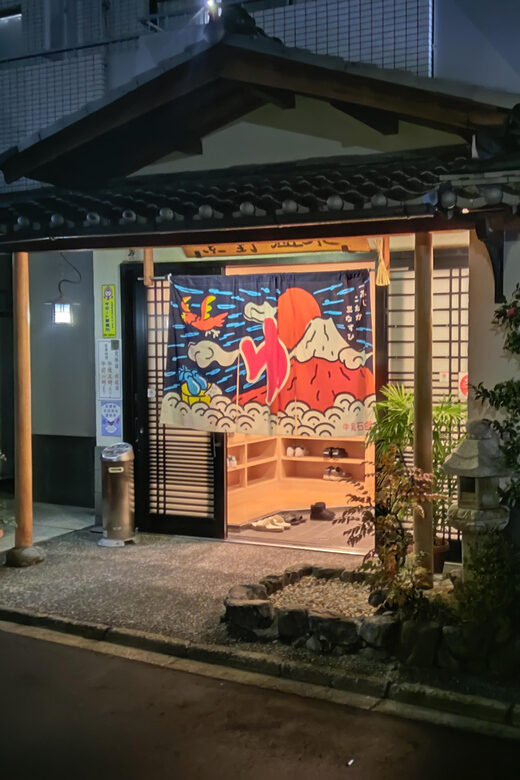
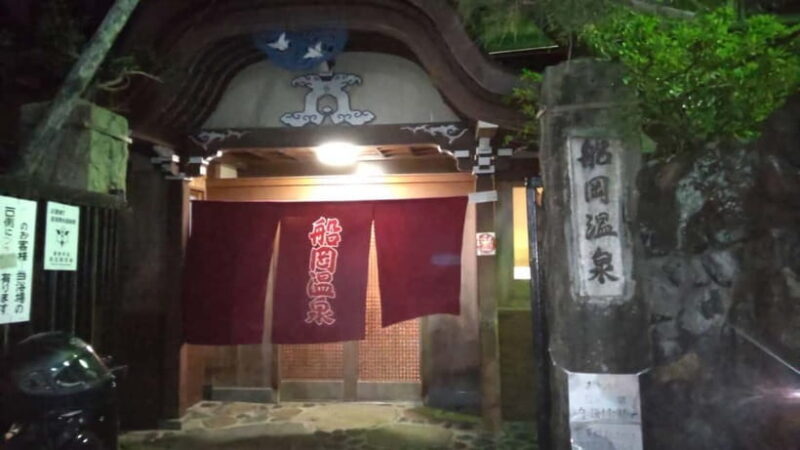
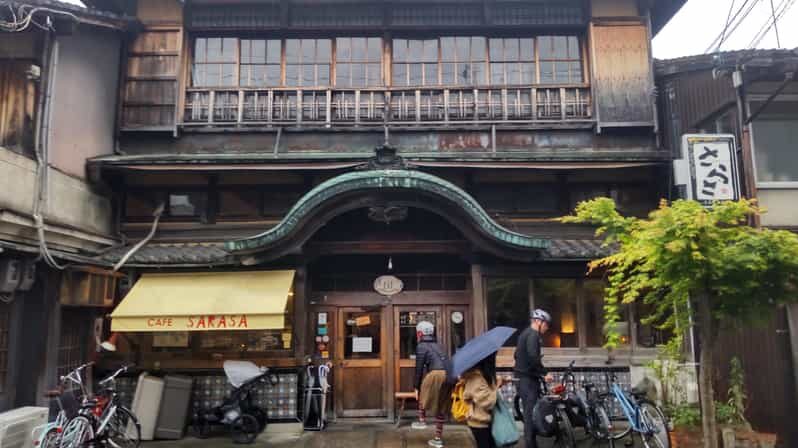
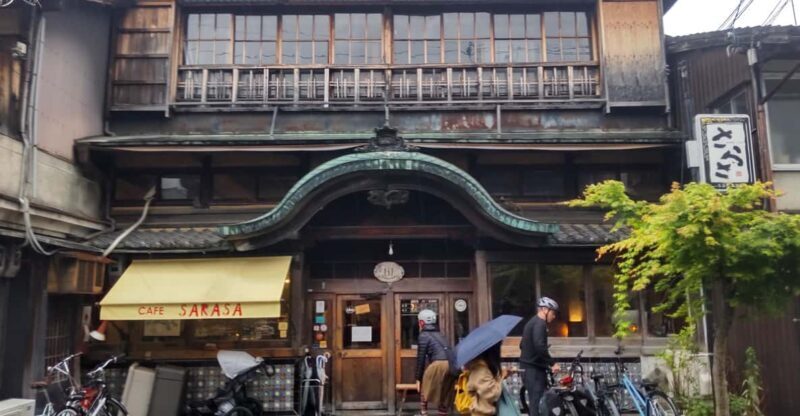
Authentic Local Experience: Visit real sento favored by residents, not just tourist spots.
Historical Significance: See a national treasure bathhouse from the Taisho era.
Diverse Venues: From traditional bathhouses to converted cafes, each spot offers something unique.
Insightful Guides: Knowledgeable guides help you appreciate the history, architecture, and culture.
Practical and Accessible: Designed for primary school ages and above, with clear details about logistics.
Value for Money: At $59, this tour packs cultural insight and authentic experiences in one affordable package.
An Introduction to Kyoto’s Sento Scene
Kyoto, often known for its temples and geisha district, also boasts an unexpectedly vibrant public bath culture. More than 150 sento are scattered across the city, each with its own character, history, and architectural charm. This tour aims to introduce you to seven of these spots in the Kita-ku neighborhood—an area famously competitive for bathhouses—offering a glimpse into both the past and present of Kyoto’s communal bathing traditions.
What makes this experience stand out is its focus on hidden gems loved by locals rather than commercialized spa chains. You’ll get to see a national cultural asset from the Taisho era, which means you’re walking through a piece of history. The guides are knowledgeable, and the tour promises not only relaxation but a deepened appreciation for an integral part of Japanese daily life.
If you’re someone who enjoys exploring authentic neighborhoods, appreciates traditional architecture, or simply wants a unique story to tell at dinner, this tour will hit the spot. Keep in mind, it’s designed for travelers who can handle some walking and are comfortable with a modest, social group setting.
You can also read our reviews of more tours and experiences in Kyoto.
What You Can Expect from the Kyoto Sento Tour
The tour is a well-paced exploration of seven sento and sento-related sites in the Kita-ku area. Each spot offers its own flavor, from historic baths to modernized spaces that have been reborn as cafes or cultural sites.
Arrival and Orientation: The guide will meet you at a designated start point, providing a brief introduction to Kyoto’s bath culture and what to look out for during the tour. Expect to walk from one site to another, with comfortable shoes recommended since the tour is outdoors and involves some light urban trekking.
Historic Bathhouse: The tour often includes a visit to a bathhouse designated as a national cultural asset. This particular site has been around since the Taisho era, making it a rare glimpse into early 20th-century architecture and design. Its preservation status means you’re witnessing a piece of Japan’s cultural heritage, beautifully maintained and historically significant. Visitors often comment on the elegant architecture and nostalgic atmosphere.
Local Favorites and Hidden Gems: The majority of the spots are popular among locals, often tucked away in quiet neighborhoods. These are places where residents have been bathing for decades, and the guides help you understand what makes each one special. Some bathhouses have been converted into cafes, blending familiar amenities with a cozy, modern twist—think relaxing atmospheres with a touch of nostalgia.
Unique Sento-Related Spots: Apart from traditional baths, the tour features sent related sites—which might include bathhouse museums or buildings with architectural significance. For example, some places have distinctive tiled exteriors or interiors that showcase early 20th-century design influences, giving you insight into the craftsmanship and aesthetic sensibilities of the period.
Practical Details: The tour lasts about 2 to 3 hours and includes a manageable walk of about 1-2 kilometers, making it suitable for most travelers with good mobility. As the tour is held rain or shine, it’s wise to dress accordingly and wear comfortable walking shoes.
What’s Not Included: The cost of bathing itself is not included, so if you wish to take a dip at any of these spots, you’ll need to pay the entry fee on-site. The tour does not include alcohol or drugs, and audio recording is not permitted, maintaining a respectful and peaceful environment.
Why This Tour Offers Great Value
For $59, you get a thoughtfully curated experience that combines history, culture, and local insight. The value lies not only in the variety of sites visited but in the depth of understanding you gain about Kyoto’s communal bathing traditions. Compared to typical sightseeing tours, this one offers a more tangible connection to everyday life in Japan.
Many travelers have noted how the guides’ knowledge enhances the experience. They provide context that transforms simple visits into stories—about the architecture, the evolution of sento, or the social importance of communal baths. As one reviewer said, “The guides are very knowledgeable, making the whole experience more meaningful.”
The tour’s flexibility is also a plus—if you’re interested in history, architecture, or Japanese culture, you’ll find plenty to enjoy. It’s not just about relaxing in a bath but understanding the significance of these spaces in the fabric of Kyoto life.
A Closer Look at the Stops
Historic Taisho-era Bathhouse: Visiting a building from the early 20th century offers a window into a bygone era. The architecture is often characterized by ornate tiled facades, decorative windows, and craftsmanship that modern buildings rarely showcase. As one reviewer noted, “You can tell this place has been cherished, and it’s incredible to think of the stories it holds.”
Local Favorites: These are often hole-in-the-wall public baths that have remained unchanged for decades. Many have simple interiors—tile-lined walls, wooden changing areas—that feel authentic and unpretentious. They’re places where local residents have been gathering for generations, and the guides will help you understand their importance.
Converted Cafés and Modern Sentos: Some bathhouses have been transformed into cozy cafes or cultural spaces, maintaining the original structures but offering a contemporary spin. This reflects the ongoing adaptation of sento culture, keeping it alive amid modern urban life.
Hidden Architectural Gems: The tour highlights buildings with distinctive architectural features, such as intricate tilework, historic signage, or unique interior layouts. These elements reveal the craftsmanship behind Kyoto’s bathhouses and often inspire admiration for their design.
Sent Related Cultural Spots: You might visit a museum or a historically significant structure related to sento, which helps deepen your understanding of this element of Japanese culture.
More Great Tours NearbyPractical Tips for Visitors
- Wear comfortable walking shoes as the tour involves outdoor walking and short distances between sites.
- Bring cash if you wish to enter any bathhouse to soak—entry fees are not included.
- Dress appropriately; modest clothing is recommended, especially if you plan to actually bathe.
- Check the weather forecast; the tour proceeds rain or shine, so bring an umbrella if needed.
- Public transportation is the best way to arrive, as parking is not available.
- Age considerations: The tour is suitable for primary school students and older, but children under 10 should be accompanied by an adult.
The Sum Up
The Kyoto Sento Tour offers a rare chance to peek behind the scenes of Japan’s bathhouse culture, blending history, craftsmanship, and local life. It’s best suited for curious travelers who enjoy authentic experiences and are eager to understand more about everyday traditions that persist in modern Japan. With knowledgeable guides and a carefully curated list of sites, this tour provides genuine insight into Kyoto’s communal spirit.
Whether you’re a history buff, architecture enthusiast, or simply looking for a different way to experience the city, this tour delivers a memorable and enriching outing. It’s a wonderful way to slow down, learn, and connect with local Kyoto life beyond the temples and tea houses.
Kyoto Sento Tour: Discover 10 Unique Baths
FAQ
Is this tour suitable for children?
Yes, the tour is intended for primary school students and above. Children under 10 should be accompanied by a parent or guardian.
Do I need to pay extra for bathing at the sento?
Yes, the fee for a public bath is not included in the tour price. If you want to soak, you’ll need to pay the bathhouse directly.
What should I wear on the tour?
Wear comfortable walking shoes and modest clothing suitable for visiting bathhouses. Bring an umbrella if rain is forecasted.
Can I take photos during the tour?
No, audio recording is not permitted, and photography policies may vary depending on individual sites. Use discretion and respect the environment.
How long is the tour?
The tour typically lasts 2 to 3 hours, covering seven sites with moderate walking involved.
Is there any flexibility in the itinerary?
The tour is structured around the seven sites in the Kita-ku area, with a focus on historical and cultural insights rather than a flexible itinerary.