Travelers visiting Kyoto often seek authentic cultural experiences that go beyond sightseeing. One such experience is participating in a traditional tea ceremony inside a historic tea room.
While many tours focus on temples and gardens, this particular experience offers a peaceful glimpse into Japan’s revered tea culture, set within a 140-year-old Kyoto townhouse. It’s a chance to slow down, reflect, and appreciate the meticulous artistry of tea preparation.
What makes this tour stand out? First, you’ll enjoy the chance to witness a tea ceremony performed in a genuine, traditional setting—not a staged or commercialized version. Second, the location itself, Tondaya, is a National Cultural Asset, adding a layer of historic significance to your visit.
However, one thing to keep in mind: the experience is conducted in a group, so if you’re hoping for complete solitude, this might not be your ideal choice.
This experience appeals most to those interested in cultural authenticity, nuanced traditions, and a tranquil atmosphere. If you’re eager to learn about Japan’s tea etiquette, appreciate historic architecture, or simply want a calming break from busy sightseeing, this tour offers substantial value.
It’s especially suitable for travelers who enjoy small, intimate experiences and are comfortable removing their shoes before entering traditional spaces.
- Key Points
- A Deep Dive into the Experience
- Setting the Stage: Tondaya’s Historic Charm
- The Ritual: Watching a Classic Tea Ceremony
- The Atmosphere: Peaceful and Reflective
- Practical Details: What’s Included and What to Consider
- Group Dynamics and Timing
- Accessibility and Suitability
- Authenticity and Reviews
- The Sum Up
- FAQs
- More Tour Reviews in Kyoto
Key Points
 1 / 2
1 / 2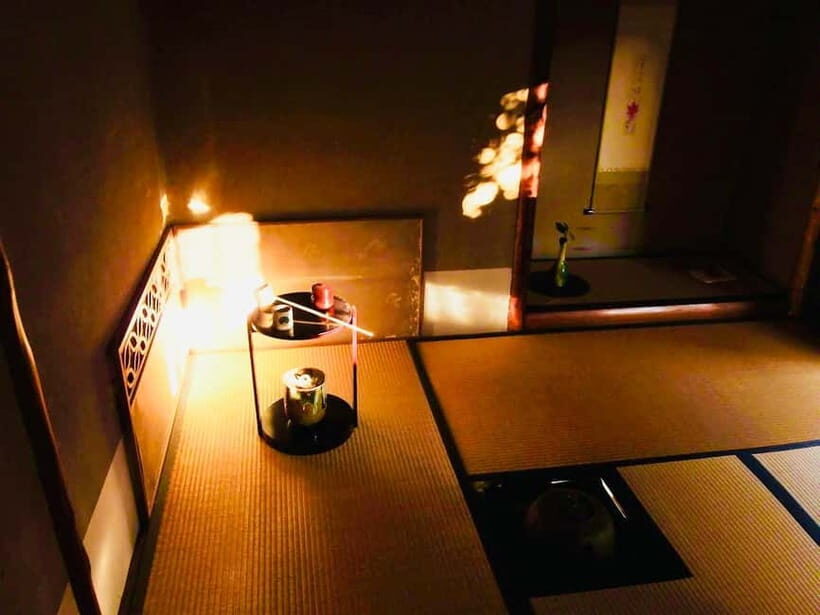 2 / 2
2 / 2- Historic setting: Located inside a Kyoto old townhouse that’s over 140 years old.
- Authentic tea experience: Conducted in a traditional tea room supervised by a 12th-generation tea master.
- Cultural significance: The space follows Bushido-inspired customs like removing swords and bowing, emphasizing peace and equality.
- Included goodies: Enjoy matcha tea and a tea sweet—simple, yet authentic.
- Group setting: You might share the experience with others, adding a communal aspect.
- Preparation tip: Bring socks to adhere to house rules—bare feet are not allowed.
A Deep Dive into the Experience
You can also read our reviews of more tours and experiences in Kyoto.
Setting the Stage: Tondaya’s Historic Charm
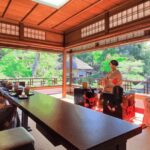
We loved the way the experience is rooted in Kyoto’s tangible history. Tondaya is more than just a tea house; it’s designated as a National Cultural Asset. Walking into this former Kyoto townhouse, you immediately feel transported to another era, where traditional architecture and quiet dignity reign. The building’s low doorways and wooden interiors evoke a sense of humility and respect, reflecting the core philosophy of the tea ceremony itself—peace and equality.
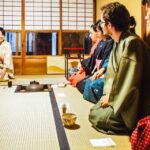
Inside, the small Rakuju tea room is the heart of the experience. It’s supervised by a 12th-generation tea master, which assures visitors that they are witnessing a tradition passed down through centuries. The setting is intimate, with enough space for a small group, fostering a sense of shared reverence.
The Ritual: Watching a Classic Tea Ceremony
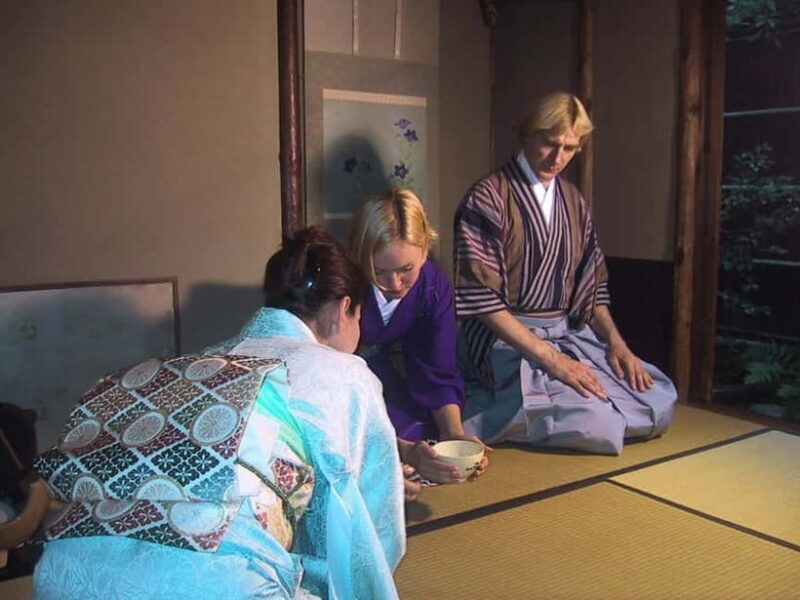
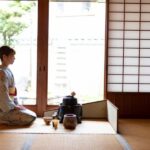
The highlight is, of course, the tea performance. While some might think of a tea ceremony as just drinking tea, it’s more of a performance—a carefully choreographed ritual that embodies aesthetics, etiquette, and mindfulness. The guide or master often explains each step, so you can appreciate the precise movements and symbolism involved.
One reviewer mentions, “Watching the tea master perform with such grace made me realize how much thought and discipline go into this tradition.” You’ll see the preparation of matcha, the vibrant green powdered tea, whisked into hot water with elegant, deliberate motions. The accompanying tea sweet offers a gentle contrast to the bitterness of matcha, balancing the flavors beautifully.
The Atmosphere: Peaceful and Reflective
This tour is all about creating a peaceful space to reflect. The quiet, low-lit tea room creates an intimate, almost meditative environment. It’s a chance to slow down, enjoy the moment, and appreciate the artistry of the tea master. Some reviews highlight how the experience helped them escape the crowds and find a moment of serenity amidst the bustling city.
More Great Tours NearbyPractical Details: What’s Included and What to Consider
The price of $121 per person might seem steep for a short experience, but it’s an all-in package that covers entry fee, matcha, and a tea sweet. No extra charges, which makes it easier to gauge the true value. This fee also supports the preservation of a cultural heritage site, so in essence, you’re paying for a piece of Kyoto’s history.
Keep in mind, you’ll need to bring socks—nothing fancy, just something to keep your feet covered as bare feet are not permitted. Also, the tour is conducted in both Japanese and English, making it accessible for international visitors.


Group Dynamics and Timing
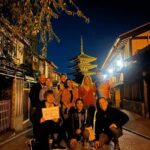
The tour typically takes place in a small group, which enhances the personal feel. However, if you prefer private sessions, you might want to check availability or private options. The experience is flexible enough to fit into most morning or afternoon schedules.
The booking process is very traveler-friendly—reserve now, pay later, and cancel up to 24 hours in advance for a full refund. This flexibility is great, especially if your plans are still unfolding.
Accessibility and Suitability
A word of caution: this experience isn’t suitable for wheelchair users or very young children under 1 year old. The traditional setting and stairs may pose challenges for some. But for those who can participate, it’s a refined, meaningful encounter with Kyoto’s cultural heart.
Authenticity and Reviews
Multiple travelers have praised the authenticity of this experience. One review notes, “The tea ceremony was performed in a real, historic space, not a tourist trap,” emphasizing how genuine the setting felt. Others appreciated the simplicity—no flashy extras, just pure tradition—which, for many, is precisely what makes it special.
The Sum Up
This Kyoto tea ceremony experience offers a rare glimpse into a timeless tradition set within a historic building. It’s a chance to slow down, observe, and perhaps even participate in a ritual that embodies harmony and mindfulness. While it’s not a private affair and costs a moderate fee, the quality of the setting and the professionalism of the tea master make it well worth considering.
Ideal for travelers who appreciate cultural authenticity, historical environments, and peaceful moments, this tour provides a meaningful, immersive experience that goes beyond typical sightseeing. It’s perfect for those eager to understand Japan’s tea culture in a genuine context rather than a commercialized version.
For anyone interested in Kyoto’s heritage and traditional arts, this experience delivers an intimate, memorable encounter—an authentic chapter in Japan’s cultural story that you’ll carry with you long after you leave.
Kyoto: Tea Ceremony in a Tradtional Tea Room
FAQs
Is the tea ceremony conducted in English?
Yes, the experience is offered in both Japanese and English, making it accessible for international visitors.
What should I bring?
You need to bring socks, as bare feet are not allowed in the traditional tea room.
How long does the experience last?
While the exact duration isn’t specified, typical small-group tea ceremonies generally last around 30-45 minutes.
Can I cancel my booking?
Yes, you can cancel up to 24 hours in advance for a full refund, offering flexibility if your plans change.
Is the experience suitable for children?
It’s not recommended for babies under 1 year old or those who might find the traditional setting challenging, especially since it involves stairs and a quiet atmosphere.
What’s included in the price?
The fee covers entry, matcha tea, and a tea sweet—no hidden costs.
This traditional tea experience in Kyoto balances historic authenticity with accessibility, making it ideal for those seeking a genuine cultural moment amidst their exploration of Japan’s ancient capital.
You can check availability for your dates here: