If you’re planning a trip to Kyoto and have a sweet tooth or an interest in Japanese culture, you’ll likely find this Wagashi (Japanese sweets) cooking class near Fushimiinari a highlight. No, it’s not just about the food; it’s an inviting glimpse into everyday Japanese life, wrapped in a warm, welcoming atmosphere.
What makes this experience special? We love the authentic setting—a traditional Japanese house with beautiful garden views—and the chance to learn secret tips from a knowledgeable guide. On the flip side, it’s a small-group experience, which might mean limited availability during busy seasons. Still, it’s perfect for anyone curious about Japanese sweets, or those who simply want a relaxed, culturally immersive activity.
This tour suits food lovers, culture enthusiasts, and travelers seeking a personal, hands-on experience rather than a standard sightseeing tour. With vegetarian and vegan options available, it’s inclusive for many dietary preferences. If you enjoy making things yourself and tasting sweets straight from the source, this class could be your sweet spot in Kyoto.
Key Points
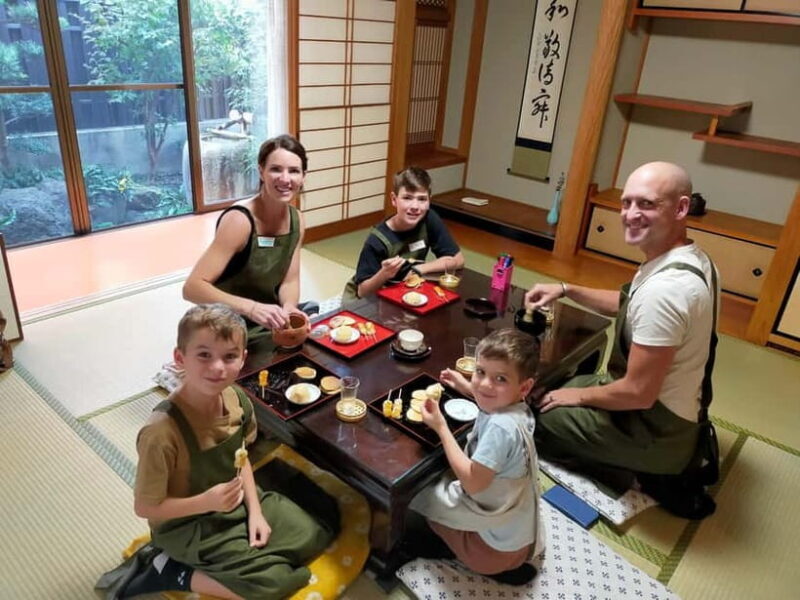
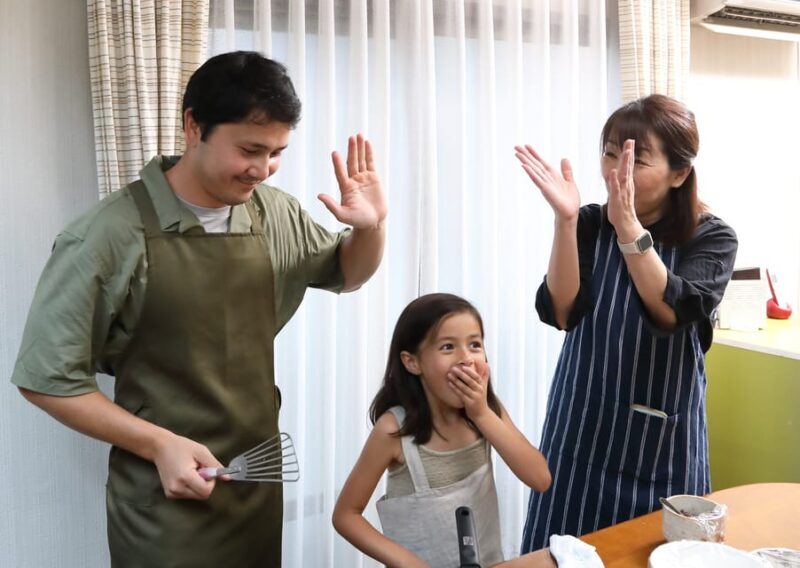
- Authentic Japanese setting: Enjoy a traditional Japanese room with stunning garden views.
- Hands-on learning: Make about 3 types of Wagashi with expert guidance.
- Cultural immersion: Feel like you’re visiting a friend’s home rather than just a class.
- English-speaking instructors: All guides are licensed and fluent in English.
- Vegetarian and vegan friendly: Food restrictions are accommodated with prior notice.
- Value for money: All ingredients, tea, and taxes are included for $84, making it a well-priced cultural experience.
An Introduction to the Wagashi Experience
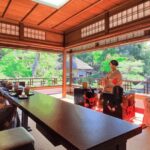
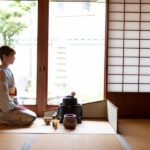
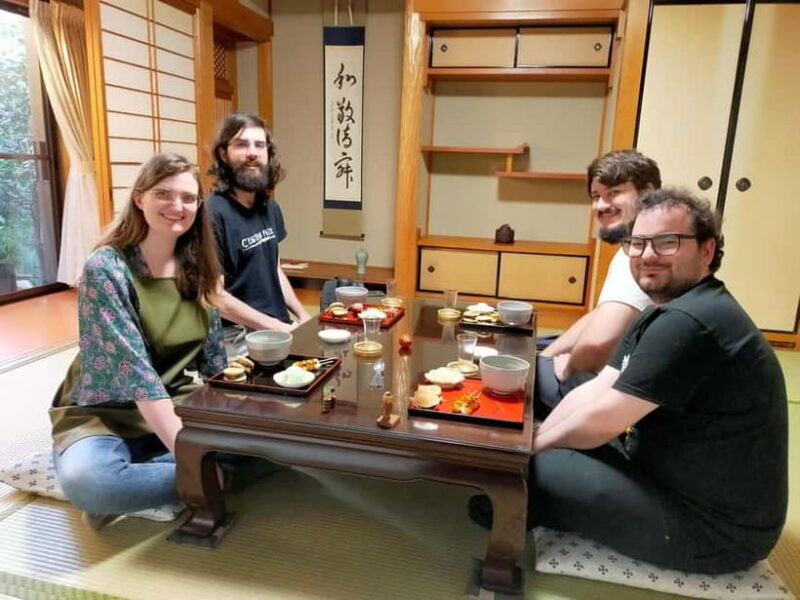
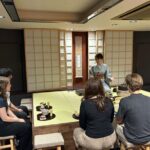
This Kyoto Wagashi cooking class promises more than just a culinary lesson—it offers an authentic peek into Japanese hospitality. From the moment you step into the house, you’ll be greeted by a traditional Japanese-style room, with tatami mats, sliding shoji screens, and a tranquil garden view that instantly transports you away from modern city life. It’s a peaceful, inviting space that sets the perfect tone for what’s to come.
What’s especially appealing is the personalized atmosphere. Many reviews highlight the instructor, Miho, as not only knowledgeable but also warm and engaging. You’ll learn tips and secrets to creating these delicate sweets, which are often seen in Manga and Anime—adding a fun, nostalgic element for fans. And after working hard on your creations, you’ll sit down with fellow participants, sip some matcha, and enjoy your handmade sweets, feeling like a guest in a friend’s home.
A potential consideration is that this experience isn’t suited for children under six, or wheelchair users, due to the traditional Japanese setting. Also, as the menu can change seasonally, your specific sweets may differ. Still, for those with a curiosity about Japanese culinary arts or a desire for an intimate cultural activity, it’s a rewarding choice.
You can also read our reviews of more cooking classes in Kyoto

What You Can Expect From the Class
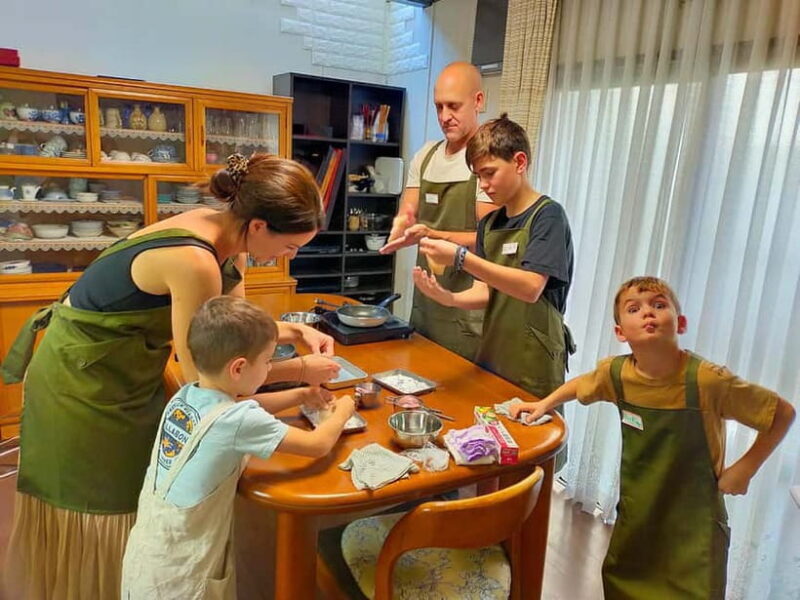
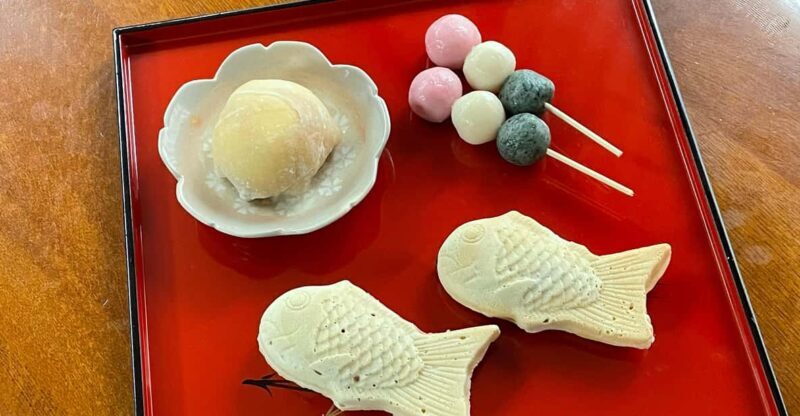
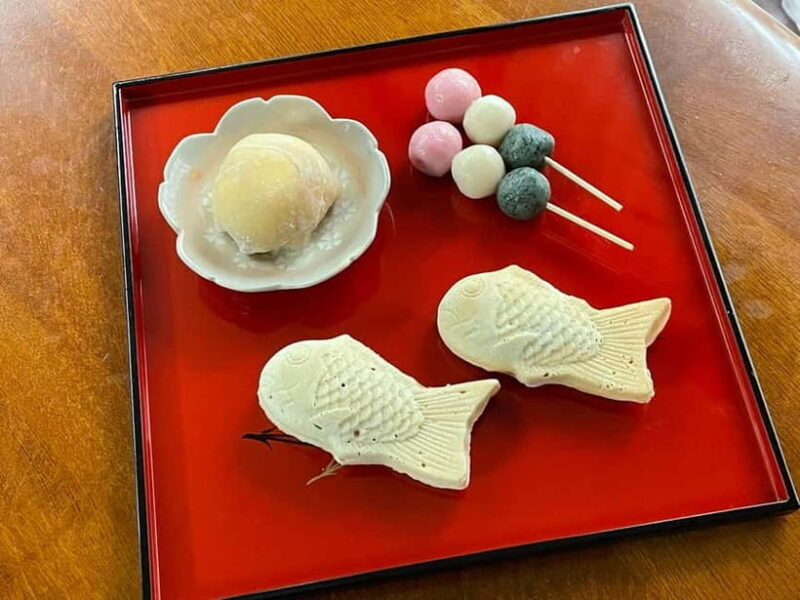
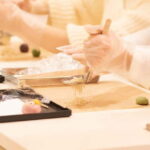
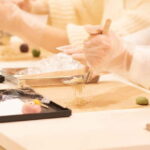
The experience begins in a beautifully maintained traditional Japanese room. Here, you can relax and settle in before the demonstration starts. The instructor, who is a licensed guide interpreter, will first show you how to prepare each type of Wagashi—usually around three different kinds. These might include mochi, dango, or dorayaki, based on the season and availability.
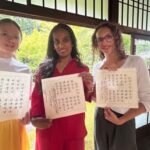
The demonstration is clear and friendly, with plenty of hands-on tips that help you understand the delicate art of Wagashi-making. Many reviews emphasize how well-organized and supportive the instructor is. For instance, Megan notes, “Miho made every moment of our lesson special,” and Claire mentions that she “learned a lot” and was pleased with her sweets at the end.
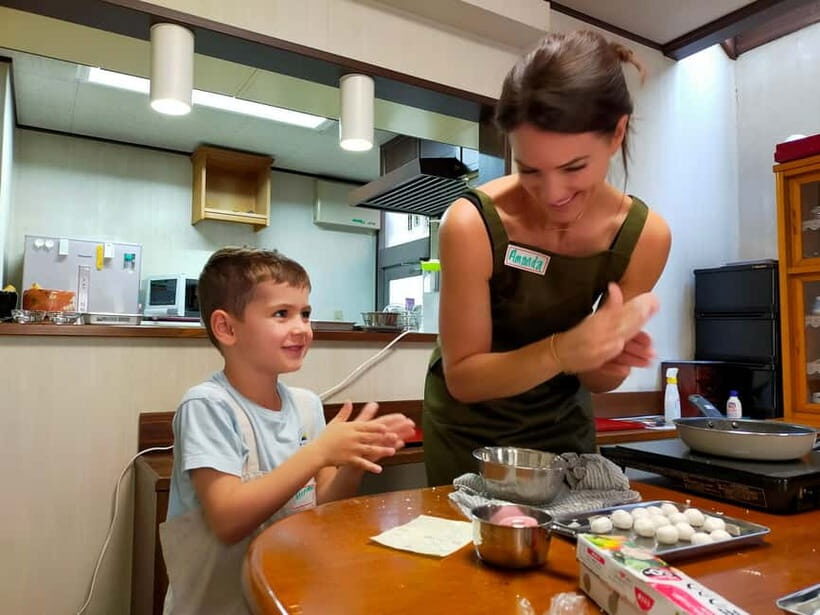
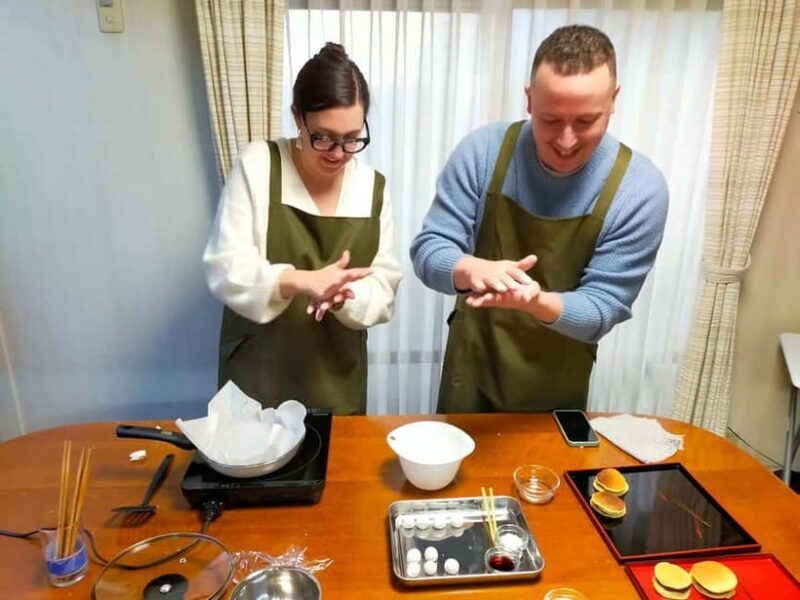
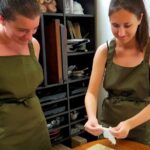
After the demonstration, you’ll get a chance to replicate the sweets yourself, with guidance as needed. The process is described as accessible—even for complete beginners—and the sweets taste excellent, often exceeding expectations. Participants frequently mention how surprisingly easy some of the techniques are, like making mochi, which is “apparently easy,” according to one review.
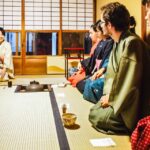
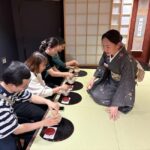
Once your sweets are ready, it’s time to sit down with your fellow learners to savor the fruits of your labor. The experience includes a cup of matcha tea, adding to the overall authentic vibe. Many visitors reported that the garden view and traditional setting elevated the moment—you’re not just eating sweets; you’re experiencing a piece of Japanese daily life.
The Value of the Experience
At $84 per person, the class offers a generous value proposition. It includes all ingredients, seasonings, tea, and taxes, ensuring no hidden costs once booked. Compared to many culinary classes in tourist-heavy areas, this one stands out as a balanced mix of quality, authenticity, and affordability.
The intimate size of the group—sometimes just one person—means you’ll get plenty of individual attention, making this a highly personalized experience. The fact that the class is conducted entirely in English, by licensed guides, ensures clarity and ease of understanding, especially for international visitors.
Participants consistently praise the knowledge and friendliness of the instructor, with reviews highlighting how much they learned and how much fun they had. Ewelina, for example, states she “truly recommends this cooking class” and plans to try the recipes at home, which speaks to the lasting value of what you’ll take away.
The experience also represents excellent value for those interested in arts, culture, and food, as it combines a cultural activity with a delicious, edible result. Plus, the opportunity to enjoy your sweets with tea in a beautiful setting makes it more than just a cooking lesson—it’s a memorable mini-retreat from sightseeing.
The Tour Itinerary
The class typically starts with participants gathering in a traditional Japanese room, immediately immersing you in the atmosphere. The instructor introduces the types of Wagashi you’ll learn, often tailored to the season, which adds an element of freshness and relevance.
Demonstrations are followed by hands-on practice. Participants get to knead mochiko (rice flour) for mochi, shape dango on skewers, or fill dorayaki pancakes with sweet bean paste. The process is straightforward but requires some finesse, which you’ll pick up quickly thanks to the instructor’s guidance.
Throughout the session, you’ll hear helpful tips—like how to get the perfect soft mochi or how to store your sweets for later. The learning process is friendly and relaxed, punctuated with laughter and genuine conversation, making it feel more like visiting a friend’s kitchen than a formal class.
After the sweets are prepared, everyone gathers to enjoy their creations. The tea, often matcha, complements the sweets perfectly, and the garden views provide a calming backdrop. Many reviews note the stunning garden views and the peaceful setting as memorable highlights, making this a picturesque, photo-worthy experience.
More Great Tours NearbyAuthenticity and Cultural Value
The setting of a traditional Japanese house with a view of a garden is a big part of what makes this class special. It’s not a modern kitchen or a generic classroom—this is a glimpse into how Japanese households might enjoy their sweets, especially during tea ceremonies or family gatherings.
Guests often comment on the warm hospitality of the instructor. Lana mentions her surprise at having a private session, which allowed for personalized attention, and Ewelina describes Miho as “super friendly and understanding.” This personal touch elevates the experience beyond just learning a recipe; it’s about feeling welcomed and appreciated.
The opportunity to see, make, and taste Wagashi in this environment offers more than just culinary skills—it provides a tangible connection to Japanese culture, traditions, and daily life.
You can also read our reviews of more tours and experiences in Kyoto

Who This Experience Is Best For
This class is ideal for foodies who want to get hands-on with traditional Japanese sweets. It’s perfect for those who prefer small-group or private experiences over large tours, as many reviews point to personalized attention and a cozy, welcoming atmosphere.
It also suits cultural travelers who enjoy authentic settings, beautiful views, and meaningful interactions with locals. Given the vegetarian and vegan options, it’s accessible for many dietary restrictions, as long as you communicate beforehand.
Those traveling with children aged 6 and above will find it suitable, especially if they enjoy interactive, creative activities. It’s less suited for wheelchair users due to the traditional Japanese rooms, but the focus on personal connection and authentic ambiance makes it a memorable, enriching experience for most.
The Sum Up
This Wagashi cooking class near Fushimiinari in Kyoto offers an excellent blend of culture, culinary skill, and relaxing hospitality. The setting in a traditional Japanese house, combined with the guidance of knowledgeable instructors, makes it more than just a cooking lesson—it’s a genuine peek into Japanese life and customs.
For travelers eager to connect with local traditions in an intimate environment, this experience delivers. The opportunity to make, enjoy, and take home beautiful, delicious sweets—paired with beautiful garden views—means it’s a memorable part of any Kyoto trip. Whether you’re a seasoned foodie or simply looking for a peaceful cultural activity, this class offers value, authenticity, and fun in equal measure.
Kyoto: Wagashi (Japanese sweets) Cooking near Fushimiinari
FAQ
Is this experience suitable for vegetarians?
Yes. Vegetarians are welcome, and vegan options are also available. Just be sure to inform the provider in advance.
How long does the class last?
While the exact duration isn’t specified, it’s designed to be a relaxed, immersive experience, including demonstration, practice, and tasting. Expect it to be a few hours.
Are there any age restrictions?
Children aged 6 and above can participate, but children under 6 are not suitable due to the traditional Japanese setting.
Do I need to know Japanese to join?
No. The class is conducted entirely in English by licensed guides, making it accessible to international travelers.
What’s included in the price?
All ingredients, seasonings, tea, and taxes are included. You will take home the sweets you make.
Can I book last minute?
Yes. You can reserve and pay later, with free cancellation up to 24 hours in advance.
Is the experience accessible for wheelchair users?
Unfortunately, no. The traditional Japanese rooms and layout may not be suitable for wheelchair access.
What should I wear?
Casual, comfortable clothing is perfect. You might get a bit sticky or floury, so wear clothes you don’t mind getting a little messy.
Can I participate if I have dietary restrictions?
Yes, but please inform the provider beforehand so they can accommodate your needs.
Do the sweets taste good?
Many reviewers rave about how delicious the sweets are, often better than expected, thanks to the instructor’s guidance and quality ingredients.