Thinking about trekking in Nepal but worried about the time commitment or difficulty? The 7-day Langtang Valley Trek offers a fantastic way to experience Nepal’s breathtaking mountain scenery and Tibetan culture without the long haul of a longer expedition. It’s designed for those who want quality over quantity—short enough to fit into most travel schedules but packed with memorable sights and authentic experiences.
What we love about this trek is how accessible it is for a variety of skill levels, and how diverse the landscapes and cultures are within such a short trip. The chance to stand at 4,773 meters on Kyanjin Ri and get panoramic views of the Himalayas is a highlight that keeps many trekkers smiling long after they return home.
A second plus is the warm welcome from local Tamang and Tibetan communities, giving this trek a genuine cultural flavor that often surpasses the typical mountain journey.
One thing to consider is the moderate difficulty level—while it’s not a technical climb, you’ll still encounter days with significant ascent and changeable weather. Also, the trek’s price of $1,499 includes many comforts but is an investment, so you’ll want to compare what’s included versus what you might pay separately.
This tour suits travelers who want a rewarding Himalayan experience without the extreme endurance needed for longer treks, making it ideal for those new to trekking or with limited time.
- Key Points
- An Introduction to the Langtang Valley Trek
- The Detailed Itinerary and What to Expect
- Day 1: Kathmandu to Syabrubesi
- Day 2: Syabrubesi to Lama Hotel
- Day 3: Lama Hotel to Langtang Village
- Day 4: Langtang Village to Kyanjin Gompa
- Day 5: Hike to Kyanjin Ri and Trek back to Lama Hotel
- Day 6: Lama Hotel to Syabrubesi
- Day 7: Return to Kathmandu
- What’s Included and What to Budget for Separately
- Additional Details That Matter
- Authentic Experience: What Travelers Say
- Who Is This Trek Perfect For?
- Final Thoughts
- FAQ
- More 7-Day Experiences in Kathmandu
- More Hiking & Trekking Tours in Kathmandu
- More Tour Reviews in Kathmandu
Key Points
- Short but rewarding: Perfect for travelers with limited time who still want mountain vistas and cultural encounters
- Balanced difficulty: Moderate trek suitable for most fitness levels, with some high-altitude walking
- Authentic cultural experience: Tibetan monasteries, villages, prayer flags, and welcoming locals
- Stunning scenery: Panoramic mountain views, alpine meadows, and serene rivers
- Expert guidance: Knowledgeable guides and well-organized logistics
- Good value: Most costs included, including permits, meals, and accommodation
An Introduction to the Langtang Valley Trek
We haven’t done this trek ourselves, but based on detailed descriptions and reviews, it’s clear this trip offers a beautiful slice of Nepal’s Himalayas in just under a week. For many travelers, it hits the sweet spot between adventure and comfort, with well-planned logistics and a chance to see some of the most iconic mountain scenery without the physical strain of a longer expedition.
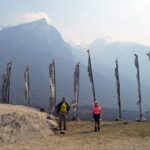
What makes this trek stand out is its combination of breathtaking views and culture. From the moment you leave Kathmandu, a scenic drive takes you to Syabrubesi, your starting point. This drive alone offers a taste of Nepal’s landscape diversity and sets the tone for what’s ahead. The trek itself balances nature and culture—through villages, monasteries, yak pastures, and prayer flags fluttering in the wind.
We particularly appreciate the inclusion of a licensed English-speaking guide and a porter, which helps keep the trek accessible and enjoyable. Many reviews praise the guides’ knowledge and helpful attitude, enhancing the experience with insightful commentary on local life and mountain scenery. Plus, the fact that all expenses such as permits and entrance fees are included adds transparency and value to the package.
You can also read our reviews of more hiking tours in Kathmandu
The Detailed Itinerary and What to Expect
Let’s break down what each day offers, so you know exactly what’s in store.
Day 1: Kathmandu to Syabrubesi
The adventure begins with a 7-8 hour drive from Kathmandu to Syabrubesi. While long, this drive takes you through Nepal’s scenic countryside, gradually gaining altitude. By the time you arrive, you’ll be ready to start your trek and will likely feel excited and a bit tired.
Day 2: Syabrubesi to Lama Hotel
Hiking from Syabrubesi to Lama Hotel covers just 6 km, but the trail’s elevation gain to 2,470 meters makes it a gentle but steady ascent. Expect lush forests and maybe some wildlife sightings. Many travelers find this first trek day a good warm-up, setting the pace for the days ahead.
More Great Tours NearbyDay 3: Lama Hotel to Langtang Village
This is a 10 km trek with an elevation increase to 3,430 meters. The trail passes through bamboo and rhododendron forests, with views gradually opening up to the mountains. Langtang Village, the next stop, offers a glimpse into local life and is a key cultural stop.
You can also read our reviews of more tours and experiences in Kathmandu
Day 4: Langtang Village to Kyanjin Gompa
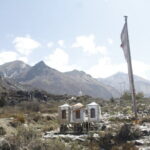
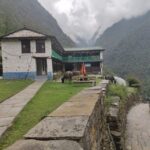
A relatively short 7 km walk, this day takes you to Kyanjin Gompa, an ancient Buddhist monastery at 3,865 meters. The village is a hub for trekkers and offers a chance to explore local monasteries, cheese factories, and enjoy the mountain views. You start to feel the altitude more here, so take it slow and hydrate well.
Day 5: Hike to Kyanjin Ri and Trek back to Lama Hotel
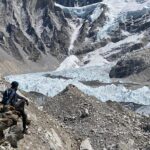
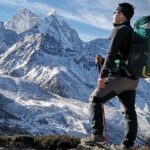
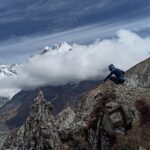
This day is the highlight for many: a hike up to Kyanjin Ri at 4,773 meters. The effort pays off with spectacular 360-degree views of peaks like Langtang Lirung and surrounding glaciers. Afterward, you descend back to Lama Hotel, completing a rewarding loop.
Day 6: Lama Hotel to Syabrubesi
A longer 12 km trek back down to Syabrubesi, giving you time to reflect on the journey and enjoy the lush landscapes. Many find this day a pleasant walk with scenic views of rivers and forests.
Day 7: Return to Kathmandu
The final day is a 6-7 hour drive back to Kathmandu, allowing you to relax and process your experiences. Many travelers say this drive offers a quiet, contemplative end to a busy adventure.
What’s Included and What to Budget for Separately
The tour price of $1,499 per person covers most essentials, making it good value for a guided trek in Nepal. Included are:
- Airport transfers in Kathmandu
- Meals (breakfast, lunch, dinner) during the trek
- Transportation between Kathmandu and Syabrubesi
- Guided services with all expenses covered
- Permits, monastery fees, and entrance costs
- Lodge accommodation throughout the trek
- Rental gear and sleeping bags if needed
- Support such as emergency rescue and first aid
- A farewell dinner and a certificate of achievement
However, some expenses are not included, such as:
- Personal hotel stays in Kathmandu before or after the trek
- Beverages (tea, coffee, soft drinks, alcohol)
- Personal items like snacks, laundry, Wi-Fi, and hot showers
- Travel insurance (which is strongly recommended)
- Personal trekking gear and extra luggage fees at airports
When considering the cost, remember that many of these extras can add up quickly, but the core experience—guided, well-organized, and culturally rich—is covered.
Additional Details That Matter
Timing matters — the best trekking seasons are spring (March-May) and autumn (September-November). During these times, weather is generally stable, skies clear, and mountain views spectacular.
The trek is moderately difficult, involving some altitude and walking on uneven terrain. It’s suitable for most healthy travelers, but those with mobility issues or respiratory problems should assess their fitness carefully.
Language-wise, guides speak English fluently, making communication smooth. The tour is flexible in terms of booking—reserve now, pay later, which helps with planning.
Authentic Experience: What Travelers Say
Reviewers often highlight the knowledgeable guides and the stunning vistas they encountered. One noted, “The guides knew the area well and shared interesting stories about Tibetan culture, making the experience richer.” Others appreciated the warm local hospitality and the chance to see restored Langtang Village, which was heavily affected by the 2015 earthquake but now feels vibrant again.
Many travelers find that the views from Kyanjin Ri are worth every step, describing them as “breathtaking,” with some calling it a “once-in-a-lifetime view.” The trek’s balanced itinerary, allowing for acclimatization and rest, helps make the experience enjoyable rather than overwhelming.
Who Is This Trek Perfect For?
This trek best suits adventurous travelers seeking a short but scenic Himalayan escape. It’s ideal for those with moderate fitness levels, who want an authentic cultural experience with manageable altitude gains. It’s not suited for people with mobility impairments or serious health issues, especially respiratory or heart conditions.
If you’re interested in Nepal’s Tibetan-influenced culture and want panoramic mountain views, this is an excellent choice. It also appeals to photographers and nature lovers who want a snapshot of Himalayan grandeur without a lengthy commitment.
Final Thoughts
The Langtang Valley Trek offers a well-rounded Himalayan experience—stunning scenery, welcoming cultures, and manageable logistics. For a traveler looking to see Nepal’s mountains and meet its people without the intensity of longer treks, this is a winner. It balances price and value, with guides and logistics handled professionally, allowing you to focus on the awe-inspiring landscapes.
Whether it’s your first trek or a quick escape from Kathmandu, this route delivers memorable views and cultural richness in just a week. It’s a chance to get a real taste of Nepal’s natural beauty and warm-hearted communities, all while keeping the journey practical, authentic, and—most importantly—enjoyable.
Langtang Valley Trek – 7 Days
FAQ
What is the price of the trek?
The cost is $1,499 per person, which includes most essentials like guides, permits, meals, and accommodations during the trek.
What’s included in the price?
Included are airport transfers, meals during the trek, transportation between Kathmandu and Syabrubesi, guided services, permits, monastery entrance fees, lodge accommodations, rental gear if needed, and emergency support.
Are there any additional costs I should budget for?
Yes, personal expenses such as beverages, snacks, laundry, Wi-Fi, hot showers, Kathmandu hotel stays, and personal gear are not included.
How difficult is the trek?
It’s rated as moderate difficulty, involving some high-altitude walking and uneven terrain. It’s suitable for most fit travelers, but those with mobility issues or health concerns should consider carefully.
When is the best time to go?
Spring (March-May) and Autumn (September-November) offer the clearest skies and best mountain views. Weather can be unpredictable outside these seasons.
How long are each day’s hikes?
Hiking days vary from 4 to 6 hours, covering distances from 6 km to 12 km, with some days gaining altitude to around 4,773 meters.
Is the guide knowledgeable?
Yes, guides are licensed, experienced, and known for their helpfulness. Many reviews mention how guides enhance the experience with local insights.
What kind of accommodation is provided?
Lodge (teahouse) accommodations are included throughout, offering basic but comfortable rooms, often with shared bathrooms.
Can I rent gear if needed?
Yes, rental gear like sleeping bags and down jackets is available, which is handy if you prefer to travel light.
Is this trek suitable for families or solo travelers?
While mostly suitable for adult travelers with moderate fitness, families with older children and solo trekkers can enjoy it. Group sizes vary, and options for private guides are available.
Embark on this journey to see Nepal’s Himalayas in a manageable, authentic way. It promises stunning views, cultural insights, and a sense of accomplishment—all within a week.
You can check availability for your dates here: