
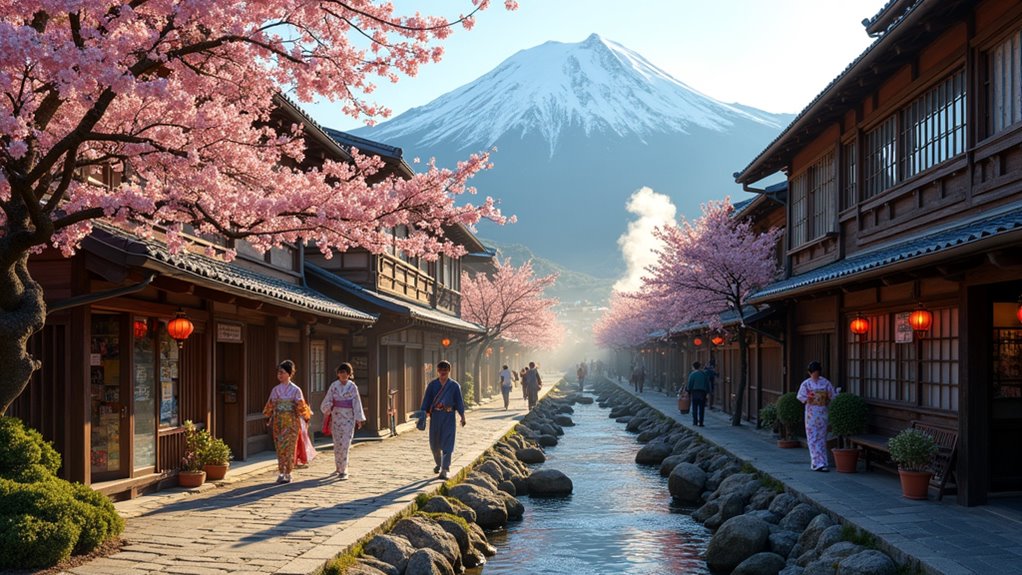
Takayama’s narrow streets and traditional wooden buildings offer travelers an authentic slice of old Japan without the crowds of Kyoto or Tokyo’s price tags. This mountain town in Gifu Prefecture packs centuries of history into a walkable area that won’t drain anyone’s budget. From morning markets serving local specialties to sake breweries that’ve operated for generations, visitors can experience Japan’s cultural heart in just one day—if they know where to start.
- Explore Takayama’s Historic Streets in the Early Morning
- Browse the Miyagawa Morning Market for Local Breakfast
- Tour the Takayama Jinya Government Building
- Walk the Higashiyama Temple District
- Cross the Red Nakabashi Bridge for Photos
- Step Inside the Kusakabe Heritage House
- Take a Day Trip to UNESCO-Listed Shirakawa-go
- Sample Sake at Traditional Breweries
Explore Takayama’s Historic Streets in the Early Morning
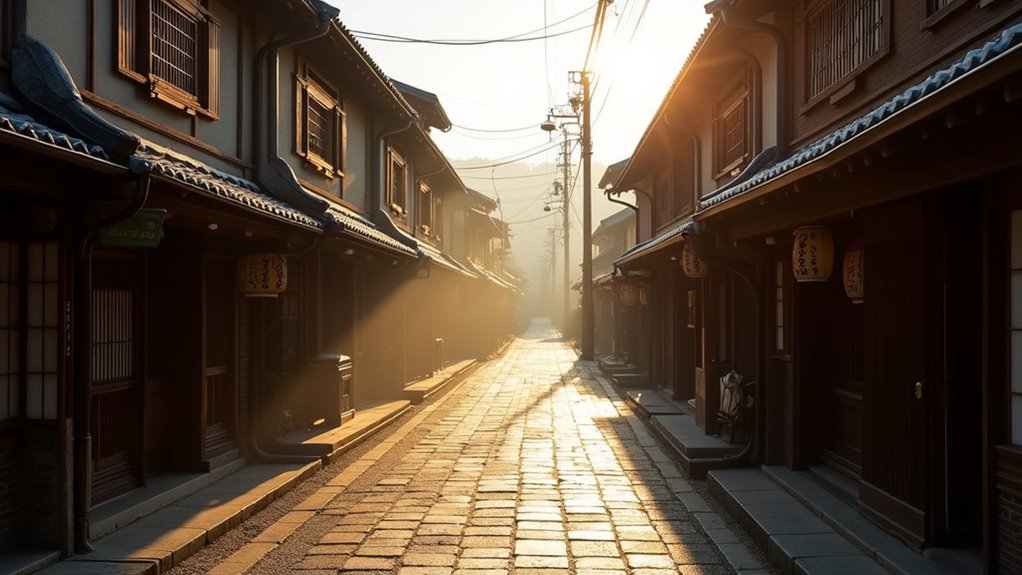
Starting early in Takayama’s Old Town rewards visitors with empty cobblestone streets and perfect lighting for photos. The Sanmachi Suji District’s preserved Edo-period wooden houses come alive in the soft morning light, creating Instagram-worthy shots without tourist crowds.
Visitors can stroll down Ninomachi, Sanmachi, and Ichinomachi streets to admire 17th-century architecture that’s housed businesses for centuries. Many sake breweries open early for tastings, offering an authentic way to start the day. The traditional wooden facades and overhanging eaves create dramatic shadows perfect for photography.
Early morning exploration costs nothing beyond accommodation timing. Most shops won’t open until later, but the peaceful atmosphere and unobstructed views of centuries-old craftsmanship make this free activity invaluable for budget-conscious travelers seeking authentic experiences.
Browse the Miyagawa Morning Market for Local Breakfast
After capturing photos of empty historic streets, visitors can head straight to the Miyagawa Morning Market along the river for an authentic breakfast experience. The market opens early and runs until noon, offering fresh local produce, handmade crafts, and regional specialties at reasonable prices.
Travelers can sample Hida beef skewers, warm taiyaki pastries, and other local breakfast items while mingling with vendors and locals.
The riverside setting creates a vibrant atmosphere that’s distinctly Japanese. For those wanting variety, the smaller Jinya-Mae Morning Market provides additional options nearby.
Both markets offer budget-friendly meals and snacks, making them perfect stops for travelers looking to fuel up before continuing their day of sightseeing. The authentic local flavor can’t be replicated in restaurants.
Tour the Takayama Jinya Government Building
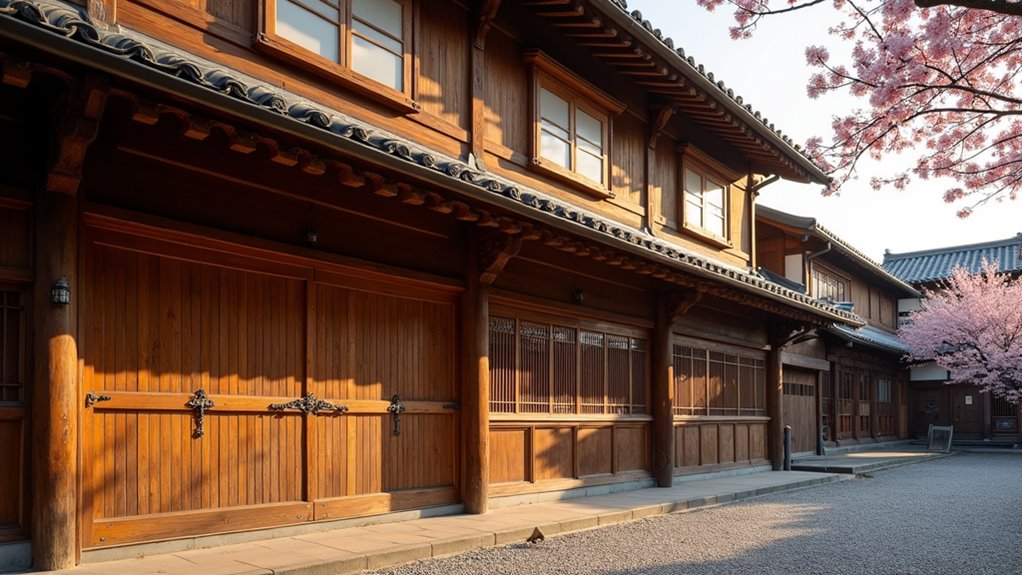
Once visitors finish exploring the morning markets, they can walk just a few minutes to reach Takayama Jinya, one of Japan’s best-preserved Edo-period government buildings. This historic administrative complex served as the local government headquarters during Japan’s feudal era and offers fascinating insights into traditional bureaucracy and daily life.
The building features authentic tatami-floored rooms, traditional wooden architecture, and well-maintained gardens that transport visitors back centuries. Guests can explore the interrogation room, administrative offices, and rice storage areas while learning about regional governance.
The self-guided tour typically takes 30 minutes and costs a modest entrance fee.
The jinya’s strategic location near Old Town makes it an efficient addition to any walking route. Visitors should allocate time to appreciate the architectural details and historical significance of this rare surviving government building.
Walk the Higashiyama Temple District
From Takayama Jinya, visitors can head east toward the Higashiyama Temple District, where a concentrated collection of 10 temples and 2 shrines creates Takayama’s most spiritually significant area. This quiet neighborhood offers a peaceful contrast to the bustling Old Town, with well-maintained Buddhist and Shinto sites lining narrow streets.
The walking course takes less than an hour for time-pressed travelers, making it perfect for a one-day itinerary. Don’t miss Daio-ji Temple, which houses Gifu Prefecture’s oldest bell tower dating to 1689.
The district’s compact layout allows visitors to experience multiple sacred sites without extensive walking.
For those with extra energy, the path connects to Shiroyama Mountain and castle ruins, extending the cultural experience with hiking opportunities and elevated city views.
Cross the Red Nakabashi Bridge for Photos
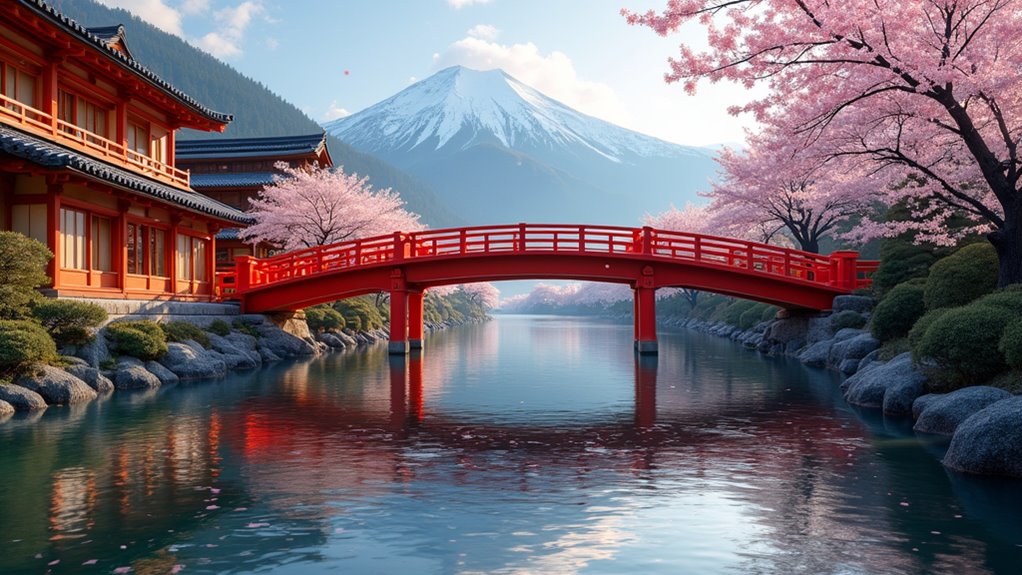
The iconic red Nakabashi Bridge serves as Takayama’s most photographed landmark and the perfect gateway between the temple district and Old Town. This bright red wooden bridge spans the Miyagawa River and offers stunning photo opportunities throughout the year.
Spring brings cherry blossoms that frame the bridge beautifully, while autumn creates dramatic scenes with colorful foliage reflecting in the water below.
The bridge connects seamlessly with other major attractions, making it an essential stop during any walking tour. Visitors can capture shots from multiple angles along the riverbank or from the bridge itself, looking toward the traditional buildings lining the water.
Early morning light provides the best conditions for photography, and the bridge costs nothing to cross or photograph.
Step Inside the Kusakabe Heritage House
Why settle for viewing Takayama’s history from the outside when visitors can step directly into a perfectly preserved merchant’s home? The Kusakabe Heritage House offers an authentic glimpse into Edo-period domestic life without breaking the budget.
This former merchant residence showcases original wooden beams, traditional architecture, and period furnishings that tell the story of Takayama’s wealthy trading families.
Visitors can explore multiple rooms, examining historical artifacts and learning about daily life centuries ago. The house occasionally features cultural exhibits, including local storytelling performances that bring the space to life.
Located within walking distance of the Old Town, it’s easily combined with other attractions. The entrance fee is modest, making it an affordable way to experience living history rather than just observing it from street level.
Take a Day Trip to UNESCO-Listed Shirakawa-go
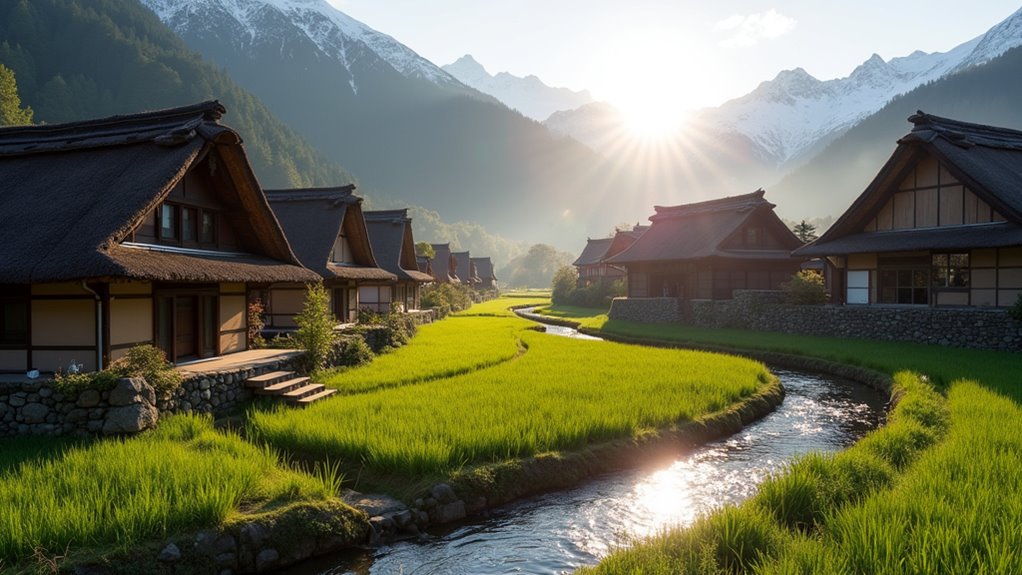
Although Shirakawa-go sits about an hour away from Takayama, this UNESCO World Heritage site delivers one of Japan’s most iconic cultural experiences without requiring an expensive overnight stay. The village’s steep-roofed gassho-zukuri farmhouses create postcard-perfect scenes, especially when snow blankets the thatched roofs during winter months.
Guided day trips from Takayama offer the most budget-friendly transportation option, eliminating rental car costs and navigation hassles. Visitors can explore traditional farmhouses converted into museums, sample local cuisine, and photograph the distinctive architecture that’s adapted specifically for heavy snowfall.
The village’s compact size makes it walkable within a few hours, allowing travelers to return to Takayama by evening. Book tours in advance during peak seasons to secure spots.
Sample Sake at Traditional Breweries
Back in Takayama’s historic center, sake enthusiasts can explore centuries-old breweries that line the preserved Edo-period streets of Sanmachi Suji District. Traditional wooden houses from the 17th century have been converted into tasting rooms where visitors can sample local rice wine without breaking the bank.
The district’s famous breweries offer affordable tastings that showcase regional brewing techniques passed down through generations. Many of these family-run operations have been producing sake for centuries, maintaining authentic methods in their historic facilities.
Visitors can wander between multiple breweries along Ninomachi, Sanmachi, and Ichinomachi streets, comparing different varieties and styles. Early morning or late afternoon visits provide the best experience with fewer crowds and better opportunities to chat with knowledgeable staff about their craft.