- Nepal: Luxury Trips and Restricted Area Permit Info Center — A Practical Guide for Curious Travelers
- Key Points
- An In-Depth Look at the Nepal Luxury Trips and RAP Info Center
- The Appeal of Luxury Travel in Nepal
- The Permits: Navigating Restricted Areas
- The Itinerary and How It Works
- Authentic Insights from Reviews
- Practical Tips for Planning Your Trip
- Who Should Consider This Experience?
- The Sum Up
- FAQ
- More Tour Reviews in Lumbini
Nepal: Luxury Trips and Restricted Area Permit Info Center — A Practical Guide for Curious Travelers
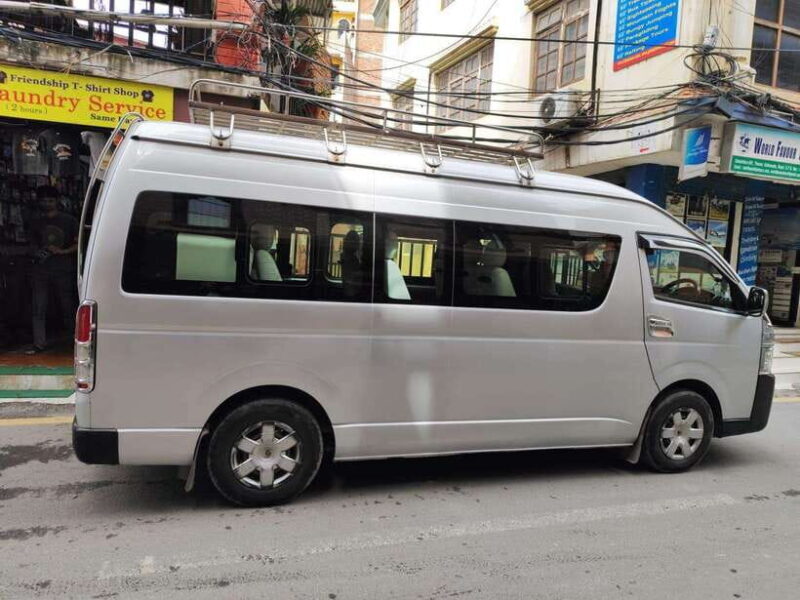
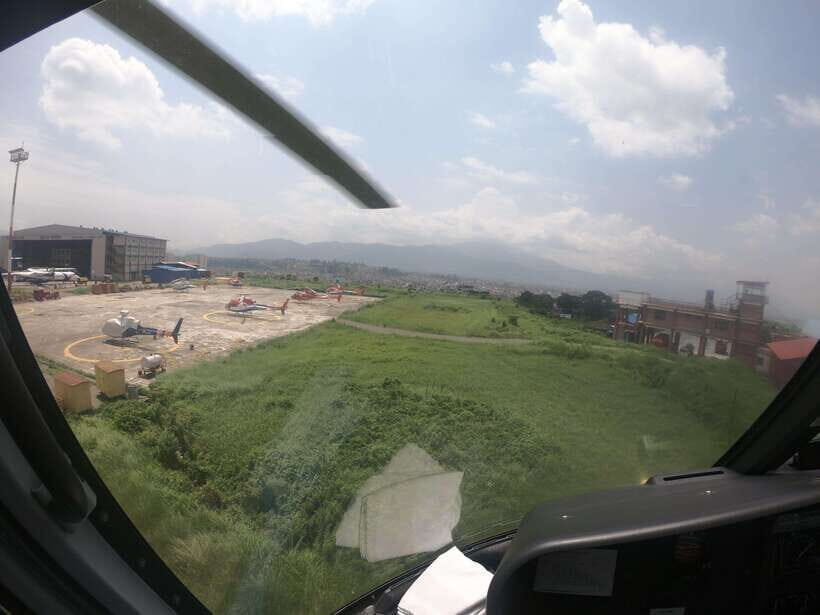
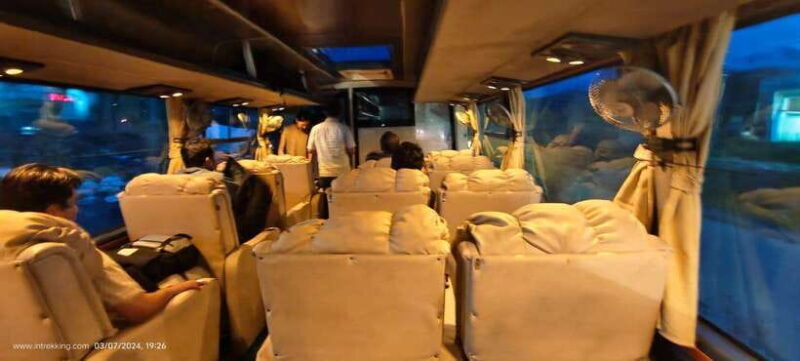
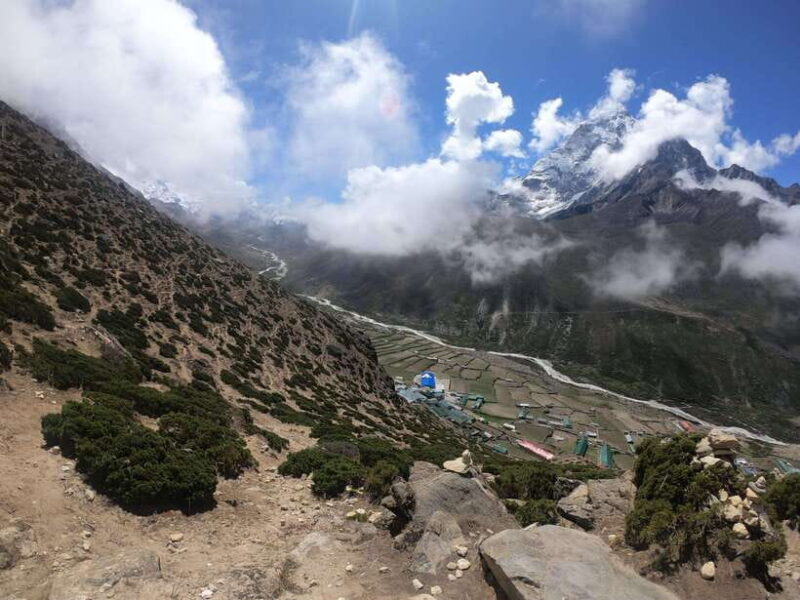
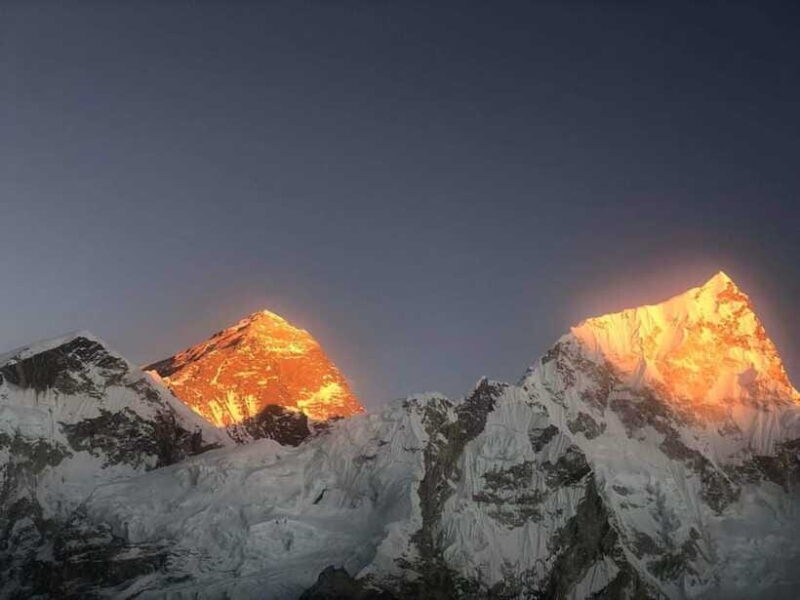
If you’re dreaming of experiencing Nepal beyond the usual backpacker trails, the Nepal: Luxury Trips and Restricted Area Permit Info Center might just be the first step you need. Located in the Western Region’s Pashchimanchal area, this informational hub offers a clear, straightforward overview of high-end Nepalese travel options and the permits necessary for venturing into its more secluded corners. While it doesn’t provide the trips itself, it’s invaluable for understanding what’s possible and how to plan an elegant, well-informed journey.
We love that this center focuses on luxury travel experiences—think high-end lodges, helicopter-assisted trekking, and boutique cultural tours—all tailored for those who want comfort without sacrificing authenticity. Plus, the detailed permit information demystifies the process of visiting Nepal’s restricted zones, which are often off-limits for the casual traveler.
A possible drawback? The center offers just about the essentials—it’s not a travel agency or a booking service—so you’ll need to do some legwork on your own or through authorized agencies. But for those eager to explore Nepal’s remote regions legally and in style, this resource lays the groundwork.
This experience suits travelers who love planning but prefer to start with a solid, practical foundation. Whether you’re a seasoned trekker wanting to add a touch of luxury or a first-time visitor seeking insider tips on permits, you’ll find this info center a helpful starting point.
You can check availability for your dates here:Key Points
- Focus on luxury travel options like premium lodges, heli-trekking, and cultural tours in Nepal
- Clear permit information for restricted regions such as Upper Mustang and Dolpo
- Affordable entry price of just $3.81 per person for a one-hour visit
- Detailed permit costs and processes help plan remote-region visits smoothly
- Ideal for travelers wanting a comprehensive understanding before booking high-end trips
- No direct booking—requires further arrangements with authorized agencies
You can also read our reviews of more tours and experiences in Lumbini.
An In-Depth Look at the Nepal Luxury Trips and RAP Info Center
This center offers a focused, no-nonsense glimpse into what’s possible for those seeking a touch of luxury in Nepal. For nearly all travelers, the key benefit is gaining clear, concise information about high-end travel experiences and permits for restricted regions—a crucial step since certain areas like Upper Mustang or Kanchenjunga require special permissions.
The Appeal of Luxury Travel in Nepal
Nepal isn’t only about rugged trekking; it’s also about experiencing its stunning landscapes and cultural riches in comfort. The center highlights options such as luxury lodges trekking, heli-trekking, and boutique cultural tours that cater to travelers who want top-notch service.
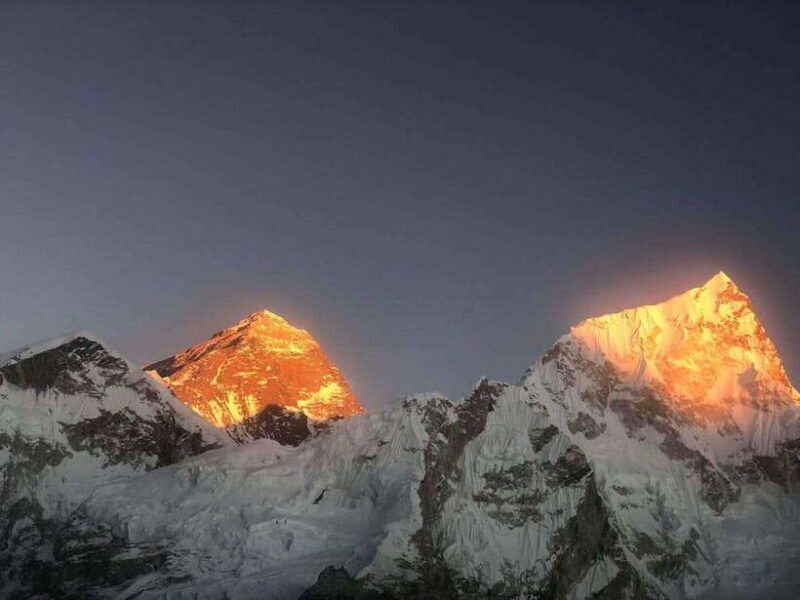
Luxury lodges trekking along trails like Everest Base Camp or the Annapurna Circuit provide modern amenities—heated rooms, gourmet meals, and spa services—making the trekking experience accessible and relaxing. We loved the descriptions of these retreats, imagining cozy evenings after a long day’s walk, with views of the Himalayas from the comfort of a well-appointed lodge.
Heli-trekking stands out as an innovative way to explore remote regions without the exhausting daily trek. Combining helicopter flights with trekking allows travelers to visit places like Mustang or Dolpo in style, saving time while still seeing extraordinary scenery. Some reviews mention how this approach “takes the hassle out of remote travel” but still offers authentic experiences.
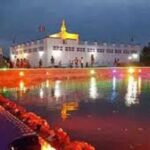
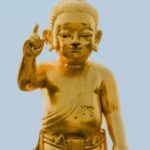
Luxury cultural tours focus on heritage sites such as Kathmandu Valley, Lumbini (the Buddha’s birthplace), and Bhaktapur. Staying in boutique hotels or heritage properties, travelers can indulge in both comfort and culture.
The Permits: Navigating Restricted Areas
One of the most useful parts of this center is its detailed breakdown of Restricted Area Permits (RAP). These permits are necessary for regions that are often for conservation, security, or cultural reasons.
Regions like Upper Mustang, Manaslu Circuit, Dolpo, Humla, and Kanchenjunga require special permissions. The process involves applying through authorized agencies, and most restricted areas demand at least two trekkers. Permit costs vary widely—from around $50 to $500 per person depending on the region and trip duration.
For travelers, understanding these costs and application procedures is invaluable. It prevents surprises and ensures legal entry into sensitive zones. Some reviews note that permits are quite affordable compared to the luxury experiences, making it possible for even more upscale travelers to include these remote areas in their trip.
More Great Tours NearbyThe Itinerary and How It Works
While the center doesn’t offer guided tours, it provides a practical overview—highlighting what to expect when planning these trips:
- Starting point: Info Nepal Tours and Treks, the local operator facilitating permit applications and travel arrangements
- Duration: about 1 hour, with flexible start times—check availability
- Cost: a mere $3.81 per person for this info session, an affordable way to get essential insights
- What’s included: guidance on permit applications, site admissions, and local restaurant lunch (hotel transfers are not included)
The experience is guided by an English-speaking guide, ensuring clarity and ease for international visitors.
Authentic Insights from Reviews
While direct reviews of this specific center are limited, the provided descriptions hint at its utility. Travelers appreciated getting clear, straightforward information that helps them avoid confusion or legal complications when visiting restricted zones.
One reviewer mentioned how the permit details “saved us a lot of headaches,” and another appreciated the professional guidance offered, noting it made planning their luxury trek much more straightforward.
Practical Tips for Planning Your Trip
If you’re considering incorporating these insights into your Nepal adventure, here’s what to keep in mind:
- Timing matters: check availability early, especially if you’re eyeing restricted areas during peak trekking seasons
- Budget appropriately: while permits are affordable, luxury experiences like heli-trekking will add to your costs, but they drastically cut travel time and increase comfort
- Book with authorized agencies: this center helps you understand the process but won’t handle all bookings—use reputable operators for permits and luxury arrangements
- Pack thoughtfully: bring comfortable shoes, sun protection, and a camera to capture those stunning vistas
- Dress for all weather: Nepal’s climate can change quickly, so be prepared for sunshine or rain
Who Should Consider This Experience?
This info center is best suited for travelers who want to understand the practicalities of high-end travel in Nepal. If you’re planning a luxury trekking trip, a cultural tour in style, or a visit to remote regions requiring permits, this resource provides essential, straightforward information.
It’s also useful for those who have a general curiosity about Nepal’s restricted zones and want to ensure they’re fully equipped to visit legally and comfortably. If you appreciate transparent pricing, detailed permit info, and tips on luxury options, you’ll find this center a valuable starting point.
The Sum Up
The Nepal: Luxury Trips and Restricted Area Permit Info Center offers a smart, affordable introduction for anyone planning an upscale adventure in Nepal. It bridges the gap between curiosity and action by clarifying permit procedures, highlighting luxury options, and giving travelers the confidence to explore remote regions legally and comfortably.
For those with a taste for comfort who also want to discover Nepal’s more secluded corners, this resource is a worthwhile investment in your trip planning. Whether you’re a first-timer or a seasoned trekker wanting to add a touch of luxury, understanding the permit landscape and luxury options opens a door to experiences that are both authentic and indulgent.
Remember, planning is part of the adventure. Starting with this info center ensures you’re well-informed—and that your journey into Nepal’s less-traveled regions is as smooth as possible.
Nepal: Luxury Trips and Restricted Area Permit Info Center
FAQ
What is the cost to visit the Nepal Luxury Trips and RAP Info Center?
It’s only $3.81 per person for a one-hour session, making it a very affordable way to gather essential information.
Is this center a booking agency?
No, it provides information about luxury trips and permits but does not handle bookings. You’ll need to contact authorized agencies for reservations.
How long does the tour last?
The visit typically lasts about 1 hour. You should check availability for specific start times.
Is the tour suitable for children?
This experience isn’t suitable for children under 10 years old, mainly because it’s an informational session rather than an activity.
Do I need a permit to visit all regions in Nepal?
No, only certain regions like Upper Mustang, Manaslu, Dolpo, Humla, and Kanchenjunga require a Restricted Area Permit.
What is the price range for restricted area permits?
Permit costs vary from USD 50 to USD 500 depending on the region and how long you plan to stay.
What is included in the fee?
The fee covers guidance from a professional English-speaking guide, admission to sites, and lunch at a local restaurant.
Is the tour available in languages other than English?
No, the tour is offered in English.
Can I cancel the tour?
Yes, you can cancel up to 24 hours in advance for a full refund.
What should I bring on the tour?
Bring comfortable shoes, a hat, camera, sunscreen, and water. Dressing appropriately for weather is recommended.
This guide aims to equip you with honest, practical insights. Planning your Nepal trip with clarity and confidence can make all the difference—and this center is a solid first step.
You can check availability for your dates here: