When looking for an authentic Himalayan adventure that moves away from the crowded popular routes, the Rolwaling Valley Trek offers a compelling alternative. Holyland Adventure Tours’s 12-day journey guides you through some of Nepal’s least trodden paths, with pristine trails, sacred lakes, and Sherpa villages filled with warmth and character.
It’s a trip that promises both spectacular mountain views and the chance to connect with local culture in its most genuine form.
What we particularly appreciate about this trek is how it balances adventure with comfort—hotels in Kathmandu, well-organized logistics, and experienced guides. Also, the chance to visit sacred lakes like Cho Rolpa and experience the backdrop of towering peaks such as Gaurishankar makes it truly special.
The one caveat? The initial long drive from Kathmandu to Chhet Chhet means a hefty travel day, but it’s a small price to pay for the solitude ahead.
This adventure suits those who have a moderate to high fitness level, love nature’s serenity, and are eager to explore Nepal beyond the standard Kathmandu sights or Everest. If you’re craving a mix of scenic beauty, cultural insight, and off-the-beaten-path trekking, this is an experience worth considering.
- Key Points
- Introduction: Setting the Scene
- What to Expect on the Trek
- Day 1: Arrival in Kathmandu
- Day 2: Kathmandu to Chhet Chhet, Trek to Simigaon
- Day 3: Trek to Dongang
- Day 4: Trek to Beding
- Day 5: Hike to Dolma Khang Base Camp
- Day 6: Trek to Naa Gaon
- Day 7: Hike to Dudh Kunda & Cho Rolpa Lake
- Day 8: Return Trek to Dongang
- Day 9: Trek to Simigaon
- Day 10: Chet-Chet and Drive to Kathmandu
- Day 11: Free Day in Kathmandu
- Day 12: Departure
- Detailed Breakdown of the Experience
- Trekking Through Remote, Untouched Trails
- Visiting Sacred Lakes and Monasteries
- Cultural Encounters with Sherpa Villages
- Spectacular Mountain Views
- Wildlife and Nature
- Logistics, Comfort, and Cost
- Who Will Love This Trek?
- The Sum Up: Who Is This Trek Best For?
- FAQ
- More Hiking & Trekking Tours in Kathmandu
- More Tour Reviews in Kathmandu
Key Points
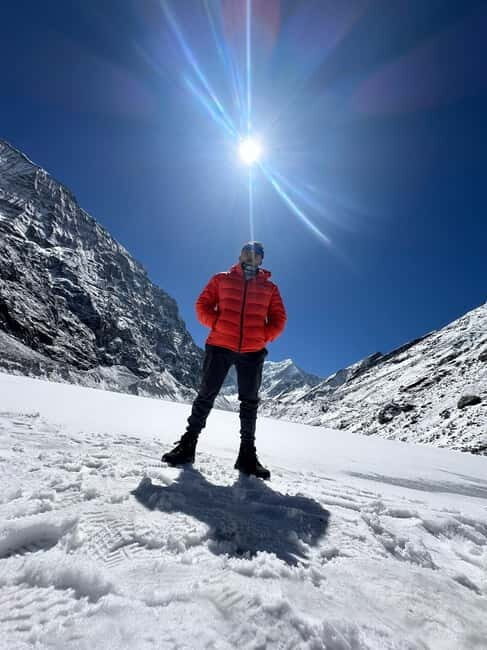
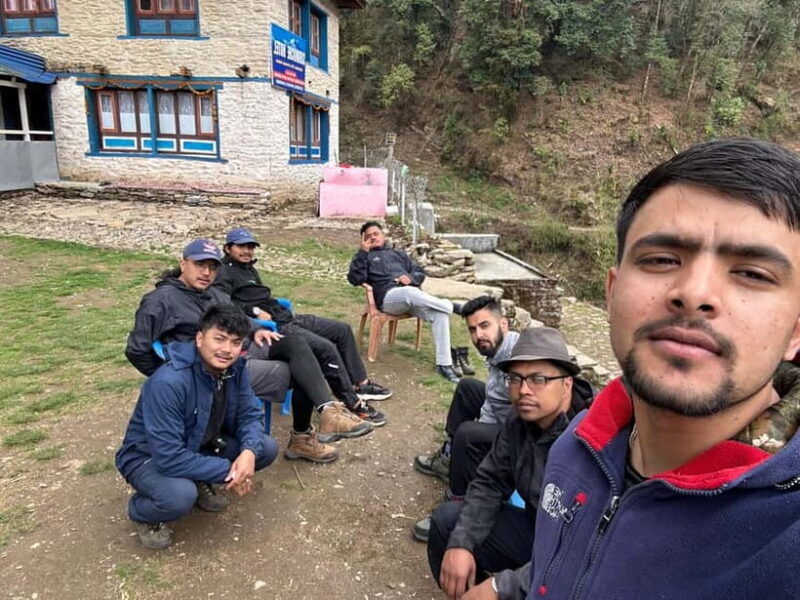
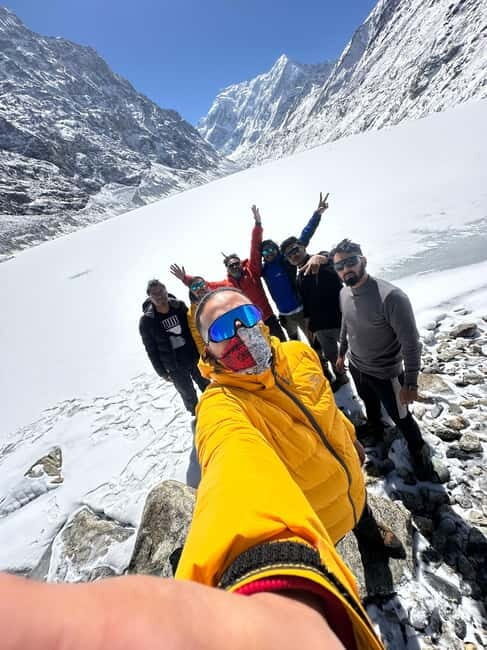
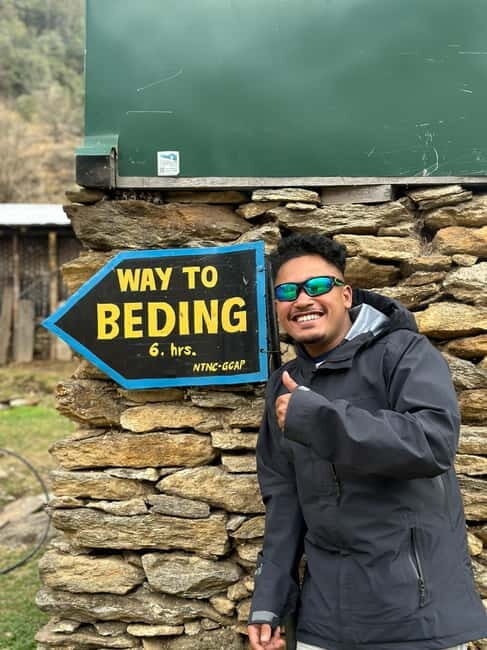
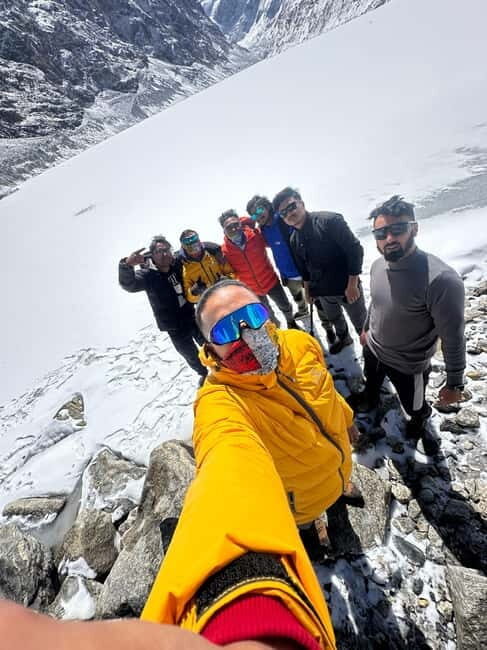
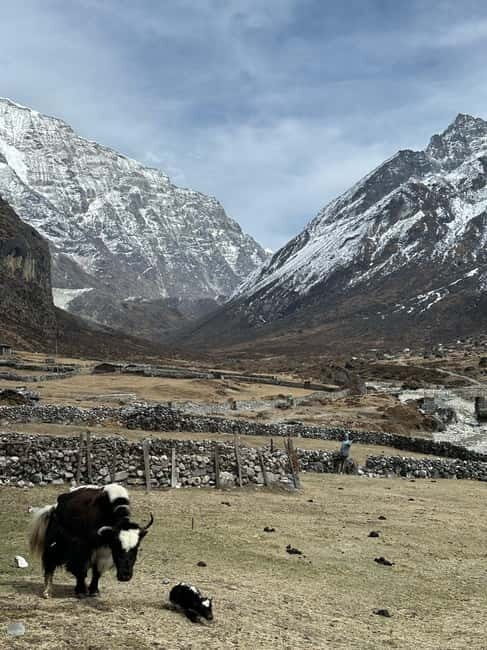
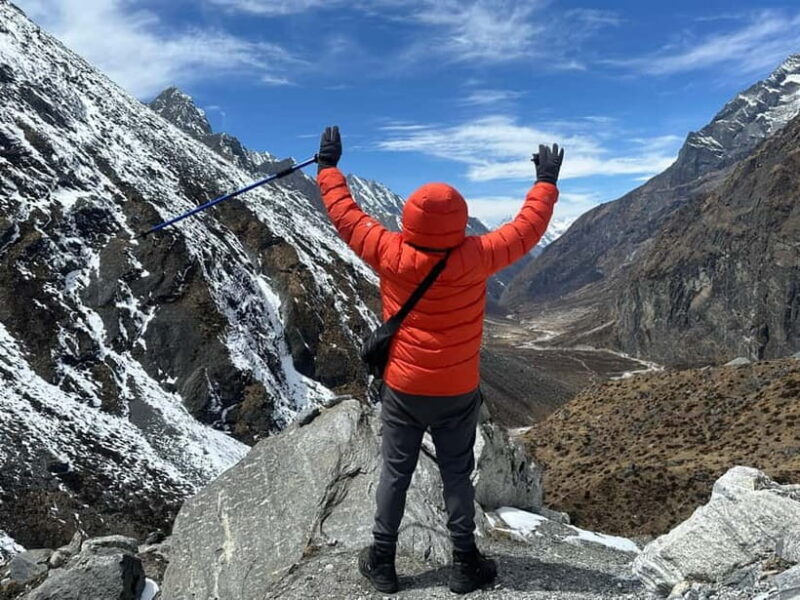
- Untouched Trails: Trek through a remote area away from crowds, offering a sense of solitude and genuine wilderness.
- Cultural Encounters: Visit Sherpa villages and monasteries to understand local traditions and lifestyles.
- Sacred Lakes & Peaks: Witness the beauty of Cho Rolpa, Dudh Kunda, and views of Gaurishankar and Pharchamo.
- Wildlife & Nature: Spot rare Himalayan wildlife and enjoy pristine, unspoiled landscapes.
- Comfort & Convenience: Hotels in Kathmandu and well-organized support make this trek accessible.
- Cost & Value: At $1,807, the price reflects guided support, permits, and accommodations, providing good value for a comprehensive Himalayan adventure.
Introduction: Setting the Scene
If you’re craving an escape into the quieter corners of Nepal’s Himalayas, the Rolwaling Valley Trek could be just the ticket. While many travelers flock to Everest or Annapurna, this route offers a more intimate experience, with fewer fellow trekkers and an abundance of untouched nature. It’s perfect for those who want to combine spectacular mountain panoramas with cultural discovery, all in a setting that feels miles away from tourist hotspots.
Two things we love about this trek are the chance to visit sacred lakes — like Cho Rolpa, surrounded by towering peaks — and the opportunity to connect with Sherpa communities that have preserved their traditions. The landscapes are undeniably stunning, with dramatic vistas and pristine forests, but be prepared for some long travel days from Kathmandu at the start. That’s the only real consideration; otherwise, the journey promises authenticity and quiet grandeur.
It’s best suited for travelers with a decent level of fitness who enjoy walking in varied terrain and are comfortable with higher altitudes. If you’re seeking a trek that combines natural beauty with cultural depth without the crowds, this route offers fantastic value and memorable experiences.
You can also read our reviews of more hiking tours in Kathmandu
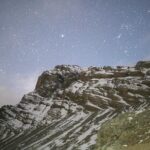
What to Expect on the Trek
Day 1: Arrival in Kathmandu
Your adventure begins with a warm welcome in Kathmandu, where you’ll meet your guide and fellow trekkers. The evening includes a briefing and a traditional Nepali dinner—an excellent way to get into the local spirit before heading into the mountains.
Day 2: Kathmandu to Chhet Chhet, Trek to Simigaon
Prepare for a long travel day of about 10-12 hours by private vehicle. While the drive is lengthy, it’s part of the adventure, passing through scenic landscapes and small villages. Once you arrive in Chhet Chhet, the trek begins with a descent into dense forests and stone staircases that lead to the peaceful Sherpa village of Simigaon. This first trek segment sets a calm, welcoming tone.
More Great Tours NearbyDay 3: Trek to Dongang
Starting from Simigaon, your trail takes you through rhododendron forests and small villages, with an ascent to Surmuche for lunch. As you walk along the Rolwaling Khola river, you’ll experience the quiet beauty of this remote valley. Dongang, where you’ll stay overnight, is a humble village by the river, offering stunning mountain views.
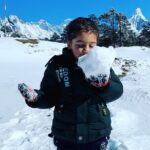
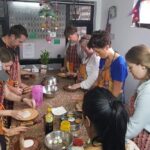
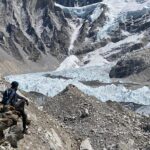
Day 4: Trek to Beding
Today’s trek continues along the river, crossing suspension bridges and passing monasteries—places that hint at the spiritual significance of this valley. Beding is a notable stop, with ties to Everest mountaineers. It’s a simple yet comfortable base for exploring the surrounding peaks.
Day 5: Hike to Dolma Khang Base Camp
A shorter hike takes you to Dolma Khang Base Camp. This gives you a chance to enjoy sweeping mountain vistas and get a closer look at the peaks that surround the valley, like Pharchamo. The base camp also provides excellent photo opportunities and a sense of elevation.
Day 6: Trek to Naa Gaon
Traveling along the Rolwaling Khola, you’ll reach the village of Naa Gaon, where prayer flags flutter and a sacred painted rock bears the image of Guru Rimpoches. This is a perfect moment to connect with local spirituality and observe daily Sherpa life.
Day 7: Hike to Dudh Kunda & Cho Rolpa Lake
A highlight of the trek—visiting the sacred Dudh Kunda (Milk Lake) and Cho Rolpa Glacier Lake. Surrounded by towering peaks, the lakes provide a peaceful retreat with fantastic photo ops. The stillness and beauty of these lakes are unforgettable, often cited as one of the trip’s most stunning parts.
Day 8: Return Trek to Dongang
Heading back along the same river route, you’ll notice the landscape’s quiet grandeur. The downhill trek is easier, allowing you to relax and take in the scenery one last time before reaching Dongang.
Day 9: Trek to Simigaon
Your journey circles back to Simigaon, passing through forests and farmlands, with views of the river along the way. This reflective day lets you appreciate the journey’s diversity.
Day 10: Chet-Chet and Drive to Kathmandu
Descending to Chet-Chet, you’ll cross the Tama Kosi River and hop into your vehicle for the long drive back to Kathmandu, arriving late afternoon. This return journey offers time to review your favorite moments and prepare for the days ahead.
Day 11: Free Day in Kathmandu
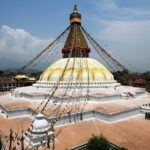
A welcome free day to explore Kathmandu’s UNESCO sites like Pashupatinath Temple, Swayambhunath, and Boudhanath. Or just relax, shop, and enjoy some local food. The farewell dinner with Nepali folk dance caps it all off, a fitting celebration of your adventure.
Day 12: Departure
Your guide will assist with airport transfers to ensure your journey home begins smoothly. It’s the bittersweet end to an enriching Himalayan experience.
Detailed Breakdown of the Experience
Trekking Through Remote, Untouched Trails
One of this trek’s biggest draws is the chance to explore an area largely free from tourist crowds. While popular routes can feel congested, especially around Everest, the Rolwaling Valley remains quiet, letting you enjoy nature in peace. The paths are well-maintained but can be steep and uneven, so a moderate fitness level helps.
Visiting Sacred Lakes and Monasteries
The lakes — Cho Rolpa and Dudh Kunda — aren’t just scenic; they are spiritual sites revered by locals. Their surroundings are dramatic, with towering peaks that make for breathtaking photographs. The monasteries you visit along the way are authentic places of worship, offering a glimpse into Sherpa spirituality.
Cultural Encounters with Sherpa Villages
Interacting with local Sherpa communities is a highlight. These villages are less touristy than those near Everest, so you get a more genuine experience. You’ll see traditional houses, prayer flags, and possibly participate in simple rituals. Guides encourage respectful curiosity, and locals are often eager to share their way of life.
Spectacular Mountain Views
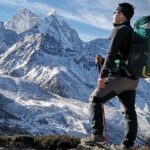
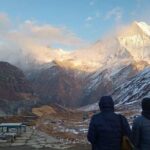
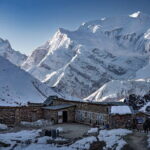
Throughout the trek, every day delivers wow-worthy vistas. Peaks like Gaurishankar and Pharchamo dominate the skyline, often framed by pure blue skies. The early morning and late afternoon often provide the best lighting for photos, and the clarity of Himalayan air makes the scenery even more vivid.
Wildlife and Nature
While you’re unlikely to see large animals, the area is home to rare Himalayan wildlife. Birdwatchers may glimpse species like Himalayan Monals, and the forests are alive with the sounds of nature. The landscapes are largely pristine, with fewer signs of human impact.
Logistics, Comfort, and Cost
The package includes Kathmandu hotel nights, transportation, permits, and guiding support, making the overall experience quite smooth. The price of $1,807 covers these essentials, plus a guides and porters, enabling you to trek comfortably without overloading.
The use of first aid equipment and a support team provides peace of mind—important at higher altitudes. The inclusion of a sleeping bag, down jacket, and trekking T-shirt adds value, especially for travelers who prefer not to carry extra gear.
Who Will Love This Trek?
This adventure suits those with a moderate to high level of fitness, as some days involve steep climbs and long distances. If you’re interested in cultural exchange and sacred sites, you’ll find plenty to explore. Nature lovers will appreciate the unspoiled landscapes and spectacular mountain panoramas.
It’s also a good pick for travelers who want a less crowded, more authentic Himalayan experience. The support and amenities mean it’s accessible without sacrificing the sense of adventure. However, those looking for ultra-luxury or a very relaxed pace may find the trek’s basic accommodations and longer travel days less ideal.
The Sum Up: Who Is This Trek Best For?
The Rolwaling Valley Trek offers a balanced mix of mountain beauty and cultural authenticity, making it especially appealing to travelers seeking a quieter, more contemplative Himalayan journey. It’s perfect for those who have some trekking experience, want to see sacred lakes and peaks, and prefer exploring Nepal beyond the usual tourist routes.
While it involves some long travel days and a degree of physical effort, the reward is a landscape of extraordinary serenity and stunning views. The inclusion of local villages and monasteries enriches the experience, giving you a genuine taste of Sherpa life.
For anyone eager to find a peaceful corner of Nepal, away from the crowds but rich in natural and spiritual beauty, this trek offers a compelling and well-organized option.
Rolwaling Valley Trek: Explore Sacred Lakes 12-Days
FAQ
What is included in the tour price?
The $1,807 covers airport transfers, two nights in Kathmandu hotels, all accommodations, meals during the trek, experienced guides, porters, permits, and necessary gear like a sleeping bag and down jacket.
Are transportation arrangements flexible?
Yes, private vehicles are used from the start and end points of trekking, ensuring comfort during long drives, such as the 10-12 hour journey from Kathmandu to Chhet Chhet.
What kind of accommodation can I expect?
In Kathmandu, you’ll stay in a 3-4 star hotel with breakfast included. During the trek, accommodations are in lodges or teahouses that serve breakfast, lunch, and dinner.
Is this trek suitable for children or those with medical conditions?
Not quite. The trek is recommended for travelers with a moderate to high fitness level. It’s not suitable for children under 10 or people with pre-existing medical issues, back problems, or respiratory conditions.
What should I pack?
Bring comfortable trekking shoes, warm clothes, rain gear, sunglasses, hat, camera, personal medication, reusable water bottle, and essentials like a GPS or map. Also, pack a quick-dry clothing and a garbage bag for eco-conscious travel.
How challenging is the trek?
While not the most difficult route, it does require some stamina and acclimatization at higher altitudes. Expect some steep ascents, uneven paths, and long days, so prior trekking experience is recommended.
Can dietary restrictions be accommodated?
Yes. The menu during the trek is basic but can be adjusted if you give prior notice. Expect Nepali staples—dhal, rice, vegetables, and occasionally meat.
What is the best time to do this trek?
While not specified, most Himalayan treks are best from spring to autumn—March to May and September to November—when the weather is clearer and temperatures more moderate.
In essence, this trek offers a chance to step beyond the tourist crowds and into a Himalayan landscape that’s as spiritually enriching as it is visually stunning. Perfect for those looking for an off-the-beaten-path adventure that stays true to Nepal’s authentic charm.
You can check availability for your dates here: