Exploring Tea Picking and Processing at Qixian Peak Scenic Area: An Authentic Journey into China’s Tea Culture
If you’re seeking a genuine taste of China’s tea traditions combined with beautiful scenery, the Tea Picking and Processing at Qixian Peak Scenic Area offers a captivating experience. Although I haven’t personally done this tour, reviews and descriptions paint a picture of a unique activity that balances natural beauty, hands-on craftsmanship, and culture.
What stands out most is how accessible and enriching this experience appears — especially for those who love to get their hands dirty (in a good way) and learn about local customs. Two aspects we especially appreciate are the chance to pick fresh tea leaves in a stunning setting and to try your hand at traditional tea processing, turning raw shoots into fragrant green tea.
However, it’s worth noting that this activity is primarily aimed at those comfortable with outdoor walking and hands-on tasks. Expect to spend a few hours in the fresh air, and be prepared for a bit of physical activity.
This tour is well-suited for tea enthusiasts, culture seekers, and anyone eager to connect with Chinese traditions beyond the usual sights. It’s perfect for those who appreciate scenic landscapes and authentic experiences rather than mass tourism.
Key Points
 1 / 4
1 / 4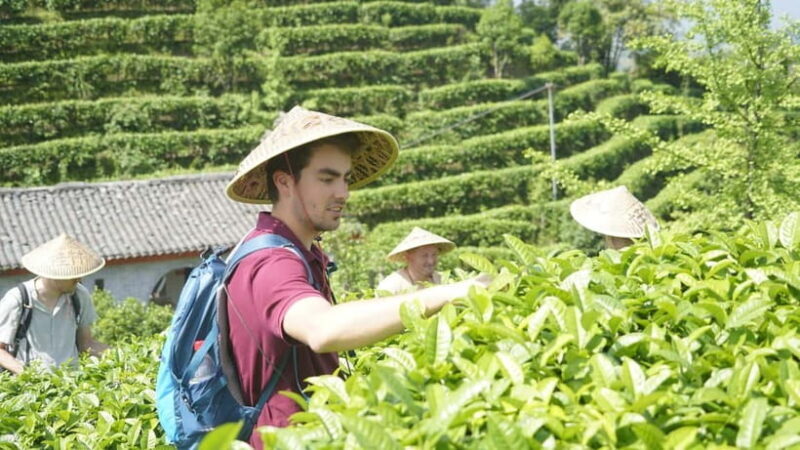 2 / 4
2 / 4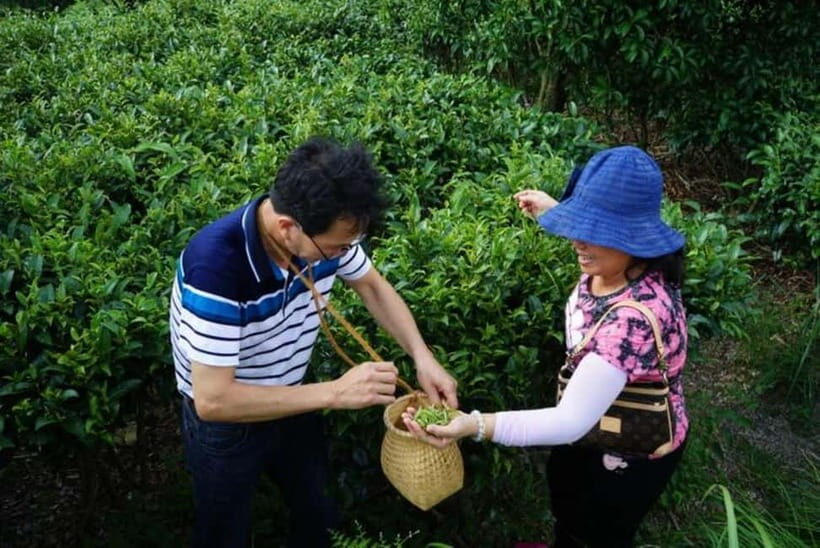 3 / 4
3 / 4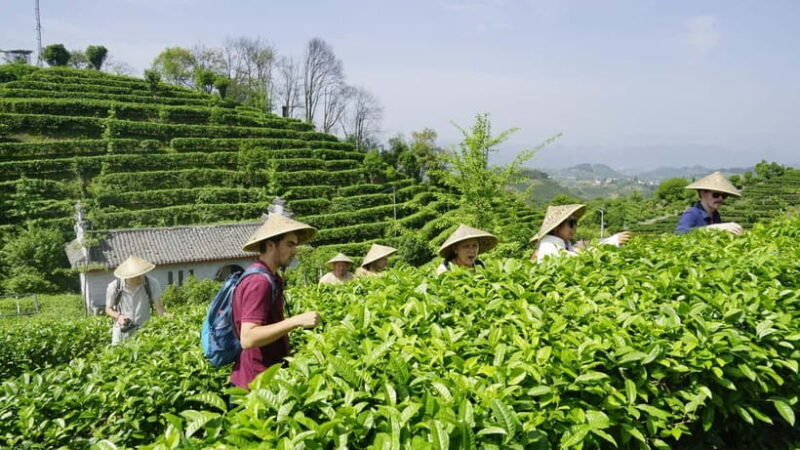 4 / 4
4 / 4- Natural setting: The karst landform and mist create an ideal environment for high-quality tea.
- Hands-on experience: You will actively participate in picking and processing tea leaves.
- Authentic craftsmanship: Traditional techniques like fixation, rolling, and drying are demonstrated and practiced.
- Beautiful scenery: Tea terraces offer not just a learning experience but also stunning views.
- Local culture: The experience includes insights into Chinese tea traditions, including ceremonies and the ancient tea-horse road.
- Cost-effective: At $14 per person, the experience offers good value, including the tea you make yourself.
A Deep Dive into the Experience
Qixian Peak Scenic Area sits in the lush landscape of Yangshuo in Guilin, famous for its towering karst formations and mist-shrouded hills. The area’s altitude of over 600 meters creates a pollution-free, mineral-rich environment that produces some of China’s finest organic green teas. This setting alone makes it a fascinating place to learn about tea cultivation, but what elevates the experience is the opportunity to get involved actively.
You can also read our reviews of more tours and experiences in Yangshuo.


The Setting and Atmosphere
As you arrive at Qixian Peak, the first thing you’ll notice is the sense of serenity. The tea terraces stretch across the hills, carving neat, green lines into the landscape — a captivating view that photographer dreams are made of. The combination of misty mornings and bright sunshine creates a calming backdrop for your activities.
The Tea Picking Walk
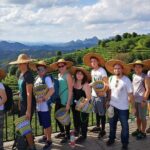
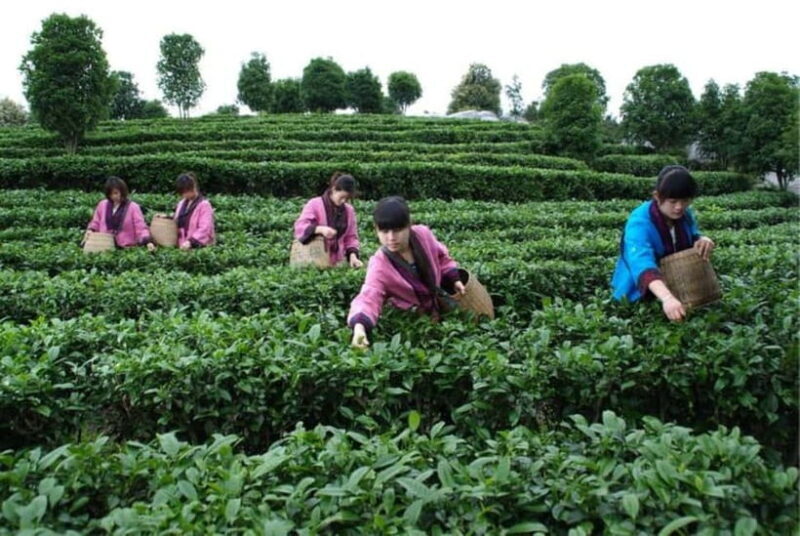
The tour usually takes place in spring (April-May) and autumn, when the tea buds are at their best. The best time is around May, which yields tender, fragrant tea shoots. Visitors don traditional bamboo hats and carry small baskets — a simple yet effective way to connect with local farming traditions.
Guided by local gardeners, you’ll learn to identify the most tender, aromatic shoots. Expect to spend about 30-60 minutes picking tea leaves, which feels surprisingly satisfying. One reviewer, Noéline, called it “absolutely awesome” and appreciated the feeling of being alone in the landscape, “accompanied by a guide who speaks English and explains how to harvest tea.”
Traditional Tea Processing
After harvesting, your adventure continues with the crafting process. The techniques used—fixation (stir-frying to halt oxidation), rolling, and drying—are all traditional methods that preserve the tea’s natural aroma and flavor.
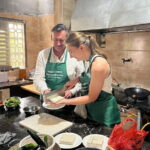
Under the watchful eye of experienced artisans, you’ll try your hand at stir-frying the freshly picked shoots. This hands-on activity is not only educational but also rewarding — you get to witness firsthand how the simple act transforms raw leaves into fragrant green tea. The best part? You can keep the tea you’ve helped make, giving you a tangible souvenir of your work.
More Great Tours NearbyTasting and Culture
The experience culminates in tasting your homemade tea, which is a delightful way to connect more deeply with Chinese tea culture. The teas produced are often of premium organic quality, including varieties like Maojian (hairy tip), Longjing (dragon well), and Biluochun (green snail spring). These teas are praised for their elegant shape, chestnut-like aroma, and mellow, lingering sweetness — rivaling some of the finest green teas in China.
Beyond the practical, cultural activities such as tea ceremony performances and insights into the ancient tea-horse road add depth to the experience. Some visitors note that the opening ceremonies with gong sounds mark the start of the harvest season, adding a ritualistic charm.


Practical Details and Considerations
The entire activity is priced at $14 per person, which includes the scenic area entrance, the picking and processing activities, and the tea you craft. For such an affordable cost, the experience offers excellent value, considering the scenic beauty and cultural richness.
The tour is suitable for most people, but it’s not designed for wheelchair users or those over 95. You’ll want to wear comfortable shoes and bring biodegradable sunscreen and insect repellent. The experience lasts roughly a few hours, making it a fitting half-day activity.
Participants often praise the quiet, uncrowded nature of this tour. One reviewer, Noéline, remarked, “It was the activity that left a lasting impression on me during my trip to China,” highlighting how memorable and genuine this activity can be.
Why This Tour Works
What makes this experience stand out is the combination of stunning scenery, authentic craftsmanship, and culture. It’s not just about learning how to pick tea but about feeling connected to a centuries-old tradition in a peaceful, beautiful setting. The chance to see the landscape from the terraces and to participate actively in the process offers a far richer understanding of Chinese tea culture than simply visiting a factory or tasting a cup.
On top of that, the small group size and the guided nature of the tour mean you can ask questions, take photos, and truly enjoy the moment without feeling rushed or lost in a crowd.
Who Should Consider This Tour?
This activity is ideal for tea lovers, culinary travelers, and anyone interested in Chinese traditions. It’s especially suitable if you want a hands-on, interactive experience that offers both educational value and scenic beauty. If you’re traveling with children or seniors, it’s best to review the physical aspects, as it involves some walking and manual activity.
For those who prefer more structured sightseeing or are looking for a quick photo stop, this might be a bit more involved than they want.
The Sum Up
The Tea Picking and Processing experience at Qixian Peak Scenic Area offers a rare glimpse into the world of Chinese tea in a setting that’s both natural and culturally rich. For just $14, you get a chance to pick fresh tea leaves, try traditional processing, and sip the results, all while soaking in breathtaking views of the karst landscape.
It’s a perfect outing for travelers eager to connect with local traditions, enjoy scenic landscapes, and gain a deeper appreciation for China’s tea culture — far from the crowds and commercial veneer. If you’re looking for an authentic, educational, and beautiful experience, this tour delivers.
Tea Picking and Processing at Qixian Peak Scenic Area
FAQs
What is the best time to do this tour?
Spring (April-May) and autumn are ideal, with May being perfect for harvesting fresh tea. The weather is generally mild and the scenery lush.
How much does the experience cost?
It’s priced at $14 per person, which includes the scenic area ticket, tea-picking activity, tea-making experience, and your own brewed tea.
Is this activity suitable for children or seniors?
It’s best suited for those who are comfortable with walking and manual tasks. It’s not ideal for wheelchair users or those over 95.
What should I bring?
Biodegradable sunscreen and insect repellent are recommended. Wear comfortable shoes and bring a hat if sunny.
Will I get to keep the tea I make?
Yes, you can take home the tea you help produce, making it a memorable souvenir.
How long does the activity last?
Typically a few hours, making it a great half-day activity.
Are instructions and guides available in English?
Yes, guides speak English and Chinese, and they explain each step clearly.
Can I cancel the booking?
Yes, you can cancel up to 24 hours in advance for a full refund, providing flexibility for your travel plans.
In summary, this tour is a treasure for anyone wanting an authentic taste of China’s tea-making traditions amidst stunning scenery. It’s an affordable, engaging activity that offers lasting memories and a deeper understanding of a cultural craft.
You can check availability for your dates here: