Setting out on a trek through Nepal’s Langtang region has become increasingly popular, but this 15-day adventure from Marvel Travels and Tours takes you beyond the typical routes. It combines challenging high-altitude crossings with the chance to summit a non-technical Himalayan peak, all while exploring some of Nepal’s less-traveled landscapes.
If you’re a seasoned trekker craving wild scenery, cultural authenticity, and a taste of real adventure, this trip deserves your attention.
What we love about this tour? First, the way it offers a rare combination of wilderness and high-altitude challenge. The Tilman Pass (5,320m) is a dramatic glacial crossing that most travelers won’t easily find elsewhere. Second, the opportunity to summit Yala Peak (5,500m)—a non-technical climb that still rewards you with sweeping views of the Himalayas.
On the flip side, a possible consideration is the physical demand; this trek is not for the faint of heart and requires good fitness and acclimatization. This adventure suits experienced trekkers who want a remote, high-altitude experience with a touch of mountaineering.
- Key Points
- An In-Depth Look at the Trekking Experience
- Starting from Kathmandu and Heading into the Wilderness
- Ascending to Panch Pokhari
- Crossing the Dramatic Tilman Pass
- Reaching the Scenic Kyanjin Gompa
- Summiting Yala Peak
- The Descent and Return Journey
- Practical Aspects and Value
- What to Expect and Prepare For
- Terrain and Difficulty
- Accommodation and Food
- Transportation and Timing
- Group Size and Guides
- Authentic Experiences and Tips
- Who Is This Tour Best Suited For?
- The Sum Up
- Frequently Asked Questions
- More Hiking & Trekking Tours in Kathmandu
- More Tour Reviews in Kathmandu
Key Points
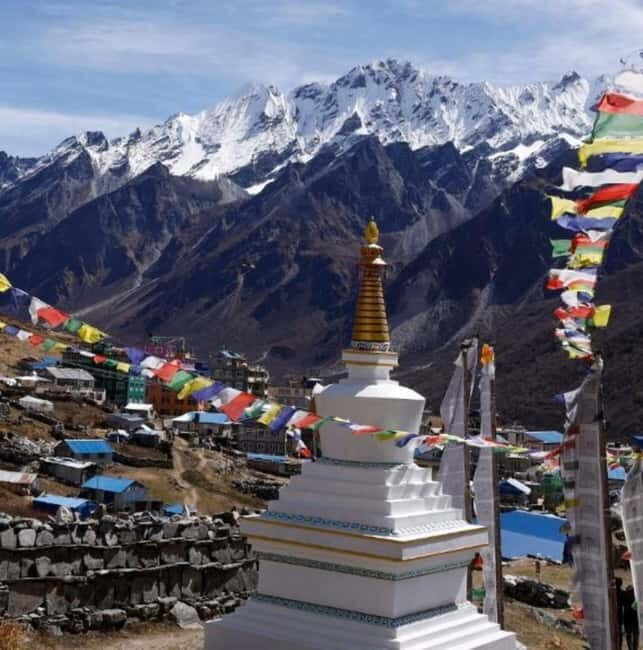
- Remote and Rugged: Travel through untouched Langtang landscapes away from crowded trails.
- High-Altitude Crossing: The Tilman Pass offers an exhilarating glacial crossing at 5,320 meters.
- Summit Yala Peak: A non-technical peak with breathtaking Himalayan vistas.
- Cultural Encounters: Explore Tibetan-influenced villages and sacred lakes.
- Stunning Views: Panoramas of Langtang Lirung, Shishapangma, Dorje Lakpa, and Ganesh Himal.
- Varied Accommodations: From cozy teahouses to camping in high-altitude camps.
An In-Depth Look at the Trekking Experience
You can also read our reviews of more hiking tours in Kathmandu
Starting from Kathmandu and Heading into the Wilderness
The journey kicks off with a drive from Kathmandu to Jalbire, followed by a trek to Thangpaldhap. It might seem like a long way to go before you hit the trail, but it’s an excellent way to ease into the adventure. The initial walk through forests of rhododendron and pine offers a gentle introduction to the landscape, and staying in homestays or camps gives you a taste of local life and the chance to acclimatize gradually.
Ascending to Panch Pokhari
One of the tour’s standout features is reaching Panch Pokhari, a site of religious significance and natural beauty. The short but steep trek to these sacred five lakes is a highlight, offering panoramic Himalayan views and a sense of tranquility. Travelers often mention how special it is to stand among these lakes surrounded by snow-capped peaks—truly a moment of quiet awe.
Crossing the Dramatic Tilman Pass
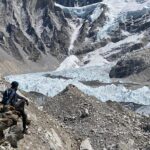
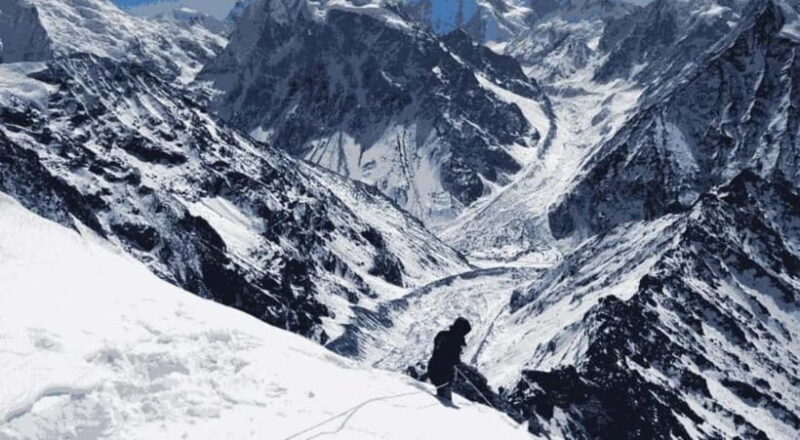
This is the crux of the adventure. The Tilman Pass at 5,320 meters is no walk in the park. It’s a glacial route that demands focus and caution, especially given the high altitude and snow conditions. The pass is named after explorer H.W. Tilman, and rightly so—most adventurers will find this crossing both thrilling and rewarding. The descent on the other side into Langtang Valley is equally picturesque, with towering glaciers and rugged terrain.
More Great Tours NearbyReaching the Scenic Kyanjin Gompa
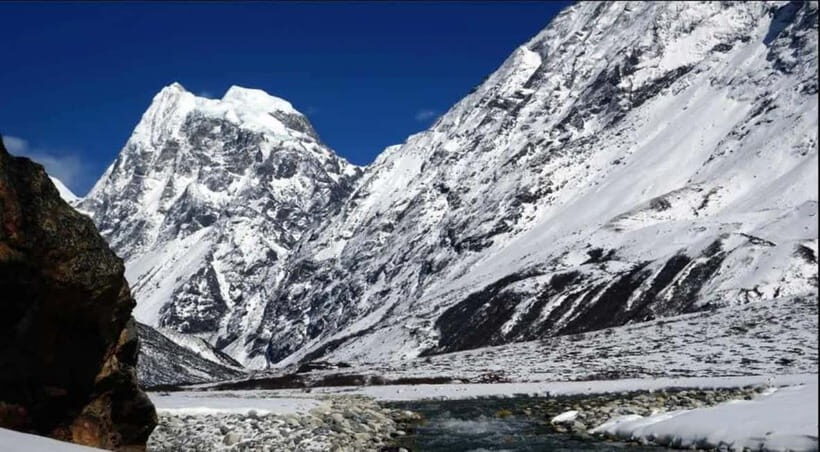
Descending into the Langtang Valley, you’ll find the charming Kyanjin Gompa. This Tibetan-influenced monastery village offers a comforting contrast to the high passes—simple teahouses, welcoming locals, and opportunities for gentle hikes, including optional climbs to Kyanjin Ri at 4,773 meters. Many travelers appreciate this rest day, giving their bodies a breather before the ascent to Yala Peak.
Summiting Yala Peak
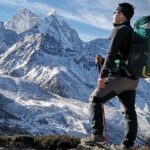
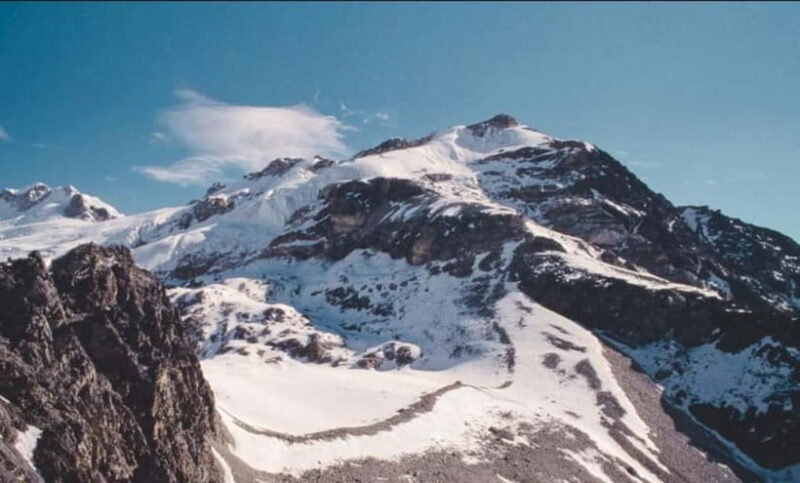
The climb to Yala Peak at 5,500 meters is a true highlight. As a non-technical mountain, it’s accessible for trekkers with a good level of fitness and some acclimatization. The views from the summit are spectacular, with Langtang Lirung, Shishapangma, and other giants of the Himalayas filling the horizon. Returning to Kyanjin Gompa, most find it a satisfying culmination to their mountain ambitions, feeling a real sense of achievement.
The Descent and Return Journey
From Yala Peak, the trek descends through lush forests, passing Langtang Village with its traditional houses and waterfalls. The last days in the valley are more relaxed, allowing you to reflect on your high-altitude adventures. The final trek down to Syabrubesi and the bus ride back to Kathmandu are scenic and give a last glimpse of Nepal’s diverse landscapes.
Practical Aspects and Value
The package costs $585 per person, which covers guided support, permits, some gear—including a duffel bag, sleeping bag, and down jacket—and local transportation. Considering the remote locations, challenging terrain, and included permits, this price offers excellent value for a comprehensive Himalayan adventure. The tour also emphasizes safety, providing oxygen meters, first aid kits, and experienced guides familiar with the area.
Some reviews mention the professionalism of the guides and how they contribute to a safe, well-organized trip. The inclusion of local permits and paperwork simplifies logistics, letting you focus on the experience.
What to Expect and Prepare For
Terrain and Difficulty
This trek is challenging—expect long days, high passes, and variable weather. The crossing of Tilman Pass is especially tough, with snow and glacier sections requiring careful footing. The trek includes altitudes up to 5,320 meters, so good acclimatization and physical fitness are essential. If you’re not used to high-altitude trekking, you might need additional days or pre-trek training.
Accommodation and Food
Most nights are spent in basic teahouses or camps, with simple but hearty meals. You’ll find warm tea, dal bhat, noodles, and sometimes local specialties. The comfortable teahouse stays in Kyanjin Gompa are a highlight, offering a cozy break after the rugged high-altitude days.
Transportation and Timing
The journey involves a drive from Kathmandu to Jalbire, which takes several hours, and local buses are used during the trek. The itinerary is designed to balance trekking days with rest, but be prepared for some long walking hours, especially on the days crossing the pass or descending from Yala Peak.
Group Size and Guides
The tour is led by an experienced licensed guide and often includes a small group, which helps with safety and camaraderie. Guides are well-versed in local customs, terrain, and safety procedures, making your experience both educational and secure.
Authentic Experiences and Tips
Many travelers mention the sense of solitude and untouched beauty they felt on this trek, far from bustling tourist hubs. The sacred lakes and high mountain vistas offer moments of quiet reflection, while local villages provide glimpses of authentic Himalayan life.
A tip from seasoned trekkers? Start acclimatizing early and stay hydrated. The high passes and summit days are physically demanding, but the views and sense of achievement make it worth every step. Also, bring layers—temperatures can swing from warm to freezing quickly.
Who Is This Tour Best Suited For?
This trek is ideal for experienced trekkers who want a challenging route that rewards them with some of Nepal’s most remote scenery. It’s perfect if you’re eager to cross a significant Himalayan pass and summit a non-technical peak with panoramic views. It suits those comfortable with high-altitude trekking and eager for a less touristy adventure. If you’re looking for a balance of wilderness, cultural exposure, and mountaineering, this tour delivers.
However, it’s not recommended for complete beginners or travelers who prefer luxury accommodations. The physical demands and remote locations mean you should be in good shape and prepared for basic conditions.
The Sum Up
The Tilman Pass Trek with Yala Peak is a hard-won journey into some of Nepal’s most untouched landscapes. It offers a rare blend of adventure, cultural exploration, and Himalayan grandeur. From crossing snow-covered glaciers at high altitude to summiting a non-technical peak with mind-blowing views, it’s a trip that will test your limits and enrich your soul.
This trek is best suited for adventurous, experienced trekkers who want to avoid the crowds and experience the true wildness of Nepal. The value for the price is impressive, considering the remote locations, permits, and guiding support included. If you’re craving a genuine Himalayan challenge with unforgettable scenery, this might just be the adventure you’re seeking.
Tilman Pass Trek with Yala Peak Summit Adventure | 15 Days
Frequently Asked Questions
Is this trek suitable for beginners?
No, it’s designed for experienced trekkers due to high altitudes, challenging passes, and rugged terrain.
What’s the main highlight of the trek?
Crossing the Tilman Pass and summiting Yala Peak are the standout experiences, offering incredible views and a real sense of accomplishment.
How physically demanding is the trek?
It’s quite strenuous, involving high-altitude crossings and long days, so good fitness and acclimatization are important.
Are accommodations comfortable?
Most nights are in basic teahouses or camps, but stays in Kyanjin Gompa are quite comfortable with mountain views.
Do I need mountaineering experience to reach Yala Peak?
No technical skills are required, but a good fitness level and acclimatization are necessary.
What’s included in the price?
Guides, permits, some gear, transportation, food, and accommodations (if options are selected) are included.
Can I book the trek independently?
Booking through an experienced operator like Marvel Travels and Tours simplifies logistics, especially permits and local transportation.
Is the trek safe?
With experienced guides, safety equipment, and proper preparation, it’s a safe adventure for seasoned trekkers.
What’s the best time of year to do this trek?
While not specified, most Nepal high-altitude treks are best from spring to autumn, avoiding monsoon season.
Will I get a certificate?
Yes, completion certificates are provided, marking your achievement in this challenging trek.
This adventure combines the thrill of high-altitude crossings with cultural moments and stunning vistas, making it a memorable choice for those ready to venture off the beaten path.
You can check availability for your dates here: