Imagine stepping out of the typical tourist trail and into a real Maasai village, where you can meet genuine locals, see traditional rituals, and get a glimpse of their resilient way of life. That’s exactly what this tour offers. While it’s not a staged performance, it’s a sincere, respectful encounter that leaves many travelers feeling they’ve gained a meaningful insight.
We love how this experience gives you a face-to-face connection with Maasai people—not actors, not performers, but community members eager to share their lives. The opportunity to hear honest stories about rites of passage, social structure, and survival practices is refreshing, especially in a world where cultural tourism often feels scripted. Plus, the inclusion of traditional dances and songs adds a lively, authentic touch.
One thing to keep in mind is that this isn’t a quick snapshot or a glamorous photo-op — it’s a real look at a semi-nomadic community with all their complexities, from joys to challenges. If you’re someone who values genuine cultural exchanges over staged shows, this tour is a strong choice. It’s ideal for travelers who want to support local communities while learning about their traditions in a respectful manner.
Who will love this?
If you’re curious about African tribes, enjoy meeting real people, and appreciate transparency, this tour offers a deeply satisfying experience. It’s perfect for those who want to go beyond safaris and explore the human side of Kenya’s diverse cultural landscape.
You can check availability for your dates here:
👉 See our pick of the 16 Best Tours & Things To Do In Nairobi (With Prices)
- Who will love this?
- Key Points
- Exploring the Maasai Village Experience
- The Journey Outside Nairobi
- The Village (Boma) and Daily Life
- Rites of Passage and Social Structure
- Traditional Dances and Songs
- Visiting the Local School
- Support and Responsible Tourism
- Practicalities: What You Need to Know
- The Itinerary and Duration
- Transport and Group Size
- Cost and Value
- What to Wear and Bring
- Accessibility and Considerations
- What the Reviews Say
- Authenticity and Transparency
- Final Thoughts: Who Is This Tour Best For?
- FAQ
- The Best Of Nairobi!
- More Tour Reviews in Nairobi
Key Points
- Authentic experience: Meet and speak directly with Maasai villagers, not actors or performers.
- Cultural insights: Learn about rites of passage, social structures, and survival strategies from locals.
- Respectful interaction: The tour emphasizes genuine, honest engagement without staged performances.
- Community support: A portion of your fee aids the Maasai community, including local schools.
- Practical details: Round-trip transport, local guide, cash for crafts, and respect for photography.
- Cost and value: At $50, it’s an affordable way to gain meaningful cultural understanding outside of a typical safari.
You can also read our reviews of more tours and experiences in Nairobi.



Exploring the Maasai Village Experience
The Journey Outside Nairobi
Starting with hotel pickup, the tour makes the transition from city buzz to rural tranquility. The drive itself isn’t just transportation; it’s a scenic introduction to Kenya’s diverse landscape. Once you arrive at the village, you’re greeted by a Maasai guide who speaks English fluently and is genuinely eager to share their culture.
The Village (Boma) and Daily Life
The village visit is the core of the experience. We loved the way the guide explained that you’re not there to watch a staged “show” but to see what life is really like for the Maasai. The boma, or cattle enclosure, is the heart of their semi-nomadic existence — cattle are not just livestock but a symbol of status and survival.
During the visit, you’ll observe daily routines — cooking over open fires, caring for children, tending livestock. This is not a quick photo stop; it’s an opportunity to see how tradition and modern pressures collide. The guide shares insights into how Maasai balance their past with present challenges, making the experience both educational and eye-opening.
More Great Tours NearbyRites of Passage and Social Structure
One of the tour’s highlights is learning about rites of passage—from circumcision to warriorhood—and how these customs shape identity. The guide provides straightforward, honest explanations about their social hierarchy, giving you a clear picture without sugarcoating. This helps dispel the myth that Maasai culture is static; it’s a living tradition adapting to changing circumstances.

Traditional Dances and Songs
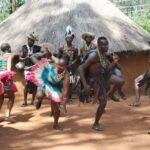
If the community is in the mood, you might witness traditional dances and singing. These are genuine expressions of Maasai identity, not staged performances. Travelers have appreciated this element, noting that it’s a meaningful part of community life, not a scripted tourist show. Be respectful and ask permission before taking photos, as this is part of proper etiquette.
Visiting the Local School
Depending on the day, the tour may include a visit to a local primary school. Supported in part by the tour proceeds, this visit offers a rare glimpse into Maasai children’s education — a vital aspect of community development. The experience exemplifies how tourism dollars can support local initiatives, which many travelers find rewarding.
Support and Responsible Tourism
The fee of $30 goes toward community welfare, including education and other projects, making your participation a tangible contribution. The tour emphasizes support rather than sales pressure — no pushy vendors or gimmicks. If you wish to buy crafts, cash is king, and photos should be requested respectfully.
Practicalities: What You Need to Know
The Itinerary and Duration
The entire experience lasts approximately 4 to 5 hours, including pickup and drop-off. The drive offers scenic views, and the pace is relaxed. It’s designed to give you a thorough understanding without feeling rushed.
Transport and Group Size
Transportation is comfortable, with round-trip transport from Nairobi included. Group sizes are usually small, fostering more personal interactions. The guide’s local knowledge is invaluable for understanding nuances you might miss otherwise.
Cost and Value
At $50 per person, this tour is fairly affordable, especially considering the depth of cultural access and the support to the local community. For comparison, staged cultural performances or superficial visits often cost more and offer less authenticity. The inclusion of community support makes this a meaningful investment.
What to Wear and Bring
Dress respectfully — below-the-knee skirts or pants are advisable. Bring cash if interested in buying crafts, as cards are not accepted. Photography is welcomed but should be requested beforehand; flash photography is discouraged to respect the community’s comfort.
Accessibility and Considerations
The tour isn’t suitable for wheelchair users, as rural pathways might be challenging. Also, be prepared for hot midday sun or light rain, so pack sunscreen, hat, or rain gear accordingly.
What the Reviews Say
Both reviewers praise the tour highly, giving it a perfect 5-star rating. One traveler highlights the exceptional guidance, mentioning how the guide took the time to explain and direct without rushing. The second appreciates that everything lived up to expectations, especially noting how the experience was enjoyable, authentic, and supported by a local operator who genuinely cares.
Authenticity and Transparency
The reviews confirm that this is a genuine cultural encounter, not a staged show. The community’s participation is voluntary, and there’s no pressure to buy or partake in anything you’re uncomfortable with.
Final Thoughts: Who Is This Tour Best For?
This Maasai village visit is perfect for travelers seeking more than just sightseeing. If you’re interested in learning about real Maasai life, supporting local communities, and avoiding tourist traps, this tour offers substantial value. It’s especially suited for those who appreciate respectful cultural exchange over entertainment or superficial photo ops.
While it’s not a safari and doesn’t promise dramatic wildlife sightings, it rewards you with a meaningful connection to Kenya’s human stories. It’s a chance to see the resilience, warmth, and complexity of Maasai culture firsthand, in an environment that’s as genuine as it gets.
If you’re traveling with children, it can be an eye-opening lesson in global cultures and community life. Just remember that patience and respect go a long way here. This isn’t the place for quick snapshots — it’s about truly experiencing a living tradition.
Nairobi: Maasai Village Cultural Visit with Hotel Pickup
FAQ
Is this tour suitable for young children?
While it’s a respectful, educational experience, young children should be supervised as it involves rural pathways and community interactions. It’s best suited for children who can appreciate a slow-paced, authentic cultural visit.
How much does the entry fee cost, and what does it support?
The entry fee is $30, which helps support the Maasai community, including local welfare projects like schools. Your participation directly benefits the community.
Can I take photos during the visit?
Yes, photography is welcome but must be requested beforehand. Flash photography is discouraged to respect the community’s comfort and privacy.
What should I wear?
Dress respectfully — skirts or pants below the knee are recommended. Comfortable clothes suitable for outdoor walking are ideal.
What is included in the tour price?
The $50 covers round-trip transport from Nairobi, a local guide, and access to the village. It supports community projects as well.
Is there any staged performance involved?
No, the tour does not feature staged shows unless the community chooses to share traditional dance or songs that day. It’s a genuine, community-led experience.
This Maasai village visit offers a rare chance to see Kenya’s cultural diversity in its living, breathing form. It’s an affordable, meaningful addition to any itinerary, especially for those eager to go beyond safaris and get closer to the human stories that make Kenya so special.
You can check availability for your dates here: