If you’re planning a day trip from Hiroshima that offers a peaceful escape into Japan’s traditional charm, this tour of Takehara could be just what you need. While Hiroshima resonates with history and resilience, Takehara provides a slower, more serene glimpse of Japan’s past, especially with its well-preserved streets and cultural traditions.
This tour stands out because it combines hands-on experiences like salt-making and ikebana flower arrangement with scenic train rides and historic sightseeing. We particularly appreciate how it balances culture with a relaxed pace, making it accessible and meaningful for travelers interested in authentic local life.
One thing to consider is the price—at around $213 per person, it’s a fair investment for a full day of thoughtfully curated experiences, but it might feel steep if you’re on a tight budget. Still, for those eager to explore a quieter, more traditional side of Japan, this tour is a solid choice.
It best suits travelers who enjoy cultural activities, scenic settings, and a well-structured itinerary that minimizes planning hassle while maximizing local flavor. If you’re drawn to Japan’s historic towns and want to experience something beyond the crowds, this tour will serve you well.
- Key Points
- A Detailed Look at the Takehara Day Tour
- Starting Point and Early Morning
- Exploring Takehara’s Historic Districts
- Salt Production at the Old Kasai House
- Lunch at Saryo ICHIE
- Ikebana Flower Arrangement at Saiho-ji Temple
- Strolling Takehara’s Historic Streets
- Scenic Train Ride to Mihara
- Mihara Castle and Optional Daruma Mask Activity
- Return to Hiroshima via Shinkansen
- Why This Tour Offers Real Value
- Who Should Consider This Tour?
- Final Thoughts
- Frequently Asked Questions
- More Tour Reviews in Hiroshima
Key Points
 1 / 5
 2 / 5
 3 / 5
 4 / 5
 5 / 5
- Authentic culture with salt-making, sake tasting, and ikebana flower arranging.
- Scenic transportation aboard local trains with views of the Seto Inland Sea, adding to the relaxing atmosphere.
- Well-preserved historic districts that showcase Takehara’s charming old townscape, often called “Little Kyoto.”
- Expert guidance from a licensed local English interpreter, ensuring insights into the area’s history and traditions.
- All-inclusive value with transportation, meals, and cultural activities covered in the tour fee.
- Ideal for culturally curious travelers seeking a peaceful day away from the busier Hiroshima city center.
A Detailed Look at the Takehara Day Tour
You can also read our reviews of more tours and experiences in Hiroshima.
Starting Point and Early Morning
The tour kicks off at Hiroshima Station’s General Information Center at 9:25 am. This initial meeting point ensures you’re in the heart of Hiroshima city, ready for your journey. From there, you’ll hop onto the express bus Kaguyahime-go, which whisks you in about an hour through the suburban landscapes to Takehara. The bus ride itself is a bonus, offering panoramic views of rural Japan and the Seto Inland Sea—you might find yourself snapping photos through the windows, especially when the tracks seem to run over the water near Mihara.
Exploring Takehara’s Historic Districts
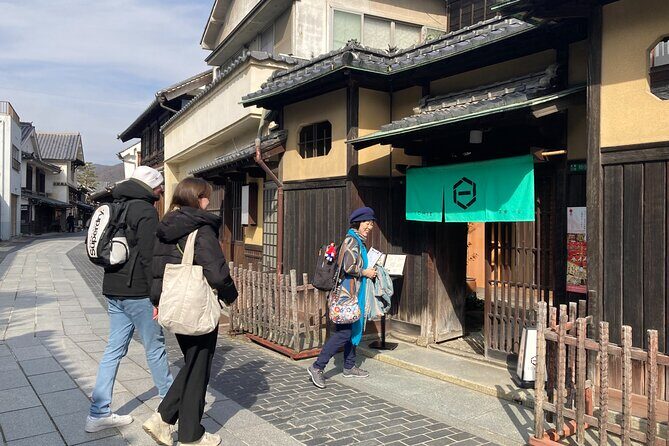
Once in Takehara, a 5-minute walk leads you into the Old Takehara Historical District, a place that feels like stepping back in time. The town has earned its nickname “Little Kyoto” thanks to its meticulously preserved streets lined with traditional Japanese houses, shops, and tea houses. The area’s designation as a Preservation District for Groups of Historic Buildings means that its charm isn’t just maintained but actively celebrated.
Salt Production at the Old Kasai House
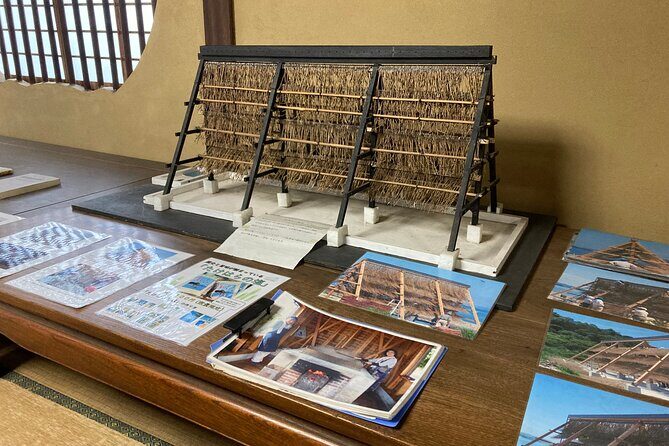
The first stop in the town is the Old Kasai House, where you’ll learn about Takehara’s historic salt industry. Salt was once a crucial product for this port town, and the Kasai family’s house offers a window into traditional salt production methods. As you walk through the historic documents and see the tools on display, you get a sense of how vital this industry was to the town’s prosperity. This free stop is a quiet, educational introduction to the local economy’s roots, giving context to the salt used later in your meal.
Lunch at Saryo ICHIE
After a short walk, you’ll settle into Saryo ICHIE for a traditional Shokado-style bento. The meal, made with Takehara’s local salt, includes a variety of dishes crafted from regional ingredients such as fresh seafood, vegetables, and Taoshita beef. The private room setting provides a peaceful backdrop, with views of the town stretching out below.
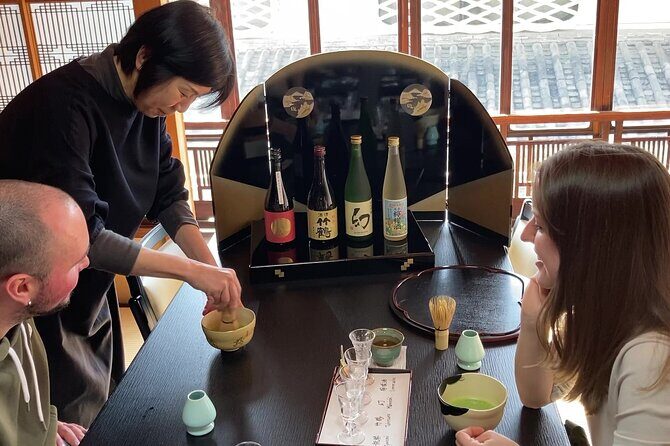
Here, you’ll also taste three different types of local sake, each brewed in Takehara. The tasting session is not just about flavor; it’s a chance to compare styles, appreciate regional brewing differences, and deepen your understanding of Japan’s sake culture. Several reviews mention how enjoyable the sake tasting is, with one noting it as “a great way to appreciate local flavors.”


Ikebana Flower Arrangement at Saiho-ji Temple
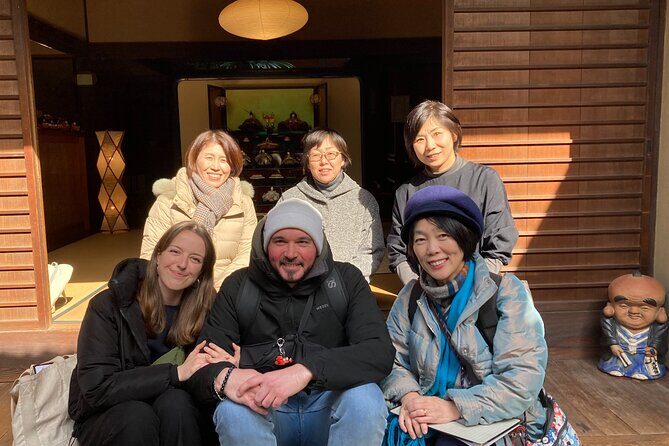
Following lunch, the tour visits Saiho-ji Temple, perched with a panoramic view of Takehara. This peaceful spot offers more than just scenery; it’s a chance to participate in ikebana, the Japanese art of flower arranging. Under the guidance of a teacher, you’ll create your own arrangement, gaining insight into the aesthetics and philosophy behind this traditional art form. Visitors often comment on how serene and meditative this activity feels, even for beginners.
Strolling Takehara’s Historic Streets
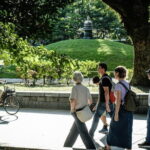
After the flower arrangement session, you’ll enjoy a guided walk through the Takehara Townscape Preservation Area. The guide shares stories about the town’s history, architecture, and notable figures, helping you imagine what life was like in the Edo and Meiji periods. Many travelers find this stroll charming, feeling as if they’ve traveled back centuries, thanks to the well-maintained streets and traditional buildings.
Scenic Train Ride to Mihara
From Takehara Station, you’ll ride a local train to Mihara, a journey of about 50 minutes. The train’s windows offer splendid views of the Seto Inland Sea, islands, and coastline. Some sections seem to float above the water, making the ride itself a memorable part of the experience. One reviewer noted, “Watching the sea and islands from the train was a highlight—I felt like I was in a living postcard.”
Mihara Castle and Optional Daruma Mask Activity
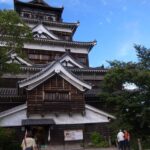
Upon arrival in Mihara, you can explore the ruins of Mihara Castle—a historic site offering a glimpse of Japan’s feudal past. Alternatively, if you’re interested in a hands-on activity, you can opt to have your face painted with a Daruma doll motif (additional fee applies). This optional cultural craft adds a playful, local touch to the visit.
Return to Hiroshima via Shinkansen
The day wraps up with a ride back to Hiroshima on the Shinkansen, taking around 40 minutes. This fast, comfortable ride allows you to reflect on the day’s sights and experiences, arriving back in Hiroshima city relaxed and enriched.
Why This Tour Offers Real Value
This tour is carefully designed to maximize culture without sacrificing comfort. The all-inclusive price covers transportation, meals, activities, and expert guidance, meaning you won’t be scrambling for tickets or worrying about logistics. It’s a full day of engaging experiences that genuinely deepen your understanding of local traditions.
The transportation arrangements are especially convenient—long bus and train rides with scenic views provide a leisurely pace that suits most travelers. The visits to historic districts and participation in activities like ikebana and salt-making allow for tactile, memorable moments that go beyond typical sightseeing.
While the price might seem high, consider the value of the included experiences and the expert guidance. The opportunity to taste regional sake, learn about traditional crafts, and walk through a historic town adds up to more than just a day out — it’s a meaningful cultural journey.
Who Should Consider This Tour?
If you’re curious about Japan’s local traditions and enjoy hands-on activities, this tour offers plenty for your interests. It’s perfect for those who want to see a quieter side of Hiroshima Prefecture, away from the crowds and tourist traps. It suits travelers who appreciate scenic train rides, historic architecture, and culinary experiences based on local ingredients.
Keep in mind that the overall pace is moderate, with some walking involved, and the day is quite structured. For travelers eager to explore on their own or looking for a more flexible itinerary, this might feel a bit regimented. But for those who prefer a curated experience that balances learning, sightseeing, and relaxation, this tour hits the mark.
Final Thoughts
This Takehara day trip is a charming way to connect with Japan’s heritage in a relaxed setting. The combination of historic streets, traditional crafts, scenic views, and regional flavors creates a well-rounded experience that’s both educational and enjoyable. You’ll leave with a deeper appreciation for the quiet beauty and craftsmanship that define this part of Japan.
For travelers who value authenticity over touristy gimmicks and want a taste of local life, this tour provides great value. It’s especially suited for those interested in cultural activities and scenic travel, looking to add a peaceful, culturally rich memory to their Hiroshima visit.
In essence, if you’re after a day that balances historical discovery, cultural participation, and scenic beauty, this tour delivers on all fronts—an excellent choice for curious, relaxed explorers.
Enjoy the atmosphere of Takehara the little Kyoto in Hiroshima
Frequently Asked Questions
How long is the bus ride from Hiroshima to Takehara?
The express bus Kaguyahime-go takes about 60 minutes to reach Takehara from Hiroshima Station.
Is the salt-making experience free?
Yes, the visit to the Old Kasai House where salt production is explained is free of charge.
What does the lunch at Saryo ICHIE include?
It features a Shokado-style bento with dishes made using Takehara’s salt and regional ingredients, served in a private room with a view.
Are there any extra costs during or after the tour?
Optional activities like Daruma doll face painting cost about 800 yen and are not included in the main price.
What kind of views can I expect on the train to Mihara?
You’ll see scenic views of the Seto Inland Sea, islands, and sections of track that seem to run directly over the water.
How much time do I have at Mihara Castle?
You’ll have about 40 minutes to explore the castle ruins or participate in optional activities.
Is this a private tour?
Yes, it’s a private experience, meaning only your group will participate, allowing for a more personalized visit.
Is the tour suitable for all ages?
Most travelers can participate, provided they are comfortable with walking and some activities like flower arranging.
This detailed review aims to help you decide whether a day exploring Takehara fits your travel style. Its blend of cultural authenticity, scenic beauty, and relaxed pace makes it a memorable addition to any Hiroshima itinerary.