
A Hands-On Look at the Easy to Make Healthy Bento Class in Sagamihara
If you’re exploring Kanagawa Prefecture and want to get a taste of authentic Japanese home cooking, this Bento class in Sagamihara offers a charming, practical experience. While some tours focus on sightseeing or traditional temples, this class brings you directly into the kitchen—an ideal way to truly understand Japanese culinary culture.
It’s a neat option for foodies, couples, or families seeking a fun, interactive activity that leaves you with both new skills and a tasty meal.
What makes this experience stand out? First, it’s tailored to all skill levels, so even absolute beginners can enjoy making their own bento without feeling overwhelmed. Second, the focus on local, fresh ingredients ensures a high-quality, authentic flavor.
A potential consideration is the physical setup—it takes place on the second floor of a detached house, which might be a challenge for those with mobility issues or those not comfortable climbing stairs.
This class is especially suited for curious travelers wanting a memorable culinary souvenir or those interested in Japanese culture beyond the usual sightseeing. If you’re traveling with family or a partner interested in cooking, this activity can turn into a delightful shared experience.
- Key Points
- Introduction: Why This Bento Class Might Be Just Right for You
- What to Expect from the Experience
- The Value of Fresh, Local Ingredients
- The Dining Experience: What You Eat
- Practical Details: Scheduling, Cost, and Group Size
- Authenticity and Cultural Value
- The Sum Up: Is It Worth It?
- FAQ
- More Tour Reviews in Kanagawa Prefecture
Key Points
 1 / 9
1 / 9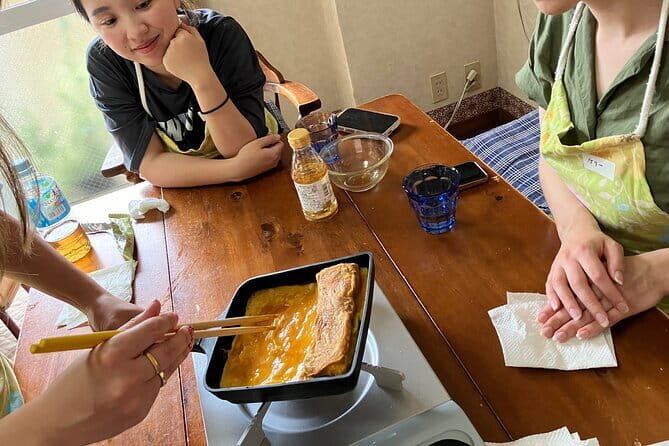 2 / 9
2 / 9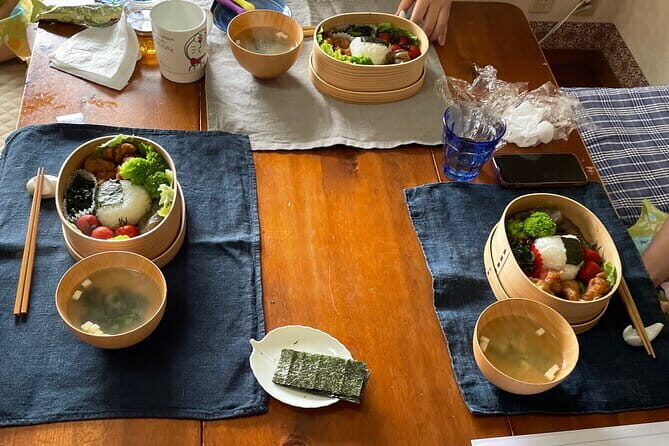 3 / 9
3 / 9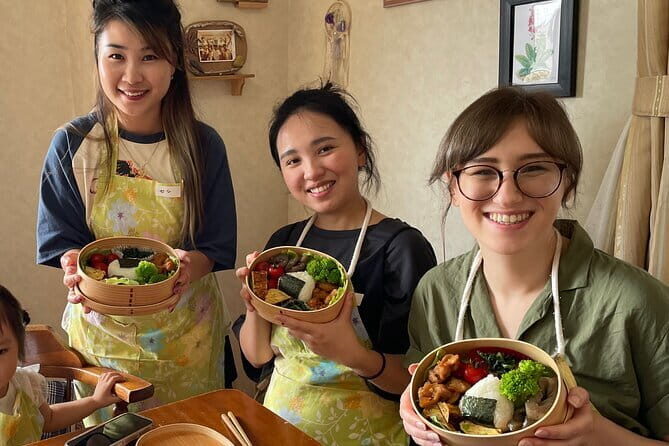 4 / 9
4 / 9 5 / 9
5 / 9 6 / 9
6 / 9 7 / 9
7 / 9 8 / 9
8 / 9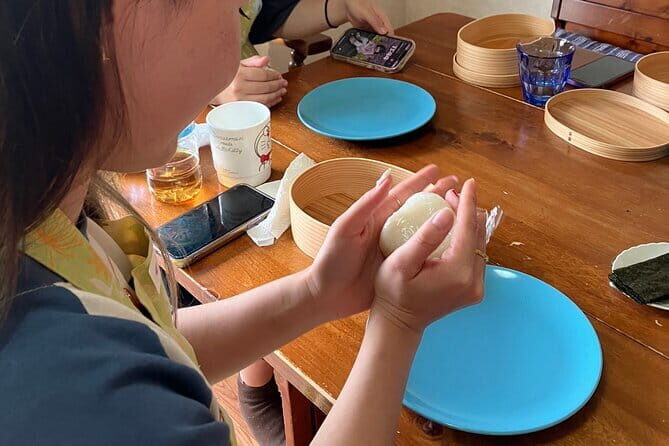 9 / 9
9 / 9- Personalized Experience: Tailored to your skill level and interests, making it accessible for everyone.
- Hands-On Learning: You’ll prepare, cook, and plate your dishes under expert guidance.
- Local, Fresh Ingredients: Sourced from nearby, ensuring authentic flavors in your home-cooked bento.
- Includes a Delicious Lunch: Enjoy the bento you prepare, packed with balanced, traditional dishes.
- Practical and Cultural: Comes with a take-home recipe and Japanese lesson sheet, adding educational value.
- Limited Group Size: Small groups (max 4) allow for personalized attention and a relaxed atmosphere.
Introduction: Why This Bento Class Might Be Just Right for You
When considering a short, hands-on activity during your trip to Kanagawa, a cooking class focused on making healthy, traditional bento offers a practical, memorable experience. Unlike many touristy options, this class immerses you in the actual process of Japanese home cooking, giving you both skills and a delicious meal to take home.
We love that the class is approachable for beginners—no prior experience necessary—and that it emphasizes fresh, local ingredients. The opportunity to make dishes like Onigiri and Tamagoyaki in a friendly environment makes it especially appealing for families or couples. However, it’s worth noting that the activity is held upstairs in a detached house, so those with mobility concerns might need to consider that.
Overall, if you’re after a culturally rich, educational activity that’s also fun and tasty, this class is likely a good fit. It’s especially suited to travelers who appreciate authentic experiences over scripted tours, want to learn practical skills, or enjoy sharing a meal you helped prepare.
You can also read our reviews of more tours and experiences in Kanagawa Prefecture.



What to Expect from the Experience
The class starts promptly at 10:00am in Sagamihara’s Sagami-Ono area, a short 3-minute walk from Sagami-Ono Station. After greeting your instructor and a quick introduction in Japanese phrases, the real work begins.
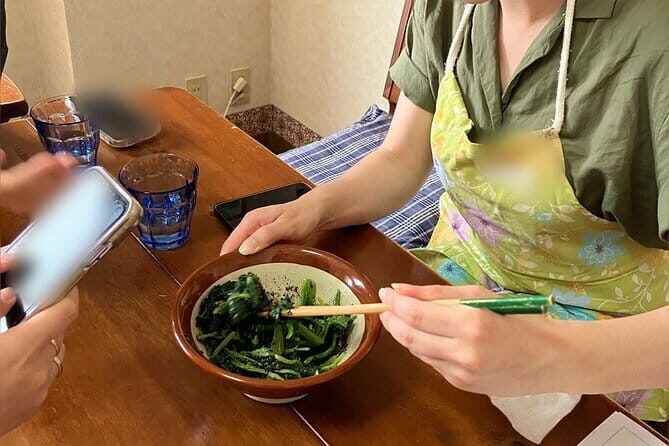
You’ll be guided step-by-step through the process of creating a traditional bento lunch, which means a well-balanced assortment of dishes packed into a single, portable container. The focus is on healthy, homemade options—using plant-based alternatives in place of chicken for the popular Karaage. This twist makes it suitable for vegetarians or those seeking lighter fare, and it demonstrates the versatility of classic Japanese recipes.
Preparing Onigiri (rice balls) is a highlight. These simple but iconic snacks are both fun to shape and delicious. The Tamagoyaki (Japanese omelette) offers a chance to perfect that sweet, slightly savory rolled egg—something that’s often tricky for beginners but rewarding when done right.
Throughout the class, you’ll learn useful Japanese phrases, adding an educational element that enhances your overall cultural understanding. The instructor’s guidance ensures you stay on track, and the small group size means plenty of personal attention.
Once your dishes are prepared, you’ll enjoy your own bento lunch, which showcases your handiwork. The experience wraps up with a selection of take-home recipes and a lesson sheet, so you can recreate your favorites back home.
The Value of Fresh, Local Ingredients
One of the most noticeable aspects of this class is its emphasis on local sourcing. By using ingredients from nearby markets, the flavors are fresher and more authentic than what you might find in a supermarket or pre-made kits. This focus adds a layer of culinary integrity that elevates the entire experience.
Participants have commented on how the dishes tasted vibrant and genuinely Japanese, thanks to the quality ingredients. This is a step above many cooking classes that rely on packaged or frozen components, making the meal you enjoy truly worth the effort.
The Dining Experience: What You Eat
The lunch you sit down to is more than just a meal; it’s the culmination of your efforts. You’ll feast on a bento box, packed with a variety of flavors and textures. The balanced approach—combining rice, protein, and vegetables—reflects the care Japanese cooks put into nutritional harmony.
The fact that you get to eat what you make adds to the satisfaction. Plus, the plant-based Karaage offers a tasty, lighter alternative that appeals even to those less inclined toward fried chicken. Several reviews mention how the instructors are great at explaining the dishes, which makes the experience both educational and enjoyable.
Practical Details: Scheduling, Cost, and Group Size
This experience is priced at $91.79 per person, which might seem a little steep compared to simple cooking classes elsewhere. However, considering the personalized instruction, use of fresh ingredients, and the fact that you get to eat the fruits of your labor, it offers good value. The class lasts about 3 hours and 20 minutes, giving enough time for instruction, hands-on prep, and leisurely eating.
Group size is small—a maximum of 4 travelers—which means plenty of individual attention and a relaxed atmosphere. This intimacy often translates into a more engaging experience, especially for those who enjoy asking questions or sharing their food stories.
Transportation is straightforward, with the meeting point being a short walk from Sagami-Ono Station, making it easy to incorporate into a day of exploring. Keep in mind, the activity takes place on the second floor of a detached house, so those with mobility issues should consider this.

Authenticity and Cultural Value
Participants have praised the knowledgeable guides and the opportunity to learn real Japanese home cooking techniques. The focus on healthy, balanced meals aligns well with modern dietary preferences, and the class’s approach to cultural exchange shines through in the friendly guidance and informal setting.
The fact that you also receive a Japanese lesson sheet adds educational depth, helping you carry a little piece of Japan home with you. Many reviewers have remarked on the enjoyable atmosphere and the opportunity to connect with both the instructor and fellow travelers.
The Sum Up: Is It Worth It?
This Healthy Bento Class in Sagamihara offers a wonderful way to deepen your understanding of Japanese culinary traditions while enjoying a tasty, well-balanced meal. It’s particularly ideal for those who appreciate hands-on experiences and want a more authentic, personal connection to Japanese home cooking. The small group size, emphasis on fresh, local ingredients, and educational components make it stand out as a genuine cultural activity.
If you’re traveling with a partner, family, or simply curious about Japanese cuisine beyond the usual restaurant fare, this class delivers both knowledge and flavor—without breaking the bank. Just be prepared for some stairs and remember this is designed for a small group, making it a cozy, interactive affair.
For travelers seeking a meaningful, edible souvenir from Japan, this class hits the mark. It combines learning, local flavor, and fun into a memorable three hours.
Easy to Make Healthy Bento Class in Sagamihara
FAQ
What is included in the price of the class?
The cost covers the cooking lesson, all lesson materials, lunch on the bento you prepare, and water or tea. You also get a take-home recipe and a Japanese lesson sheet.
Can I bring children?
You are welcome to bring young children who are below the target age group, but note that the activity and meals are not provided for them. Consider sharing meals or preparing food in advance for young kids.
Is the activity suitable for beginners?
Yes, it’s designed to be accessible for all skill levels, with personalized guidance to help you learn and enjoy making a Japanese bento.
How long does the class last?
The total duration is approximately 3 hours and 20 minutes, including instruction, cooking, and eating.
Where do we meet?
The meeting point is a 3-minute walk from Sagami-Ono Station in Sagamihara. Exact details are provided after booking confirmation.
Are there any dietary restrictions to consider?
Yes, the class uses eggs, soy, and sesame, so it’s not recommended for travelers with allergies to these ingredients.
Is transportation provided to or from the class?
No, the activity starts and ends at the meeting point, with participants responsible for their own transport within the local area.
Can I cancel if I change my mind?
Yes, cancellations are free if made at least 24 hours in advance. Canceling less than 24 hours before the start time forfeits the fee.
What should I wear or bring?
Comfortable clothing suitable for cooking is recommended. All necessary equipment is provided; you won’t be able to take any gear home.
In the end, this class offers a genuine slice of Japanese home life through cooking. For those curious about Japanese culinary customs, wanting to learn practical skills, or simply after a tasty, hands-on activity, it’s a worthwhile and enjoyable choice in Sagamihara.