Travelers eyeing a Himalayan adventure often dream of crossing the legendary Thorong La Pass or experiencing Nepal’s diverse landscapes and cultures. This 13-day Annapurna Circuit trek, offered by Blissful Himalayas, promises an immersive journey through some of Nepal’s most spectacular scenery, blending challenging mountain passes with authentic village life.
What really makes this trek stand out? First, the experienced guides who seem to genuinely care whether you enjoy every step — and it shows in glowing reviews. Second, the delicious, plentiful food that keeps you energized for those steep ascents. But on the downside, it’s a fairly rigorous schedule that requires good physical fitness and acclimatization; this isn’t a walk in the park.
If you’re a fit, adventure-loving traveler eager to experience Nepal’s towering peaks, vibrant culture, and stunning trails — without sacrificing comfort — this trek could be ideal. It’s particularly suited for those who appreciate well-organized trips with knowledgeable guides and value the cultural insights woven into the journey.
- Key Points
- The Essentials of the Annapurna Circuit Trek
- Day-by-Day Breakdown: What to Expect
- Day 1: Kathmandu to Besisahar
- Day 2: Besisahar to Bahundanda
- Day 3: Bahundanda to Chamche
- Day 4: Chamche to Dharapani
- Day 5: Dharapani to Chame
- Day 6: Chame to Lower Pisang
- Day 7: Pisang to Manang
- Day 8: Acclimatization in Manang
- Day 9: Manang to Yakkharka
- Day 10: Yakkharka to Thorong Phedi
- Day 11: Thorong La Pass & Muktinath
- Day 12: Muktinath to Pokhara
- Day 13: Departure or Further Adventures
- Authentic Experiences and Authentic Value
- Value for Money
- Final Thoughts: Who Should Consider This Trek?
- FAQ
- More Hiking & Trekking Tours in Kathmandu
- More Tour Reviews in Kathmandu
Key Points
 1 / 6
 2 / 6
 3 / 6
 4 / 6
 5 / 6
 6 / 6
- Authentic Himalayan experience with visits to villages, monasteries, and breathtaking mountain views
- Well-organized itinerary that balances challenge with acclimatization and rest
- Excellent value, including meals, permits, and local transportation, all managed smoothly
- Dedicated, friendly guides whose local knowledge enhances the journey
- Comfortable teahouse stays offering a warm break after mountain days
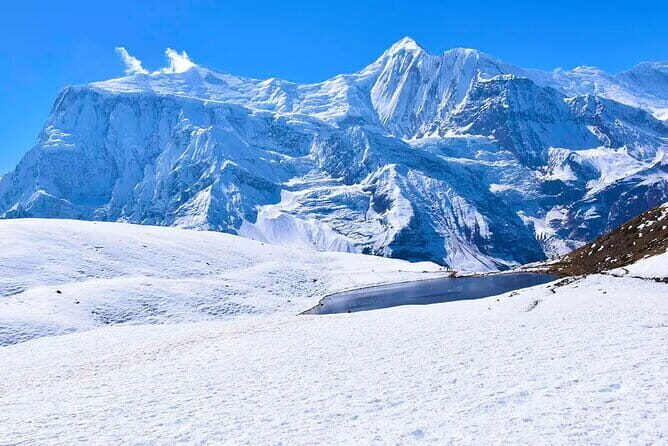
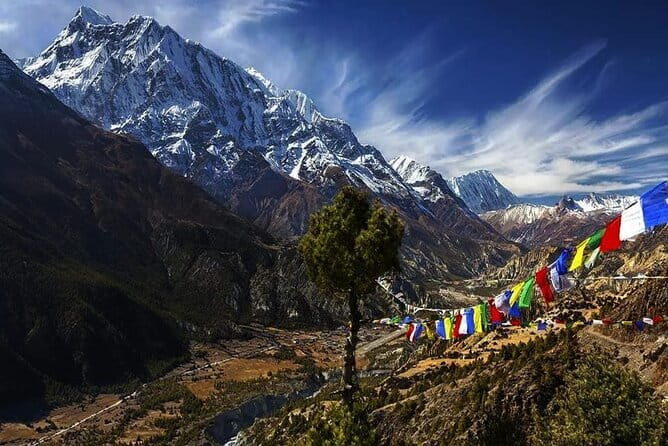
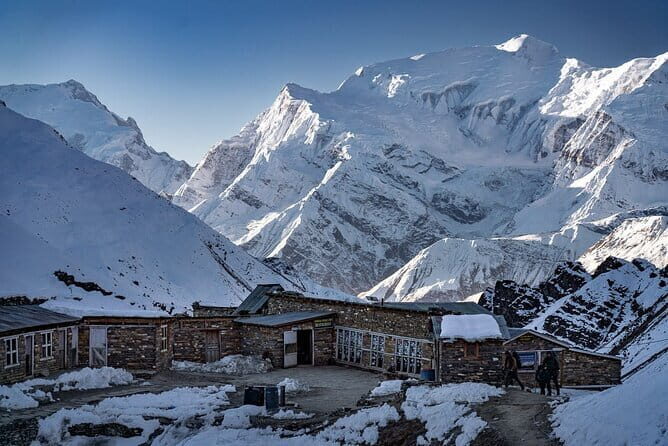
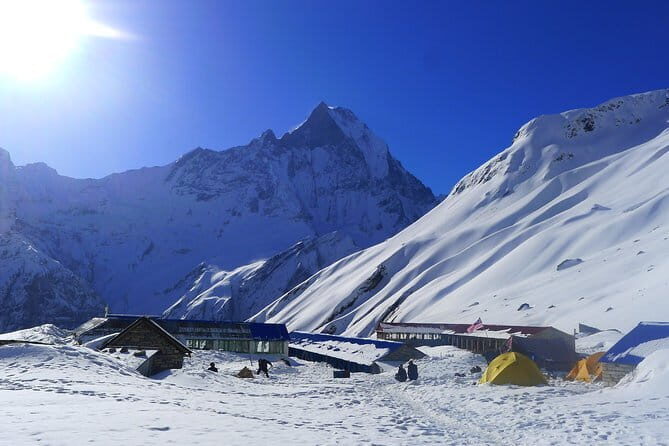
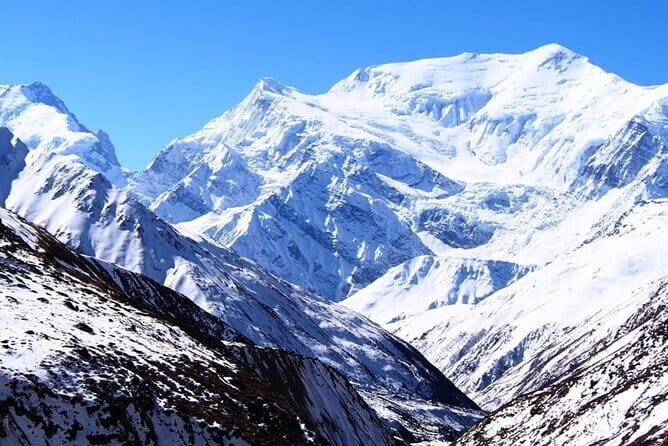
- Stunning photo opportunities from Thorang La Pass and high-altitude lakes
The Essentials of the Annapurna Circuit Trek
This trek isn’t just about reaching a destination; it’s about the experience of traveling through the varied landscapes and cultures of Nepal. For 13 days, you’ll be traversing from lush terraced fields to barren mountain passes, crossing suspension bridges, and encountering villages with centuries-old traditions. It’s a high-altitude adventure that demands a moderate level of fitness, but the rewards are plentiful.
The trip’s price of $1,299 per person reflects a good value, considering it covers most essentials: accommodations, all meals, permits, and knowledgeable guides. Plus, the included transportation means you don’t have to stress over logistics — a huge plus when navigating remote mountain roads.
You can also read our reviews of more hiking tours in Kathmandu
Day-by-Day Breakdown: What to Expect
Day 1: Kathmandu to Besisahar
Starting in Kathmandu, you’ll board a scenic nine-hour drive to Besisahar, the gateway to the circuit. This part of the journey begins in Nepal’s bustling capital, but the excitement builds as you leave behind urban chaos for mountain scenery. The drive passes through small villages, terraced fields, and views of the lower Himalayas, setting the tone for what’s ahead.
Day 2: Besisahar to Bahundanda
The trek begins at a gentle pace, passing through villages and lush farmland. You’ll gain elevation gradually, giving your body a chance to acclimate. The trail offers vistas of fields and hills, with the sense that you’re truly on your way. Travelers love the peaceful rural scenes and the warm welcome from local villagers.
Day 3: Bahundanda to Chamche
Today’s walk takes you through dense forests and over suspension bridges, crossing the Marsyangdi River multiple times. The mix of greenery and river views is refreshing. There’s a gentle descent, which helps with acclimatization. Expect a peaceful day immersed in nature, with vibrant local life visible in small villages.


Day 4: Chamche to Dharapani
As you climb toward Dharapani, the landscape shifts from subtropical foliage to more alpine terrain. Encounters with Gurung and Manangi villages offer cultural insights. Guests note the opportunity to witness local hospitality and traditions firsthand, blending natural beauty with cultural richness.
Day 5: Dharapani to Chame
Chame, the district’s administrative hub, provides a stunning backdrop of the Lamjung Himal and Annapurna II. Pine forests and meadows create a photogenic setting. The day combines good walking with the thrill of approaching higher altitudes, all while enjoying views of towering peaks.
Day 6: Chame to Lower Pisang
Continuing up, you’ll pass through more forests and small villages. The views of Annapurna II through IV become more dramatic. Pisang itself is a traditional village with Tibetan influences, offering a taste of high-altitude Himalayan culture.
Day 7: Pisang to Manang
Manang is a highlight — a large village with Tibetan monasteries and a chance to acclimate further. This stop offers a break from the trail’s physical challenge, with options to explore nearby lakes or monasteries. It’s a good spot to understand local culture and prepare for the higher climbs.
Day 8: Acclimatization in Manang
This rest day is vital. You might hike to Gangapurna Lake or visit Praken Monastery for sweeping views of peaks like Gangapurna and Himalchuli. Reviewers appreciate that the guide’s attentiveness made sure this day was both restful and culturally enriching.
Day 9: Manang to Yakkharka
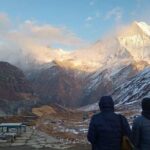
The trail leaves the dense forests behind, revealing high-altitude landscapes. Annapurna II and Gangapurna dominate the horizon. Yakkharka is a small but scenic stop, offering a taste of highland solitude and incredible mountain vistas.
Day 10: Yakkharka to Thorong Phedi
Approaching Thorong Phedi, the terrain becomes steeper and more rugged. This is the last base before the big challenge ahead. Tourists note this is a demanding day, but it sets the stage for one of the trek’s most iconic moments.
Day 11: Thorong La Pass & Muktinath
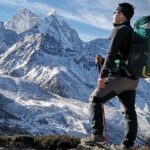
The pinnacle — crossing the Thorong La Pass at 5,416 meters. It’s a steep, chilly climb, but the views are unparalleled. Once at the top, you’re rewarded with a panoramic 360-degree mountain vista. After descending to Muktinath, a revered pilgrimage site, you’ll feel a sense of achievement. Reviewers highlight this as the most memorable day, with some describing it as “challenging but incredibly rewarding.”
Day 12: Muktinath to Pokhara
The long drive to Pokhara marks the end of your trekking journey. It’s a relaxing way to process the experience, with opportunities to enjoy the lakeside atmosphere and reflect on the mountains. The included transportation makes the transition smooth.
Day 13: Departure or Further Adventures
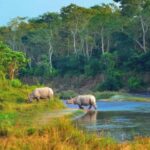
Depending on your plans, you might continue exploring Nepal — perhaps more days in Pokhara, a visit to Chitwan National Park, or returning to Kathmandu. The tour team is happy to help with planning.
Authentic Experiences and Authentic Value
Throughout this trek, you’ll stay in teahouses — simple, cozy lodges that serve as your home-base after each day’s walk. Travelers consistently praise the friendly, helpful guides who add cultural insights and ensure safety and comfort. One reviewer notes, “Ravi went above and beyond to ensure we were comfortable,” emphasizing the importance of good guiding in such challenging terrain.
Meals are included, and you’ll enjoy hearty Nepali dishes, fresh vegetables, and local specialties. The reviews highlight the delicious food, which is crucial after a long day of walking. A well-fed trekker is a happy trekker.
The permits and fees are included, streamlining the process. This is important because managing the paperwork and local fees independently can be confusing, especially in remote areas.
Value for Money
At $1,299, this tour seems to strike a good balance. It covers transportation, permits, accommodations, meals, and guided support. The reviews affirm that many found the overall experience “excellent value,” especially considering the local guides’ professionalism and the quality of lodges and food.
Travelers who want a well-organized, supportive trek with knowledgeable guides and culture will find this package a solid investment. Plus, the inclusion of safety gear like a first aid kit and Oximeter adds peace of mind for high-altitude travel.
Final Thoughts: Who Should Consider This Trek?
This Annapurna Circuit experience is ideal for adventure travelers who are moderately fit and prepared for high-altitude walking. It’s perfect for those who value authentic cultural encounters and want the convenience of an organized tour that handles logistics. The level of comfort in teahouses combined with the professional guidance makes it accessible without sacrificing the sense of challenge and achievement.
Whether you’re a seasoned trekker or an enthusiastic first-timer ready to push your limits, this journey offers stunning vistas, cultural riches, and a true sense of accomplishment. Just remember, it’s not a light stroll — but for those who want to see Nepal’s Himalayas close-up, it’s hard to beat.
13 Days Trekking in Annapurna Circuit
FAQ
What is included in the price?
The price covers all transportation from Kathmandu to Besisahar, teahouse accommodations during the trek, all meals, permits, guide services, and local transportation. It also includes the hotel stay in Pokhara before and after the trek.
Are meals provided during the trek?
Yes, all breakfasts, lunches, and dinners are included, offering local Nepali dishes and snacks to keep you fueled for the days ahead.
What are the accommodation conditions?
You’ll stay in teahouses, simple lodges that provide basic but comfortable rooms. They are a typical feature of Himalayan trekking and offer a chance to experience local hospitality.
Is this trek suitable for beginners?
Moderate fitness is recommended. The trek involves high-altitude walking and some steep sections, but with proper acclimatization and preparation, most fit travelers can enjoy it.
How do guides enhance the experience?
Guides are described as knowledgeable, helpful, and friendly—adding cultural insights, ensuring safety, and helping with logistics. Several reviews praise the guides’ attention to detail.
What about altitude sickness?
Acclimatization days are built into the itinerary, especially in Manang. Guides monitor and advise on altitude issues, but travelers should be prepared for the physical challenge of high elevations.
Can I customize the trip?
Since it’s a private tour, adjustments can be made to suit your pace and interests — just discuss these with your guide or tour operator beforehand.
What’s the best time to go?
While not specified directly, Nepal’s popular trekking seasons are typically pre-monsoon (spring) and post-monsoon (autumn), when the weather is clear and stable.
In essence, this 13-day Annapurna Circuit trek offers a well-rounded, authentic Himalayan adventure with superb guides, stunning scenery, and good value. It’s perfect for those eager to challenge themselves and experience the mountains of Nepal in a way that’s both organized and immersive. Just pack your sense of adventure and a spirit ready for high-altitude awe.