Planning a trek to the world’s highest peak is a bold adventure, and this 14-day Everest Base Camp (EBC) journey promises just that — a mix of breathtaking scenery, culture, and physical challenge. While I haven’t personally endured this trek, a careful look at the details, reviews, and itinerary reveals a well-organized experience that appeals to those craving authentic Himalayan encounters.
What stands out immediately is the attention to detail—from the flight into Lukla to the climb up Kala Patthar, every step is crafted to maximize the view and cultural richness. The chance to see some of the most iconic peaks like Everest, Lhotse, and Nuptse, alongside Sherpa hospitality and ancient monasteries, makes this a compelling choice.
However, potential trekkers should be aware that this journey requires moderate physical fitness, given the altitude gains and long days on foot. It’s not a casual walk in the park, but the rewards—stunning vistas, meaningful cultural interactions—are worth the effort. If you’re looking for a challenge that combines natural beauty with cultural depth, this trek could be your perfect fit.
This experience is ideal for adventurous travelers who want a professionally guided trek that balances scenic highlights with cultural insights, all at a reasonable price point of $2,200 per person. It’s especially suited for those comfortable with basic physical activity and looking for a well-organized trip with reliable guides and support.
- Key Points
- A Detailed Look at the Trek Experience
- Starting in Kathmandu: The Gateway to the Himalayas
- The Flight to Lukla: A Heart-Pounding Start
- Day 2: From Lukla to Phakding
- Day 3: Into the Heart of Sherpa Country — Namche Bazaar
- Days 4-5: Acclimatization and Cultural Highlights
- Days 6-7: Moving Toward the High Altitude
- Days 8-10: Approaching Everest and the Historic Camp
- Days 11-12: The Long Descent and Final Trekking Days
- Day 13-14: Returning to Kathmandu and Departure
- What’s Included and What’s Not
- The Experience and the Reviews
- Challenges to Consider
- The Sum Up
- FAQ
- More Hiking & Trekking Tours in Kathmandu
- More Tour Reviews in Kathmandu
Key Points
 1 / 5
 2 / 5
 3 / 5
 4 / 5
 5 / 5
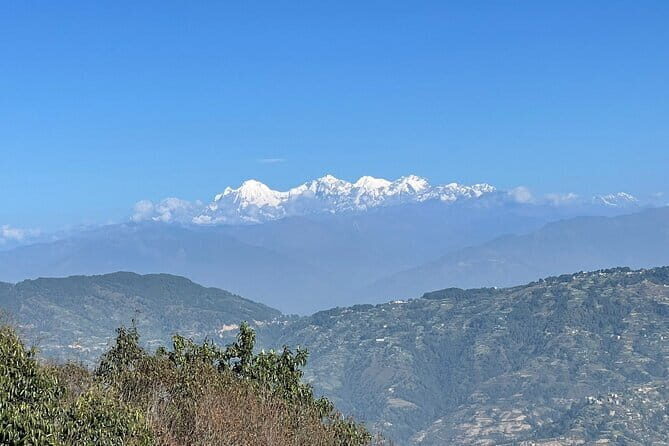
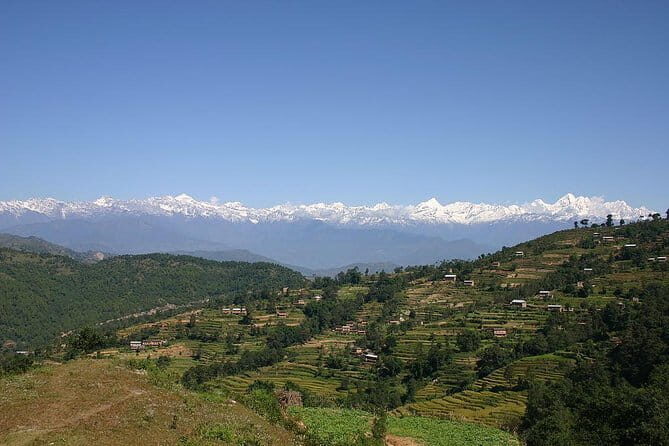
- Stunning Himalayan Views: Expect panoramic vistas of Everest, Lhotse, Nuptse, and more, particularly from Tengboche and Kala Patthar.
- Cultural Encounters: Visits to monasteries, Sherpa villages, and bustling markets like Namche Bazaar enrich the trekking experience.
- Well-Structured Itinerary: Adequate acclimatization days and scenic stops help prevent altitude issues and maximize sightseeing.
- Inclusive Value: Price includes domestic flights, permits, accommodations, meals, and experienced guides, offering good value for the experience.
- Authentic Nepalese Food: Enjoy Sherpa cuisine, hearty meals, and local hospitality, which reviewers consistently praise.
- Supportive Team: Professional guides, porters, and staff contribute to a smooth trip, as noted in glowing reviews.
A Detailed Look at the Trek Experience
You can also read our reviews of more hiking tours in Kathmandu
Starting in Kathmandu: The Gateway to the Himalayas
Your adventure begins with a friendly airport pickup in Kathmandu, followed by a night in a comfortable three-star hotel in Thamel. This gives you a chance to soak in the city’s vibrant atmosphere, browse local shops, and prepare mentally and physically for the trek ahead. The contrast between urban chaos and mountain serenity makes Kathmandu an essential part of the experience.
The Flight to Lukla: A Heart-Pounding Start
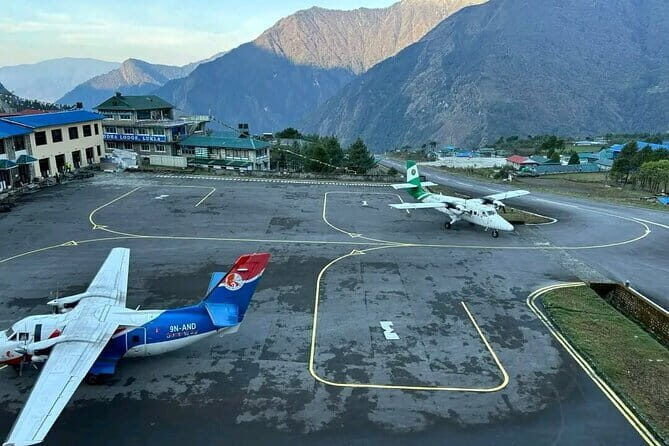
The journey to Lukla, often called one of the most scenic short flights in the world, kicks off your trek. The 40-minute flight over Himalayan peaks offers an immediate taste of the grandeur to come. Once you land, the real trekking begins.
Day 2: From Lukla to Phakding
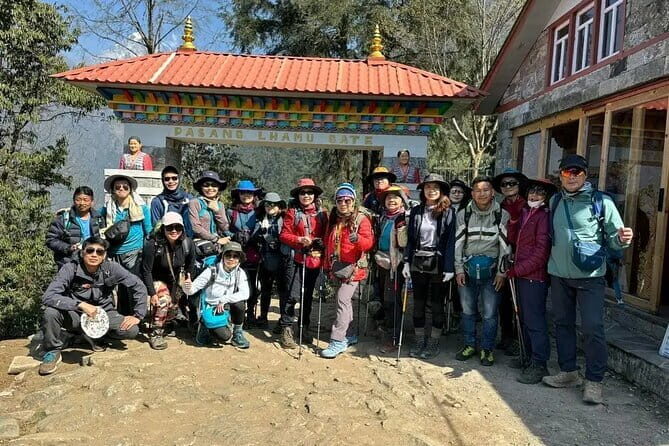
The trek begins with a gentle walk through lush forests and small Sherpa villages. Passing monasteries like Rimishung adds a touch of spiritual calm early on. The walk takes roughly four hours, providing a good acclimatization period without overwhelming fatigue.
Day 3: Into the Heart of Sherpa Country — Namche Bazaar
This is a challenging day, with steep climbs and a route through Chaurikharka Village. The rewarding views of mountains like Thamserku and Everest itself make the effort worthwhile. Reaching Namche Bazaar, the bustling hub for trekkers and traders, you’re immersed in Sherpa culture amid stunning mountain scenery. One reviewer praised the route, saying, “The effort is worthwhile since you get to see amazing vistas of Thamserku, Everest, Lhotse, and Nuptse.”

Days 4-5: Acclimatization and Cultural Highlights
A key feature of this trek is the time allocated for acclimatization—crucial for high-altitude safety. The Everest View Hotel offers panoramic 360-degree views, a favorite among trekkers for photographing Everest, Ama Dablam, and other giants. Visiting Tengboche Monastery provides a peaceful spiritual experience, with the chance to attend a prayer service and light butter lamps.
Days 6-7: Moving Toward the High Altitude
Passing through Pangboche, you see mountain views and traditional Sherpa villages. The walk to Dingboche is about four hours, passing fields of potatoes and barley, which highlight local life. One review mentions that this part of the trek offers “stoned walls and mani walls that tell stories of Sherpa tradition.”
Dingboche serves as a crucial acclimatization spot, with the option to climb Nagarjun Hill for breathtaking views. This helps your body prepare for the higher elevations ahead.
Days 8-10: Approaching Everest and the Historic Camp
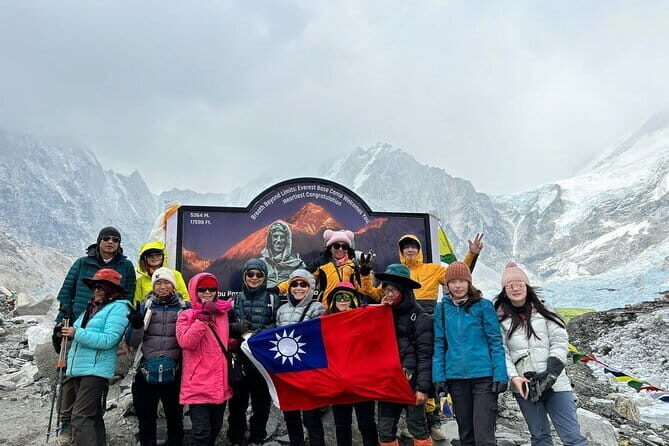
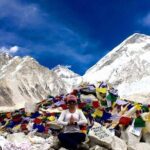
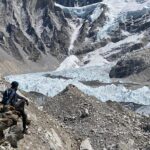
The trail to Lobuche introduces alpine scenery, yak pastures, and a steep ascent to Thokla Pass, which offers sweeping mountain views. The highlight is reaching Everest Base Camp, where you can stand amidst the glaciers and gaze up at the world’s highest point. Walking on the Khumbu Glacier itself is a surreal experience, as one reviewer noted, “Enjoying the views of the largest glacier on Earth while soaking in the landscape.”
The climb to Kala Patthar on Day 10 is the trek’s pinnacle, offering a 360-degree panoramic view of Everest, Nuptse, and Lhotse at sunrise—a moment many find unforgettable.
Days 11-12: The Long Descent and Final Trekking Days
Descending from Kala Patthar back toward Namche, the walking becomes physically demanding after the high-altitude climb, but the scenery sustains the spirit. The last significant day involves retracing the route to Lukla—an emotional walk that signifies the end of your Himalayan adventure.
Day 13-14: Returning to Kathmandu and Departure
Your return flight to Kathmandu offers relief and reflection. Once back in the city, you have time to explore, shop, and enjoy a farewell Nepali dinner. The trip concludes with transportation to the airport, carrying memories of towering peaks and warm Sherpa hospitality.
What’s Included and What’s Not
The package offers a lot of value: domestic flights, permits, hotel stays, meals, and experienced guides. The included porters lighten the load, making the trek more manageable. Plus, the farewell dinner and certification add a special touch.
However, some expenses aren’t covered, such as your international flights, Nepal visa, travel insurance, personal gear, and extra drinks or hot showers during the trek. Travelers should budget for these separately. Many reviews highlight the good value relative to the top-notch guides and support, making this an attractive option for those seeking quality without excessive cost.
The Experience and the Reviews
Reviewers consistently praise the dedication of guides and staff, with mentions of “exceptional service,” “support,” and “knowledgeable guides.” One reviewer called Eco Nepal Trekkers “the best trekking agency in Nepal,” citing their professionalism and care.
The views are widely regarded as some of the most spectacular in the world, with many mentioning the sunrise over Everest and the photo opportunities at Tengboche and Kala Patthar. The local food, including Sherpa dishes, is another highlight, with travelers appreciating the hearty, flavorful meals after long days.
Challenges to Consider
While the trek is generally well-organized, it’s not suitable for everyone. The altitude and physical demands mean you should be in moderate physical shape, and be prepared for long walking days. Weather can also be unpredictable, especially when flying in and out of Lukla, which sometimes causes delays.
The Sum Up
This 14-day Everest Base Camp Trek offers a powerful mix of natural beauty, culture, and physical challenge, all at a good value. It’s a trip that rewards those who are eager to experience the Himalayas authentically, supported by experienced guides and local Sherpa hospitality.
For adventurous travelers who value stunning mountain views, cultural insights, and a well-organized itinerary, this trek delivers a memorable journey. It’s perfect for those ready to push their limits slightly but also want a comfortable, safe, and meaningful experience in Nepal’s iconic mountains.
14 Days Everest Base Camp Trek
FAQ
What is the price of this trek?
The trek costs $2,200 per person, which covers flights, permits, accommodations, meals, guides, and porters, offering good value for such an extensive adventure.
Is this trek suitable for beginners?
While the trek is designed to be accessible for those with moderate physical fitness, it does involve altitude gain and some long days on foot. Beginners should prepare physically and be comfortable with some challenging walks.
Are flights included in the package?
Yes, the package includes domestic flights from Kathmandu to Lukla and back, which are essential for the trek’s start and end.
Does the trip include a guide?
Absolutely. An experienced licensed guide is part of the package, and many reviews highlight their dedication and knowledge.
What about accommodations?
You’ll stay in 2-3 star hotels in Kathmandu and basic but comfortable teahouses or lodges during the trek, all included in the price.
Are meals provided?
Yes, breakfast, lunch, and dinner are included during the trek, with many reviews praising the delicious Sherpa cuisine.
What should I bring?
While personal gear isn’t included, you’ll need trekking essentials like layered clothing, waterproof gear, sturdy shoes, and personal items.
Is tipping expected?
Tips for guides and porters are not included but are customary for good service, as noted by many travelers.
Can I cancel this trek?
Yes, bookings can be canceled up to 6 days in advance for a full refund, according to the policy.
Who is this trek ideal for?
It’s best suited for adventurous travelers seeking authentic Himalayan scenery and culture who are comfortable with moderate physical activity and altitude.
Embark on this Everest Base Camp Trek, and you’ll return with stories, photos, and memories of a journey through some of the most stunning landscapes on Earth — a true bucket-list adventure.