Our review of the Everest Three Passes Trek introduces one of the most ambitious and rewarding trekking adventures in Nepal.
Designed for seasoned hikers, this 16-day journey takes you through remote Sherpa villages, across three high-altitude passes—Renjo La, Cho La, and Kongma La—and offers up-close views of Everest, Lhotse, Makalu, and Cho Oyu. It’s a trek that balances physical challenge with awe-inspiring scenery and deep cultural connection.
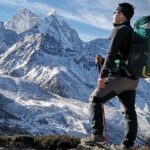
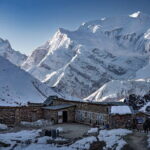
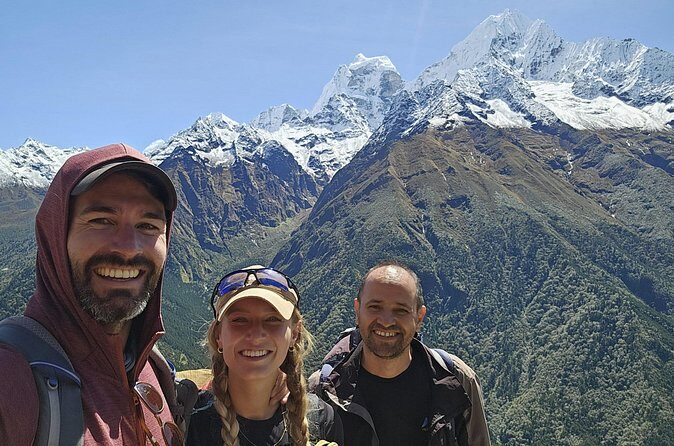
Two aspects we genuinely appreciate are the expert guidance and culture. The guides are not just knowledgeable—they’re passionate about sharing their homeland’s stories and traditions, which makes each stop more meaningful. Plus, the trek’s inclusion of visits to the Gokyo Lakes and the iconic Kala Patthar viewpoint ensures you’ll witness some of the most stunning mountain panoramas on the planet.
A potential consideration is the intensity of the trek—it’s not for casual hikers. The high passes and altitude require good fitness and acclimatization. Also, the cost, while reasonable for such an all-encompassing adventure, covers most essentials but excludes meals during the trek and personal expenses. It’s best suited for travelers who want a serious mountaineering experience mixed with authentic Sherpa culture.
In short, this journey appeals most to adventure seekers with a sense of curiosity, ready to push their limits while soaking in the splendor of the Himalayas.
- Key Points
- A Detailed Look at the Everest Three Passes Trek
- Starting the Journey: Kathmandu to Lukla
- Day 1-2: From River Valleys to Namche Bazaar
- The High-Altitude Transition: Tengboche and Dingboche
- Challenging Passes and Glacier Crossings
- The Highlight: Everest Base Camp and Kala Patthar
- Final Days: Descending Through Remote Valleys
- The Logistics and Comforts
- Why This Trek Is Worth It
- Authentic Experiences and Local Culture
- Value and Practicality
- Who Will Love This Trek?
- FAQ
- Final Thoughts
- More Hiking & Trekking Tours in Kathmandu
- More Tour Reviews in Kathmandu
Key Points
 1 / 5
 2 / 5
 3 / 5
 4 / 5
 5 / 5
- Challenging but rewarding: Designed for experienced trekkers comfortable at high altitudes.
- Cultural immersion: Visits to Sherpa villages, monasteries, and museums.
- Unparalleled views: From Kala Patthar to Gokyo Lakes and high passes.
- Expert guidance: Guides who prioritize safety, knowledge, and local insight.
- Incredible scenery: Crosses three high passes and explores glacier and mountain vistas.
- Value for money: Includes flights, permits, accommodations, and guiding, making it a comprehensive package.
A Detailed Look at the Everest Three Passes Trek
You can also read our reviews of more hiking tours in Kathmandu
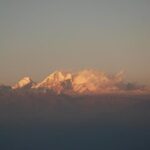
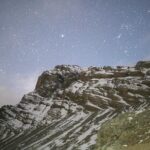
Starting the Journey: Kathmandu to Lukla
Travel begins with a short flight from Kathmandu to Lukla, often regarded as one of the most exciting flights in the world due to the mountain surroundings and the tiny Tenzing-Hillary Airport. From there, a scenic drive to Ramechhap sets the tone, as you leave behind the city’s chaos for peaceful countryside.
Lukla is where the real trekking begins. Walking through the village of Chheplung, with prayer flags fluttering overhead and mani stones lining the trail, you feel the spiritual weight of this place. It’s a gentle but meaningful introduction to Sherpa culture, with stunning mountain views already visible.
Day 1-2: From River Valleys to Namche Bazaar
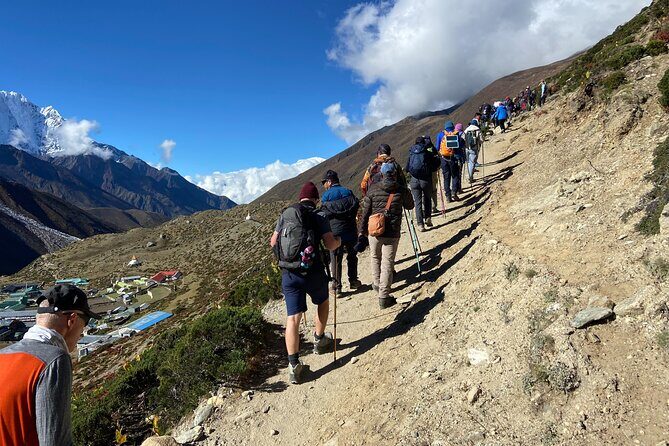
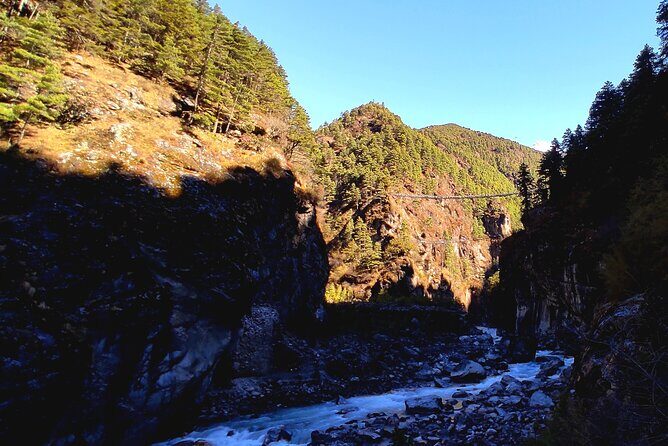
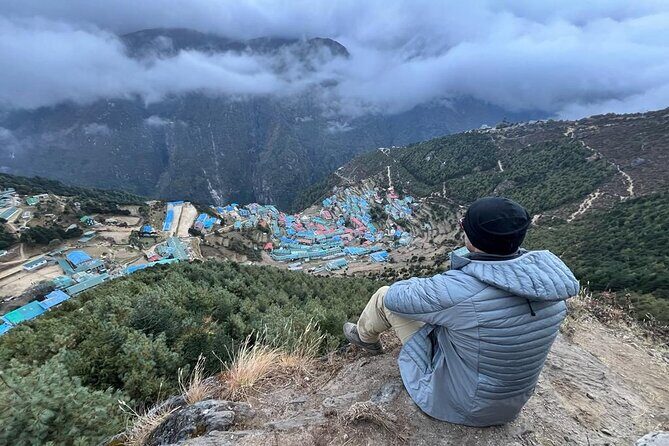
Walking along the Dudh Koshi River, the trail gradually climbs through lush pine forests and charming villages like Phakding and Benkar. These first days are manageable but set the stage for more strenuous days ahead. The highlight here is Namche Bazaar, a bustling hub with cozy lodges, cafes, and plenty of options to acclimate.
What stands out here is the balance between physical effort and cultural discovery. You can visit the Sherpa Culture Museum and learn about the region’s mountaineering history. The Hotel Everest View, accessible via a light hike, offers a spectacular panoramic of Everest and neighboring peaks—an essential stop for adventure and acclimatization.
The High-Altitude Transition: Tengboche and Dingboche
Crossing from Tengboche to Dingboche, you’ll see the famous Tengboche Monastery, the largest in the region, with its intricate murals and peaceful atmosphere. The monastery’s setting, against towering peaks, makes it a highlight.
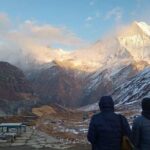
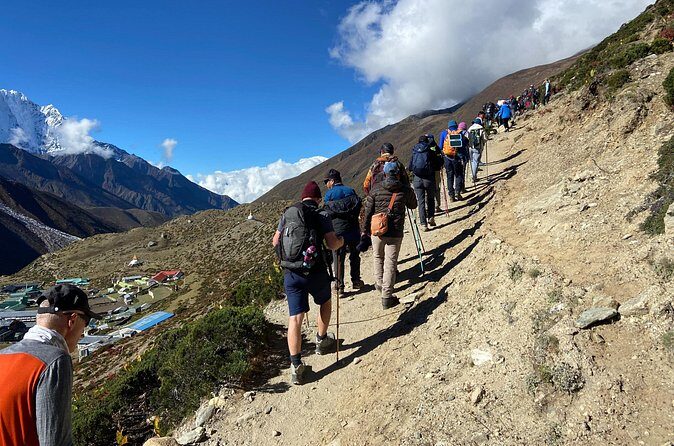
The following days involve gradually ascending to Chukhung and Dingboche, where the thinner air demands respect. Here, the scenery is jaw-dropping, with views of Ama Dablam and Lhotse dominating the skyline.
Challenging Passes and Glacier Crossings
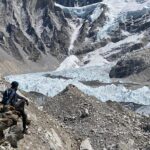
The real adventure begins in the days dedicated to crossing the three high passes. Starting with Chhukung Ri, the trail climbs steeply, offering vistas from 5,550 meters. The Kongma La Pass presents a steep, rocky challenge, but trekkers find a sense of achievement crossing it, with views of Khumbu Glacier below.
Later, you’ll traverse the Ngozumpa Glacier, Nepal’s longest, before reaching Gokyo, home to stunning turquoise lakes that invite reflection and rest. Climbing Gokyo Ri rewards you with an unforgettable panoramic of Everest, Lhotse, and Makalu.
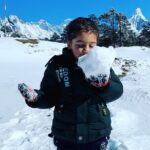
The Highlight: Everest Base Camp and Kala Patthar
No Everest trek is complete without visiting Base Camp. Early mornings reveal the mountain’s grandeur, though weather can sometimes obscure views. The nearby Kala Patthar offers perhaps the best overall perspective, with a sunset hike that’s worth the effort, providing a dramatic backdrop for photos.
Final Days: Descending Through Remote Valleys
The trek’s last stretch involves crossing the Renjo La and Lungden, with less crowded trails through traditional villages like Thame. The familiarity of the landscape combined with the sense of having completed a major challenge makes the return to Lukla and Kathmandu satisfying.
The Logistics and Comforts
The tour includes domestic flights from Kathmandu to Lukla, saving days of walking and providing a logistical boost. The guides are licensed professionals who keep safety paramount, especially during high-altitude crossings. The accommodations are primarily in teahouses, offering basic but cozy lodges with warm meals after long days.
The price, at $1,485 per person, covers most essentials—flights, permits, transfers, and guiding—making it a good-value package for such an extensive trek. However, meals during the trek are not included, so budget accordingly for food and personal expenses.
Why This Trek Is Worth It
This adventure isn’t just about reaching Everest; it’s about experiencing the authentic Sherpa culture, witnessing dramatic mountain vistas, and challenging yourself physically. The guides’ knowledgeable presence and the trek’s well-planned itinerary help mitigate the risks of high-altitude travel, but it’s still a serious undertaking—not suitable for casual hikers.
The inclusion of key highlights like Gokyo Lakes, Kala Patthar, and the high passes makes it a comprehensive Himalayan experience. Plus, the scenery is unmatched—expect jaw-dropping views, serene lakes, and glaciers that seem to go on forever.
Authentic Experiences and Local Culture
Many reviews highlight the warm hospitality of the Sherpa people and the chance to visit local monasteries and museums. The Sherpa Culture Museum in Namche and the monastery in Tengboche enrich your understanding of the region’s spiritual life.
Value and Practicality
While the trek covers a significant cost, it’s comprehensive—flights, permits, guides, and even a T-shirt, duffel bag, and trekking map are included. The logistical efficiency—such as the flight to Lukla—adds comfort and saves valuable time.
Who Will Love This Trek?
This route appeals mainly to experienced trekkers who want a true high-altitude challenge. If you’re comfortable with long days of walking and altitude adjustments, you’ll find this trek both rewarding and exhilarating. It’s perfect for those seeking adventure, cultural depth, and magnificent scenery all in one trip.
It’s less suited for travelers looking for a leisurely vacation, as the physical demands are significant. But if you want to push your limits and witness some of the world’s most iconic mountain views, this trek is a superb choice.
FAQ
Is this trek suitable for beginners?
No, it’s designed for experienced trekkers comfortable at high altitudes and with good physical fitness.
What is included in the price?
The package covers airport pickup and drop, flights Kathmandu-Lukla-Kathmandu, permits, licensed guides, lodging, rescue services, and a farewell dinner.
Are meals during the trek included?
No, meals during the trek are not included, so you should budget extra for food and drinks.
How long is the flight from Kathmandu to Lukla?
The flight lasts about 45 minutes and is quite an experience in itself.
What is the walking duration each day?
Most days involve 12-18 hours of walking, with some days more demanding due to passes and altitude.
What kind of accommodations are provided?
Primarily teahouses and lodges that offer basic but comfortable lodging with hearty meals after long days.
What if the weather is bad?
The tour operates in good weather conditions; if canceled due to poor weather, you will be offered a different date or a full refund.
Do I need special gear?
Yes, proper trekking gear, warm clothing, and altitude equipment are necessary, especially for high passes.
Can I cancel or reschedule?
Yes, cancellations are possible up to 6 days in advance for a full refund; later cancellations have penalties.
Everest Three Passes Trek 16 Days
Final Thoughts
The Everest Three Passes Trek offers an extraordinary blend of mountaineering adventure and cultural discovery. It’s a demanding route that demands respect but rewards with unrivaled views, authentic Sherpa encounters, and a profound sense of achievement. If you’re an experienced trekker craving a true Himalayan challenge, this journey delivers the kind of memories that last a lifetime.
It’s an investment in both effort and wonder—an opportunity to step outside your comfort zone and witness the raw beauty of Everest, from its glaciers to its towering peaks. The guides’ dedication, the cultural stops, and the stunning scenery make this trek stand out among Nepal’s many great routes.
This is for those who dream of conquering high passes, standing atop Gokyo Ri, or watching the sunset from Kala Patthar. For the right adventurer, this is a once-in-a-lifetime voyage into the heart of the Himalayas.