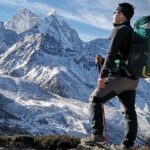
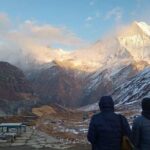
Travelers searching for an adventure that combines rugged natural beauty and cultural richness should consider the Mt. Kanchenjunga South to North Base Camp trek. This 22-day journey in eastern Nepal offers a chance to stand beneath the world’s third-highest peak, Kanchenjunga, while soaking in the peaceful solitude of less-trodden Himalayan trails.
Organised by Three Jewels Adventures, this trek is ideal for those with a genuine interest in remote landscapes, diverse cultures, and wildlife that includes elusive species like the Snow Leopard and Red Panda.
What makes this trek stand out? First, it’s the chance to explore an area that sees far fewer visitors than Everest or Annapurna, meaning you’ll likely enjoy quieter trails and a more authentic sense of wilderness. Second, the cultural insights are exceptional—you’ll pass through villages inhabited by Limbu and Sherpa communities, offering a glimpse into their traditions and daily life.
The one thing to consider? The trek involves significant altitude gains and rugged terrain, so a moderate level of fitness and some trekking experience are recommended. It’s not the kind of trip suited for absolute beginners or those looking for a quick, easy hike.
If you’re a traveler who craves adventure in remote settings, appreciates natural beauty, and enjoys cultural authenticity, this trek could be a perfect fit.
- Key Points
- A Closer Look at the Trekking Experience
- Days 1-3: The Commute and First Steps
- Days 4-10: Climbing Higher, Scenic Highlights
- Days 11-13: Approaching the Base Camp
- Days 14-17: North Side & Lhonak
- Days 18-21: The Return Journey
- Day 22: Back to Kathmandu
- What Sets This Trek Apart?
- Pricing & Value
- Why is it worth it?
- Who Should Consider This Trek?
- Frequently Asked Questions
- Final Thoughts
- More Hiking & Trekking Tours in Kathmandu
- More Tour Reviews in Kathmandu
Key Points
 1 / 5
 2 / 5
 3 / 5
 4 / 5
 5 / 5
- Less Crowded Trails: You’ll explore one of the Himalayas’ quieter regions, avoiding the crowds common on more popular routes.
- Cultural Encounters: Interact with Limbu and Sherpa communities, gaining insight into local traditions.
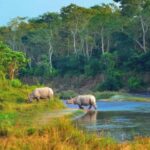
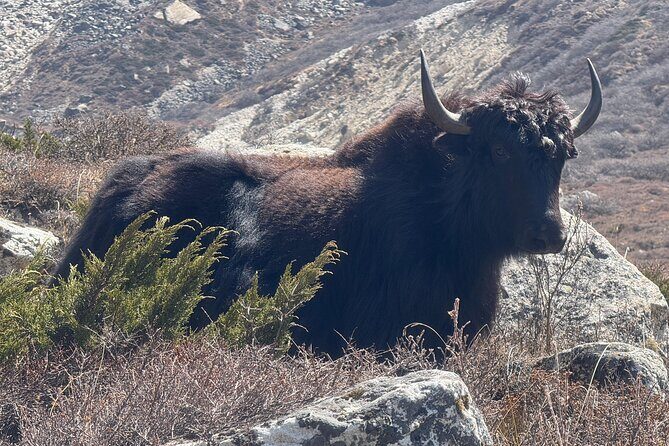
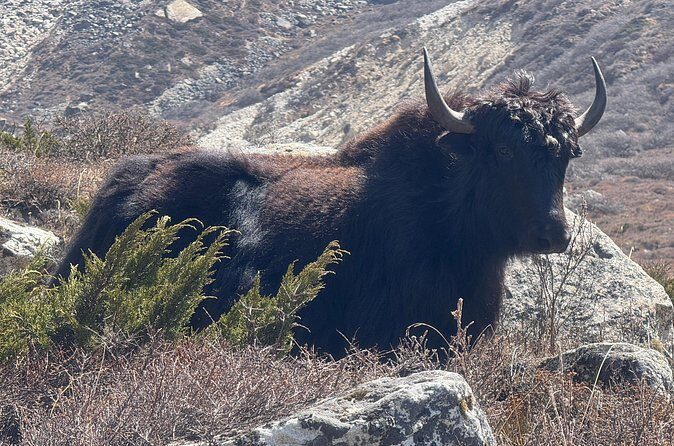
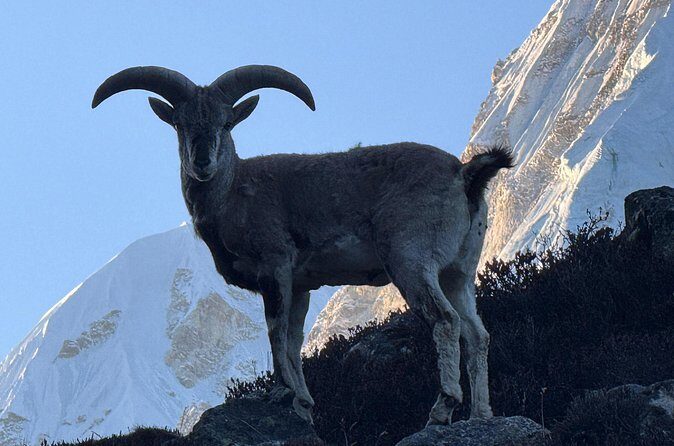
- Wildlife & Biodiversity: The Kanchenjunga Conservation Area hosts rare species like Snow Leopards and Red Pandas.
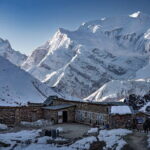
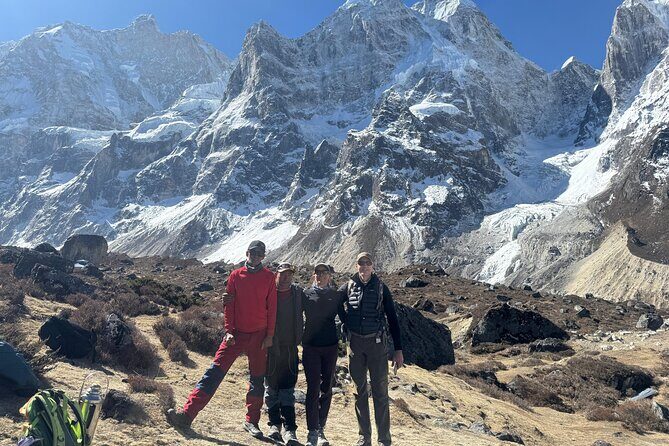
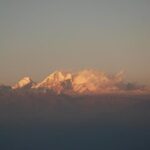
- Stunning Mountain Views: Up close with Kanchenjunga, the world’s third-highest peak, and expansive vistas from high passes.
- Customizable Itinerary: The plan can be tailored to suit your interests or pace, making it flexible for different travelers.
- Ideal for Experienced Trekkers: Moderate fitness is required, given the altitude and rugged terrain.
A Closer Look at the Trekking Experience
Embarking on the Mt. Kanchenjunga trek begins in Kathmandu, where you’re welcomed by your guide and briefed on the adventure ahead. From there, the journey quickly shifts to the remote eastern Himalayas. The flight to Bhadrapur and subsequent jeep drive to Suketar sets the tone—expect a combination of scenic flying and bumpy, exhilarating drives through lush hillsides and small villages.
You can also read our reviews of more hiking tours in Kathmandu
Days 1-3: The Commute and First Steps
The initial days are about adjusting to the altitude and culture. Trekking from Suketar into typical mid-hill villages, you’ll walk through terraced farms and traditional settlements. The journey takes you through lush landscapes, giving you your first taste of the local rural life. The first days are gentle, helping acclimatize before ascending higher.
Days 4-10: Climbing Higher, Scenic Highlights
The trail gains altitude steadily. Highlights include trekking to Kade Banjyang at 2,130 meters, then to Phumphe Danda at 1,858 meters, where views of the surrounding hills promise to impress. The trail continues through villages inhabited by Kirant communities and Sherpa settlements, each with its own distinct culture.
Reaching Tseram at 3,870 meters is a major milestone. Here, you get a chance to relax and explore the high-altitude environment, which prepares you for the more demanding days ahead. The views of Kanchenjunga become more prominent as you ascend, and the landscape transitions to more rugged terrain.
Days 11-13: Approaching the Base Camp
As you approach the Kanchenjunga south base camp, the scenery becomes more spectacular—glaciers, high passes, and vast mountain panoramas. Trekking to Oktang Viewpoint provides one of the most breathtaking vistas of the mountain. Crossing Sele La at 4,290 meters transports you along a historic trading route, echoing centuries of Himalayan commerce.
Days 14-17: North Side & Lhonak
The trail then leads into Ghunsa, a charming village that acts as a gateway to the northern side of Kanchenjunga. From there, you trek up to Lhonak, near the north base camp, establishing a close view of the mountain’s glacial northern face. Exploring the north base camp gives a real sense of being in the heart of this remote wilderness, and the guides’ deep knowledge enhances the experience—“they took care of all the details,” as one reviewer noted.
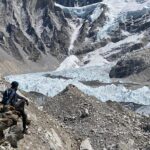
Days 18-21: The Return Journey
After the north base camp exploration, you retrace your steps southward, passing through villages like Gyabla and Amjilosa, allowing you to absorb more local culture and enjoy the peaceful mountain atmosphere. The descent is gentle but long, emphasizing the importance of good physical condition and patience.
Day 22: Back to Kathmandu
The trek concludes with a jeep ride to the roadhead and a flight back to Kathmandu, closing this true Himalayan adventure. The logistical parts—flights, jeeps, and organized transfers—are smooth, adding to the value of the overall experience.
What Sets This Trek Apart?
Natural Beauty & Wildlife: The Kanchenjunga Conservation Area is designated for its biodiversity, and you may spot rare animals like Red Pandas or Snow Leopards. Birdlife is abundant, with many species inhabiting the forests and high-altitude zones, making every day of trekking a wildlife safari.
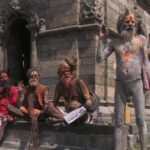
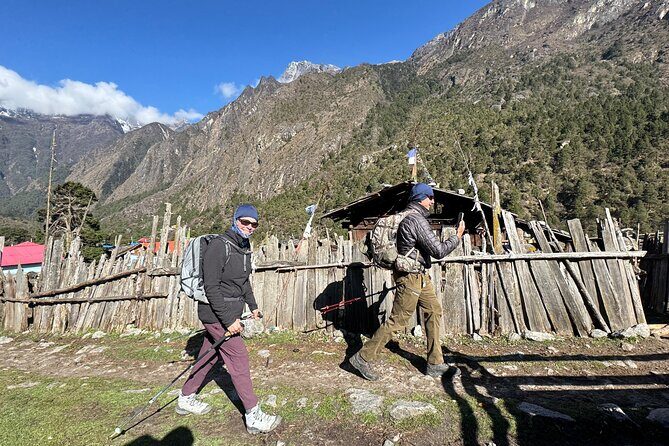
Cultural Encounters: Passing through Limbu and Sherpa villages, you’ll see traditional homes, participate in local customs, and learn about their ways of life. The guides are praised for their knowledge and ability to share local stories, making the cultural aspect memorable.
Remote and Peaceful: Unlike the heavily trafficked Everest or Annapurna routes, this trek offers solitude, spectacular vistas, and a genuine wilderness experience—ideal for travelers seeking authenticity and quiet.
Flexible Itinerary: The route is designed with options to customize. Whether you want more time at high passes or wish to explore additional villages, the plan can be adjusted to suit your pace and preferences.
Pricing & Value
At $2,525 per person, this trek might seem steep at first glance. But consider what’s included: private transportation, dinners, local guides, permits, and the logistics of reaching some of the Himalayas’ most remote areas. The value lies in the comprehensive organization, experienced guides, and the unique opportunity to explore a less-visited part of Nepal without the stress of planning every detail yourself.
Why is it worth it?
You’re paying for a well-structured journey that takes you into the heart of one of the Himalayas’ most secluded regions, with guides who are familiar with the terrain, wildlife, and local cultures. The experience of crossing high passes, reaching base camps, and witnessing mountain panoramas that few travelers see firsthand is priceless.
Who Should Consider This Trek?
This adventure suits experienced trekkers with a moderate fitness level, comfortable with high altitudes and rugged trails. It’s perfect for those craving serenity, cultural authenticity, and an off-the-beaten-path Himalaya experience. If you’re looking for a challenge that rewards patience and endurance with some of the most stunning mountain views and local culture, this trip will satisfy.
Frequently Asked Questions
Is the trek suitable for beginners?
Not quite. The trek involves high altitude and rugged terrain, so moderate physical fitness and some previous trekking experience are recommended.
What is included in the price?
You’ll receive private transportation, dinners, permits, and the services of experienced guides. Flights from Kathmandu and internal Nepal flights are not included.
Can the itinerary be customized?
Yes, the route is flexible and can be tailored to your interests or pace, according to the provider.
How difficult is the trek?
It involves significant altitude gains and some steep sections, so it’s best suited for travelers with trekking experience and good fitness levels.
Are there chances to see wildlife?
Yes, the conservation area is home to rare species like Snow Leopards and Red Pandas, along with abundant birdlife.
What kind of climate should I expect?
Expect a range from lush lower valleys to high-altitude cold and wind at passes and base camps, especially above 3,800 meters.
Is there a support vehicle or porter service?
While the main logistics are well-organized, you should be prepared for some days of carrying your gear, as the focus is on authentic trekking.
How do I get back to Kathmandu?
After completing the trek, you’ll descend to the roadhead and take a jeep ride to the airport in Bhadrapur, then fly back to Kathmandu.
Mt. Kanchenjunga South to North Base Camp Trekking
Final Thoughts
This trek offers a rare chance to experience the quiet majesty of the Himalayas while enjoying the local cultures of Nepal’s eastern regions. With expert guides, a well-organized itinerary, and the allure of exploring one of the Himalaya’s lesser-visited areas, it’s a compelling choice for serious trekkers. The scenery—mountains, glaciers, high passes—delivers a visual feast, and the cultural encounters deepen the journey into Nepal’s diverse tapestry.
While it demands effort and preparation, the rewards of crossing high passes, reaching remote base camps, and observing Himalayan wildlife make it an adventure worth considering. If you’re ready for a challenge that combines natural beauty, cultural authenticity, and solitude, this trek is a memorable way to experience the true spirit of Nepal’s Himalayas.
Remember: Good planning, physical preparation, and a sense of adventure are your best friends on this journey. With the right mindset, you’ll find yourself rewarded with stories and views that stay with you long after you leave the mountains.