Imagine spending a tranquil half-hour designing your own miniature Zen garden, then sipping fragrant matcha and nibbling on seasonal wagashi—all surrounded by the charm of a Kyoto pottery shop. This experience offers a gentle taste of Japanese craftsmanship and Zen philosophy.
While it’s not a large-scale workshop or a deeply immersive cultural tour, it provides a lovely, laid-back introduction to some core elements of Kyoto’s aesthetic and culinary traditions.
What makes this experience worth considering? First, the opportunity to create your own small Zen garden—a rare, hands-on activity that even beginners can enjoy without stress. Second, the tasting of authentic matcha from Ippodo, a renowned Kyoto tea company, paired with seasonal Japanese sweets. Combining these with the chance to browse and buy handmade pottery makes it a well-rounded, culturally rich mini-adventure.
However, one possible drawback is that some visitors feel the execution could be more polished. As one reviewer pointed out, “Theoretically a good idea, but executed poorly,” with some parts feeling a bit awkward or disconnected. For travelers who love authentic, relaxed, DIY experiences and are willing to overlook some imperfections, this tour can be a delightful addition to a Kyoto itinerary.
This activity is best suited for those interested in a gentle, creative, and tasty introduction to Kyoto’s cultural offerings. It’s ideal for travelers looking for something different from the usual temple visits—something interactive, memorable, and beautifully Kyoto.
- Key Points
- An In-Depth Look at the Experience
- The Location and Meeting Point
- The Zen Garden Making Activity
- Matcha Tasting and Japanese Sweets
- Handmade Pottery and Souvenirs
- The Culture and Atmosphere
- Group Size, Duration, and Practicalities
- What Do the Reviews Tell Us?
- Who Would Enjoy This Tour?
- Who Might Find It Less Appealing?
- Final Tip
- More Food & Drink Experiences in Kyoto
- More Tour Reviews in Kyoto
Key Points
 1 / 4
 2 / 4
 3 / 4
 4 / 4
- Hands-on Zen garden: Create your own sand patterns in a small garden designed to evoke the traditional Zen style.
- Matcha tasting: Enjoy high-quality matcha from Ippodo, paired with seasonal wagashi.
- Pottery shopping: Browse and purchase beautiful handmade Kyoto pottery, dishwasher and microwave safe.
- Relaxed, inclusive activity: Suitable for all ages and physical abilities, with no hard movements involved.
- Small group size: Max of 8 travelers, allowing for personalized attention.
- Cultural highlights: Experience a blend of Japanese craftsmanship, Zen philosophy, and culinary tradition.
An In-Depth Look at the Experience
You can also read our reviews of more food & drink experiences in Kyoto

The Location and Meeting Point
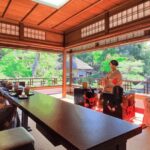
The tour begins at Ninshu, a charming vessel shop and matcha café located at 18-1 Fujikich, Nakagyo Ward. This central spot is accessible via public transportation, making it convenient for most visitors staying in Kyoto. The store’s setting hints at the artisan spirit of Kyoto—calm, inviting, and rooted in tradition.
The Zen Garden Making Activity
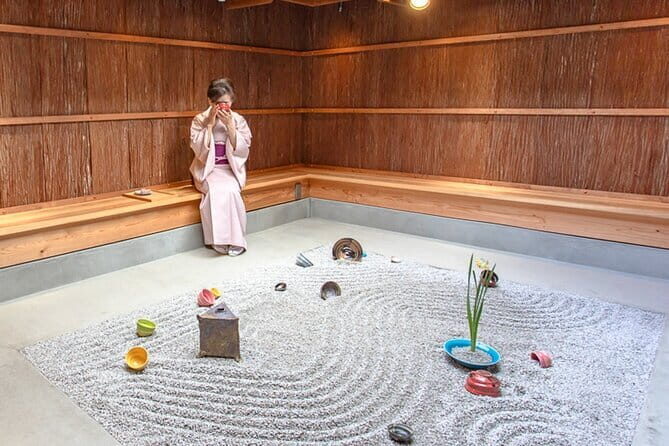
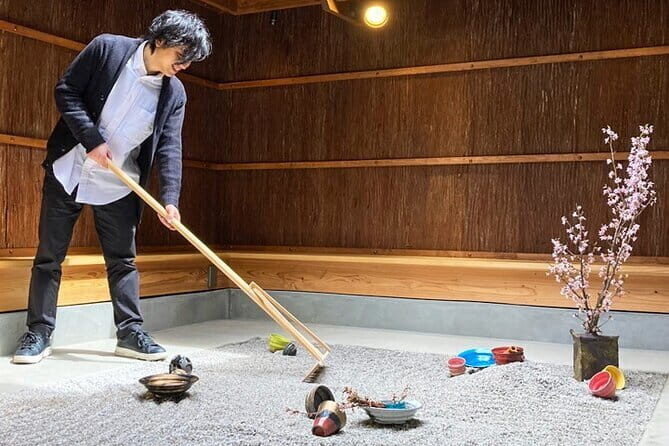
For many, the highlight of this experience is designing their own miniature Zen garden. In Kyoto, Zen gardens are usually associated with temples and are meant to inspire meditation and reflection. Here, you get to craft your personal version using sand and small vessels to add color. It’s a gentle, tactile activity that requires no physical exertion—perfect for children, elders, or anyone wanting a peaceful break from sightseeing.
According to one reviewer, “Making a Zen garden was a fun and peaceful way to spend the afternoon,” which captures the atmosphere well. You might find that the process is more about mindfulness than perfection, making it calming rather than competitive.
Matcha Tasting and Japanese Sweets
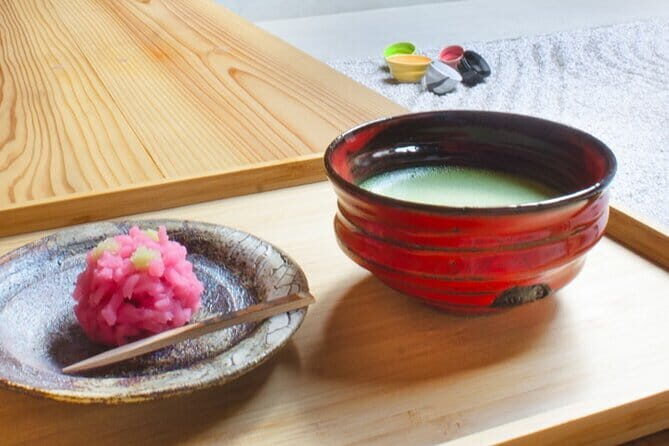
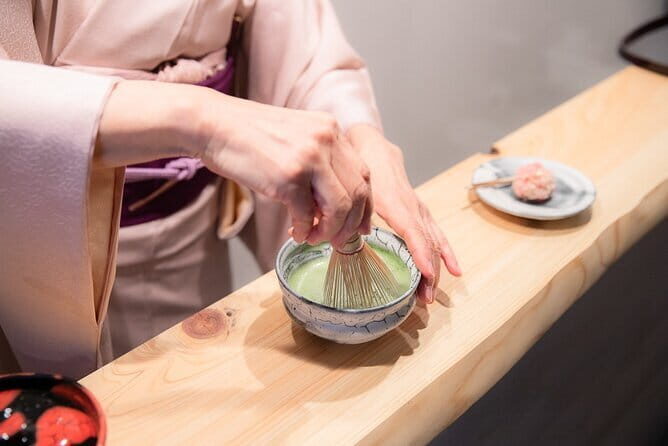
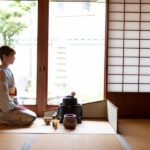
Following the garden creation, you’ll enjoy matcha from Ippodo, a Kyoto-based tea company renowned for its quality and tradition. The matcha is served in front of your garden setup, and you can take photos of yourself enjoying it, creating a wonderful souvenir of your culture.
Accompanying the tea are seasonal wagashi, delicate Japanese sweets from Senbon Tamajushuken. These sweets often contain ingredients like wheat, egg, or yams, but the staff is willing to provide allergen-free options if informed beforehand. As one reviewer noted, “The snack provided was good and the matcha was good, but it was made in another room,” which indicates some separation in the serving process but still a genuine tasting experience.
Handmade Pottery and Souvenirs
After sampling the tea and sweets, you’re encouraged to browse the store’s selection of handmade pottery. These pieces are not only beautiful but practical—they’re dishwasher and microwave safe, making them popular souvenirs for international visitors. Purchasing a piece of Kyoto craftsmanship provides a tangible memory of your experience, and many find these items make thoughtful gifts.


The Culture and Atmosphere
Beyond the activities, part of the appeal is the chance to experience a slice of Kyoto’s traditional craftsmanship outside the big temples. The nearby Kyoto Machiya, a traditional townhouse over 100 years old, sets a historic tone for the visit, though the tour primarily focuses on the pottery shop and its offerings.
Group Size, Duration, and Practicalities
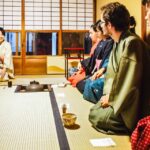
With a maximum of eight travelers, the tour maintains an intimate feel that allows for some personal interaction. The activity lasts approximately 30 minutes, making it easy to slot into a busy sightseeing schedule. The price of $14.12 per person is quite reasonable for such a hands-on cultural experience, especially considering the included tasting and the potential for buying souvenirs.
What Do the Reviews Tell Us?
While one review criticizes the execution as “poorly done,” citing awkwardness and a disconnect, another reviewer calls it “an excellent and unique experience,” highlighting the enjoyment of making a Zen garden and the delicious matcha. This contrast suggests that while the concept is strong, some aspects of the delivery could improve—perhaps more guidance or a smoother process.
In terms of value, many travelers will find that the combination of creative activity, tasting, and shopping offers a fulfilling slice of Kyoto culture for a modest price. It’s especially well-suited for those seeking an authentic, relaxed activity that’s not overly strenuous or time-consuming.
Who Would Enjoy This Tour?
- Travelers interested in hands-on cultural experiences, such as making a Zen garden or tasting traditional tea.
- Families or groups with children, given the easy, no-hard-movements activity.
- Art and craft lovers who want to browse and purchase Kyoto-made pottery.
- Visitors looking for a peaceful, reflective activity that offers a break from temple-hopping.
- Those wanting a souvenir of Kyoto that’s both practical and beautiful.
Zen Garden Making and Matcha Tasting in Handmade Pottery Shop
Who Might Find It Less Appealing?
- Travelers seeking a more polished or professionally guided experience might notice some rough edges.
- Those with strict time constraints or looking for a longer, more immersive cultural tour.
- Visitors with allergies to common Japanese sweets—though allergen-free options may be available with prior notice.
For a modest fee, this tour offers a quiet, creative glimpse into Kyoto’s cultural fabric. The chance to design a Zen garden provides a calming activity that suits all ages, while the matcha tasting immerses you in Kyoto’s revered tea tradition. Shopping for handmade pottery adds a tangible souvenir—something that can remind you of your peaceful moment in Kyoto long after you’ve left.
While the experience’s execution isn’t perfect, the core idea remains charming and authentic. It’s best suited for those who appreciate gentle cultural activities and want a memorable, photo-worthy moment of Kyoto life. If you enjoy tactile, DIY experiences combined with delicious tea and local craftsmanship, this activity can complement your trip beautifully.
Final Tip
Plan this activity as a relaxing midday break or a quiet morning activity—it’s short enough to fit between temple visits or shopping walks. Be sure to confirm allergen details if you have dietary restrictions, and arrive with an open mind ready to enjoy some creative peace in the heart of Kyoto.
Is this experience suitable for children? Yes, since there are no hard movements involved, children of all ages can enjoy creating their own Zen garden.
How long does the activity last? Approximately 30 minutes, making it easy to add into a day of sightseeing.
Where does the tour start and end? It begins and ends at Ninshu vessel shop & matcha café at 18-1 Fujikich, Nakagyo Ward.
Can I purchase souvenirs during the experience? Yes, the shop offers handmade pottery that you can browse and buy as a keepsake.
Is the matcha authentic? Yes, it comes from Ippodo, a well-known Kyoto tea company with a long tradition.
Are there any dietary considerations? Some sweets may contain wheat, egg, or yams, but allergen-free options can be requested with advance notice.
What’s the group size? The maximum is 8 travelers, ensuring a more intimate experience.
Do I need to bring anything? No special equipment is needed—just your curiosity and perhaps a camera for photos.
Is this activity accessible? The description suggests it’s suitable for most people, including the elderly and children, given the gentle nature of the activities.
What should I wear? Casual attire is fine; no special clothing needed since there’s no physical exertion involved.