- Exploring Japan’s Hidden Past: A Closer Look at the Private 2-Day Tour in Asuka Village
- Key Points
- A Deep Dive Into the Itinerary: What You Can Expect
- Day 1: Unveiling the Ancient Secrets of Asuka
- Day 2: Exploring the Living Heritage of Asuka
- How the Experience Adds Value
- What Past Travelers Say
- Practical Tips for Making the Most of Your Tour
- Who Should Consider This Tour?
- Final Thoughts
- FAQ
- More Private Tours in Nara Prefecture
- More Tours in Nara Prefecture
- More Tour Reviews in Nara Prefecture
Exploring Japan’s Hidden Past: A Closer Look at the Private 2-Day Tour in Asuka Village
 1 / 7
1 / 7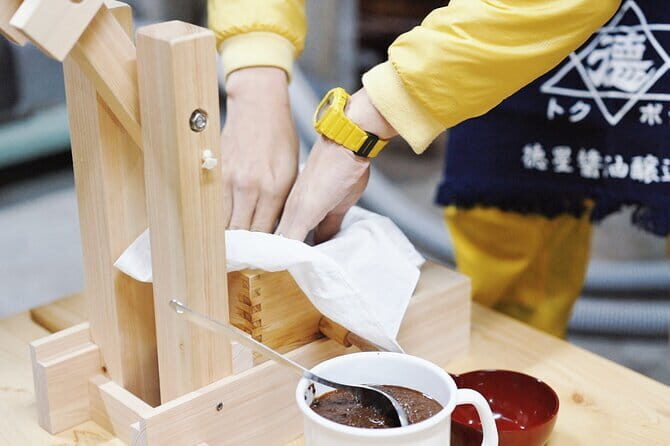 2 / 7
2 / 7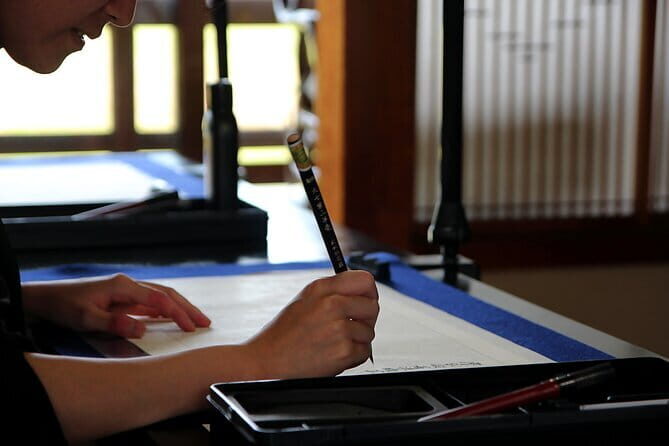 3 / 7
3 / 7 4 / 7
4 / 7 5 / 7
5 / 7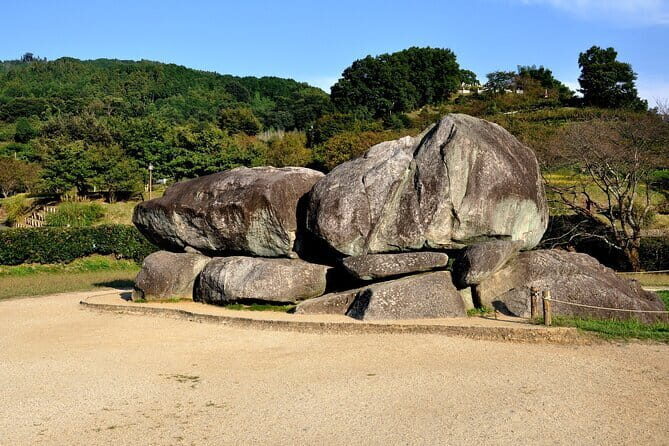 6 / 7
6 / 7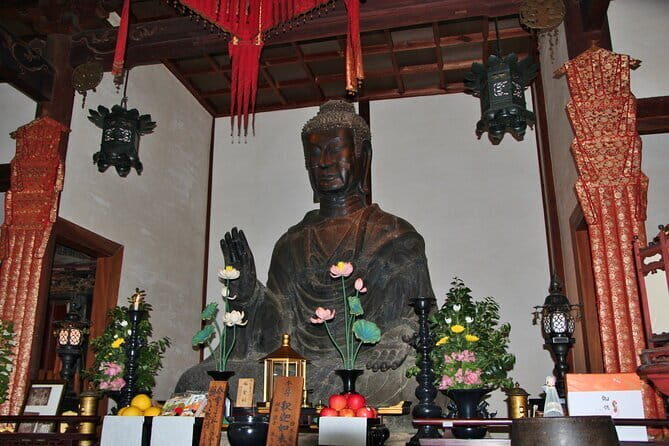 7 / 7
7 / 7If you’re seeking a journey that slices through the noise of Japan’s bustling cities like Nara, Kyoto, or Osaka, this private 2-day tour in Asuka Village promises a thoughtful escape into Japan’s quieter, more ancient roots. Designed for those who love history, culture, and a touch of rural tranquility, this tour offers a well-balanced mix of sightseeing, hands-on experiences, and scenic moments.
What makes this tour particularly appealing? First, the expert guidance helps you truly understand the significance of each site. Second, the authentic cultural activities—like soy sauce brewing and sutra copying—bring history to life in a way that’s both educational and memorable. On the downside, the price point of nearly $1,000 per person might seem steep for some travelers, especially since meals are not included. Still, for those interested in authentic, thoughtfully curated experiences, this tour offers impressive value.
This tour is ideal for curious travelers who enjoy learning about Japan’s early history and culture, and who appreciate the chance to stay in a traditional yet comfortable setting. If you prefer guided, all-inclusive experiences that respect local traditions without the crowds, this journey into Asuka is worth considering.
Key Points
- Authentic cultural experiences like soy sauce squeezing, sutra copying, and plant dyeing.
- In-depth historical sites including ancient kofun and temples with cultural significance.
- Comfortable and traditional accommodation in a 150-year-old folk house with modern amenities.
- Knowledgeable guides who bring the area’s history and culture to life.
- Stunning scenery of rural Asuka with rice terraces and pastoral landscapes.
- Efficient transportation combining e-bikes and local buses, making the most of your time.
You can also read our reviews of more private tours in Nara Prefecture

A Deep Dive Into the Itinerary: What You Can Expect
Day 1: Unveiling the Ancient Secrets of Asuka
Ishibutai Tomb: The tour kicks off at this impressive Kofun (ancient burial mound), dating back to the 6th century. Imagine a structure built from thirty massive stones weighing approximately 2,300 tons, all assembled without modern machinery. We loved how our guide explained that it likely belonged to a powerful clan leader, giving us a tangible link to Japan’s early political landscape. Visiting this site, you’ll get a real sense of how early Japanese rulers expressed their power through monumental tombs.
Tokuhoshi Soy Sauce Brewery: Next, we visit a family-run soy sauce brewery that has been perfecting its craft for over a century. The wooden barrels (kioke) evoke a bygone era of traditional brewing. The highlight? The soy sauce squeezing experience, which makes you appreciate just how much effort goes into that umami-rich condiment. Tasting their soy sauce in the setting of the brewery is a simple pleasure—an authentic taste of local craftsmanship.
Kawaharadera Temple & Sutra Copy: Continuing with spiritual and cultural insights, you’ll try shakyo (sutra copying) at Kawaharadera Temple, a practice believed to boost inspiration and clarity. The gentle breeze, the quiet concentration—these moments are surprisingly meditative. Afterwards, you can enjoy matcha green tea and Japanese confections, savoring the peaceful atmosphere.
Asuka-dera Temple: The day wraps up at one of Japan’s oldest Buddhist temples, famous for its Great Buddha statue. Although smaller than some temples, its historical value is immense, and it offers a peaceful setting to reflect on the day’s discoveries.
Day 2: Exploring the Living Heritage of Asuka
Plant Dyeing (Kusaki-zome): This hands-on activity takes you into the ancient art of plant-based fabric dyeing, using local flora like madder and plum. We loved how the guide explained that these plants are mentioned in the oldest poetry collection, the Manyoshu. Choosing your own design and color, you get a tangible souvenir—your own hand-dyed handkerchief—that’s both beautiful and meaningful.
Kengoshizuka Kofun: The octagonal kofun is a rare shape, and the fact that this is the only reconstructed example in Japan makes it especially noteworthy. As you walk around, it’s easy to imagine how these structures signified royal or imperial status in ancient times.
Kitora Tomb & Shijin no Yakata: This smaller, round burial mound is famed for its vivid mural paintings, which are so well-preserved they’ve been designated as a National Treasure. The museum-like setting helps you appreciate the artistry and symbolic power of these ancient murals.
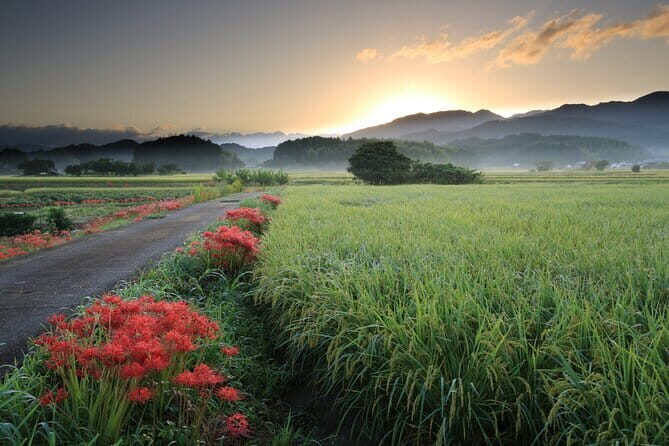
Inabuchi Rice Terraces & Local Farm Visit: To round out your experience, you’ll visit the Inabuchi rice terraces, built on slopes and regarded as one of Japan’s top 100 terraced rice paddies. The changing seasons offer different scenic vistas—whether lush green in spring or golden in harvest time. Plus, a visit to a local farm introduces you to how residents of Satoyama (mountain villages) live sustainably, which adds a meaningful layer to your understanding of rural Japan.
How the Experience Adds Value
The cost of $970.53 per person reflects a comprehensive, private tour that covers transport, expert guiding, all the cultural activities, and a charming stay in a traditional house. While meals are not included, the itinerary’s variety ensures you’re not just sightseeing but engaging directly with local traditions. The use of e-bicycles and local buses keeps things flexible and eco-friendly, allowing you to enjoy the scenic landscape at a comfortable pace.
Guides are praised for their knowledge and friendliness, making complex historical and cultural topics accessible. The inclusion of hands-on activities means you’re not just looking at history but feeling it—dyeing cloth, squeezing soy sauce, copying sutras—these experiences foster a genuine connection with Japan’s past.
What Past Travelers Say
Reviewers have expressed appreciation for the expert guides and the stunning vistas. One noted, “The guide’s explanations made the ancient kofun and murals so much more meaningful.” Others appreciated the authenticity of the workshops, saying, “I loved making my own hand-dyed fabric and tasting soy sauce from a family brewery.”
Practical Tips for Making the Most of Your Tour
- Arrive early at Asuka Station to avoid missing the 9:00 am start.
- Wear comfortable shoes—there’s a fair bit of walking, some on uneven terrain.
- Bring a small notebook or camera—many sites have photogenic details worth capturing.
- Since meals aren’t included, consider packing snacks or planning to dine in local cafes after activities.
- Keep an eye on the weather; outdoor activities like rice terrace visits are best on sunny days.
- Confirm your accommodation early, as BRANCHERA VILLA ASUKA offers a traditional experience with modern comforts, but availability can vary.
Who Should Consider This Tour?
This journey suits travelers who love history, culture, and rural landscapes. If you’re interested in Japan’s early political and spiritual history, the tour’s stops provide a deep dive into the era of kofun and ancient temples. It’s also perfect for those who enjoy interactive experiences—dyeing fabrics, copying sutras, squeezing soy sauce—adding tactile memories to your trip.
Because it’s a private tour, it works well for couples, families, or small groups wanting a personalized experience. While the price is on the higher side, the value comes from the depth of cultural engagement, comfortable accommodations, and expert guidance, making it well worth the expense for those genuinely interested.
Final Thoughts
This private 2-day tour in Asuka Village offers a combination of authentic historical sites, lively cultural activities, and scenic countryside, all guided by knowledgeable locals. It’s a rare chance to step back into Japan’s earliest days while enjoying modern comforts and a peaceful rural setting.
If your idea of travel involves learning about Japan’s ancient kings, spiritual practices, and traditional crafts, then this is a superb choice. It’s especially suited for travelers who prefer a curated, intimate experience without sacrificing depth or authenticity.
Whether you’re a history buff, a culture enthusiast, or simply someone looking for a quiet retreat into Japan’s past, this tour provides a rewarding and memorable journey into the heart of Japan’s original capital.
Private 2 Days Tour in Asuka Village Hidden Gems of Nara
FAQ
What is the duration of the tour?
The tour lasts approximately 2 days, with a full schedule of activities each day from around 9:00 am until the evening.
How many people are in a group?
This is a private tour, so only your group will participate, ensuring a personalized experience.
What kind of transportation is used?
The tour includes use of e-bicycles and local buses, making it easy to navigate the rural landscape comfortably.
Is accommodation included?
Yes, you will stay in BRANCHERA VILLA ASUKA, a traditional folk house with modern amenities, subject to availability.
Are meals included?
No, meals are not included, except for the matcha tea and confectionery during the sutra copying experience. Travelers should plan accordingly.
Can I participate in all activities if I have limited mobility?
Most activities involve walking or standing, but it’s best to check with the provider if you have specific mobility concerns.
What is the best time of year to take this tour?
The scenic rice terraces and rural scenery change with the seasons, making spring, summer, and autumn particularly beautiful.
Is this tour suitable for children?
Yes, children who enjoy cultural activities and walking will find this tour engaging, though adult supervision is recommended.
What should I bring?
Comfortable shoes, weather-appropriate clothing, camera, and perhaps a small notebook for notes or sketches.
How do I book the tour?
Booking can be done via the provider’s website or through the linked Viator page, with confirmation within 48 hours.
This detailed, culturally immersive tour offers a chance to see Japan’s ancient roots firsthand, away from the crowds. It’s a well-crafted balance of history, culture, and scenic beauty, perfect for travelers eager to understand Japan’s origins with all senses.