If you’re interested in understanding what makes Japanese food uniquely Japanese—and want to do more than just eat your way through Japan—this 3-day tour in Niigata might just be your perfect match. While we haven’t participated personally, the detailed itinerary and reviews suggest a journey that goes beyond the typical tourist experience, offering a genuine peek into the very essence of Japan’s culinary roots.
Expect to stay in a traditional farmhouse, learn from local farmers, and taste the fruits of their labor in some unforgettable ways.
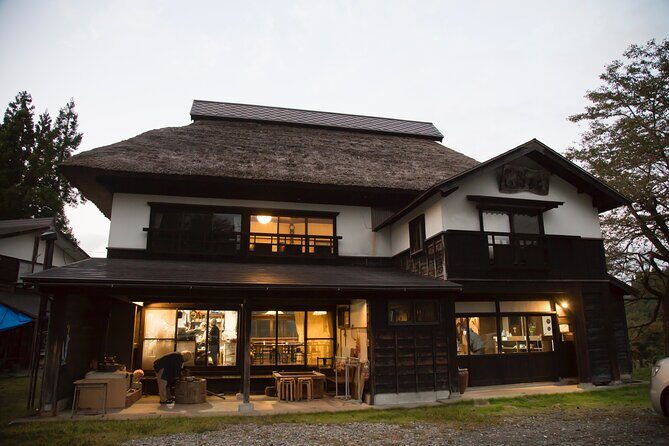
Two aspects that really appeal to us are the chance to stay overnight in a historic thatched-roof house—a rare window into traditional Japanese living—and the focus on seasonal agricultural activities, which promise a hands-on connection to rice cultivation. Plus, visiting the award-winning sake brewery and engaging in activities like Futomaki Sushi making add a fun, interactive element.
One possible consideration? The tour is designed for travelers with a good level of physical fitness, as some activities involve walking, farm work, or exploring large properties.
All in all, this tour seems ideal for foodies, culture lovers, and those eager to experience Japan beyond its cities. If you’re looking for an immersive, authentic look at Japan’s rice origins—paired with warm local interactions—this could be a memorable trip.
Key Points
 1 / 5
1 / 5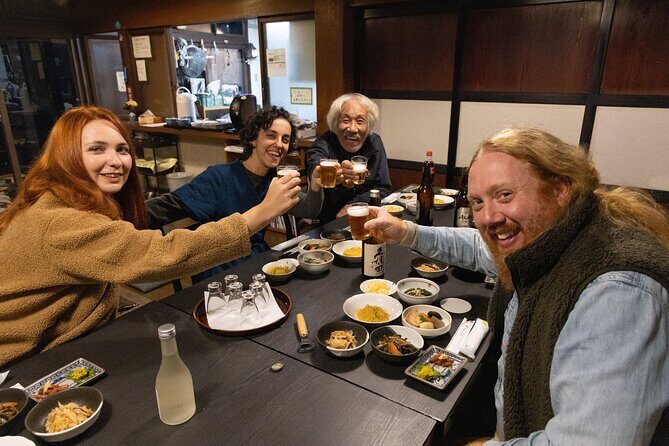 2 / 5
2 / 5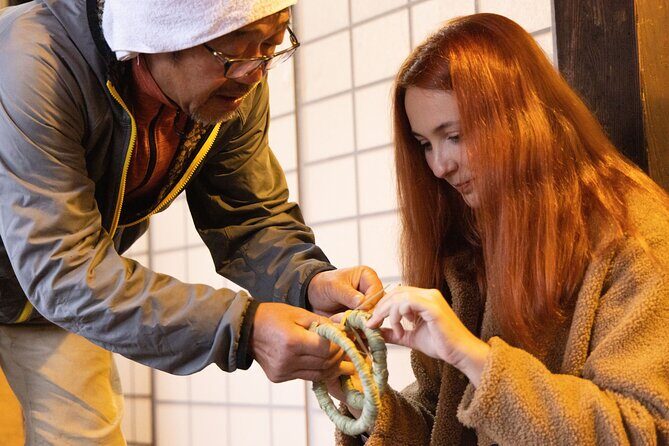 3 / 5
3 / 5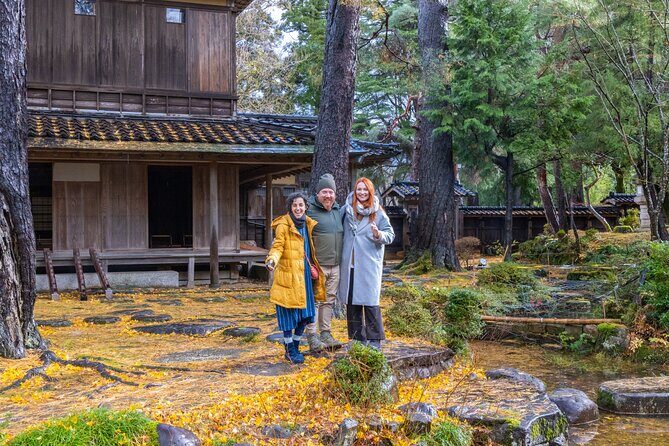 4 / 5
4 / 5 5 / 5
5 / 5- Authentic rural experience in a preserved thatched farmhouse with traditional cooking methods
- Deep insights into rice cultivation from veteran local farmers, providing context you won’t find in guidebooks
- Visit to a historic residence where Emperor Showa once stayed, offering a glimpse into Japan’s aristocratic past
- Sake brewery tour and tasting in Kashiwazaki, highlighting Niigata’s reputation as a top sake producer
- Hands-on cultural activities, including Futomaki Sushi making and seasonal agricultural tasks
- Exclusive dinner featuring a full-course rice-based meal, crafted specially for this tour
- Small group size (max 15 travelers) ensures personalized attention and genuine interaction
- Full itinerary covered in 3 days—a compact but comprehensive immersion into Japan’s rice culture
The Experience: A Journey into Japan’s Rice Heartland
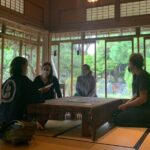
The tour begins in Kashiwazaki, a city celebrated for its agricultural heritage, particularly rice. The first night’s stay in an old minka with a kayabuki roof offers a rare chance to rest in a building that’s a true piece of Japan’s architectural past. The atmosphere is warm, rustic, and inviting—like stepping into a living museum. We’re told that the farmhouse is lovingly maintained by the local community, which adds a layer of authenticity and pride.
During the evening, you’ll witness traditional rice cooking in a kamado, a classic Japanese cooking stove. This experience isn’t just about watching; it’s about learning how rice was historically prepared, adding a sensory layer to your understanding of Japanese cuisine. The aroma of steaming rice and the flicker of flames evoke a nostalgic connection to Japan’s rural past, which many visitors find deeply touching.
The next day starts with a visit to Izuka Residence, a grand estate once home to wealthy farmers who significantly contributed to Niigata’s status as a top rice-producing region. You’ll explore a traditional Japanese garden and the stately mansion, guided by a local expert who shares stories about landowners and their role in shaping the local economy. Interestingly, this residence hosted none other than Emperor Showa during his visit—adding a dash of imperial history to your rural immersion.
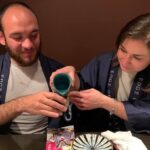
Later, the tour takes you to Hara Brewery, a standout among Kashiwazaki’s sake producers. Niigata’s reputation as Japan’s sake capital means you’ll likely find your taste buds delighted by the variety of brews. The brewery tour explains the meticulous process involved in sake-making, from rice polishing to fermenting, and includes tastings and shopping at the end. This part of the tour offers both education and an opportunity to bring home some bottles—perfect souvenirs for sake lovers.
In the evening, the tour culminates with a full-course rice dinner crafted specifically for this journey. The dish highlights the versatility and cultural importance of rice, from simple steamed grains to complex, seasonally inspired creations. This meal is an experience in itself, emphasizing the central role rice plays in Japanese cuisine.
The final day winds down at Nagaoka Station, where you’ll have time for some souvenir shopping before saying farewell. The small group size ensures you get a more personal experience, making it easier to ask questions and share impressions.
You can also read our reviews of more food & drink experiences in Niigata Prefecture


What Makes This Tour Stand Out?
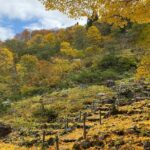
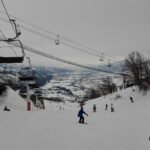
The real value lies in the lively interactions with local farmers and artisans—something that goes far beyond reading about rice in a book. The chance to see, smell, and taste rice, sake, and traditional dishes in their native context creates a memorable sensory experience. The stunning views of Niigata’s rural landscape—which many reviewers praise—add a visual beauty to the culture.
While the price of $891.89 might seem steep at first, it covers a lot: accommodation, meals, experiences, transportation via taxis, and expert guides. For those interested in cultural authenticity and culinary history, this tour offers excellent value, especially considering the depth of engagement and the small-group setting.
Practical Details and Considerations
The tour kicks off at 1:00 pm at Nagaoka Station, making it accessible for travelers arriving by train or local transport. The tour is described as suitable for travelers with a strong physical fitness level, which makes sense given some farm activities and walking involved. The group is limited to 15 people, ensuring a more intimate experience—ideal for those who prefer meaningful interactions over large tours.
Since transportation to and from the meeting point isn’t included, travelers should plan accordingly, possibly arriving the day before or staying nearby. Meals, including breakfast and dinner (if optional ones are chosen), are covered, but you’ll want to budget for extra snacks or souvenirs.
A noteworthy point: the tour is season-dependent, and activities may vary depending on when you visit. This adds an element of unpredictability but also keeps the experience fresh and aligned with the current agricultural calendar.
Who Will Love This Tour?
This experience is best suited for food lovers seeking a deeper connection to Japan’s culinary roots, history buffs interested in rural architecture and landowner stories, and adventure seekers ready to get their hands dirty in agricultural activities. If you are curious about traditional lifestyles and want an authentic slice of Japan away from tourist crowds, this tour will satisfy.
It’s also ideal if you prefer small-group travel with personalized attention, and if you’re comfortable with some physical activity. Travelers who value local interaction and cultural storytelling will find this tour especially rewarding.
Final Thoughts
This 3-day Niigata tour offers a rare peek into the foundational element of Japanese cuisine—rice—and its cultural significance. By staying in a traditional farmhouse, engaging with local farmers, exploring historic residences, and tasting sake, travelers gain more than just a meal; they gain an appreciation of the hard work, tradition, and artistry behind Japan’s most iconic ingredients.
While it requires a bit of physical effort and a taste for authentic rural life, the experience promises to be enriching, visually stunning, and genuinely rewarding. If you’re eager to see Japan through the lens of its most essential crop, this tour will leave you with stories, flavors, and memories that last well beyond your trip.

3 Days Tour of the Origin of Japanese Food in Niigata
FAQs
Is the tour suitable for travelers with limited physical activity?
It’s geared toward those with good physical fitness, as activities include walking and some farm work. If you’re comfortable with moderate activity, you’ll be fine.
Does the tour include accommodation?
Yes, you’ll stay overnight in an old minka farmhouse with a kayabuki roof, which offers a unique traditional lodging experience.
Are meals included?
Yes, breakfast and dinner are included, with a special full-course rice dinner on the second evening. Lunch is also provided.
Can I join the tour if I don’t speak Japanese?
The guide is likely local and knowledgeable; the experience emphasizes cultural exchange. While language specifics aren’t detailed, small groups typically facilitate communication.
What is the main focus of the tour?
The central theme is the origin and cultural significance of rice in Japan, explored through farming, historical sites, and culinary experiences.
How long is each day’s activity?
Days are approximately 18 hours on Day 1, and about 1 hour for the visits on Days 2 and 3, with free time at the end of the trip.
What should I bring?
Comfortable walking shoes, weather-appropriate clothing, and a sense of curiosity are recommended. Some activities may involve outdoor exposure.
Is the tour available year-round?
Activities depend on the season, so availability might shift. Check with the provider for seasonal specifics.
How do I get to Nagaoka Station?
The meeting point is at Nagaoka Station in Niigata Prefecture, accessible via Japan’s efficient train network. Transportation from your accommodation to the station is not included.
This tour blends the tangible and intangible—beautiful scenery, hands-on activities, and stories of Japan’s rice farmers. For travelers eager to connect with Japan’s rural heritage and culinary traditions, it promises a truly enriching journey.