Making Wooden iPhone Cases in a 200-Year-Old Japanese House: A Detailed Look
Imagine sitting in a centuries-old Japanese house, surrounded by tatami mats and wooden beams, while gently carving your own custom iPhone case. That’s exactly what this tour offers—a chance to combine hands-on craftsmanship with a taste of traditional Japan. It’s a small, intimate experience that promises more than just a souvenir; it delivers a moment of quiet focus and cultural connection.
What we really like about this experience is its authentic setting—a registered national tangible cultural property that has stood for 200 years—and the personalized nature of the activity, where you can specify your iPhone model and even bring your own design ideas. The fact that it’s led by an artist with 24 years of experience ensures that you’ll be in capable hands, learning proper carving techniques without feeling rushed.
One consideration, however, is the duration—at just about 1 hour 45 minutes, this tour is a quick, creative escape rather than a lengthy workshop. It’s best suited for those who enjoy craftsmanship or are curious about Japanese tradition, especially if you’re looking for a meaningful, one-of-a-kind souvenir.
This experience is ideal for travelers interested in DIY crafts, cultural heritage, and personalized souvenirs. It’s also a good choice for those who appreciate small-group settings and value clear, careful instruction. If you’re after a unique, hands-on activity that connects you with Japan’s artistic traditions, this one’s worth considering.
Key Points

- Authentic Setting: A 200-year-old Japanese house registered as a cultural property, offering a genuine traditional atmosphere.
- Personalized Craft: Carve your own wooden iPhone case, tailored to your phone model and design preferences.
- Expert Instruction: Led by an artist with 24 years’ experience, ensuring guidance on safe and effective carving techniques.
- Flexible Options: Choose between beeswax finish or acrylic coloring, with the possibility to discuss custom designs beforehand.
- Accessible & Convenient: Located near Ina Chuo Station, with a simple 5-minute car ride to the venue.
- Limited Group Size: Max of 8 travelers, making it a cozy, focused experience.
An In-Depth Review of the Wooden iPhone Case Workshop
Getting Started: Meeting Point and Travel
Our journey begins at Ina Chuo Station, a spot that’s easy to reach via public transportation or a quick drive. The meeting time is 10:00 am, and from there, a short 5-minute drive brings us to this historic house. The convenience is a plus—most travelers won’t have to worry about complicated logistics because the location is near public transit, and the tour provider offers a mobile ticket option, simplifying access.
The Historic Venue: Stepping Back in Time
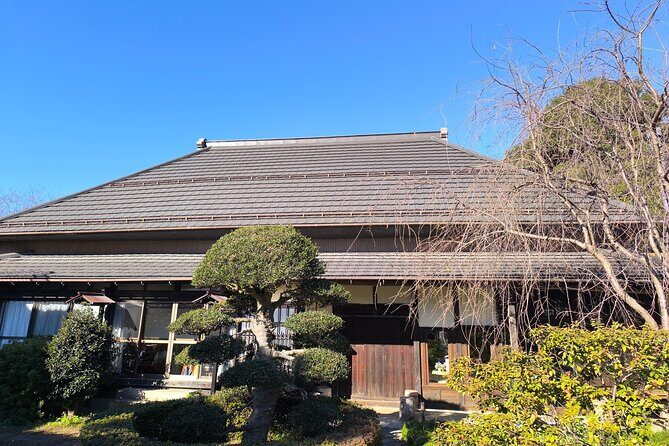
The house itself is a highlight—centuries old and officially registered as a tangible cultural property of Japan. Stepping inside, you’re greeted by the sight of tatami mats and traditional wooden architecture. This setting elevates the experience from a mere craft workshop to a moment of cultural appreciation. You’ll likely feel a sense of calm and reverence as you settle into your work area, surrounded by the echoes of Japanese history.
Introduction and Instruction: Setting the Stage
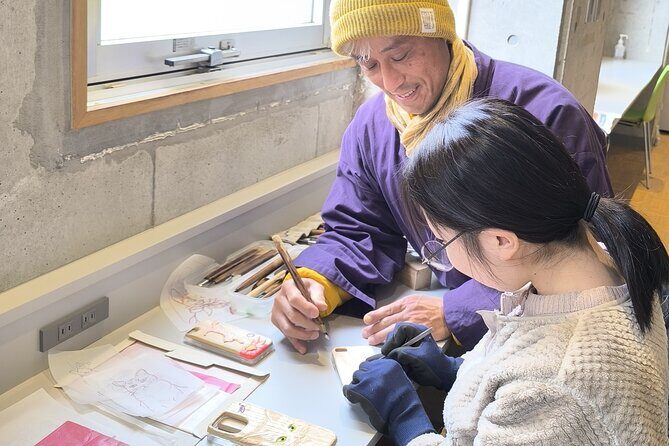
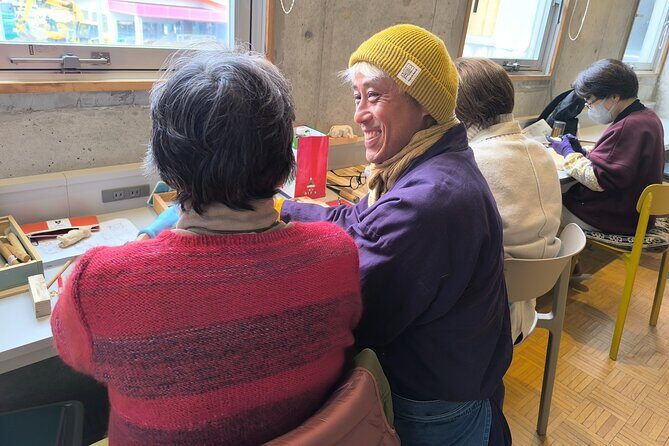
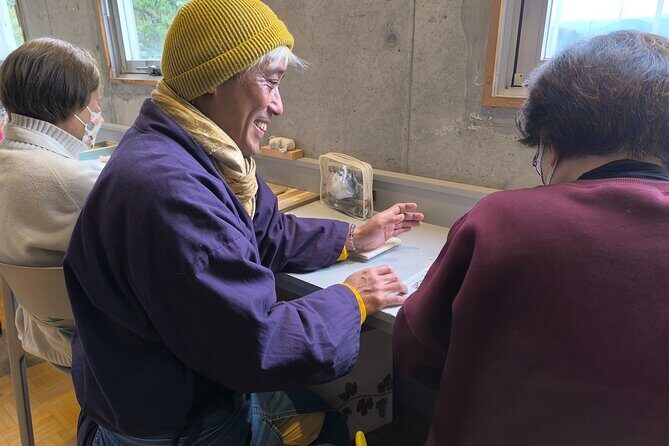
Before beginning, the instructor—an accomplished artist with 24 years of experience—provides a friendly overview of the process. They explain how to hold the Japanese carving knife, emphasizing safety and technique. We appreciated the detailed guidance, which made us feel confident even if we had no prior experience.
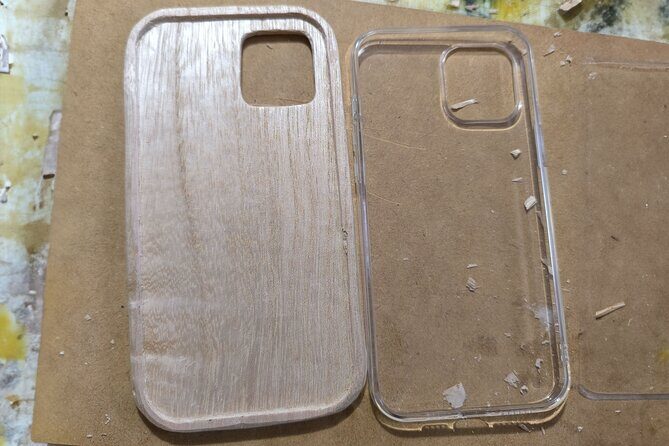
They also give a brief talk about the materials. The soft, light paulownia wood is specifically chosen for its ease of carving—perfect for beginners—and the fact that it’s glued to a clear case means your finished piece will be both durable and visually appealing. The instructor also discusses design options, including the possibility of custom requests and discussion of finishing techniques such as beeswax or acrylic coloring.
The Making Process: From Raw Wood to Personal Treasure
The core of the experience is, unsurprisingly, the carving itself. You’ll start with a block of wood, carefully tracing your design if you’ve brought one, or working with a simple pattern suggested by the instructor. The sharp Japanese carving knife is a delight—precise and responsive—though it requires gentle handling.
During the carving, we noticed the instructor’s patience and attention—offering gentle corrections and encouragement. It’s a rewarding process, but not hurried; the time flies by as you focus on shaping your unique design. The tour’s small group size means plenty of personal attention, and the instructor can tailor guidance to your skill level.
Finishing Touches and Final Product
Once the carving is complete, you can choose to add a beeswax finish or acrylic coloring. The beeswax offers a natural, matte look that emphasizes the wood’s grain, while acrylic gives you a more vibrant, glossy finish—meaning you can personalize your case further. The instructor also ensures the carved piece is glued properly onto the soft case, making the whole item lightweight yet sturdy.
The entire process, from start to finish, takes about 1 hour 45 minutes—just enough time to create something memorable without feeling rushed. As you work, you might reflect on the cultural significance of such craftsmanship, blending traditional Japanese artistry with modern technology.
Post-Workshop Options
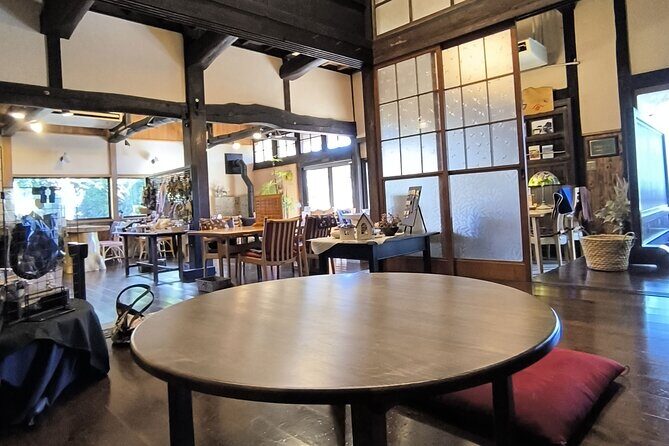
Once finished, you can review your creation, perhaps discuss custom design ideas for future projects, or simply relax in the adjoining café. If you’re in a hurry, transportation back to Ina Chuo Station is arranged; otherwise, the café offers a chance to unwind and reflect on your handiwork.
You can also read our reviews of more tours and experiences in Saitama Prefecture.



Pricing and Value Analysis
At $75.57 per person, the price seems reasonable considering the quality of instruction, the historic setting, and the personalized souvenir you’ll take home. For craft enthusiasts or those seeking a meaningful activity, the value is evident: you’re paying for expert guidance and a one-of-a-kind item that’s both functional and artistic.
Compared to standard tourist souvenirs, this carved wooden case is more than just a keepsake—it’s a handcrafted piece of Japanese craftsmanship that you helped create. Plus, the small-group size enhances the experience, making it more intimate and tailored than many mass-produced activities.
Additional considerations include the fact that the activity is suitable for most travelers, with accessible facilities and options for service animals. The tour is also flexible enough for those with specific design ideas, provided you communicate in advance.
Authenticity and Cultural Significance
This tour offers more than just crafting; it’s an immersion into Japanese woodworking traditions. The use of paulownia wood, known for its light weight and ease of carving, connects you with a material historically favored in Japan for crafts and furniture. The setting—an authentic 200-year-old house—adds depth, reminding participants of the importance placed on preserving architectural heritage.
Learning proper carving techniques from an experienced artist also imparts a respect for craftsmanship that many travelers seek. The process makes you appreciate the skill and patience required in traditional Japanese woodworking.
Who Should Consider This Tour?
This activity suits a wide range of travelers—craft lovers, cultural enthusiasts, or those simply looking for a creative break. It’s especially appealing if you want a souvenir that’s personal, meaningful, and a little different from typical tourist items.
Given the short duration and manageable group size, it’s ideal for families, couples, or solo travelers. If you’re interested in Japanese culture, woodworking, or just want a hands-on experience, this tour delivers a memorable and authentic moment.
The Sum Up
This Japanese woodworking experience offers a well-balanced blend of culture, practical skill, and personalized craftsmanship. In just under two hours, you’ll walk away with a one-of-a-kind wooden iPhone case, crafted with your own hands in a historic setting. The price, considering the expert guidance and cultural context, provides good value for those seeking a meaningful souvenir.
It’s best suited for curious, creative travelers who enjoy hands-on activities and want to connect with Japan’s tradition of craftsmanship. It’s also perfect if you’re after an intimate, authentic experience that’s a little different from typical sightseeing.
While it’s a brief activity, the memories—and your carved masterpiece—will last much longer. A lovely choice for those looking to combine cultural appreciation with a bit of relaxing creativity.






Making wooden iPhone cases in a 200-year-old Japanese house
FAQ
Is the tour suitable for all ages?
Most travelers can participate, and it’s designed to be accessible. However, younger children should be accompanied by adults, given the use of sharp tools.
How long does the activity take?
The entire workshop lasts approximately 1 hour 45 minutes, making it a manageable, engaging activity within a half-day schedule.
Do I need to bring anything?
No, all tools and materials are provided. You just need to specify your iPhone model and any design requests in advance.
Can I customize my design?
Yes, if you have a specific pattern or idea, you can discuss it with the instructor beforehand, and they will help you prepare.
What finishes are available for the carved case?
You can choose between a beeswax finish or acrylic coloring, depending on your preference.
Is transportation included?
Transportation isn’t included, but the location is near Ina Chuo Station, with a short 5-minute drive from the station.
This experience offers a rare glimpse into Japanese craftsmanship, wrapped in a historical setting. Whether you’re a DIY enthusiast or simply looking for a unique souvenir, carving your own wooden iPhone case in this 200-year-old house is a memorable way to spend part of your trip.