- Introduction
- Key Points
- A Deep Dive into the Tour Experience
- Starting Point and Transportation
- First Stop: Imjingak Park and the Unification Bridge
- The Third Infiltration Tunnel
- Dora Observatory and the View into North Korea
- Dorasan Station and the Hope for Reunification
- The Peace Gondola Ride
- Lunch and Additional Stops
- How the Tour Adds Value
- Who Should Consider This Tour
- Final Thoughts
- FAQ
- More Private Tours in Seoul
- More Tour Reviews in Seoul
Introduction
![[Private] DMZ & Imjingak Peace Gondola Experience Inter-Korean War - Introduction](https://i.touristtube.com/im/private-dmz-imjingak-peace-gondola-experience-inter-korean-war-d973-58847P69-1.jpg) 1 / 6
1 / 6![[Private] DMZ & Imjingak Peace Gondola Experience Inter-Korean War - A Deep Dive into the Tour Experience](https://i.touristtube.com/im/private-dmz-imjingak-peace-gondola-experience-inter-korean-war-d973-58847P69-2.jpg) 2 / 6
2 / 6![[Private] DMZ & Imjingak Peace Gondola Experience Inter-Korean War - How the Tour Adds Value](https://www.touristtube.com/wp-content/uploads/2026/06/private-dmz-imjingak-peace-gondola-experience-inter-korean-war.jpg) 3 / 6
3 / 6![[Private] DMZ & Imjingak Peace Gondola Experience Inter-Korean War - Who Should Consider This Tour](https://i.touristtube.com/im/private-dmz-imjingak-peace-gondola-experience-inter-korean-war-d973-58847P69-3.jpg) 4 / 6
4 / 6![[Private] DMZ & Imjingak Peace Gondola Experience Inter-Korean War - Final Thoughts](https://i.touristtube.com/im/private-dmz-imjingak-peace-gondola-experience-inter-korean-war-d973-58847P69-4.jpg) 5 / 6
5 / 6![[Private] DMZ & Imjingak Peace Gondola Experience Inter-Korean War - FAQ](https://i.touristtube.com/im/private-dmz-imjingak-peace-gondola-experience-inter-korean-war-d973-58847P69-5.jpg) 6 / 6
6 / 6If you’re curious about the deep divide that separates North and South Korea, a tour of the DMZ and Imjingak Peace Gondola offers a compelling glimpse into this complex history. This experience is designed for travelers eager to understand the enduring tension—and hopes for reunification—that define the Korean Peninsula today.
We love the way this tour combines significant historical sites with authentic local insights. The knowledgeable guides help bring Korea’s divided past to life with stories that resonate beyond textbooks. Plus, the opportunity to ride the Peace Gondola provides a unique perspective on the landscape and its symbolic importance.
However, a potential drawback is the variable weather conditions—being foggy or overcast can limit spectacular views from the Dora Observatory or the Peace Gondola. Also, some reviews mention scheduling hiccups, so flexibility and patience might be needed.
This tour is perfect for history enthusiasts, geopolitics buffs, or anyone interested in understanding Korea’s division firsthand. It combines educational content with memorable sights, making it a worthwhile day trip for those who want more than just a superficial overview.
Key Points
- Authentic insight: Guided by experienced, passionate guides who share real stories about Korea’s division.
- Iconic sites: Visits to Dorasan Station, Dora Observatory, Third Infiltration Tunnel, and Imjingak Park.
- Special experiences: Riding the Peace Gondola and exploring the Bunker Beat 131.
- Historical context: Learn about the separation of North and South Korea and the hopes for reunification.
- Value for money: At $195, the tour offers a comprehensive itinerary with included transportation and entrance fees.
- Limited drawbacks: Weather and scheduling issues may affect the experience, so flexibility is advised.
You can also read our reviews of more private tours in Seoul

A Deep Dive into the Tour Experience
Starting Point and Transportation
The tour begins bright and early at the President Hotel in Seoul, with a pickup scheduled at 7:00 am. The spacious, air-conditioned vehicle ensures comfort during the roughly 2-hour drive to Imjingak Park. Traveling in a well-coordinated group under a fluent English-speaking guide makes for an engaging and informative journey.
While some reviews mention delays or scheduling issues, the overall arrangement appears designed to maximize sightseeing time without excessive hurry. The group size is capped at 99 travelers, which balances camaraderie with manageable crowds—a plus for those who prefer a more intimate atmosphere but still want the buzz of a shared experience.
First Stop: Imjingak Park and the Unification Bridge
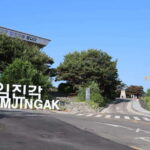
Our first visit is to Imjingak Park, a site built in 1972 that captures the pain and hope of Korea’s division. Here, you’ll find the Unification Bridge and the Bunker Beat 131, both laden with symbolic meaning. The bridge, once a vital railroad connection, has been broken for nearly 70 years, symbolizing the lasting separation of the two Koreas.
Many reviewers appreciate the emotional depth of this site; one mentions that “a lot of the exhibits were in many languages, not only Korean, but English, Japanese, and Chinese,” making it accessible and educational for international visitors. The exhibits, including personal letters and stories, leave a lasting impression, giving tangible weight to the political divide.
The Third Infiltration Tunnel
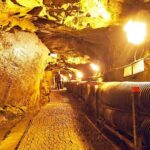
Next is the Third Tunnel, an underground passage built by North Korea for invasion purposes. Access to this tunnel requires a good level of physical fitness because it’s quite steep and demands leaning forward. The experience of walking through the narrow, damp tunnel offers a visceral sense of the military tensions that still exist.
One reviewer describes it as “more to experience than to see,” emphasizing the feeling of walking in the footsteps of potential conflict. Be prepared for a physically demanding walk, but know that your effort is rewarded with a profound understanding of the North’s military strategy.
Dora Observatory and the View into North Korea
From the Dora Observatory, you’ll get a rare glimpse across the border, with views extending into North Korea. The observatory offers a chance to see North Korean villages, farmlands, and possibly military installations, depending on weather conditions.
Weather can be a factor here—fog or haze may obscure the view, which some travelers find disappointing. However, on clear days, the vistas are striking and evoke a powerful sense of proximity to a nation from which South Korea remains separated.
Dorasan Station and the Hope for Reunification
A highlight is visiting Dorasan Station, a symbol of hope that someday Korea might be one again. Opened in 2002, it’s an operational station that currently serves as a symbolic gateway, with a sign stating “Hope for Reunification.” The station’s modern design and the displays about reunification efforts inspire optimism.
One reviewer notes that “the station shows how two Koreas can be one again in the future,” making it a feel-good moment amid the sobering sites. You’ll also have a chance to see how the station could serve as a real link in the future, with plans for cross-border trains possibly just over the horizon.
The Peace Gondola Ride
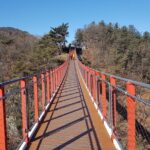
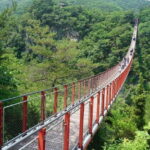
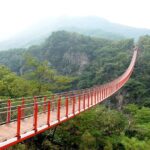
A unique feature of this tour is riding the Imjingak Peace Gondola, which provides panoramic views of the landscape and the Demilitarized Zone. From the gondola, you might spot Camp Greaves, famous as a filming location for the drama “Descendants of the Sun,” and the Gyeongui Line Railroad Bridge—a poignant reminder of Korea’s divided infrastructure.
One reviewer expressed enthusiasm: “What I was very glad to see is that exhibits were in many languages, and the gondola offers a rare perspective.” The ride offers a peaceful, elevated vantage point that complements the more grounded visits and underscores Korea’s ongoing hope for unification.
Lunch and Additional Stops
The tour includes a stop for lunch, giving travelers a chance to refresh and discuss what has been seen so far. Following lunch, the itinerary may include visiting sites such as the Dokgae Bridge, Bunker Beat 131, and the Amethyst or Ginseng Center, where you can buy souvenirs and learn about local products.
While not directly related to the history, these stops enhance the overall experience by offering a taste of local culture and commerce.
How the Tour Adds Value
At $195, including transportation, guide service, and entrance fees, this tour offers solid value. It’s a full day packed with meaningful sites, stories, and views—not just a quick overview. The knowledgeable guides help bring each location to life, sharing context that makes the experience more than just sightseeing.
While some reviews mention a 3-hour wait at the DMZ tourist area, the guide’s commentary and the sites visited compensate for any delays. It’s important to be flexible, especially since scheduling can sometimes be affected by military or official events.
The tour’s focus on authenticity and education makes it especially appealing for those who want a genuine understanding of Korea’s division—beyond the typical tourist spots. The mix of historical sites, scenic views, and the symbolic Peace Gondola creates a layered experience that balances emotion with insight.
Who Should Consider This Tour
This experience is best suited for travelers interested in history, politics, and international relations. It’s ideal for those comfortable with walking and standing—since some sites involve steep or narrow passages—and who appreciate guided interpretation.
If you’re looking for a superficial visit, this might not be for you, as the tour dives into the emotional and political significance of each site. On the other hand, if you want a meaningful, well-organized day that covers the major highlights of the DMZ and unification hopes, this tour offers a compelling option.
Final Thoughts
This DMZ & Imjingak Peace Gondola Experience offers a rare and meaningful look into one of the world’s most tense and hopeful borders. With experienced guides, a thoughtfully curated itinerary, and opportunities to see into North Korea, it makes complex geopolitics tangible.
You’ll love the views, the stories, and the symbolism that each stop provides. The peaceful gondola ride offers a serene counterpoint to the militarized sites, reminding us that hope for peace endures.
While weather and scheduling might occasionally impact the experience, overall, this tour provides excellent value for travelers seeking an honest, insightful, and memorable day in Korea. It’s best for those who want to understand Korea’s division firsthand and come away with a deeper appreciation of the ongoing efforts for reunification.
[Private] DMZ & Imjingak Peace Gondola Experience Inter-Korean War
FAQ
Is this tour suitable for children?
Children must be accompanied by an adult, and the tour involves some physically demanding parts, like the steep tunnel, so it’s best suited for physically moderate travelers.
What should I wear?
Comfortable shoes—sneakers are recommended—especially since some sites require walking and leaning forward. Dress appropriately for the weather, as views from Dora Observatory and the gondola depend heavily on conditions.
How long does the tour last?
The tour runs approximately 8 to 10 hours, starting around 7:00 am and ending in Myeongdong. It’s a full-day experience designed to maximize sightseeing and learning.
Are entrance fees included?
Yes, the tour covers admission fees for the DMZ and the gondola. Some additional stops like the Amethyst or Ginseng Center are not included in the price.
What if the weather is bad?
Poor weather can affect visibility at the Dora Observatory and the gondola ride. In case of cancellation due to weather, you’ll be offered another date or a full refund.
Can I bring my passport?
Yes, a current valid passport is required on the day of travel, especially since some sites are sensitive or restricted.
What if there are military events or training during my visit?
If unannounced military activities occur, the tour may be replaced with a visit to Tomorrow’s Whistle, Bunker Beat 131, Odusan Unification Tower, or the War Memorial of Korea.
This tour makes the complex history of Korea’s division accessible and thought-provoking. It’s a day that combines education with scenery, offering travelers a meaningful perspective on a divided nation and its enduring hope for unity.