Exploring Mum’s Traditional Japanese Cooking Class in Tokyo: A Real Taste of Japan
When we hear about cooking classes in Tokyo, the first images that come to mind are bustling markets or high-end restaurants. But this experience offers something different: a chance to step into everyday Japanese life by learning home-style cooking just outside the city’s busy center.
This class, hosted by Ivy Kitchen Tokyo, promises an authentic, hands-on glimpse into what Japanese families cook at home — and it’s perfect for those wanting more than just sushi and ramen.
Two things stand out about this class: Firstly, its location between Mitaka and Kichijoji, where traditional farms still flourish and pure spring water has long been valued. It’s a rare find in Tokyo, offering a peaceful, picturesque backdrop. Secondly, the interactive nature of the experience, from shopping locally to cooking, makes it a genuinely engaging way to learn about Japanese food culture.
A potential consideration is that the tour is relatively short — around 2.5 hours — which is enough for a taste but may leave those craving more in search of a deeper culinary adventure. Also, with a maximum of 8 travelers, it maintains an intimate feel, but this means booking early is wise if you want a spot.
This experience is best suited for food lovers who enjoy hands-on activities, travelers curious about authentic home cooking, or those seeking a relaxed, culturally immersive experience outside the typical tourist spots. If you’re looking for a meaningful way to connect with local traditions, this class could be just the ticket.
- Key Points
- A Closer Look at the Experience
- The Setting: A Breath of Fresh Air Just Outside Tokyo
- The Shopping and Preparation: From Market to Kitchen
- The Cooking Process: Hands-On and Engaging
- The Cultural Takeaway and Final Enjoyment
- Practical Details: What You Need to Know
- Transport and Convenience
- Authenticity and Value
- Who Should Consider This Experience?
- FAQs
- More Workshops & Classes in Tokyo Prefecture
- More Cooking Classes in Tokyo Prefecture
- More Tour Reviews in Tokyo Prefecture
Key Points
 1 / 5
1 / 5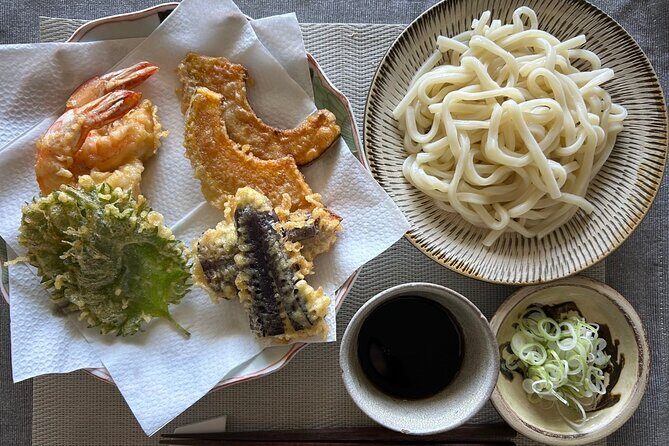 2 / 5
2 / 5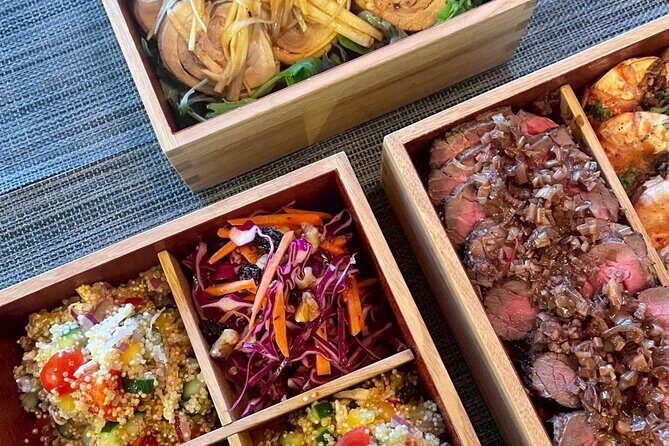 3 / 5
3 / 5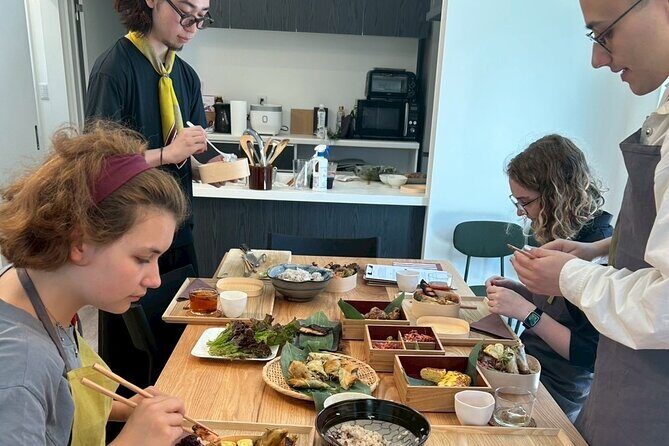 4 / 5
4 / 5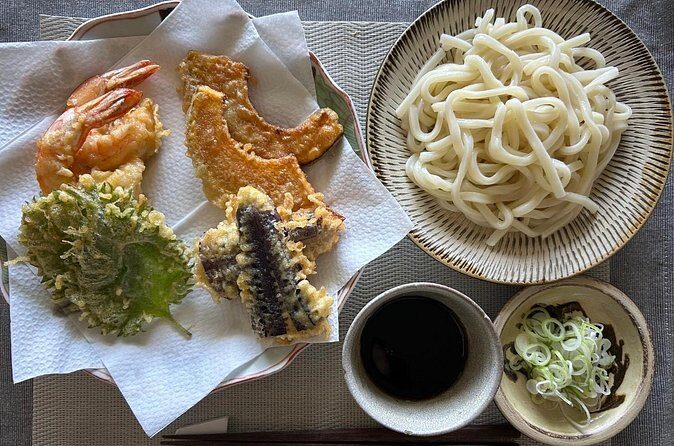 5 / 5
5 / 5- Authentic Home Cuisine: Focus on traditional Japanese dishes made in everyday households.
- Charming Location: Situated in a peaceful area filled with farms and spring water, away from Tokyo’s chaos.
- Interactive and Personal: You shop for ingredients, learn directly from an instructor, and cook together.
- Limited Group Size: Max of 8 travelers ensures a more personal, engaging experience.
- Value for Money: At $138, you gain a genuine cultural activity that includes local ingredients and hands-on learning.
- Free Cancellation: Flexibility to cancel up to 24 hours in advance for a full refund.
A Closer Look at the Experience
You can also read our reviews of more cooking classes in Tokyo Prefecture
The Setting: A Breath of Fresh Air Just Outside Tokyo
Instead of the typical urban environment, this class takes place in an area where traditional farms still thrive. Located between Mitaka and Kichijoji, this region offers a rare glimpse of rural Tokyo, with the added benefit of fresh, locally sourced ingredients. Surrounded by greenery and spring water, the atmosphere is relaxed and authentic — a stark contrast to Tokyo’s high-paced city life.
This location makes a significant difference, allowing participants to step into a more “Japanese” environment, where the sounds of everyday life and the sights of small farms add to the experience’s charm. It’s an ideal spot for those wanting to escape the city’s crowds and see a quieter side of Tokyo life.
The Shopping and Preparation: From Market to Kitchen
Your journey begins at a traditional shopping street, where the instructor guides you through selecting ingredients for your dishes. This part of the class is especially valuable for understanding Japanese culinary priorities — freshness, seasonality, and simplicity.
Participants often remark how the instructor’s expertise makes shopping both educational and enjoyable. The focus is on local produce, which reflects the importance of regional ingredients in Japanese home cooking. Expect to see and choose vegetables, seafood, or other staples, learning tips for their preparation and use.
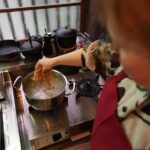
Once in the kitchen, you’ll learn to prepare authentic Japanese home dishes — likely a combination of rice, vegetables, and perhaps some protein like fish or tofu. The emphasis isn’t just on following a recipe but understanding the essence of home-style cooking — simple, balanced, and flavorful.
The Cooking Process: Hands-On and Engaging
The class takes about 2 hours 30 minutes, during which you actively participate in cooking. The instructor provides guidance, but there’s plenty of room for personal input, making it a fun and interactive session.
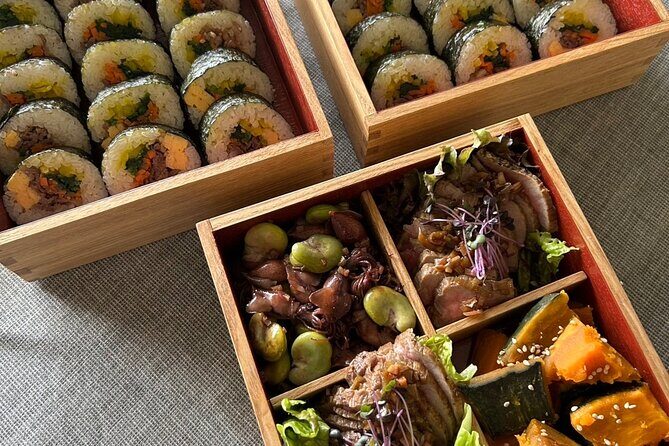
While the specific dishes aren’t listed, the focus on traditional Japanese cuisine suggests you’ll learn to prepare dishes that are staples in Japanese households, such as miso soup, rice dishes, pickled vegetables, or stir-fries. Many reviews mention how the instructor’s explanations help you understand the “why” behind each step, making it easier to replicate these dishes at home.
The Cultural Takeaway and Final Enjoyment
After cooking, you’ll sit down to enjoy your creations with your fellow participants. This convivial part of the experience allows for shared stories and a deeper understanding of Japanese food culture. The relaxed atmosphere makes it easy to ask questions, and many find it both educational and deeply satisfying.
You can also read our reviews of more tours and experiences in Tokyo Prefecture
Practical Details: What You Need to Know
The class starts at 11:00 am, making it a perfect late-morning activity. The meeting point is conveniently located near public transportation, which simplifies logistics. The tour is designed for a maximum of 8 travelers, ensuring everyone gets attention and can participate fully.
The price of $138 per person covers the ingredients, instruction, and the experience of shopping in a traditional street. Compared to high-end culinary classes, this provides a rare opportunity for authenticity, intimacy, and value. Plus, the free cancellation policy offers peace of mind amid changing travel plans.
Transport and Convenience
The meeting point at 2-chme-2-22 Shimorenjaku, Mitaka is accessible by public transit, making it hassle-free for visitors staying in central Tokyo or nearby neighborhoods. The small group size means that the experience remains personal, and the location’s peaceful environment is ideal for a leisurely, unhurried class.
Authenticity and Value
What makes this cooking class stand out is its commitment to home-style Japanese cooking rather than gourmet or restaurant-level fare. Travelers can expect to learn dishes that real families prepare, which adds a layer of authenticity to your culinary repertoire.
The inclusion of ingredient shopping and the scenic, farm-rich setting add rich layers of local flavor to the experience. For those interested in culture, this class hits the sweet spot between educational and experiential.
While some might wish for a longer session or more in-depth dishes, the focus on core, simple techniques makes this highly accessible, especially for beginners or those short on time. The price reflects access to a unique setting and expert guidance, making it a worthwhile cultural investment.
Who Should Consider This Experience?
This class is ideal for culinary travelers eager to explore Japanese food beyond sushi and ramen, and for those who enjoy hands-on, participatory activities. If you’re curious about local ingredients and want to understand the home-style approach, you’ll find this class both enjoyable and enriching.
It’s also perfect for travelers who prefer a small-group environment and want to experience a quieter, more traditional side of Tokyo. If your main goal is to connect with Japanese culture through food, and you value authenticity over perfection, this experience offers genuine insights.
Mum’s traditional Japanese Cooking Class in Tokyo
FAQs
What is the duration of the cooking class?
The class lasts approximately 2 hours 30 minutes, including shopping, cooking, and eating.
Where does the experience take place?
It’s held between Mitaka and Kichijoji, in a peaceful area known for farms and spring water, just outside central Tokyo.
What is included in the price?
The fee covers local ingredients, instruction, and the experience of shopping for ingredients along with the cooking session.
What language is the class conducted in?
While not explicitly stated, most guided experiences like this are led in English or with bilingual support to ensure clear instructions.
Is there a maximum group size?
Yes, the class accommodates up to 8 travelers, ensuring a personal experience.
Can I cancel the booking?
Yes, you can cancel up to 24 hours in advance for a full refund, providing flexibility in your travel plans.
Who is the experience provider?
It’s organized by Ivy Kitchen Tokyo, a reputable provider of cooking experiences in the area.
Is transportation provided?
Transportation to the meeting point is not included, but the location is easily accessible by public transit.
To sum it up, Mum’s traditional Japanese cooking class offers a rare and rewarding opportunity to step into a real Japanese kitchen, shop for fresh local ingredients, and learn how everyday families prepare their meals. It’s perfect for those wanting an authentic, hands-on cultural experience in a tranquil setting outside Tokyo’s hustle. With a small group, expert guidance, and the chance to enjoy your own cooked meal, this class delivers true value and memorable insights into Japanese food and life. It’s an excellent choice for curious food travelers, home cooking enthusiasts, or anyone looking to deepen their understanding of Japan’s culinary traditions.